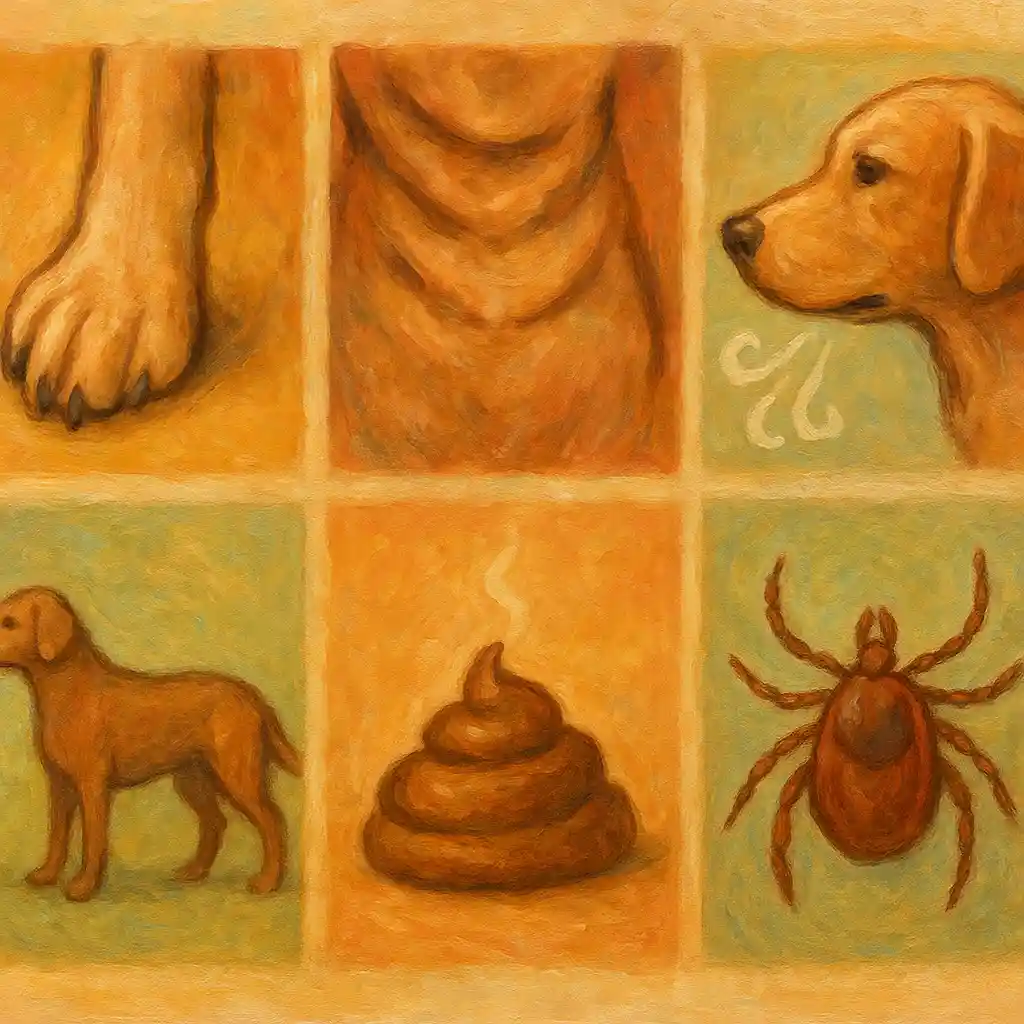
Living with a dog in Berlin is wonderful, but city life can be tough on an older body. A weekly dog health checklist helps you notice small changes early—before they become big problems. If you have ever been on a walk and suddenly saw your dog limp, cough, or slow down, you know how fast worry can hit. This Berlin city version focuses on the real things dogs face here: hard pavements, crowded streets, heat in summer, cold sidewalks in winter, and ticks in parks.
A weekly dog health checklist is not about panic—it is about calm, simple habits that keep your dog comfortable and safe.
This guide is made for senior dog owners in Berlin and for senior dogs who need a little extra attention. You can do most checks at home in a few minutes. The goal is not to replace your vet. The goal is to help you spot changes early, track them, and know when it is time to ask for help.
Why a Weekly Dog Health Checklist Matters in Berlin
Berlin is a dog-friendly city, but it has special challenges. Many dogs walk on asphalt and stone every day. They meet other dogs often, which can increase the risk of infections. City noise and stress can affect behavior. Air quality, smoke exposure, and dusty apartments can affect breathing. And even in urban areas, ticks can be a real problem—especially after time in parks and green spaces.
A weekly dog health checklist gives you structure. It helps you watch the same key areas every week, so you can notice what is normal for your dog and what is new.
- Early detection: Small problems (like a tiny cut on a paw) can become big problems (like an infection) if you miss them.
- Better vet visits: When you track changes, you can give your vet clear information.
- Less stress: A routine can reduce worry, because you know you are checking the important things.
- Better quality of life: Senior dogs often feel better when pain, skin issues, and weight changes are managed early.
Weekly Dog Health Checklist: Paws (Berlin Pavement Edition)
Paw care is one of the most important parts of a weekly dog health checklist in a city. Berlin sidewalks can be rough. In some areas, there may be small sharp debris. In winter, sidewalks can be cold, and in summer, pavement can get hot. Many dogs also step on chemicals or dirt that can irritate skin.
What to check every week
- Cuts, cracks, and abrasions: Look closely at each pad.
- Foreign objects: Check for tiny stones, thorns, or debris between toes.
- Redness or swelling: These can be signs of irritation or infection.
- Excess licking: Licking paws often means discomfort.
Weekly paw routine (simple and realistic)
1) Inspect paws after walks (and do a deeper check once a week)
After walks, do a quick look. Once a week, take a few minutes for a deeper inspection. Use a gentle touch and good light. If your dog dislikes paw handling, go slowly and use treats.
2) Trim nails regularly
Long nails can change how your dog walks, and this can cause pain in joints—especially in senior dogs. If you hear nails clicking on pavement, it may be time for a trim. If you are unsure, a vet or groomer can help you learn safe trimming.
3) Clean and dry paws
After city walks, wipe paws with a damp cloth to remove dirt and possible irritants. Dry them well, especially between toes.
4) Moisturize paw pads when needed
Paw pads can get dry and cracked. A pet-safe paw balm can help. Avoid human creams unless your vet says they are safe.
5) Consider booties in extreme weather
Some dogs do well with booties, especially if they have sensitive pads. Booties can help in summer heat and winter cold.
Real-life reminder: Simple paw cleaning and inspection after walks can prevent paw infections—especially for senior dogs walking daily on city pavement.
Weekly Dog Health Checklist: Folds and Skin Creases
Many dogs have skin folds—around the face, neck, armpits, groin, or tail area. These folds can trap moisture, dirt, and bacteria. In a warm, moist fold, irritation and infections can start quickly. That is why folds deserve a clear place in your weekly dog health checklist.
Why skin fold checks matter
- Moisture builds up easily and can lead to bacterial or yeast problems.
- Early signs are small (mild redness or smell) but can get worse fast.
- Comfort improves when folds are clean and dry.
Weekly fold inspection routine
1) Look, smell, and feel
Gently open the fold and look for redness, swelling, discharge, or irritated skin. A strong or unusual odor can be a sign of infection.
2) Clean gently
Use a clean, damp cloth or pet-safe wipes. Be gentle. Do not scrub hard, because that can damage the skin.
3) Dry thoroughly
Drying is just as important as cleaning. Moisture left in a fold can cause problems.
4) Keep hair around folds tidy
If your dog has longer hair near folds, keeping it trimmed can improve airflow and reduce trapped dirt.
In a city setting, fold hygiene can make a big difference because dogs often deal with dust, pollution, and moisture from rain. A steady routine helps prevent repeated irritation.
Weekly Dog Health Checklist: Breathing and Respiratory Comfort
Breathing changes can be easy to miss. A dog may pant more, cough sometimes, or seem tired on walks. In Berlin, dogs may also face indoor air issues (dust, smoke, poor ventilation) and outdoor stress (traffic, heat). Adding breathing checks to your weekly dog health checklist helps you notice patterns.
Weekly breathing assessment (at home)
1) Observe breathing at rest
Pick a calm moment when your dog is sleeping or resting. Watch the chest rise and fall. Look for breathing that seems unusually fast, noisy, or difficult.
2) Notice changes after normal activity
After a normal walk (not a long or intense one), check how fast your dog recovers. If your dog pants heavily for a long time after light activity, note it.
3) Watch for clear warning signs
- Wheezing or noisy breathing
- Persistent coughing
- Labored breathing (working hard to breathe)
- Very low energy combined with breathing changes
- Bluish gums or tongue (this can signal low oxygen)
If you see serious signs, contact your vet.
Indoor air quality tips for Berlin apartments
- Ventilate regularly: Open windows to bring in fresh air and reduce stale air.
- Reduce dust: Vacuum and dust often to lower allergens like dust mites and pet dander.
- Use an air purifier (HEPA if possible): It can help filter airborne particles.
- Avoid smoke exposure: Cigarette smoke can irritate a dog’s respiratory system.
- Wash bedding often: Clean bedding reduces allergens and bacteria buildup.
- Use gentle cleaning products: Strong chemicals can irritate airways.
Key idea: Your weekly dog health checklist should include breathing, because small changes are easier to act on than sudden emergencies.
Weekly Dog Health Checklist: Weight and Body Condition for Senior Dogs
Weight management is a big part of senior dog care. In city life, exercise can change with weather, busy streets, and limited green space. Weight gain can happen slowly, so it is easy to miss. A weekly dog health checklist with weight tracking can help you stay ahead of problems.
Why weekly weight checks help
- Weight gain can increase stress on joints and reduce mobility.
- Weight loss can be a sign of illness, dental pain, or digestive issues.
- Trends matter: One number is not everything, but changes over weeks are important.
How to monitor weight weekly
1) Weigh your dog at home
If you have a pet scale, great. If not, you can use a home scale: weigh yourself, then weigh yourself holding your dog, and calculate the difference. Try to weigh at the same time of day each week for consistency.
2) Track the number
Write it down in a notebook or in an app. Tracking is what turns a simple check into a useful weekly dog health checklist.
3) Adjust diet and exercise when needed
If you notice slow weight gain, consider smaller portions, fewer high-calorie treats, and more gentle activity. If you notice weight loss, talk to your vet—especially if appetite or energy changes too.
Simple, senior-friendly habits for Berlin
- Shorter, more frequent walks: Often easier on joints than one long walk.
- Treats in moderation: Choose lower-calorie options when possible.
- Consistent routine: Senior dogs often do best with predictable feeding and walking times.
One Berlin success story from the draft is a senior owner who used weekly weigh-ins, meal planning with a vet, regular walks, and consistent check-ups to help a dog reach a healthier weight. The main lesson is simple: weekly tracking makes progress visible and keeps motivation strong.
Weekly Dog Health Checklist: Poop (Stool Quality and Digestive Clues)
It is not a glamorous topic, but it is one of the most useful. Your dog’s poop can tell you a lot about digestion, hydration, stress, and possible illness. In a city, dogs may eat something on the street, experience stress from noise, or have diet changes. That is why poop belongs in a weekly dog health checklist.
What to observe weekly (and casually daily)
- Color: Normal is usually brown. Big changes should be noted.
- Consistency: Healthy stool is usually formed and easy to pick up.
- Frequency: Notice changes in how often your dog goes.
- Odor: Very strong or unusual odor can be a clue.
- Visible issues: Blood, mucus, or worms are important warning signs.
Signs that may suggest gastrointestinal issues
- Changes in appetite (eating much less or much more)
- Vomiting or diarrhea that continues
- Unexplained weight loss
- Lethargy or low energy
If you see concerning changes, contact your vet. Also remember the city responsibility: always pick up after your dog to help keep Berlin clean and reduce disease spread.
Practical dietary tips from the draft (keep it simple)
- Choose high-quality, easily digestible food and avoid unnecessary fillers when possible.
- Slow down eating with a slow-feed bowl or puzzle feeder.
- Support hydration with fresh water available at all times.
- Consider probiotics made for dogs to support gut health (ask your vet if unsure).
- Avoid unsafe foods and table scraps, especially foods known to be toxic to dogs.
Tracking tip: If you keep notes in your weekly dog health checklist, include poop changes. It can be very helpful information for your vet.
Weekly Dog Health Checklist: Ticks in Berlin Parks and Green Spaces
Ticks are not only a countryside problem. Dogs in Berlin can pick up ticks in parks, grassy areas, and wooded spots. Tick checks should be part of your weekly dog health checklist, and quick checks after walks are also smart.
Where ticks like to hide
- Around and inside ears
- Under the collar
- Armpits
- Between toes
- Groin and belly
- Tail base
Weekly tick inspection routine
1) Do a full-body check once a week
Use your fingers to feel for small bumps. A tick can be very small, so go slowly. If your dog has thick fur, a fine-toothed comb can help.
2) Do quick checks after walks
Especially after time in grass or bushes, do a fast check of key areas like ears, neck, and paws.
3) Use tick prevention products
Use tick prevention recommended by your vet, such as spot-on products or tick collars. Apply or replace them as directed so they stay effective.
How to remove a tick safely
- Use a tick removal tool or tweezers and grip close to the skin.
- Pull straight out gently and steadily.
- Do not use home remedies like matches or petroleum jelly.
- Watch your dog afterward for unusual symptoms like lethargy, fever, or appetite changes, and contact your vet if you are concerned.
This part of the weekly dog health checklist is about prevention and fast action. The sooner you find ticks, the better.
Weekly Dog Health Checklist: Overall Health Assessment (Quick Head-to-Tail Scan)
Once you cover paws, folds, breathing, weight, poop, and ticks, it helps to do a short overall check too. This makes your weekly dog health checklist more complete, especially for senior dogs.
What to include in a simple weekly scan
- Appetite and water intake: Notice changes in eating or drinking.
- Energy and behavior: Look for unusual lethargy, restlessness, or mood changes.
- Mobility: Watch for limping, stiffness, or trouble standing up.
- Skin and coat: Check for lumps, bumps, redness, or excessive itching.
- Eyes and ears: Look for discharge, redness, or signs of discomfort.
- Teeth and gums: Watch for bad breath, inflamed gums, or trouble chewing.
These checks do not need special equipment. They just need consistency. When you do them weekly, you learn what is normal for your dog.
City-Specific Challenges: Tailoring Your Weekly Dog Health Checklist to Berlin Life
Berlin dogs often deal with crowded sidewalks, loud traffic, and many dog-to-dog encounters. Senior dogs may also be more sensitive to stress and less flexible with sudden changes. A weekly dog health checklist works best when it fits your real routine.
Common city issues to keep in mind
- Pavement exposure: More paw wear, more risk of small injuries.
- Noise and crowds: Stress can show as behavior changes or digestive upset.
- Limited green space (in some areas): Exercise may need planning.
- Pollution and indoor air: Can affect breathing and allergies.
- More dog contact: Keep vaccinations and vet advice up to date.
How to adjust your routine without making it complicated
- Choose calmer walking routes when possible, especially for senior dogs.
- Carry water during warm days and longer walks.
- Add mental stimulation at home with puzzle toys or short training sessions.
- Create a quiet resting space away from street noise so your dog can relax.
City living tip: A good weekly dog health checklist is not “perfect.” It is consistent and realistic for your home and your neighborhood.
Consistency and Tracking: How to Make the Weekly Dog Health Checklist Stick
The best checklist is the one you actually use. If you do your weekly dog health checklist at random times, it is easy to forget what happened last week. A simple schedule and basic tracking can make a big difference.
Build a weekly routine
- Pick one day: For example, Sunday afternoon or Monday morning.
- Keep it short: Many checks take only a few minutes.
- Link it to another habit: After grooming, after a long walk, or before you prepare meals.
Use tracking tools if they help you
You can use a notebook, a calendar, or an app. The goal is simple: write down small notes like “paws OK,” “slight redness in fold,” “weight up 0.3 kg,” or “poop softer than normal.” These notes can help you stay organized and can be useful during vet visits.
One story from the draft describes a senior owner in Berlin staying proactive by using tracking methods to stay organized. That is exactly the point: tracking reduces guessing and helps you act with confidence.
Emergency Preparedness in Berlin: Add a Safety Layer to Your Weekly Dog Health Checklist
Even with a strong weekly dog health checklist, emergencies can happen. City life can move fast, and it helps to be prepared before you need help.
Basic emergency steps to prepare
- Update ID information: Make sure your dog’s tag and microchip details are current.
- Keep key contacts ready: Save your vet’s number and identify nearby emergency options.
- Keep a simple dog first aid kit: Include basics like bandages and antiseptic wipes.
- Keep medical records accessible: Even a photo on your phone can help in urgent moments.
- Know your neighborhood risks: Busy roads, toxic plants, or areas with broken glass.
If you want to go one step further, consider learning basic pet first aid skills. It can make you feel calmer if something happens.
Weekly Dog Health Checklist Summary (One Holistic List)
If you want one combined weekly dog health checklist to follow, here is a simple summary you can save:
- Paws: Check pads, between toes, nails; clean and dry; moisturize if needed.
- Folds: Inspect for redness/odor; clean gently; dry thoroughly; watch for irritation.
- Breathing: Observe at rest; note coughing/wheezing; check recovery after normal walks; improve indoor air quality.
- Weight: Weigh weekly; track changes; adjust diet/exercise with vet guidance if needed.
- Poop: Note color/consistency/frequency; watch for blood/mucus/worms; track changes.
- Ticks: Full-body check weekly; quick checks after walks; use vet-recommended prevention; remove ticks safely.
- Overall scan: Appetite, water, energy, mobility, skin/coat, eyes/ears, teeth/gums.
Conclusion: A Healthier, Happier Senior Dog in Berlin
A weekly dog health checklist is one of the simplest ways to support your senior dog in Berlin. It helps you notice changes early, stay organized, and feel more confident in daily life. Keep it friendly, keep it consistent, and remember that small weekly actions can protect comfort and health over time.
If you want to make this even easier, create your own printable version of this weekly dog health checklist and keep it near your leash or grooming supplies—then make it part of your weekly routine.