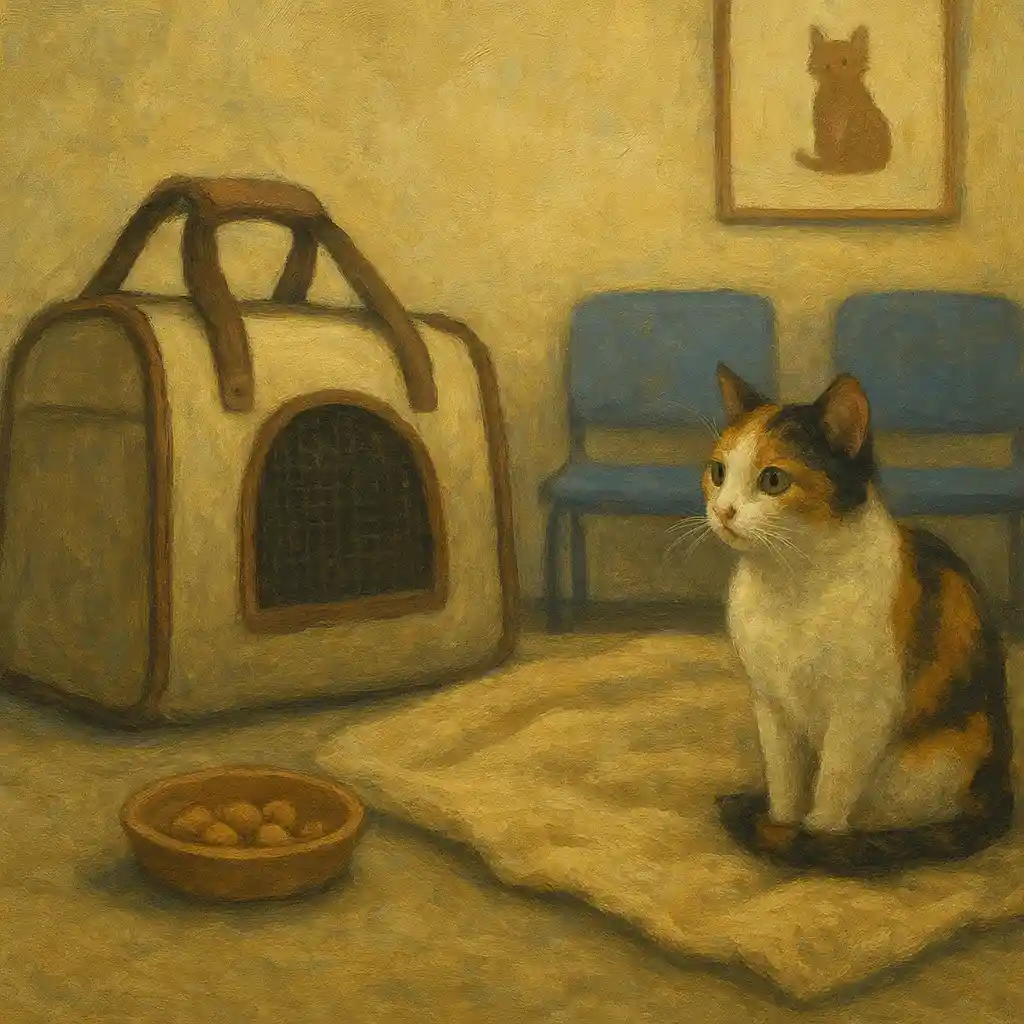
Minimal-stress vet transport can turn a hard day into a manageable one—especially for senior pet parents and their dogs. If you’ve ever felt your own nerves rise as your dog starts to worry, you’re not alone. The good news is that a few simple choices—like the right transport bag, a familiar blanket, well-timed treats, and a smart waiting room plan—can make minimal-stress vet transport feel much more possible.
When you plan the trip with comfort and calm in mind, minimal-stress vet transport becomes a routine instead of a struggle.
This guide brings all the key steps together in one place. You’ll learn how to set up your dog for a smoother ride, how to reduce waiting room stress, what to pack, and how to recover after the visit—without overcomplicating things.
Why minimal-stress vet transport matters for seniors and their dogs
Vet visits are important, but the trip itself can be the hardest part. For many dogs, the car ride, new smells, and busy clinic sounds can trigger fear. For seniors, the worry can feel even heavier—especially if lifting, walking, or managing a restless dog is challenging.
Minimal-stress vet transport helps in several ways:
- Less anxiety for your dog, which can lead to calmer handling and an easier exam.
- Less stress for you, because you have a plan and the right tools.
- Better safety, since secure transport reduces the risk of accidents in the car or clinic.
- Better long-term habits, because your dog learns that vet trips are not always scary.
Even small improvements—like choosing quieter appointment times or bringing a familiar blanket—can change the whole experience.
Understanding the senior–dog bond (and why stress feels stronger)
Dogs are family. Many seniors share daily routines, quiet companionship, and years of memories with their pets. That close bond is a gift, but it also means stress can travel both ways. If your dog is anxious, you may feel tense. If you feel tense, your dog may react to that, too.
The benefits of companionship (and the responsibility that comes with it)
Pets can bring comfort, purpose, and structure to daily life. Many seniors find that a dog encourages gentle movement, offers emotional support, and helps reduce loneliness. At the same time, that bond can make vet visits feel high-stakes. You want your dog safe, comfortable, and cared for—and you want the trip to go smoothly.
Minimal-stress vet transport is not about being “perfect.” It’s about making thoughtful choices that support both of you.
Minimal-stress vet transport starts before the appointment: planning ahead
One of the easiest ways to improve minimal-stress vet transport is to plan the timing and set expectations early. A rushed trip often leads to more stress for everyone.
Schedule at quieter times when possible
If your clinic allows it, try to book appointments during slower hours. A calmer clinic usually means:
- Shorter waits
- Fewer barking dogs and crowded spaces
- Less pressure on you to manage your dog in a busy room
Practice short car rides to build comfort
Many dogs connect the car with the vet, which can create fear the moment they see the keys. To support minimal-stress vet transport, try short practice drives that don’t end at the clinic. Keep them simple and low-pressure.
- Start with a quick loop around the block.
- Offer praise and a small treat for calm behavior.
- End the ride with something pleasant, like returning home for rest.
Consider asking for support
If you feel unsteady lifting your dog or managing doors and leashes, it’s okay to ask a friend, neighbor, or family member to come along. Minimal-stress vet transport often improves when you don’t have to do everything alone.
Choosing the right transport bag for minimal-stress vet transport
A good transport bag (or carrier) can be a game-changer. It supports safety, comfort, and control—especially for smaller dogs or dogs who feel safer in an enclosed space.
What to look for: size, comfort, ventilation, and security
- Size: Your dog should be able to sit, turn, and lie down comfortably, but not slide around too much.
- Comfort: A soft base and room for a blanket can help your dog settle.
- Ventilation: Breathable mesh panels help your dog stay cool and reduce “stuffy” stress.
- Security: Strong zippers, secure closures, and a stable shape reduce escape risk.
If you use a harness instead of a bag, the same idea applies: comfort and security first.
Senior-friendly bag features that make trips easier
Minimal-stress vet transport is also about making the trip easier on your body. Consider features like:
- Lightweight materials so the bag is easier to lift.
- Comfortable straps that don’t dig into your shoulder or hand.
- Extra pockets for treats, records, and waste bags.
- Wheeled options for heavier dogs or longer walks through parking lots.
The best choice is the one you can handle confidently and safely.
Using a blanket to create comfort during minimal-stress vet transport
A blanket is simple, but it’s one of the most effective tools for minimal-stress vet transport. Dogs rely heavily on scent. A familiar blanket can make a new place feel less scary.
Why familiar scents help
In a clinic, your dog may smell other animals, cleaning products, and medical supplies. That mix can feel overwhelming. A blanket from home adds a familiar smell that signals safety.
How to choose the right blanket for vet trips
- Pick a favorite: Choose one your dog already sleeps on or seeks out.
- Choose the right size: Big enough to cover the carrier floor or exam table area, but easy to fold.
- Easy to clean: Machine-washable is helpful in case of accidents.
- Soft and cozy: Comfort matters more than style.
Place the blanket in the carrier before you leave. If your dog sits on it at home first, that can make minimal-stress vet transport even smoother.
Treats and positive reinforcement for minimal-stress vet transport
Treats are not just “snacks.” Used the right way, they are a powerful tool for minimal-stress vet transport because they help your dog form a better association with the car, the clinic, and handling.
How treats reduce anxiety
When a dog is focused on a reward, they often feel less stuck in fear. Treats can also reward calm behaviors like:
- Walking into the car area without pulling away
- Sitting quietly in the waiting room
- Staying relaxed while you hold the carrier or leash
Over time, these small moments add up and support minimal-stress vet transport as a habit.
Recommended treats for vet visits and transport
Use high-value treats—something your dog truly loves. The draft examples include:
- Small pieces of cooked chicken
- Freeze-dried liver
- Cheese (small amounts)
- Peanut butter (as a lick, if appropriate and safe for your dog)
Keep treat pieces small so you can reward often without overfeeding.
Tips for using treats effectively
- Start at home: Practice giving treats in calm moments so your dog understands the “reward” pattern.
- Reward calm, not panic: Try to treat when your dog is quiet or settling, not when they are actively lunging or barking.
- Be consistent: Consistency builds trust and predictability.
A waiting room strategy for minimal-stress vet transport
The waiting room can be the hardest part of minimal-stress vet transport. It often includes unfamiliar animals, loud sounds, and close spaces. A plan can help you avoid getting overwhelmed.
Common waiting room stress triggers
- Overcrowding: Too many pets in a small space can raise tension.
- Loud noises: Barking, meowing, phones, and doors opening.
- Unfamiliar scents: Many animal smells layered together.
- Long waits: More time for anxiety to build.
Simple strategies to keep your dog calm and occupied
- Bring comfort items: Your dog’s blanket and a favorite toy can help.
- Use treats as a focus tool: Reward quiet sitting or gentle eye contact.
- Practice basic cues: “Sit,” “stay,” and “quiet” can reduce chaos.
- Use a carrier or secure leash: This improves safety and reduces sudden lunges.
- Try calming activities: Gentle petting, slow breathing, or a simple puzzle toy with treats.
If possible, aim to sit in a quieter corner, leaving extra space between your dog and others. Minimal-stress vet transport often depends on distance and calm pacing.
Consider short breaks outside (when safe)
If your dog is getting overwhelmed, a short step outside for fresh air can help. Keep your dog secure and watch for other pets entering or leaving.
What to pack: a minimal-stress vet transport checklist
Having a packed routine reduces last-minute scrambling. Minimal-stress vet transport is easier when you know you have what you need.
Essentials to bring
- Medical records (vaccination history and relevant notes)
- Current medications (or a list of them)
- Leash and collar (even if using a carrier)
- Treats for reward and distraction
- Familiar blanket for comfort and scent
- Waste bags for quick clean-up
- Water (especially for longer trips)
Emergency supplies for unexpected situations
Emergencies are stressful, but a small kit can help you feel more prepared:
- Basic first aid items (bandages, antiseptic wipes, tweezers)
- Spare leash and collar in case something breaks
- Vet contact information and a copy of key records
- A carrier or foldable support option if your dog struggles to walk
- Extra snacks and water for delays
Safety precautions that support minimal-stress vet transport
Safety is part of stress reduction. When your dog is secure, you can focus on staying calm and supportive.
Secure your dog during transport
- Use a quality seatbelt harness or a properly secured carrier.
- Stabilize the carrier so it won’t slide during turns or stops.
- Avoid distractions by keeping your dog safely contained.
If your dog gets car sick, consider avoiding meals right before the trip and speak with your vet about options. A calmer stomach can support minimal-stress vet transport.
Tips for senior dogs with mobility issues
Older dogs may have arthritis or weakness that makes movement harder. Support them with practical adjustments:
- Use ramps or steps for getting into the car when needed.
- Choose non-slip surfaces where possible to prevent slips.
- Allow extra time so you don’t have to rush.
- Keep essentials easy to reach so you aren’t bending or searching.
These steps protect your dog’s comfort and your own safety—both key parts of minimal-stress vet transport.
Communicating with the vet to keep visits smooth
Good communication can lower stress and improve care. Minimal-stress vet transport doesn’t end at the front desk—your vet team can help if they understand your dog’s needs.
Share your dog’s needs and behavior clearly
Before or during the appointment, mention:
- Any fears or triggers (other dogs, being lifted, certain handling)
- Changes in behavior, appetite, or movement
- Past stressful experiences at the clinic
If you don’t understand something, ask for clarification. You deserve to feel informed and supported.
Build a positive relationship for future visits
Small steps can help future minimal-stress vet transport:
- Schedule regular check-ups so the clinic becomes more familiar.
- Reward your dog for calm moments at the clinic.
- Stay open with your vet about what works and what doesn’t.
After the appointment: recovery and post-visit stress
Even when the visit goes well, your dog may feel tired or unsettled afterward. You might feel that way too. A calm recovery routine supports minimal-stress vet transport long-term because it helps your dog “reset” after the experience.
Comforting your dog after a vet visit
- Create a calm space: A quiet room with their blanket and toys.
- Offer gentle reassurance: Soft petting and a calm voice.
- Provide treats or a favorite chew: If appropriate after the visit.
- Watch for signs of discomfort: If anything seems unusual, contact your vet.
- Follow post-visit instructions: Especially after vaccines or treatments.
Self-care for seniors after a stressful visit
Your feelings matter, too. After the appointment, try:
- Quiet breathing: Sit down and take slow, deep breaths.
- A relaxing activity: Reading, music, or a calm walk.
- Reach out for support: Talk to a friend or family member if you feel overwhelmed.
Minimal-stress vet transport works best when you care for yourself as well as your dog.
Making minimal-stress vet transport part of your routine
Regular vet care supports your dog’s long-term health, especially in the senior years. Preventive care—like check-ups, vaccines, parasite control, dental care, and nutrition—can help catch problems early and keep your dog comfortable.
Strategies to keep regular visits manageable
- Book ahead: Schedule check-ups early so you can choose quieter times.
- Keep a dedicated “vet bag” ready: Carrier, blanket, treats, records, waste bags.
- Practice handling at home: Gentle touch on paws, ears, and body so exams feel less surprising.
- Use positive reinforcement: Treat calm behavior during practice and real trips.
Over time, these habits make minimal-stress vet transport more natural for both of you.
Real-life lessons that make minimal-stress vet transport easier
Many seniors find that the biggest improvements come from small changes done consistently. Common lessons include:
- Familiar items matter: A blanket or toy can calm a dog faster than you expect.
- Timing is powerful: Quieter appointments can reduce stress for everyone.
- Preparation reduces panic: A checklist and a ready-to-go bag prevent last-minute rushing.
- One change at a time works: You don’t need to fix everything in one visit.
Try adding just one new step for your next trip—like a blanket in the carrier or a quieter appointment time—and build from there.
Conclusion: a calmer trip is possible
Minimal-stress vet transport is built from a few kind, practical choices: a secure transport bag, a familiar blanket, treats for positive reinforcement, and a waiting room strategy that keeps things calm and controlled. With planning and a steady routine, vet visits can feel less overwhelming and more like a normal part of caring for your best friend.
If you’d like, create a simple “vet transport kit” today—bag, blanket, treats, records, and waste bags—so your next trip is easier from the moment you start getting ready.