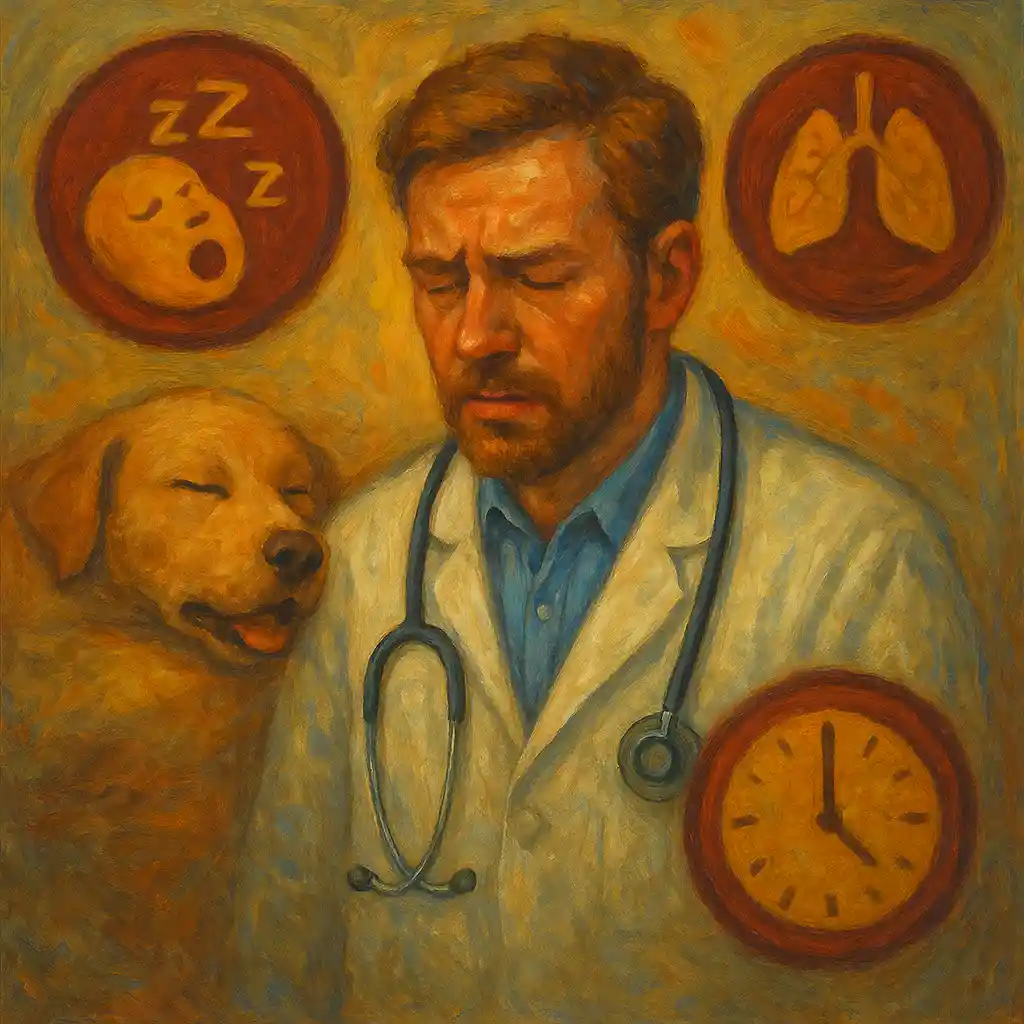
Hearing your older dog snore can be normal. But snoring alarm signs in senior dogs—like snoring that suddenly gets louder, pauses in breathing, or new daytime tiredness—can point to a health problem that needs attention. Because dogs cannot tell us, “I can’t breathe well,” small changes during sleep can be an important clue.
If you have noticed your senior dog snoring more than before, or their sleep seems restless, this guide will help you understand what to watch for and what to do next. The most important step is simple: talk to your vet so you can find the cause and protect your dog’s comfort and safety.
Key takeaway: Snoring can be harmless, but snoring alarm signs in senior dogs should never be ignored—especially when they are new, louder, or linked with breathing pauses or daytime tiredness.
Why snoring changes matter: snoring alarm signs in senior dogs
Many dogs snore sometimes. A relaxed jaw, a certain sleeping position, or mild congestion can all cause noise. But with age, the body changes. Senior dogs may gain weight more easily, develop dental or airway issues, or have health conditions that affect breathing. That is why snoring alarm signs in senior dogs deserve extra care.
When snoring becomes louder or different, it may mean airflow is partly blocked. If airflow is blocked enough, you might also see breathing pauses. Poor sleep can then lead to daytime tiredness, lower energy, and less interest in play or walks.
It helps to think of snoring as a symptom, not a diagnosis. The goal is not only to reduce noise at night. The goal is to make sure your dog is breathing well and sleeping well.
Normal vs. abnormal snoring in older dogs
So how do you know what is “normal” and what may be a problem? The difference is often about change and extra symptoms.
When snoring may be normal
- Your dog has snored the same way for a long time.
- The snoring is mild and not getting worse.
- Your dog wakes up easily, seems comfortable, and has normal energy during the day.
- There are no breathing pauses, gasping, or signs of distress.
When snoring may be abnormal
- Snoring is suddenly louder or more frequent.
- You notice breathing pauses, choking sounds, or gasping.
- Your dog shows daytime tiredness or seems less alert.
- Sleep looks restless, with frequent position changes.
If any of these abnormal patterns are new for your dog, treat them as snoring alarm signs in senior dogs and plan a vet visit.
Common causes behind snoring alarm signs in senior dogs
Snoring can happen for different reasons, and more than one cause can exist at the same time. Your vet’s job is to look at the whole picture and find what is driving the snoring alarm signs in senior dogs.
Weight gain and obesity
Extra weight can add pressure around the neck and throat, making it harder for air to move freely. This can make snoring louder and can reduce sleep quality. Weight changes are common in older dogs because activity may drop while appetite stays the same.
Allergies and congestion
Dust, pollen, and other allergens can cause nasal congestion, which can increase snoring. A dog that is congested may breathe through the mouth more during sleep, making the snoring sound stronger.
Dental or mouth problems
Dental disease can affect the mouth and throat area. Pain or swelling can change how a dog holds their jaw and tongue during sleep. This can contribute to louder snoring in some dogs.
Respiratory infections or inflammation
Inflammation in the airway can narrow the breathing passage. This can make snoring louder and can also make breathing look more “effortful,” even when the dog is resting.
Sleep apnea
Just like people, dogs can have sleep apnea, where breathing pauses during sleep. If you see repeated pauses, gasping, or choking sounds, this is one of the most important snoring alarm signs in senior dogs to discuss with your vet.
Heart conditions
Some heart conditions in senior dogs can affect breathing and energy levels. If snoring changes come with weakness, low stamina, or unusual tiredness, your vet may want to check heart health as part of the work-up.
Snoring alarm signs in senior dogs: Suddenly louder snoring
A big red flag is when your dog’s snoring becomes suddenly louder or sounds different from before. Many owners describe it as “out of nowhere” or “like a freight train.” Even if it seems funny at first, a sudden change often means something has changed in the airway.
What “suddenly louder” can look like
- Snoring volume increases enough to wake you up or be heard from another room.
- The sound becomes harsher, rougher, or more “blocked.”
- Snoring happens in more positions than before (not only on the back, for example).
Possible reasons for a sudden increase in snoring volume
- Weight gain adding pressure to the airway.
- Allergies causing congestion and swelling.
- Dental problems affecting breathing and mouth position.
- Respiratory infections causing inflammation and narrowing the airway.
If your dog’s snoring is suddenly louder and stays that way for more than a short time, treat it as one of the key snoring alarm signs in senior dogs and book a vet check.
Snoring alarm signs in senior dogs: Breathing pauses during sleep
Breathing pauses are one of the most serious snoring alarm signs in senior dogs. A pause can look like a few seconds where your dog stops breathing, followed by a snort, gasp, or a sudden deeper breath. It can be scary to watch.
How to identify abnormal breathing patterns while your dog sleeps
- Watch the chest or belly rise and fall.
- Listen for a pattern like: snore → silence → gasp/snort → snore again.
- Notice if your dog wakes up suddenly or changes position often.
It can help to observe for a few minutes rather than judging from one moment. Some dogs may have an occasional pause when dreaming, but repeated pauses or frequent gasping should be taken seriously.
Why breathing pauses are risky
When breathing stops or becomes very shallow, the body may get less oxygen. Over time, poor sleep and low oxygen can affect energy, mood, and overall health. Even without knowing the exact cause at home, breathing pauses should move you quickly toward professional help.
If you see repeated breathing pauses, gasping, or choking sounds, contact your vet. These are high-priority snoring alarm signs in senior dogs.
Snoring alarm signs in senior dogs: Daytime tiredness and low energy
Daytime tiredness is easy to miss because senior dogs do sleep more than young dogs. But new or increasing tiredness can be a sign that sleep quality is poor. If your dog snores loudly and seems exhausted during the day, the two may be connected.
How poor sleep can lead to daytime tiredness
If snoring is linked to blocked airflow or breathing pauses, your dog may not reach deep, restful sleep. They may wake up many times without you noticing. Over time, this can lead to:
- More napping and less interest in activity
- Slow starts in the morning
- Less excitement for walks or play
- General “older and quieter” behavior that feels new
Tips for observing fatigue in senior dogs
- Compare energy levels week to week, not just day to day.
- Note changes in walk length: does your dog want to turn back earlier?
- Watch recovery time after activity: do they seem tired for longer?
- Look for changes in mood, like irritability or less interest in family time.
Because tiredness can have many causes, it is especially important to mention it to your vet when you discuss snoring alarm signs in senior dogs.
Health issues that may be linked to snoring alarm signs in senior dogs
Snoring itself is not a disease. But snoring alarm signs in senior dogs may be connected to health issues that need treatment or management. Your vet will help you understand what applies to your dog.
Respiratory problems
Senior dogs can develop respiratory issues that make breathing harder, especially during sleep. If your dog has noisy breathing, coughing, or seems short of breath, tell your vet.
Sleep apnea
Sleep apnea is a key concern when you see breathing pauses. If your dog snores loudly and then stops breathing for moments, this is a strong reason to seek veterinary guidance.
Heart conditions
Heart problems can affect breathing and energy. If snoring changes happen along with weakness, low stamina, or unusual tiredness, your vet may want to check for heart-related causes.
Why early detection matters
Early detection can prevent a problem from getting worse. It can also improve your dog’s comfort quickly. With many senior health issues, acting early often gives you more options and better results.
When to see a vet for snoring alarm signs in senior dogs
It is time to call your vet if you notice:
- Snoring that is suddenly louder or clearly getting worse
- Breathing pauses, gasping, or choking sounds during sleep
- Daytime tiredness that is new or increasing
- Any combination of the above, especially in a senior dog
If you are unsure, it is still worth calling. A quick conversation can help you decide how urgent the visit should be.
What to expect at the vet visit for snoring concerns
Many owners feel nervous about bringing up snoring, as if it is “not serious enough.” But vets hear these concerns often, and your notes can be very helpful. A vet visit for snoring alarm signs in senior dogs usually includes:
Questions your vet may ask
- When did the snoring change?
- Is it louder in certain positions?
- Have you seen breathing pauses or gasping?
- Has your dog gained weight recently?
- Any changes in activity, appetite, coughing, or behavior?
Physical exam
Your vet may check your dog’s nose, mouth, throat, and overall breathing. They may also listen to the heart and lungs.
Possible tests
Depending on what your vet finds, they may suggest tests such as blood work or imaging like x-rays. The goal is to find the cause of the snoring alarm signs in senior dogs and choose the safest treatment plan.
Treatment and management options your vet may discuss
Treatment depends on the cause. Some dogs need lifestyle changes, some need medication, and some may need other interventions. Your vet will guide you based on what they find.
Lifestyle changes
- Weight management if extra weight is contributing to snoring
- Exercise suited to your dog’s age and ability
- Environmental changes to reduce dust or other irritants
Comfort and sleep setup changes
- Elevated sleeping positions to improve airflow
- A supportive orthopedic bed for comfort and easier breathing
- A calm, quiet sleeping area to support deeper rest
Medical treatment
If allergies, infections, or other medical problems are involved, your vet may recommend medication or other therapies. Always follow your vet’s instructions and avoid giving human medicines unless your vet specifically tells you to do so.
At-home tips for managing snoring alarm signs in senior dogs (while you wait for the vet)
Home changes are not a replacement for veterinary care, but they can support comfort. If your dog has snoring alarm signs in senior dogs, these steps are often safe to try while you arrange a visit.
Create a comfortable sleeping environment
- Choose a supportive bed that fits your dog’s body well.
- Keep the sleep area quiet and away from heavy foot traffic.
- Keep the room at a comfortable temperature.
Try an elevated sleeping position
Some dogs breathe more easily with the head slightly raised. You can try a bed with a gentle bolster or a setup that supports the head and neck comfortably. The goal is better airflow, not an awkward angle.
Reduce possible triggers
- Keep bedding clean and wash it regularly to reduce dust.
- Avoid smoke or strong scents around your dog.
- Keep the sleeping area well-ventilated.
Support healthy weight and gentle activity
If your dog is overweight, talk to your vet about a safe plan. Even small changes can help breathing over time. Choose gentle activity that matches your senior dog’s joints and energy level.
Diet timing and digestion
Some owners find it helps not to feed right before bedtime. Giving dinner a bit earlier can support comfortable sleep. If you want to change diet or feeding routines, your vet can help you do it safely for a senior dog.
Safety precautions and an emergency plan
Most snoring is not an emergency. But because snoring alarm signs in senior dogs can include breathing pauses, it is smart to be prepared.
Monitor breathing regularly
Pick a calm time to observe your dog sleeping. Watch and listen for patterns, and take notes. If possible, record a short video of the snoring or breathing pauses to show your vet. This can be very helpful.
Know when it may be urgent
If your dog seems in distress, cannot settle, or is struggling to breathe, seek immediate veterinary help. Trust your instincts—if something looks wrong, it is better to act quickly.
Keep key information ready
- Your vet’s phone number and the nearest emergency clinic details
- A list of your dog’s medications and health history
- Your notes about snoring changes, breathing pauses, and daytime tiredness
Real-life progress: what often helps when snoring alarm signs in senior dogs show up
Many pet parents feel relief once they involve their vet and make a few targeted changes. While every dog is different, owners often report improvement after:
- Finding and treating congestion or allergies with veterinary guidance
- Supporting weight loss when extra pounds were part of the problem
- Improving sleep comfort with an orthopedic bed and better positioning
- Tracking symptoms so the vet can see patterns clearly
The most important “success strategy” is not guessing alone. It is taking snoring alarm signs in senior dogs seriously and working with a professional.
The emotional side: how snoring alarm signs in senior dogs can affect your dog (and you)
Snoring and poor sleep can affect mood and comfort. A dog that sleeps badly may seem more anxious, less playful, or simply “not themselves.” On the human side, it can be stressful to hear breathing pauses or to worry at night.
Comfort matters. A calm bedtime routine, a cozy sleeping area, and gentle support can help your senior dog feel safe while you work with your vet on the medical side of the problem.
FAQs about snoring alarm signs in senior dogs
Is snoring always a problem in senior dogs?
No. Some dogs snore lightly their whole lives. The concern is when you see snoring alarm signs in senior dogs, like sudden loudness, breathing pauses, or daytime tiredness.
Should I keep a sleep diary for my dog?
Yes, it can help a lot. Write down when snoring happens, how loud it seems, whether you saw breathing pauses, and how your dog acts the next day. This gives your vet useful information.
Can sleeping position really make a difference?
Sometimes, yes. An elevated head position may improve airflow for some dogs. It is a simple step that can support comfort, but it does not replace a vet exam when snoring alarm signs in senior dogs are present.
What if my dog snores and seems tired, but I never see breathing pauses?
It is still worth discussing with your vet. Daytime tiredness can have many causes, and snoring can be part of a larger picture.
Conclusion: take snoring alarm signs in senior dogs seriously
Snoring alarm signs in senior dogs—especially snoring that is suddenly louder, breathing pauses during sleep, and daytime tiredness—are worth your attention. The best next step is to schedule a vet visit so you can find the cause and support your dog’s health and comfort in their golden years.
If you want to stay organized, start a simple sleep log tonight and bring it to your appointment. And if you found this helpful, explore our other senior dog care articles to build a safer, more comfortable routine for your best friend.