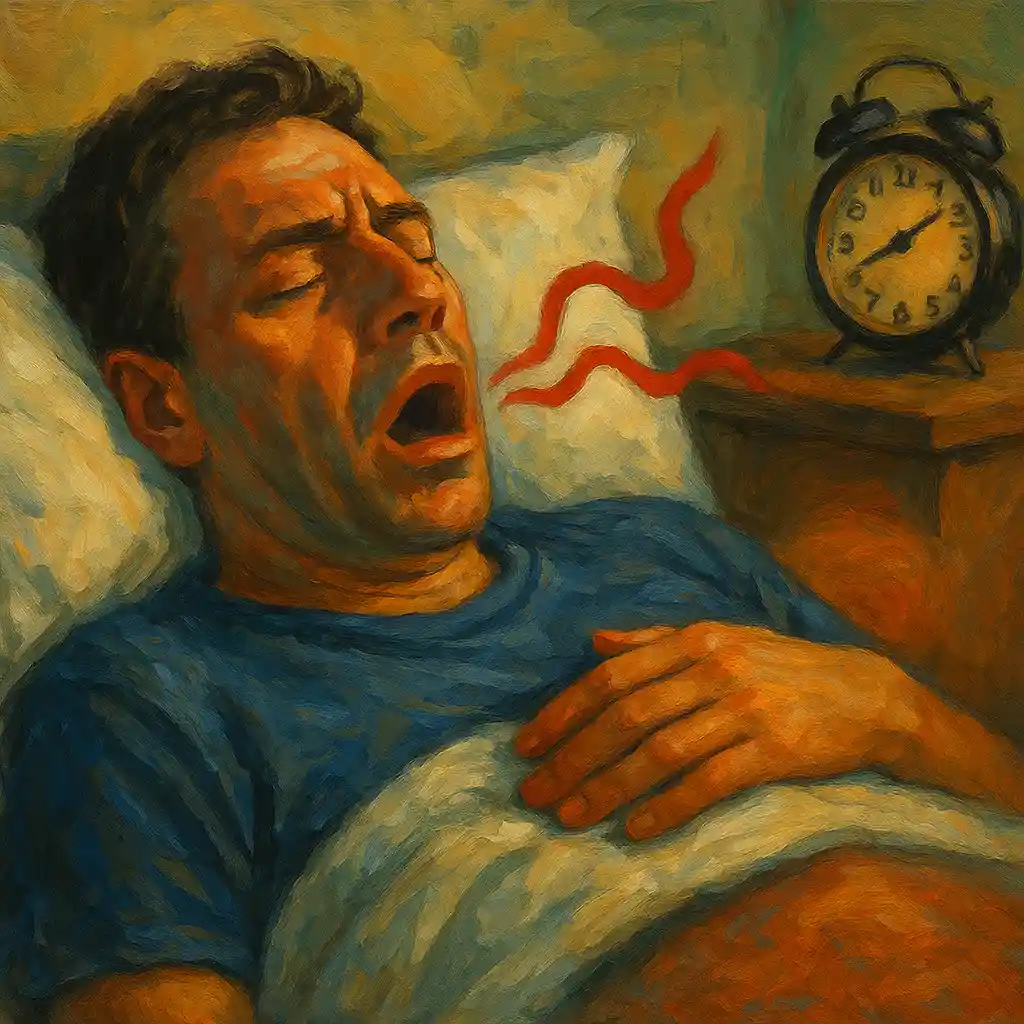
Snoring can be normal for some dogs, but snoring alarm signs in dogs are different. If your dog’s snoring becomes suddenly louder, you notice breathing pauses during sleep, or your dog seems unusually tired during the day, it is time to pay closer attention. These changes can be your dog’s way of showing that something is not right. Because dogs cannot explain how they feel, your careful наблюдение (watching and listening) matters. When you recognize snoring alarm signs in dogs early, you can get help sooner and protect your dog’s comfort and health.
If your dog’s snoring changes suddenly, includes breathing pauses, or comes with daytime tiredness, treat it as a health signal—not just a “cute habit.”
This article explains what dog snoring can mean, how to tell normal from abnormal, what to do at home, and when to contact your veterinarian. It also includes simple ways to track your dog’s sleep so you can share clear information with your vet.
Understanding Snoring Alarm Signs in Dogs: What Snoring Can Mean
Dogs snore for many reasons. Sometimes it is harmless, like when your dog sleeps in a certain position. Other times, snoring points to a problem that affects breathing or sleep quality. The key is noticing change. Snoring alarm signs in dogs often show up as a new pattern or a clear worsening of an old pattern.
Why dogs snore
Snoring happens when airflow is partly blocked and tissues vibrate during breathing. In dogs, this can happen due to:
- Airway shape and anatomy (especially in flat-faced breeds)
- Relaxed throat muscles during deep sleep (often more noticeable in older dogs)
- Nasal congestion from allergies or irritation
- Extra weight that puts pressure on the airway
- Respiratory infections that cause swelling and mucus
Normal vs. abnormal snoring in dogs
Some dogs snore lightly now and then, especially when they sleep on their back or after a very active day. That can be normal. Abnormal snoring is more likely when you see snoring alarm signs in dogs, such as:
- Snoring that is suddenly louder than your dog’s usual sound
- Snoring that becomes more frequent or happens in more sleep positions
- Gasping, choking sounds, or struggling to breathe
- Breathing pauses during sleep
- Restless sleep (waking often, changing position many times)
- Daytime tiredness or low energy that is new for your dog
If you are unsure, it is still worth tracking the pattern. A short sleep diary and a quick video can be extremely helpful for your veterinarian.
Snoring Alarm Signs in Dogs: Suddenly Louder Snoring
One of the most important snoring alarm signs in dogs is when the snoring becomes louder without a clear reason. Many owners notice this first because it affects the whole household. But the bigger concern is what it may say about your dog’s breathing.
What “suddenly louder” can look like
Suddenly louder snoring can mean:
- Your dog’s snoring volume increases over a few nights or weeks
- The sound changes (for example, from soft snoring to harsh, rough snoring)
- Snoring starts happening even when your dog sleeps on their side (not only on their back)
Possible reasons for a sudden increase in snoring volume
The draft content highlights several common reasons that can make snoring louder:
- Allergies that cause nasal swelling or congestion
- Weight gain that reduces airflow
- Respiratory infections that inflame the airway
- Dental problems that may affect breathing and comfort
- Sleeping position that blocks airflow more than usual
Some dogs also snore more as they age because throat muscles relax more during sleep. That does not always mean it is “fine,” especially if the change is sudden or comes with other symptoms.
When louder snoring is a real concern
It is time to take louder snoring seriously when you notice any of these snoring alarm signs in dogs at the same time:
- Snoring that wakes your dog up or seems to disturb their sleep
- Gasping, choking, or struggling to breathe while asleep
- Restlessness at night (pacing, frequent position changes)
- New daytime tiredness or lower interest in walks and play
Home tips to manage suddenly louder snoring (while you plan a vet visit)
Home steps can support comfort, but they do not replace a diagnosis. Still, these practical actions from the draft can help many dogs:
- Encourage side-sleeping if your dog snores more on their back.
- Support a healthy weight with regular exercise and a balanced diet, because extra weight can worsen snoring.
- Keep the sleeping area clean to reduce dust and possible allergens.
- Use a humidifier if the air is dry and seems to irritate your dog’s breathing.
- Try gentle head elevation (for example, a supportive bed) to improve airflow.
If these changes help a little, that is useful information to share with your vet. If they do not help, that is also important information.
Snoring Alarm Signs in Dogs: Breathing Pauses During Sleep
Breathing pauses can be one of the most worrying snoring alarm signs in dogs. Owners often describe it like this: the dog snores, then becomes quiet for a moment, and then starts breathing again with a gasp or a louder snort. Even if it only lasts a few seconds, it deserves attention.
What breathing pauses are
A breathing pause is a short time when your dog seems to stop breathing during sleep. It may be followed by:
- A gasp
- A choking sound
- A sudden body movement (as if your dog wakes up briefly)
Why breathing pauses matter
The draft mentions sleep apnea as one possible issue. Sleep apnea is a condition where breathing repeatedly stops and starts during sleep. Breathing pauses can reduce oxygen levels and may put strain on the heart and other organs over time. Not every pause means sleep apnea, but it is a sign that your dog’s airway may not be staying open during sleep.
Breathing pauses during sleep are not something to “wait and see” for long—especially if they repeat or come with gasping.
How to monitor breathing pauses safely
You do not need special tools to start monitoring. Use simple, calm observation:
- Watch your dog during deep sleep for a few minutes. Look for regular chest movement and steady breathing.
- Listen for patterns: snore → silence → gasp can be a helpful description for your vet.
- Record a short video on your phone if you can do it without disturbing your dog.
- Keep notes: how often it happens, how long the pause seems, and whether your dog wakes up afterward.
Immediate actions if you notice breathing pauses
If you notice a pause, try to stay calm. The draft suggests gentle repositioning and seeking help if your dog seems distressed. Good steps include:
- Check responsiveness: Is your dog still relaxed and sleeping, or do they seem distressed?
- Gently reposition your dog (for example, encourage side-sleeping) to help open the airway.
- Call your vet promptly if this is new, repeating, or worsening.
If your dog is struggling to breathe, seems panicked, or shows severe signs of distress, treat it as urgent and contact emergency veterinary care.
Snoring Alarm Signs in Dogs: Daytime Tiredness and Low Energy
Another major group of snoring alarm signs in dogs happens during the day, not at night. If your dog’s sleep is poor because of snoring, breathing trouble, or restlessness, you may see the effects in daytime behavior.
How poor sleep can lead to daytime tiredness
When sleep is interrupted, the body does not recover well. Dogs may not get enough deep, restful sleep. Just like people, a dog who sleeps badly may seem tired, less playful, and less interested in normal activities.
Common signs of daytime tiredness in dogs
Daytime tiredness can look like:
- More naps than usual
- Low energy on walks
- Less interest in play
- Droopy eyes or slower movement
- General lethargy
Daytime tiredness does not automatically mean snoring is the cause, but when it appears together with loud snoring or breathing pauses, it strengthens the case that your dog’s sleep quality is affected.
Why daytime tiredness affects overall well-being
The draft highlights that ongoing tiredness can reduce a dog’s quality of life. A tired dog may be less active, which can contribute to weight gain. Less activity can also reduce mental stimulation and happiness. If your dog is older, poor sleep can feel even harder on their body.
Strategies to support better sleep quality
These steps can help many dogs sleep better and feel better during the day:
- Create a consistent routine for evening walk, feeding, and bedtime.
- Provide regular exercise during the day so your dog is comfortably tired at night.
- Add mental stimulation (training, puzzle toys, gentle play) to reduce restlessness.
- Limit late-night large meals if it seems to disrupt sleep.
- Talk to your vet if sleep problems continue, especially if you see other snoring alarm signs in dogs.
How to Observe Your Dog’s Sleep Patterns (Without Stress)
When you suspect snoring alarm signs in dogs, the best first step is often simple observation. You do not need to watch all night. A few short checks over several nights can give you a clear picture.
Why monitoring matters
Snoring can vary from night to night. Monitoring helps you notice patterns, like whether snoring happens only in one position, whether it is getting worse, and whether breathing pauses are present. This information helps your vet make better decisions.
Create a simple sleep diary
A sleep diary can be short and easy. Try tracking:
- Bedtime and wake time
- Snoring volume (soft / medium / loud)
- Snoring frequency (rare / sometimes / often)
- Any breathing pauses (yes/no, and how often you noticed)
- Restlessness (calm sleep vs. frequent position changes)
- Daytime energy level the next day
Even 7–10 days of notes can be helpful, especially if you bring the diary to your appointment.
Note changes in behavior, not only snoring
Snoring is one piece of the story. Also note:
- New coughing or wheezing
- Changes in appetite
- Exercise intolerance (getting tired faster on walks)
- Any signs of discomfort when lying down
If you can safely record a short video of the snoring or breathing pauses, it can help your vet understand what you are hearing at home.
When Snoring in Dogs Means You Should See a Vet
Many owners wait because they hope snoring will go away. But snoring alarm signs in dogs are a good reason to speak with a veterinarian, especially when the pattern is new or worsening. Your vet can check for causes like allergies, obesity-related airway pressure, respiratory problems, and other conditions that may affect breathing.
Clear reasons to book a vet appointment
Consider a vet visit if your dog has:
- Suddenly louder snoring that lasts more than a short time
- Breathing pauses during sleep
- Gasping, choking sounds, or noisy breathing
- Daytime tiredness that is new or worsening
- Restless sleep that seems to reduce sleep quality
When to seek emergency veterinary care
The draft lists important red flags. Seek urgent help if you notice:
- Difficulty breathing or clear distress
- Gasping for air or choking sounds that seem severe
- Changes in breathing patterns that are sudden and alarming
- Excessive drooling or pawing at the mouth along with breathing trouble
- Blue gums or tongue
If something feels wrong, trust your instincts. It is better to call and be safe.
What to Expect at the Vet for Snoring Alarm Signs in Dogs
Many people feel nervous about bringing up snoring. But vets hear about this often, and your observations are valuable. A vet visit for snoring alarm signs in dogs usually includes questions, an exam, and sometimes tests.
Questions your vet may ask
- When did the snoring start or change?
- Is it worse in certain positions?
- Do you notice breathing pauses or gasping?
- Has your dog gained weight recently?
- Any signs of allergies (itching, sneezing) or respiratory infection?
- How is your dog’s energy during the day?
Physical examination
Your vet will likely check your dog’s:
- Nose and nasal airflow
- Throat and mouth
- Breathing and lung sounds
- Body condition (weight and overall fitness)
Diagnostic tests your vet may recommend
Depending on what the vet finds, they may recommend tests mentioned in the draft, such as:
- Blood tests to check general health and possible infection or other issues
- X-rays to look for airway or lung concerns
- Allergy testing if allergies are suspected
- Sleep monitoring / sleep study in certain cases to evaluate breathing patterns
Not every dog needs every test. Your vet will choose based on symptoms and exam results.
Treatment options for snoring in dogs
Treatment depends on the cause. Your vet may discuss a mix of approaches, including:
- Managing allergies or irritation
- Weight management if extra weight is contributing
- Addressing respiratory infections
- Dental care if mouth or dental issues are involved
- Other medical or procedural options in more serious cases
Follow your vet’s guidance closely, and keep tracking symptoms so you can report whether the plan is helping.
Lifestyle Changes That Support Better Sleep (and Quieter Nights)
Along with veterinary care, daily habits can reduce some snoring alarm signs in dogs and support better rest. These changes are also good for overall health.
Create a comfortable sleeping environment
A calm sleep space helps your dog relax and breathe more easily. Consider:
- A quiet location away from busy areas and loud sounds
- A supportive bed that fits your dog’s size and supports joints (especially for seniors)
- Clean bedding to reduce dust and allergens
- Comfortable temperature (not too hot or too cold)
Encourage healthy weight and steady activity
Weight can influence airway space. If your dog is overweight, even small improvements can help breathing and sleep comfort. Aim for:
- Regular walks that match your dog’s age and ability
- Gentle playtime
- A balanced diet and appropriate portions (your vet can guide you)
Add mental stimulation to reduce restlessness
Some dogs sleep better when they have healthy mental activity during the day. Try:
- Short training sessions
- Puzzle toys
- Sniff walks (letting your dog sniff and explore safely)
These are simple habits, but they can support deeper sleep and may reduce daytime tiredness.
Safety Precautions: Why You Should Not Ignore Snoring Alarm Signs in Dogs
It is tempting to laugh off snoring, especially when it has been happening for a long time. But untreated breathing problems can lead to ongoing poor sleep and reduced comfort. The draft also notes that snoring can be linked to conditions like obesity, allergies, respiratory problems, and sleep apnea. Taking snoring alarm signs in dogs seriously helps reduce the risk of complications.
Practical safety tips
- Do not smoke around your dog, as irritants can worsen breathing and congestion.
- Keep the sleeping area clean to reduce dust and allergens.
- Monitor changes in snoring, breathing, and daytime energy.
- Use head elevation carefully with supportive bedding (avoid awkward positions).
- Plan regular vet check-ups, especially for senior dogs or dogs with ongoing snoring.
Real-Life Situations: How Owners Often Notice Snoring Alarm Signs in Dogs
Many owners first notice snoring alarm signs in dogs in everyday moments. For example, you might wake up because your dog is snoring louder than usual. Or you might notice a strange quiet pause followed by a gasp. Some owners realize something is wrong because their dog is suddenly sleepy all day, even after a normal routine.
These moments are important because they are often the first clues. If you relate to these situations, take a proactive approach:
- Start a sleep diary tonight.
- Record a short video if you can.
- Schedule a vet visit if the signs repeat or worsen.
Small actions can lead to faster answers and better comfort for your dog.
FAQs About Snoring Alarm Signs in Dogs
Is it normal for dogs to snore?
Yes, some dogs snore sometimes, especially depending on breed, sleep position, or mild congestion. But snoring alarm signs in dogs are about changes and added symptoms—like suddenly louder snoring, breathing pauses, or daytime tiredness.
Can allergies or weight affect snoring?
Yes. The draft notes that allergies and weight gain are common factors that can increase snoring. Allergies can cause inflammation and congestion. Extra weight can put pressure on the airway and reduce airflow.
Should I wake my dog if they snore or pause breathing?
If you notice a breathing pause and your dog seems distressed, gentle repositioning or gently waking them may help in the moment. But repeated breathing pauses are a reason to contact your vet. Focus on safety, stay calm, and collect information for the vet.
What is the easiest way to help my vet understand what I’m seeing?
A short video of the snoring or breathing pauses, plus a simple sleep diary with dates and notes, is often very helpful. It gives your vet a clearer picture than memory alone.
Conclusion: Trust Your Instincts and Act Early
Snoring alarm signs in dogs—like suddenly louder snoring, breathing pauses during sleep, and daytime tiredness—are worth taking seriously. Your dog depends on you to notice changes and get help when needed. If you are concerned, schedule a vet consultation and bring your notes or video to support a clear diagnosis. For more everyday health tips, check out our other dog care articles and consider starting a simple sleep diary for your dog tonight.