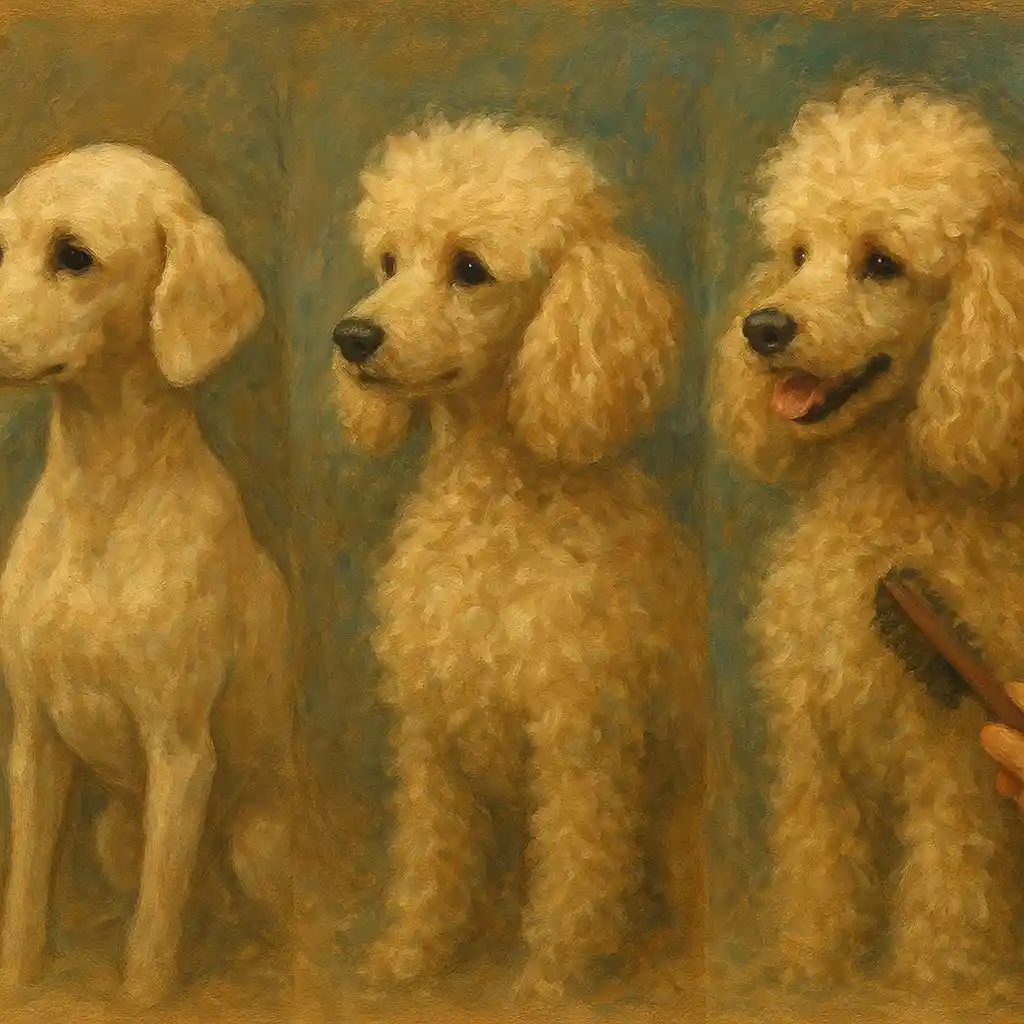
Poodle coat regrowth after full clip can feel exciting at first, and then suddenly stressful when the coat starts to tangle. One day your dog looks neat and easy to manage, and a few weeks later you are dealing with knots, uneven growth, and the risk of mats. The good news is that with the right timeline expectations, regular brushing, and a simple routine, you can keep your poodle’s coat comfortable, clean, and healthy while it grows back.
The biggest secret to easy poodle coat regrowth after full clip is simple: brush early, brush often, and never wait for mats to “get worse” before you deal with them.
In this guide, you will learn what to expect during poodle coat regrowth after full clip, how long it usually takes, what affects regrowth speed, how to brush during regrowth, and how to avoid mats before they become painful or require shaving again.
Poodle coat regrowth after full clip: what to expect
Poodles (and many poodle mixes) have hair that keeps growing, but that does not mean it grows back evenly or without work. During poodle coat regrowth after full clip, the coat often goes through “awkward” stages where it looks patchy, feels different, or tangles faster than you expect.
It is also normal to notice changes in texture and even color as new hair comes in. The most important thing is to focus on comfort and coat health, not perfection. A steady routine now can prevent a lot of stress later.
Poodle coat regrowth after full clip timeline (typical stages)
A common question is: how long does poodle coat regrowth after full clip take? In many cases, it takes around 2–6 months for a poodle’s coat to fully regrow, depending on the dog. Some dogs look fluffy sooner, while others take longer to reach a longer, groomable length again.
Below is a simple timeline to help you plan your routine.
Initial growth stage (about 1–2 weeks post-clip)
In the first 1–2 weeks of poodle coat regrowth after full clip, you may see short hair coming in and some areas growing faster than others. Your dog may look a little uneven, and that is normal.
- Be patient: the coat is just starting to come back.
- Brush gently: even short coats can tangle at friction points.
- Avoid over-bathing: too many baths can dry the skin by stripping natural oils.
- Support with basics: hydration, exercise, and a balanced diet help overall skin and coat health.
Mid-growth stage (about 2–4 weeks post-clip)
This is where many owners start to feel the challenge. During poodle coat regrowth after full clip, the coat begins to grab onto itself as it gets longer, especially in curly areas. Tangles can form quickly if brushing is skipped.
- Brush regularly: daily brushing is ideal for many poodles during this stage.
- Use a detangling spray: it can make brushing easier and more comfortable.
- Watch the skin: if you see irritation or hot spots, ask your vet for advice.
- Stay consistent: small sessions work better than long, stressful ones.
Final growth stage (about 4–8 weeks post-clip)
By 4–8 weeks, many dogs look noticeably fluffier. But poodle coat regrowth after full clip can still be a mat risk, especially under the collar, behind the ears, in the armpits, and around the legs.
- Brush at least a few times per week: many dogs still need daily brushing in mat-prone areas.
- Use both brush and comb: a brush can miss small knots close to the skin.
- Keep up with trims: small tidy trims can help the coat stay manageable.
Why poodle coat regrowth after full clip can be faster or slower
Not every dog follows the same schedule. Several factors can change how poodle coat regrowth after full clip looks and how quickly it happens.
Age of your poodle
As poodles get older, their coat may change in thickness and texture. Some dogs also become more sensitive to grooming, so the routine may need to be calmer and more gentle.
Health and diet
Coat health starts inside the body. A balanced diet and good hydration support skin and hair growth. Many owners choose foods that support coat quality and add nutrients like omega-3 fatty acids as part of a healthy plan.
If you are thinking about changes like fish oil, flaxseed, or other additions, it is smart to get advice that fits your dog’s needs.
Seasonal variations
Season changes can affect coat behavior. Some dogs shed more at certain times of year, while others feel like they “puff up” in colder weather. During poodle coat regrowth after full clip, seasonal shifts can make the coat feel different and may increase tangles.
- Brush more often in shedding seasons.
- Dry the coat well after wet walks to avoid damp tangles.
- Adjust your routine if the coat becomes thicker or more prone to knots.
Brushing during poodle coat regrowth after full clip: why it matters
Brushing is not only for looks. During poodle coat regrowth after full clip, brushing helps prevent painful mats, supports skin comfort, and keeps the coat easier to manage between grooming appointments.
Key benefits of regular brushing
- Stimulates hair follicles: brushing and gentle handling can support healthy skin and coat conditions.
- Distributes natural oils: this helps the coat look healthier and feel less dry.
- Prevents matting and tangling: the biggest reason to brush during regrowth.
- Helps you spot problems early: like irritation, bumps, or sensitive areas.
If you only do one thing during poodle coat regrowth after full clip, do this: brush the friction zones (ears, collar area, armpits, inside legs, tail base) before they turn into mats.
Recommended tools for poodle coat regrowth after full clip
Using the right tools makes grooming easier for you and more comfortable for your dog. Incorrect tools can pull hair, miss tangles, or even damage the coat.
Slicker brush
A slicker brush is a common choice for poodle coats. It helps remove loose hair and works through tangles. Use it with a gentle hand and small sections to avoid skin irritation.
Metal comb
A metal comb is essential during poodle coat regrowth after full clip because it can find small knots close to the skin that a brush may miss. Many groomers consider the comb check the final step.
Detangling spray
A detangling spray can help loosen knots and reduce pulling. Lightly mist the coat, wait a moment, and then brush gently. Choose a product made for dogs, and avoid heavy buildup.
Grooming scissors (for careful tidying)
Scissors can be helpful for small trims, especially around sensitive areas. For safety, many owners prefer rounded-tip scissors. If you are unsure, a professional groomer is the safer option.
Step-by-step: how to brush a poodle during coat regrowth
If brushing feels hard right now, you are not alone. Poodle coat regrowth after full clip can create tangles quickly, and many dogs dislike pulling. A calm, steady method helps.
1) Prepare a calm environment
Pick a quiet place with good light. Keep sessions short. Many dogs do best after a walk or playtime when they are relaxed.
2) Make sure your poodle is comfortable
Use a stable surface if needed (like a grooming table or a non-slip mat). Speak calmly and reward your dog with praise or treats. This turns grooming into a positive habit.
3) Work in small sections
Do not try to brush the whole dog at once if it causes stress. Instead, aim for a few minutes and a few areas each day. During poodle coat regrowth after full clip, this approach often prevents mats better than one long session per week.
4) Brush first, then comb
Start with the slicker brush, using short, gentle strokes. Then use the metal comb to check the same area. If the comb does not glide through, there is still a tangle that needs attention.
5) Focus on mat-prone areas every time
- Behind the ears
- Under the collar or harness
- Armpits and under the front legs
- Inside the back legs
- Near the tail base
6) If you hit a knot, slow down
Do not pull hard. Use detangling spray, hold the hair close to the skin with your fingers (to reduce tugging), and work from the ends of the knot toward the base.
Brushing techniques for different poodle coat types during regrowth
Not every poodle coat behaves the same. Poodle coat regrowth after full clip can look different depending on whether your dog has a curly coat, a corded coat, or is still changing from puppy coat to adult coat.
Curly coat
Curly coats can mat quickly because the hair wraps around itself. Brush in small sections and always do a comb check. Regular grooming and careful drying after baths or wet walks can make a big difference.
Corded coat
Corded coats need a different approach. The goal is not to brush out cords, but to prevent unwanted matting in the wrong places and keep cords clean and separated. If you are new to corded coats, professional guidance is often the safest way to avoid coat damage during poodle coat regrowth after full clip.
Puppy coat (transition period)
Puppies often go through a coat change as they grow. During this time, tangles can increase because two coat types may be present. Extra brushing and gentle detangling help prevent mats. Keep sessions short and positive so your puppy learns good grooming habits early.
How to avoid mats during poodle coat regrowth after full clip
Mats are not just “messy hair.” Mats can pull the skin, trap moisture and dirt, and cause discomfort. Avoiding mats is one of the most important goals during poodle coat regrowth after full clip.
Understand the most common causes of matting
- Lack of brushing: skipping even a few days can allow knots to tighten.
- Moisture and dirt: damp coats mat faster, especially if not fully dried.
- Friction: collars, harnesses, rolling on grass, and play can create tangles.
- Neglecting the routine: waiting until the coat “looks long” often means mats are already forming.
Daily maintenance tips that actually work
Keep a regular brushing schedule
During poodle coat regrowth after full clip, many dogs do best with brushing at least every other day, and often daily in high-risk areas. Consistency is more important than long sessions.
Check behind ears and under legs
These spots mat fast and can be easy to miss. A quick daily check with your fingers and a comb can prevent a big grooming problem later.
Trim hair around sensitive areas
Careful trimming around eyes, paws, and sanitary areas can help keep your dog comfortable and cleaner. Use safe tools and go slowly. If your dog moves a lot or you feel unsure, book a groomer instead.
Common mistakes during poodle coat regrowth after full clip (and what to do instead)
Many coat problems come from simple mistakes. Fixing them early can save time, money, and discomfort for your dog.
Overwashing the coat
Bathing too often can dry out the skin by removing natural oils. A common suggestion is spacing baths out to around every 4–6 weeks, with gentle cleaning in between when needed. If your dog gets dirty often, wiping paws and legs with a damp cloth can help reduce full baths.
Using incorrect grooming tools
Tools that are not designed for poodle coats may pull, miss tangles, or break hair. A slicker brush and a metal comb are basic, helpful tools for poodle coat regrowth after full clip.
Neglecting professional grooming appointments
Home brushing is important, but professional grooming still matters. Groomers can trim, shape, and spot issues early. If you are trying to grow the coat out, regular tidy appointments can help you avoid a full shave due to mats.
A real-life example: Sarah’s poodle coat regrowth after full clip
Sarah has a poodle named Max. After a full clip, she loved how easy Max was to maintain. But within weeks, she noticed uneven regrowth and tangles showing up behind the ears and under the legs. Brushing felt harder than she expected, and she started to feel overwhelmed.
What helped Sarah most was keeping the routine simple:
- Short, regular brushing sessions instead of long sessions once in a while
- Using a detangling spray to reduce pulling
- Doing a comb check in mat-prone areas
- Booking a groomer for support when she felt stuck
Her biggest lesson was that poodle coat regrowth after full clip goes much better when you treat brushing as prevention, not a rescue mission.
Safety precautions when grooming during poodle coat regrowth after full clip
Grooming should never hurt. During regrowth, the coat can tangle closer to the skin, and that can make brushing uncomfortable if you rush.
Avoid skin irritation
Brush with a gentle hand. If you notice redness, hot spots, or your dog scratching more than normal, pause and get advice from your veterinarian. Also consider whether bathing, products, or brushing pressure could be irritating the skin.
Handle sensitive areas with care
Faces, ears, paws, and sanitary areas need extra patience. Use small movements, take breaks, and reward calm behavior.
Monitor for signs of discomfort or pain
Watch for changes like pulling away, yelping, heavy licking, or sudden grooming fear. These signs can mean mats are tight, the skin is sore, or something else is going on. During poodle coat regrowth after full clip, catching discomfort early helps you avoid bigger problems.
Diet and nutrition for healthy poodle coat regrowth after full clip
Grooming is important, but nutrition also supports coat quality. A healthy coat often reflects a healthy body. If your poodle’s coat looks dull, dry, or slow to regrow, diet may be one part of the picture.
How diet can affect coat quality
Balanced meals support skin health and coat strength. Many owners focus on protein and fatty acids for coat support, along with steady hydration.
Nutrients often discussed for coat health
- Omega-3 fatty acids: commonly found in fish oil or flaxseed sources
- Protein: supports hair growth and overall body health
- Biotin: a B vitamin often linked with skin and coat support
- Zinc: important for skin health and normal coat condition
Talk to your veterinarian for dietary advice
Because every dog is different, the safest way to adjust diet or add supplements is to consult your veterinarian. This is especially helpful if you see slow regrowth, excessive shedding, or skin issues during poodle coat regrowth after full clip.
Addressing common concerns about poodle coat regrowth after full clip
Shedding during regrowth
Some shedding can happen as new hair grows in and older hairs fall out. Regular brushing helps remove loose hair and prevents it from turning into tangles.
Uneven regrowth
Uneven regrowth is common. Brushing, gentle trimming to blend, and staying consistent with grooming can help the coat look more even over time. Patience matters here.
When to seek professional help
If mats are forming quickly, if your dog is in discomfort, or if you feel unsure, a groomer can help you protect the coat without causing pain. And if you notice skin problems, your veterinarian is the right person to ask.
Quick Q&A: poodle coat regrowth after full clip
How often should I brush my poodle during regrowth?
Many poodles do best with brushing at least every other day during poodle coat regrowth after full clip, and often daily in mat-prone areas. A short daily routine is usually easier than trying to fix mats later.
Can I bathe my poodle during the regrowth process?
Yes. Use a gentle dog shampoo and rinse well. Consider conditioner to keep the coat soft and easier to brush. Dry thoroughly, because damp hair can mat quickly during poodle coat regrowth after full clip.
What should I do if I encounter mats?
Do not pull. Use detangling spray, work slowly from the ends of the mat, and use a comb to gently separate. If the mat is tight against the skin or large, professional help is often the safest and kindest choice.
Conclusion: a smoother poodle coat regrowth after full clip starts with small daily habits
Poodle coat regrowth after full clip takes time, but it does not have to be a struggle. When you follow a simple timeline, brush consistently, use the right tools, and act early on tangles, you can avoid mats and keep your dog comfortable through every stage of regrowth. If you want more help building a routine, check out our other grooming guides on the site and create a coat-care plan that fits your poodle’s lifestyle.