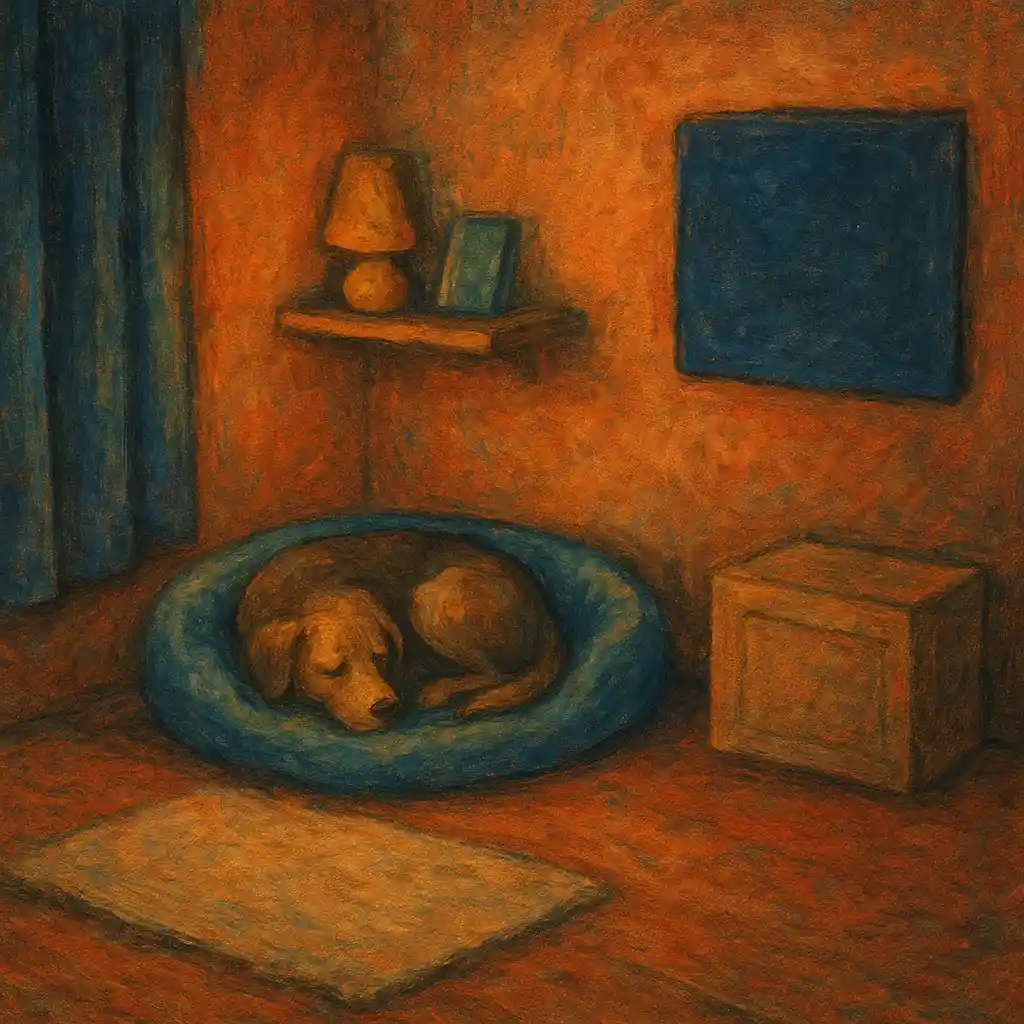
If your older dog shakes, hides, pants, or paces during storms, fireworks, or other loud sounds, you are not alone. Noise anxiety in dogs can be especially hard to watch in senior pets, because they may feel less able to cope than they did when they were younger. The good news is that a simple, steady plan can help. One of the most helpful steps is building a safe place for noise anxiety in dogs inside your home, so your dog has a calm spot to retreat to when the world feels too loud.
A safe place for noise anxiety in dogs is not about “spoiling” your dog. It is about giving them a predictable, quiet space where they can feel protected.
In this guide, you will learn how to choose the best location, how to set it up with five practical points, and how to make a clear do-not-disturb rule that everyone in the home can follow. The goal is simple: help your senior dog feel safe, supported, and more relaxed during noisy events.
Understanding Noise Anxiety in Dogs (and Why Seniors Often Struggle More)
Noise anxiety in dogs is a strong fear response to certain sounds. Common triggers include thunderstorms, fireworks, loud vehicles, construction noise, parties, and even household sounds like a vacuum or dropped objects. Some dogs are mildly uneasy, while others panic.
Senior dogs may become more sensitive for a few reasons. Aging can bring changes in hearing, vision, movement, and overall comfort. When a dog feels less steady in their body, sudden sounds can feel even more threatening. This is why building a safe place for noise anxiety in dogs is often a key part of caring for an older dog.
Common causes of noise anxiety in dogs
Noise anxiety can develop for different reasons, and sometimes it is a mix of factors. For many dogs, it is linked to past scary experiences with loud sounds. For others, it may appear more strongly with age.
- Storms and fireworks: Sudden booms, vibrations, and flashing light can feel unpredictable and scary.
- Household noise: Vacuums, blenders, loud TV, or banging doors can trigger stress.
- Environmental noise: Traffic, neighbors, or construction can create ongoing tension.
- Age-related sensitivity: Older dogs may react more strongly when they feel less secure.
Signs and symptoms to watch for in senior dogs
Every dog shows stress differently. Some signs are obvious, while others are easy to miss at first. During loud events, watch for:
- Trembling or shaking
- Hiding (under furniture, in closets, behind you)
- Pacing, restlessness, or inability to settle
- Heavy panting or drooling
- Clingy behavior or constant following
- Trying to escape (scratching doors, digging, pushing through gates)
Senior dogs can also show general changes that deserve attention, even outside noisy events. These may not be caused by noise anxiety, but they can affect how well your dog copes with stress.
- Changes in appetite or weight
- Decreased energy levels
- Increased thirst and urination
- Changes in behavior (confusion, disorientation, irritability)
- Mobility issues (stiffness, trouble standing, reluctance to climb stairs)
If you notice these changes, it is wise to talk with your veterinarian. Supporting your dog’s overall health can also support their emotional comfort.
How noise anxiety affects a senior dog’s well-being
When noise anxiety in dogs becomes frequent, it can affect quality of life. Stress can interrupt sleep, reduce appetite, and make a dog feel unsafe in their own home. Over time, your dog may start to worry even before the noise begins, especially if they have learned that certain seasons or times of day often bring loud sounds.
This is why a safe place for noise anxiety in dogs matters. It gives your senior dog a predictable option: a place where they can go and feel calmer, even if the noise outside cannot be controlled.
Choose the Best Location for a Safe Place for Noise Anxiety in Dogs
The location is the foundation. A great setup will not help much if the spot is loud, bright, or busy. When choosing a safe place for noise anxiety in dogs, aim for a space that feels naturally quiet and protected.
What to look for when selecting the location
- Lower noise levels: Pick a room or corner that is far from windows, exterior doors, and the loudest parts of the home.
- Low traffic: Avoid hallways and main walkways where people constantly pass by.
- Comfortable temperature and airflow: A stuffy space can increase discomfort. A drafty space can also be unpleasant.
- Soft lighting: Bright lights and flashing from outside can add stress during storms.
- Enough room to rest: Your dog should be able to lie down, turn around, and stretch comfortably.
Many dogs do well in a quiet bedroom, a closet with the door open, a corner of a living room away from windows, or a calm area under the stairs. The “best” location is often the place your dog already chooses when they feel unsure.
Accessibility and comfort for senior dogs
Senior dogs may have arthritis, stiffness, or reduced balance. Make sure the safe place is easy to reach. If your dog struggles with stairs, avoid putting the safe place upstairs if they spend most of their time downstairs (or the other way around). Also check the floor surface. Slippery floors can make anxiety worse because your dog may feel unstable.
Think of the safe place as a gentle retreat, not an obstacle course. The easier it is to use, the more likely your dog will choose it during stressful moments.
Set Up a Safe Place for Noise Anxiety in Dogs: The 5 Key Setup Points
Once you choose the location, it is time to build comfort and predictability. The best safe place for noise anxiety in dogs is simple, familiar, and consistent. Below are five setup points you can use as a checklist.
Setup Point 1: Create a den-like environment
Many dogs feel safer in spaces that feel enclosed, like a small “den.” This does not have to be a crate (though a crate can work well if your dog already likes it). You can create a den feel with a covered crate, a pet tent, or even a corner with furniture on two sides.
- Use a blanket to create a more enclosed feel (as long as airflow is still good).
- Keep the space cozy, not tight. Your dog should not feel trapped.
- Make sure your dog can enter and leave freely.
The goal is to help your dog feel protected, not confined.
Setup Point 2: Reduce noise with simple sound-blocking steps (if needed)
Sometimes, small changes make a big difference. If the noise is strong, consider basic sound-reducing steps around the safe place.
- Close curtains or blinds to reduce both sound and flashes of light.
- Add rugs or soft mats to absorb sound and reduce slipping.
- Use thicker curtains if you already have them available.
- Consider weather-stripping around doors and windows to reduce outside noise.
You can also add white noise or calming music near the safe place. This helps cover sudden booms and sharp sounds. Keep the volume gentle—just enough to soften the impact of outside noise.
Setup Point 3: Add familiar comfort items (bedding, toys, and scent)
Familiar items help your dog feel grounded. Provide:
- Cozy bedding: A supportive bed or thick blanket is especially helpful for older joints.
- Favorite toys: Choose calm toys your dog already enjoys.
- Your scent: A worn t-shirt or small blanket that smells like you can be comforting.
This is one of the simplest ways to make a safe place for noise anxiety in dogs feel like “their” space. Familiar scent and texture can lower stress because it signals safety and routine.
Setup Point 4: Make the space safe, stable, and senior-friendly
Safety matters more for older dogs, especially if they panic and move quickly. Check the area like you are “dog-proofing” it for a stressful moment.
- Remove small items your dog could chew or swallow when nervous.
- Make sure there are no cords within reach.
- Keep water nearby if possible, especially during long storms.
- Use non-slip mats if your dog’s paws slide on the floor.
- Keep lighting soft. Consider a small night light if your dog feels uneasy in the dark.
Also ensure the area has good ventilation. Fresh air and a comfortable temperature can help your dog settle more easily.
Setup Point 5: Maintain and update the safe place over time
A safe place is not “set it and forget it.” Check it regularly to keep it comfortable:
- Wash bedding when needed, but keep at least one item that still smells familiar.
- Replace worn bedding if it no longer supports your dog’s body well.
- Adjust the setup if your dog’s mobility changes.
- Keep the space clean and uncluttered so it stays easy to use.
As your dog ages, their needs may change. A well-maintained safe place for noise anxiety in dogs stays helpful for the long term.
Implement the Do-Not-Disturb Rule for a Safe Place for Noise Anxiety in Dogs
Even a perfect setup will not work if people keep interrupting it. The do-not-disturb rule is simple: when your dog is in their safe place, they are left alone unless there is a true emergency.
The do-not-disturb rule teaches your dog: “This space is always respected.” That predictability can reduce anxiety.
How to explain the rule to family and visitors
Be clear and kind. Tell everyone that the safe place is your dog’s quiet zone during noisy events. Explain that your dog is not being “antisocial”—they are coping.
- Ask people not to pet, talk to, or stare at your dog when they are in the safe place.
- Ask children to keep distance and avoid sudden movement near the area.
- If you have visitors during a noisy season, mention the rule early.
If it helps, place a small sign nearby to remind people. The goal is to reduce surprises and give your dog control over their space.
Set clear boundaries in homes with multiple pets
If you have other pets, the do-not-disturb rule can also include them. Some dogs feel more anxious if another pet walks in and out of their safe place.
- Use a baby gate or pet pen if needed to create a calm boundary.
- Keep high-energy play away from the safe place during noisy times.
- Make sure your senior dog can rest without being bothered.
This is not about punishment. It is about protecting a calm zone so your dog trusts it.
Help your dog connect the safe place with calm
Your dog learns through repetition. Encourage positive associations with the safe place when it is quiet outside, not only during storms.
- Offer a treat when your dog chooses to rest there.
- Give gentle praise for calm behavior in the space.
- Keep your own energy calm and steady.
One important note from the draft: avoid comforting your dog excessively in a way that increases panic. You can be present and supportive, but try to stay calm and consistent. Your dog often takes cues from you.
Practical Strategies to Use Inside the Safe Place for Noise Anxiety in Dogs
Once the safe place is built, you can add calming strategies that fit your dog’s personality. The goal is to make the space feel soothing and predictable.
Use white noise or calming music
White noise or gentle music can help soften sharp sounds. Place the sound source near the safe place, but keep the volume comfortable. Many dogs settle faster when sudden booms are less clear and less intense.
Try calming scents (when appropriate)
Some dogs respond well to calming scents. The draft mentions lavender, chamomile, and vanilla as examples people often consider. If you try scents, keep them mild and make sure the area stays well-ventilated. If your dog seems bothered by a smell, remove it.
Offer gentle calming activities
When your dog is willing, calm touch can help. Gentle grooming or a slow massage can be soothing for some senior dogs. Always follow your dog’s signals. If they pull away or seem more stressed, give them space and let them rest.
Use positive reinforcement to build confidence
Reward calm choices. If your dog goes to the safe place on their own, quietly reward that choice. If they lie down and relax, reward that calm behavior. Over time, your dog learns that the safe place is a good decision.
Interactive toys and puzzles (for the right dog)
Some senior dogs do better when they have a gentle mental task to focus on. Interactive toys and simple puzzles can provide mental stimulation and help redirect attention away from scary sounds. Choose easy, low-frustration options so the activity stays calming, not stressful.
Safety Tips for Managing Noise Anxiety in Dogs During Loud Events
A safe place helps most when you use it consistently. During fireworks nights or storms, plan ahead if possible.
Monitor your senior dog’s behavior during noisy events
Stay aware of your dog’s stress signals. If your dog is pacing or trying to escape, guide them calmly toward the safe place. Keep your voice steady. Try to avoid sudden movements or loud reactions, because that can add to the chaos.
Avoid triggers when you can
You cannot control every sound, but you can reduce exposure:
- Close windows and curtains during storms or fireworks.
- Keep the TV or white noise on at a steady level.
- Choose quieter rooms for your dog’s rest time.
Even small steps can make the safe place feel more effective.
Consult your veterinarian for support
If noise anxiety in dogs is severe, professional advice can be important. Your veterinarian can help you check for underlying issues and discuss options that fit your dog’s needs. This is especially important for senior dogs, because anxiety may be connected to age-related health changes.
Address Underlying Health Issues That Can Make Noise Anxiety in Dogs Worse
Senior dogs are not just “older versions” of their younger selves. Aging can bring real physical and mental changes that affect how safe they feel. If your dog’s noise anxiety is new or suddenly worse, consider a health check.
Recognize how age-related conditions can affect noise sensitivity
The draft highlights that age-related conditions like hearing loss or cognitive decline may contribute to noise sensitivity. When a dog’s senses or thinking patterns change, loud sounds can feel more confusing and harder to handle.
Seek medical evaluation when needed
If you notice major changes in behavior, appetite, sleep, or mobility, talk with your veterinarian. Supporting your dog’s physical comfort can support their emotional comfort too. A safe place for noise anxiety in dogs works best when your dog also feels as well as possible in their body.
Long-Term Management: Make the Safe Place for Noise Anxiety in Dogs Part of Daily Life
Noise anxiety is often not solved in one day. Long-term success usually comes from consistency. The safe place should feel normal, not like an emergency shelter you only use when something scary happens.
Create a consistent routine and calm environment
Routine helps dogs feel safe. Keep feeding times, walks, and rest times as steady as you can. Encourage regular use of the safe place by making it comfortable every day, not only during storms.
Use gentle behavior modification (desensitization) when possible
The draft mentions playing recordings of triggers at a low volume while pairing them with positive activities, then slowly increasing volume over time. If you try this, go slowly and keep sessions short. The goal is to build comfort, not to test your dog’s limits.
Monitor progress and adjust your approach
Pay attention to what helps most. Some dogs prefer a darker den-like space. Others do better with music. Some need more distance from windows. Adjust the setup points as you learn what your dog responds to.
Real-Life Examples of a Safe Place for Noise Anxiety in Dogs
You do not need a fancy setup for this to work. Here are a few practical examples based on the ideas in the draft.
Example 1: A quiet bedroom corner setup
- Location: a bedroom corner away from windows
- Setup: supportive bed, blanket, a favorite toy, and a t-shirt with your scent
- Sound: white noise or calm music
- Rule: family agrees the corner is a do-not-disturb zone during storms
This is a simple and effective safe place for noise anxiety in dogs, especially for senior dogs who already like sleeping near their people.
Example 2: A household with multiple pets using a clear boundary
- Location: a low-traffic room or living room corner
- Setup: bed, water nearby, familiar items
- Boundary: baby gate or pet pen to prevent other pets from disturbing the area
- Rule: visitors and family do not approach the space when the dog is inside
This approach supports calm and reduces surprise interactions, which can be stressful during loud events.
Conclusion: A Calm Sanctuary Can Change Everything
Noise anxiety in dogs can be stressful for the whole family, but a thoughtful plan can help your senior dog feel safer. By choosing a quiet location, following the five setup points, and enforcing a clear do-not-disturb rule, you build a safe place for noise anxiety in dogs that your dog can trust. Over time, that trust can mean less panic, more rest, and a better quality of life.
If you want more support for your senior dog’s comfort at home, explore our other senior-dog care guides and create a simple routine you can stick to all year.