A heat emergency can happen fast, especially for seniors walking a dog on a hot day. A cool-down kit for dogs helps you act quickly when your dog starts panting hard, slowing down, drooling more than usual, or refusing to move. If you are a senior pet owner, this simple pack can protect both you and your dog during summer heat, errands, car rides, and outdoor walks.
A cool-down kit for dogs is not about comfort only—it is a practical emergency plan you can carry.
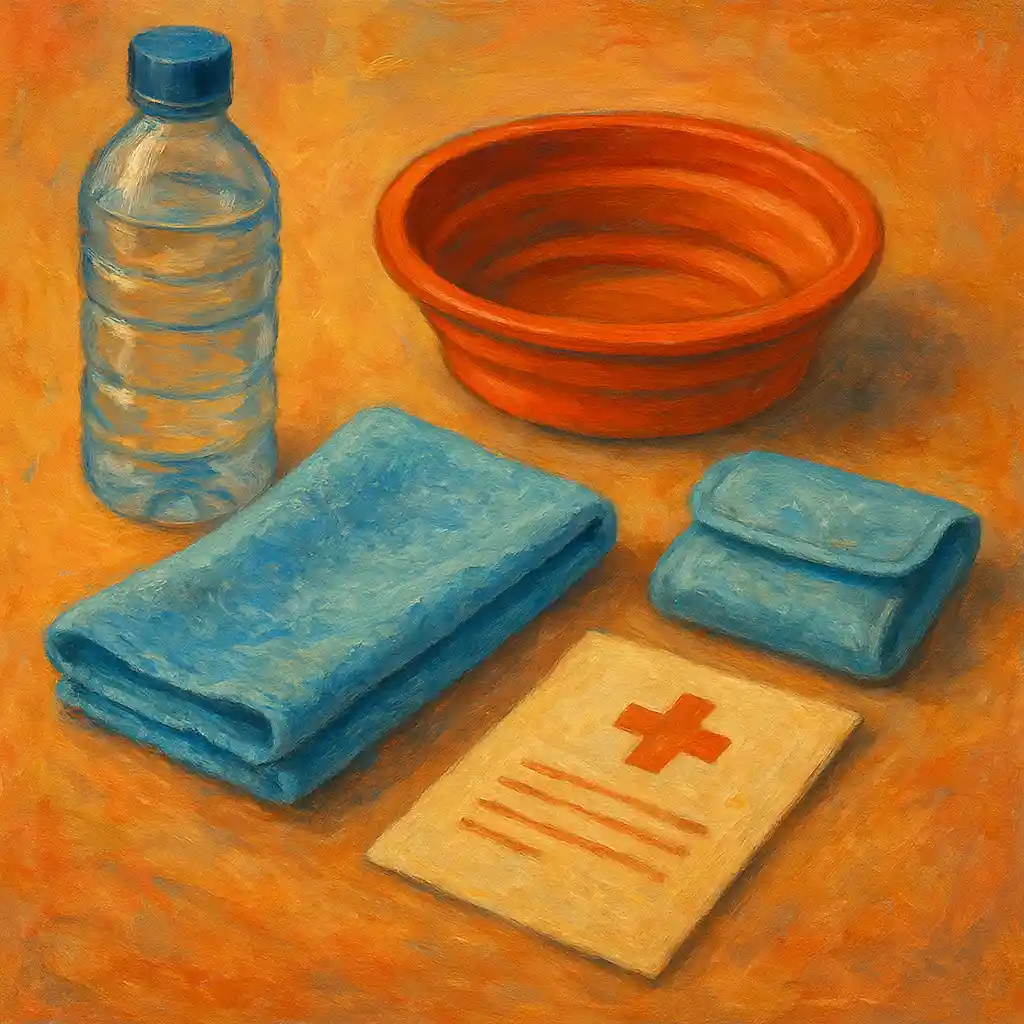
In this guide, you will learn what a heat emergency looks like, why dogs are at higher risk than humans, and how to build a cool-down kit for dogs with the most important items: water, a foldable bowl, a cool towel, clinic address details, and a transport plan. You will also get clear tips for seniors on staying safe and prepared.
Why a cool-down kit for dogs matters in hot weather
Imagine a common situation: you go for a “quick” walk with your dog. The sun feels stronger than you expected. The sidewalk is hot. Your dog starts to pant more and more, pulls toward shade, or sits down and refuses to continue. You may also feel tired or dizzy yourself. In this moment, a cool-down kit for dogs gives you immediate tools to lower your dog’s temperature and decide your next steps calmly.
Seniors and older dogs can be more sensitive to heat. Seniors may have health concerns that make heat harder to handle, and older dogs may not recover as fast as younger dogs. A prepared kit reduces stress because you do not need to “figure it out” while your dog is struggling.
Understanding heat emergencies in dogs (heat exhaustion vs. heatstroke)
Heat problems in dogs can start small and become serious quickly. Knowing the difference between heat exhaustion and heatstroke can help you act early.
Why dogs overheat more easily than humans
Dogs do not sweat like humans. They mainly cool down by panting, which is not as effective as sweating for lowering body temperature. Dogs also have fur that can trap heat. Some dogs, especially short-muzzled (flat-faced) breeds like pugs and bulldogs, can have a harder time breathing and cooling down in hot weather. This makes them more likely to overheat.
Common signs of heat exhaustion in dogs
Heat exhaustion can look like “my dog is just tired,” but it is important to take it seriously. Watch for:
- Heavy panting that does not slow down
- Drooling more than normal
- Weakness or slowing down on walks
- Seeking shade or refusing to move
- Vomiting or diarrhea
- Rapid heartbeat
Common signs of heatstroke in dogs
Heatstroke is a life-threatening emergency. Signs can include:
- Confusion or unusual behavior
- Seizures
- Collapsing
If you suspect heatstroke, the safest choice is to start cooling your dog and get veterinary help as fast as possible.
Why proactive prevention is so important
The best time to act is before your dog becomes distressed. A cool-down kit for dogs supports prevention and quick response. It also helps seniors feel more confident when leaving home with a dog during warm months.
Cool-down kit for dogs essentials: what to pack and why
A good cool-down kit for dogs is simple. You do not need fancy gear. You need the right basics, packed in a way that is easy to reach. Below are the core items from the draft—water, foldable bowl, cool towel, clinic address, and a transport plan—plus a few helpful add-ons that were also mentioned.
Cool-down kit for dogs: Water (the first and most important item)
Water is the foundation of your cool-down kit for dogs. Hydration supports normal body functions and helps your dog cool down through panting. In hot weather, dehydration can happen faster than people expect.
Why hydration matters so much in heat
When dogs are hot, they pant more. Panting uses body moisture. If your dog does not drink enough, dehydration can add to the heat problem. Fresh water is also important for seniors, because dehydration can affect energy, balance, and focus.
Tips for carrying enough water
- Carry water for both of you: plan for your needs and your dog’s needs.
- Use a dedicated bottle: some people prefer one bottle for the dog and one for themselves.
- For longer outings: consider a hydration backpack or bring extra bottles.
- Keep it cooler: freezing a bottle the night before can give you cold water as it melts during the day.
- Offer water often: small drinks during breaks can be easier than waiting until your dog is very thirsty.
You can also bring water-rich snacks for your dog, such as small pieces of watermelon or cucumber, as mentioned in the draft. (Only offer foods your dog tolerates well.)
Cool-down kit for dogs: Foldable bowl for quick drinks anywhere
A foldable, portable bowl is one of the easiest upgrades you can make. It supports on-the-go hydration without needing to find a public water fountain or use your hands. In a heat emergency, it saves time.
Benefits of a foldable bowl
- Fast hydration breaks: stop, pour, and let your dog drink.
- Lightweight and compact: fits in a pocket, small bag, or clips to a leash.
- Reusable: easy to rinse and use again.
Features to look for in a good foldable bowl
- Compact design that folds down small
- Durable, waterproof material that will not leak
- Easy to clean by hand or in the dishwasher (if allowed)
- Right size for your dog’s breed and drinking habits
- Lightweight portability for seniors who want to carry less
Keep the bowl in the same pocket of your bag every time. In a stressful moment, you do not want to search for it.
Cool-down kit for dogs: Cool towel for fast cooling support
A cool towel is a simple tool that can help lower your dog’s body temperature. It is also useful for seniors, because you can use it for yourself if you start to feel overheated.
How a cool towel helps a dog cool down
A towel soaked in cool water can remove heat from the body. It can be especially helpful on areas like the neck and paw pads, where cooling can feel more effective. Dogs cool down mainly through panting and through their paw pads, so a cool towel can support the body’s natural cooling process.
How to use a cool towel effectively
- Soak the towel in cool water (cool, not hot).
- Wring out excess water so it is damp, not dripping.
- Place it around your dog’s neck or gently over the body.
- Re-wet as needed to keep the towel cool.
- Watch your dog’s comfort and remove it if your dog seems stressed or restless.
Keep the towel in an easy-to-open plastic bag inside your cool-down kit for dogs, so it stays clean and ready.
Cool-down kit for dogs: Clinic address and emergency contact details
In a true heat emergency, cooling your dog is only part of the plan. You also need to know where to go and who to call. Seniors benefit from having this information written down, even if it is saved in a phone, because stress can make it hard to remember details.
Why quick access to a clinic matters
When a dog is in distress, every minute can count. Having the clinic address and phone number ready can reduce panic and speed up decision-making. It also helps if someone else needs to drive you, because they can follow the address without confusion.
What to include in your clinic info card
- Name of your regular veterinary clinic
- Clinic phone number
- Clinic full address
- Nearest emergency animal hospital (if different)
- A second backup clinic option
Tips for finding a reliable clinic nearby
- Ask friends, family, or neighbors for recommendations.
- Check online reviews to learn about other pet owners’ experiences.
- Visit the clinic to see if it looks clean, organized, and welcoming.
- Ask about veterinarian experience and services offered, including emergency care.
- Choose a convenient location and hours so it is realistic for you to use.
Try this: save the clinic number in your phone and keep a paper card in your cool-down kit for dogs.
Cool-down kit for dogs: Transport plan for heat emergencies
A transport plan means you already know how you will get your dog to a cooler place or to a clinic. This is especially important for seniors, because it reduces physical strain and last-minute decision pressure.
Why transportation planning is part of heat safety
Heat emergencies can happen during a walk, at a park, or even at home during a heatwave. If your dog’s condition is worsening, you may need to leave quickly. A transport plan helps you avoid delays.
Simple transport plan ideas that work for seniors
- Plan your route: know the fastest way home and the fastest way to the clinic.
- Identify help: choose a trusted friend, neighbor, or family member you can call.
- Know pet-friendly options: if evacuation is needed (fire, flood), have a list of pet-friendly shelters or safe locations.
- Keep clear instructions: write down steps in large, easy-to-read text.
- Keep contact numbers ready: include your emergency contact list in the kit.
If you use rideshare services or community transport, consider writing down how to request help and what to say, so you can do it quickly under stress.
Helpful add-ons to include in a cool-down kit for dogs (optional but useful)
The core cool-down kit for dogs can be small, but a few extra items can make it stronger. These add-ons were also mentioned in the draft and can be included if they fit your routine:
- Dog booties to protect paws from hot pavement
- Paw protection wax as another option for hot surfaces
- Umbrella or sun hat to create shade
- Cooling bandana, vest, or cooling mat for extra temperature support
- Portable fan for airflow during breaks
- Spray bottle to mist your dog lightly
- Frozen treats or ice cubes for a refreshing break
- Basic first aid supplies like bandages, antiseptic wipes, and tweezers
- Dog-safe sunscreen (especially helpful for dogs with light fur or sensitive skin)
Keep your kit light enough to carry comfortably. The best kit is the one you will actually bring with you.
How to assemble and organize your cool-down kit for dogs
Organization matters. In a heat emergency, you want to reach water and the towel in seconds.
Choose the right bag
- Pick a small, lightweight bag that is easy for seniors to carry.
- An insulated bag can help keep water cooler.
- Use a bag with simple zippers and a wide opening.
Pack in “use order”
Place the most urgent items on top:
- Water
- Foldable bowl
- Cool towel (in a clean bag)
- Clinic address card and emergency contacts
- Transport plan notes
Keep it accessible
Store your cool-down kit for dogs near the door, in a consistent spot, so you can grab it before a walk. If you drive with your dog, consider keeping a second kit in the car (but remember that cars can get very hot, so do not store items that can be damaged by heat).
Customize the kit for your dog’s breed and size
Different dogs have different needs. Adjust the kit based on:
- Breed heat tolerance: flat-faced breeds often need extra caution.
- Body size: larger dogs may need more water and a larger towel.
- Coat type: thick coats can trap heat; cooling items may be more helpful.
If you are unsure what is best, ask your veterinarian for recommendations for your dog’s breed and age.
Everyday heat safety tips for seniors using a cool-down kit for dogs
A cool-down kit for dogs works best when it is paired with smart daily habits. These habits reduce the chance of overheating in the first place.
Choose safer walking times
- Walk in the early morning or late evening when temperatures are cooler.
- Avoid the hottest hours, often 10 a.m. to 4 p.m.
- Keep walks shorter and slower during heat.
Pick shady routes
- Look for tree-lined streets or paths with shade from buildings.
- Plan routes with benches or places to rest.
- Consider using a map app with satellite view to spot shaded areas.
Check the pavement
Hot pavement can burn paws. Test the ground with your hand. If it feels too hot for you, it may be too hot for your dog.
Monitor your dog for early distress signs
Pay attention to changes in behavior. If your dog suddenly slows down, pants heavily, drools, or seems weak, stop and use your cool-down kit for dogs right away. Early action is safer than waiting.
Never leave a dog in a parked car
Even with windows cracked, a car can heat up quickly. This can create a dangerous situation in minutes.
Safety advice for seniors: protecting your health while helping your dog
Seniors often focus on the dog and forget their own safety. But your health is part of your dog’s safety, too—if you become dizzy or weak, it is harder to help your pet.
Tips for seniors to stay cool and hydrated outdoors
- Drink water regularly and bring enough for yourself.
- Wear sun protection like a hat and sunscreen.
- Take breaks in shade and avoid pushing through fatigue.
- Plan shorter outings during heatwaves.
Think of your cool-down kit for dogs as a shared safety kit: it supports your dog, and it supports you in staying calm and capable.
Real-life style examples: how being prepared helps in a heat emergency
Many seniors find that a cool-down kit for dogs changes how they handle hot days. The positive outcomes are clear: faster response, less panic, and better comfort for the dog.
A few simple scenarios where the kit makes a difference
- During a walk: your dog starts panting heavily. You stop, offer water in the foldable bowl, and apply the cool towel while you rest in shade.
- At the park: your dog keeps playing and gets too hot. You use water, offer a cool-down break, and decide to head home earlier.
- During a heatwave: your dog seems lethargic at home. You cool them with the towel and already have clinic contact details ready if symptoms worsen.
Preparedness also builds confidence. When you know what to do, you are more likely to take quick action instead of hoping the problem goes away.
Maintaining and replenishing your cool-down kit for dogs
A cool-down kit for dogs only works if it is ready. Make kit maintenance part of your routine.
Simple maintenance checklist
- Check expiration dates on any supplies that expire (such as certain first aid items).
- Replace used items immediately after an outing or emergency.
- Wash and dry reusable items like the foldable bowl and towel.
- Restock water before each walk, especially on hot days.
- Update your clinic address card if phone numbers or locations change.
Try this: set a monthly reminder on your phone to check the kit in five minutes.
Additional resources for pet heat safety
If you want more help learning about heat safety, you can use reputable organizations and professional advice. The draft mentioned these options:
- ASPCA resources on hot weather safety and signs of heatstroke
- The Humane Society of the United States guidance on protecting pets in extreme heat
- Pet Poison Helpline for 24/7 support in urgent situations
- Your local veterinarian for advice tailored to your dog’s age, breed, and health
The draft also suggested learning resources like articles, books, and online courses focused on pet care in extreme weather. If you enjoy learning, ask your vet for recommendations that match your dog’s needs and your local climate.
Conclusion: build your cool-down kit for dogs before the next hot day
Heat emergencies are scary, but they are also manageable when you prepare. A cool-down kit for dogs with water, a foldable bowl, a cool towel, clinic address details, and a transport plan can help you respond fast and protect your dog during hot weather.
If you have not already, assemble your kit today and place it by the door so it is always ready. Then explore more practical pet-safety guides in our site to help you and your dog enjoy summer with confidence.