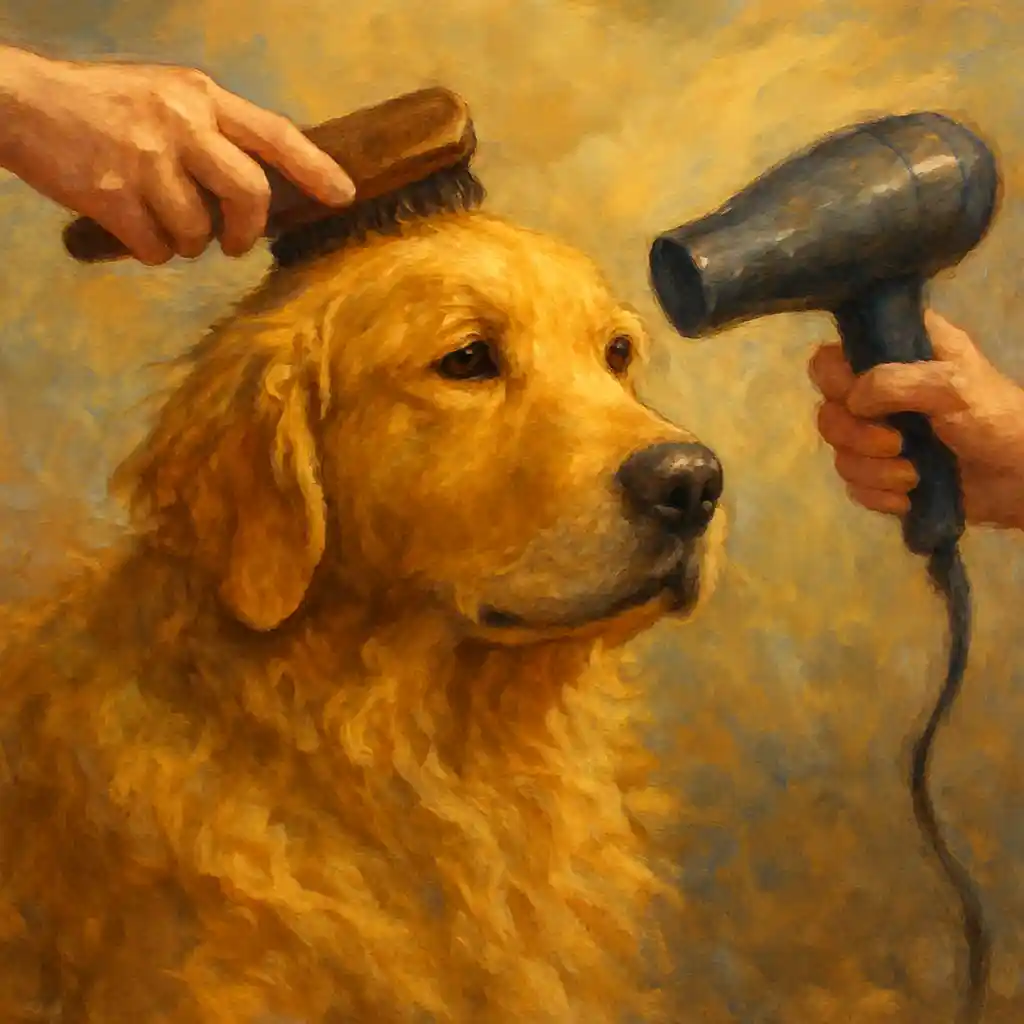
Golden retriever hot spot prevention is much easier than treating a painful, itchy patch once it starts. If you share life with a senior Golden, you probably know how quickly a small skin problem can become a big one—especially after swimming, a bath, or a rainy walk. The good news is that a simple routine can help a lot: steady grooming, drying your dog fully after wet activities, and monitoring the skin often for early warning signs.
Most hot spots get worse fast. The best plan is to prevent them by keeping the coat clean, dry, and easy to inspect.
This guide focuses on practical, senior-friendly care. It keeps the goal simple: help your Golden stay comfortable, clean, and calm in their golden years.
Understanding Hot Spots (and Why Golden Retriever Hot Spot Prevention Matters)
Hot spots, also called acute moist dermatitis, are red, irritated, moist areas on the skin. They can look inflamed and may seem painful or very itchy. Many dogs lick, chew, or scratch the area, which makes it worse.
For senior dogs, hot spots can feel even harder because older dogs may have more sensitive skin, slower healing, and a thicker coat that traps moisture. That is why golden retriever hot spot prevention is not just “nice to do”—it can protect your dog’s comfort every day.
What hot spots look like
Hot spots can appear suddenly. You might notice:
- Red, inflamed skin under the fur
- Moist or “wet” patches of hair
- Hair loss in a small area
- Frequent licking, chewing, or scratching in one spot
- A strong smell coming from the coat or skin
Common causes of hot spots in senior dogs
Hot spots can have different triggers, but the draft highlights a few common ones, especially for older Goldens:
- Moisture trapped in the coat after swimming, baths, or rain
- Poor grooming or matting, which blocks air flow and holds dampness close to the skin
- Skin sensitivities that may increase with age
- Scratching or licking that irritates the skin and creates a cycle
Why Golden Retrievers are prone to hot spots
Golden retrievers have thick, fluffy double coats. This coat is beautiful, but it can trap water and humidity close to the skin. If the coat is damp for too long—especially in hidden places like behind the ears or under the belly—irritation can start. Senior Goldens may also have more sensitive skin, which makes golden retriever hot spot prevention even more important.
Golden Retriever Hot Spot Prevention with Grooming (Your First Line of Defense)
Grooming is not only about looking good. For golden retriever hot spot prevention, grooming is about keeping the coat open, clean, and easy to dry. It also gives you a chance to spot problems early.
Regular brushing and combing (and why it helps)
Regular brushing helps remove loose fur and prevents mats. Mats trap moisture and reduce air circulation. They can also hide redness, scabs, or sore areas until the hot spot is already serious.
If your senior Golden gets tangled easily, gentle daily brushing can be better than a long grooming session once a week. It can be calmer for older dogs and easier on sore joints.
- Brush often to prevent tangles and mats.
- Part the fur during brushing so you can see the skin.
- Go slowly in sensitive areas like the belly, armpits, and behind the ears.
Bathing frequency and choosing gentle products
Baths can help keep the coat clean, but too many baths can dry out the skin by stripping natural oils. The draft suggests a balanced approach: many owners aim for about once every 4–6 weeks, unless the dog gets especially dirty or smelly.
For golden retriever hot spot prevention, the product choice matters too. Many senior dogs do best with a gentle, vet-approved shampoo, especially if they have sensitive skin. The draft mentions soothing ingredients like oatmeal or aloe vera, which are commonly used in gentle formulas.
- Use a gentle, vet-approved shampoo.
- Rinse very well so no product stays in the coat.
- Do not bathe too often if your dog’s skin gets dry or itchy.
Trimming fur around hot spot-prone areas
Some areas are more likely to stay damp or get matted. Keeping the fur a bit shorter there can improve air flow and make drying easier. This can be helpful for golden retriever hot spot prevention, especially for seniors who may not groom themselves as well.
Common areas to watch:
- Behind the ears
- Under the armpits
- Under the belly
- Around the tail area
- Between the toes (where moisture can stay after walks)
If you are not comfortable trimming, a professional groomer can help. The main goal is not a short haircut—it is better airflow and less trapped moisture.
Choosing the right grooming tools for a senior Golden
The right tools can make grooming safer and more comfortable for an older dog. The draft recommends a slicker brush with soft bristles to gently remove tangles and loose fur. A comfortable routine helps you stay consistent, which is key for golden retriever hot spot prevention.
- Slicker brush (soft) for gentle de-shedding and tangles
- Comb to check for hidden mats close to the skin
- Dog-safe towels for drying after wet activities
Golden Retriever Hot Spot Prevention: Dry After Wet Activities (Do Not Skip This Step)
Drying is one of the biggest steps in golden retriever hot spot prevention. Moisture trapped in the coat creates the perfect environment for irritation. Senior dogs may also take longer to dry naturally, especially with a thick coat.
Why thorough drying matters
Drying your dog is not only about comfort. It helps prevent moisture from sitting on the skin. The draft explains that damp fur can lead to hot spots because bacteria can thrive in warm, wet areas.
Drying time is also a good time to check your dog’s body. You can gently feel for bumps, tender spots, or areas your dog reacts to.
Towel drying vs. blow drying
Both methods can work, and many owners use a mix of both.
Towel drying is quiet and gentle, which can be better for seniors who dislike noise. It removes a lot of water, but it may not fully dry a thick Golden coat.
Blow drying can be faster and more complete, especially for thick fur. The draft recommends a low, cool setting and keeping the dryer moving to avoid overheating the skin.
- Start with towel drying to remove excess water.
- Use blow drying on low/cool if your dog tolerates it.
- Never hold heat in one spot; keep air moving.
Tips for drying long fur effectively
Long fur can stay damp near the skin even when the top feels dry. For golden retriever hot spot prevention, focus on the places where water hides.
- Pat, don’t rub with a towel to reduce tangles.
- Brush while drying to separate the coat and help air reach the skin.
- Pay extra attention to paws, armpits, belly, ears, and tail area.
- After drying, part the fur in a few areas to confirm the skin is dry.
Using dog-safe drying products
The draft suggests using dog-specific towels or dryers with adjustable settings. The main safety points are simple: avoid harsh chemicals, avoid overheating, and dry the “hidden” areas well.
If you use any product on the coat after drying, choose a dog-safe option and check with your vet if your dog has sensitive skin.
Golden Retriever Hot Spot Prevention Through Monitoring (Catch Problems Early)
Even with great grooming and drying, hot spots can still happen. That is why monitoring is the third part of golden retriever hot spot prevention. When you catch irritation early, you can often stop it from getting worse.
Signs of hot spots to watch for
Watch for changes in your dog’s skin and behavior, especially:
- Redness under the coat
- Swelling or warmth in one area
- Constant licking, chewing, or scratching
- Hair loss in a small patch
- Moist skin or a “wet” look
If you see these signs, it is smart to contact your veterinarian. Hot spots can spread quickly.
Creating a simple daily and weekly monitoring routine
A routine makes monitoring easy, not stressful. Keep it short and calm.
Daily quick check (1–2 minutes)
- Look at ears, neck, and chest area
- Check if your dog is licking one spot more than usual
- Feel for dampness after walks or outdoor time
Weekly deeper check (5–10 minutes)
- Part the fur in several places to see the skin
- Check armpits, belly, tail area, and between toes
- Brush and look for mats that could trap moisture
Keeping a hot spot journal
The draft suggests keeping a hot spot journal, and it can be very helpful for senior dogs. You can track patterns like weather, grooming changes, bathing days, or times when your dog seems itchier.
What to write down:
- Date and location of any redness or irritation
- What happened recently (bath, swim, rainy walk, grooming)
- Any new product used (shampoo, spray, bedding detergent)
- How often your dog licked or scratched
This information can help you and your vet make better choices for golden retriever hot spot prevention.
Regular vet check-ups for early detection
Regular vet visits matter for senior dogs. A veterinarian can spot early skin issues, discuss allergies or sensitivities, and guide you on safe products. If your Golden has recurring hot spots, routine check-ups can help you stay ahead of the problem.
Diet and Nutrition Support for Golden Retriever Hot Spot Prevention
Food and hydration support the skin from the inside. While grooming and drying are the biggest daily steps, nutrition can help your dog’s skin stay stronger and less reactive.
Why a balanced diet supports skin health
The draft explains that good nutrition supports healthy skin and a shiny coat. A balanced diet can reduce dryness and help the skin barrier work better. If your dog has sensitivities, your vet can guide you toward the best option.
- Support a healthy skin barrier
- Help the coat stay strong and less likely to mat
- Support overall health, especially in senior years
Recommended nutrients for senior Golden Retrievers
The draft lists several nutrients often discussed for seniors:
- Protein to help maintain muscle mass and energy
- Omega-3 fatty acids to support coat shine and help with inflammation
- Glucosamine and chondroitin to support joint health and mobility
- Antioxidants to support the immune system
Always talk to your veterinarian before changing your dog’s diet or adding supplements, especially for senior dogs.
Foods to avoid if your dog seems sensitive
Some dogs have food sensitivities that can show up as itchy skin. The draft mentions common triggers that some owners choose to avoid when working on golden retriever hot spot prevention:
- Grains like wheat and corn (for dogs that react to them)
- Foods with artificial additives and preservatives
- Dairy products (for dogs that do not tolerate them)
- Certain proteins like beef or chicken (if your dog is sensitive)
If you suspect food is part of the issue, your vet can help you choose a safe plan.
Exercise and Mental Stimulation (A Hidden Part of Golden Retriever Hot Spot Prevention)
Exercise and mental stimulation matter because boredom and stress can lead to more licking and scratching. For some dogs, that extra licking is what turns mild irritation into a real hot spot.
How exercise can affect skin health
The draft explains that movement supports overall health. For senior dogs, steady exercise can help keep routines stable and reduce stress behaviors. It also helps with weight management, which can make grooming and skin checks easier.
Suitable exercise routines for senior Golden Retrievers
Senior Goldens often do best with low-impact activity. The draft mentions gentle walks and swimming. If your dog swims, remember the “dry after wet” rule—drying is a key part of golden retriever hot spot prevention.
- Short, gentle walks on a regular schedule
- Swimming (if your dog enjoys it) with thorough drying afterward
- Light play that does not stress joints
Mental stimulation to reduce licking and scratching
The draft suggests interactive toys, puzzle feeders, and short training sessions. These can keep your dog busy and reduce habits like constant licking. A calmer dog often has fewer skin problems.
- Puzzle feeders during mealtimes
- Simple training refreshers (sit, stay, touch)
- New walking routes for fresh smells and interest
Environmental Factors That Support Golden Retriever Hot Spot Prevention
Your home environment can affect your dog’s skin. Small changes can make grooming easier and reduce irritation triggers.
Allergens in the environment
Environmental allergens like pollen, dust mites, and mold can make some dogs itchier. The draft recommends practical steps like regular grooming to remove allergens from the coat and monitoring your dog’s skin for changes.
- Brush after outdoor time to remove pollen and debris
- Dry thoroughly after wet weather (rain can bring allergens too)
- Watch for seasonal patterns in itching
Temperature and humidity control
Heat and humidity can make hot spots more likely, especially for thick-coated dogs. The draft highlights how senior Goldens can overheat more easily. Keeping your home cool and your dog hydrated supports golden retriever hot spot prevention.
- Provide fresh water at all times
- Offer shade outdoors
- Use fans or air conditioning on very hot days
Choosing the right bedding materials
Senior dogs need comfortable bedding, especially if they have joint pain. The draft recommends supportive options like memory foam or orthopedic beds. Clean bedding also supports skin health by reducing irritation and keeping the resting area dry and hygienic.
- Choose supportive, easy-to-clean bedding
- Wash bedding regularly to reduce allergens and bacteria
- Keep bedding dry, especially in humid seasons
Home Support for Minor Irritation (Not a Replacement for Vet Care)
Golden retriever hot spot prevention is the goal, but sometimes you may see mild irritation starting. The draft mentions a few home options owners often use for soothing, plus the important reminder to consult your vet, especially for seniors.
If a spot looks infected, wet, very red, or painful, contact your veterinarian. Hot spots can spread quickly and may need medical treatment.
Aloe vera for soothing irritated skin
The draft suggests aloe vera as a soothing option due to its cooling properties. If you use it, choose a pure, natural product without added fragrance or harsh ingredients, and avoid applying it to open wounds. Monitor your dog’s reaction and talk to your vet if the irritation continues.
Oatmeal baths for itch relief
Oatmeal baths are mentioned as a gentle way to calm itchy skin. If you try this, remember the most important step afterward: dry your Golden completely. A soothing bath is not helpful if moisture stays trapped in the coat.
Apple cider vinegar as a natural antiseptic
The draft mentions diluted apple cider vinegar as a natural antiseptic some owners try. Always consult your vet before using new treatments, especially on senior skin. If your dog’s skin is already raw or very irritated, some products can sting or worsen discomfort.
Safety Precautions for Hot Spot Care (What to Avoid)
When you are trying to help your dog feel better, it is easy to try many products quickly. The draft strongly points to a safer approach: avoid harsh chemicals, be cautious with home remedies, and involve your veterinarian when needed.
Avoid harsh chemicals on your dog’s skin
Senior skin can be sensitive. The draft recommends gentle, dog-specific grooming products and careful rinsing. Strong or harsh products can irritate the skin and may increase scratching—making hot spots more likely.
Consult your vet before trying home remedies
Home remedies can sound simple, but your vet can help you avoid risks and choose the safest plan. This is especially important if hot spots keep returning, or if your dog has allergies, sensitive skin, or other health conditions.
Prevent licking and scratching from making a spot worse
Licking and scratching can turn a small irritation into a serious hot spot. The draft suggests redirecting your dog with toys or treats and asking your vet about vet-approved anti-itch sprays or creams for minor irritations. The key is to act early and keep the area dry and protected.
Real-Life Examples: Golden Retriever Hot Spot Prevention That Worked
The draft includes two simple success stories that show how small habits can lead to big improvements.
Story 1: Regular grooming helped Max stop recurring hot spots
Max, a senior Golden, had recurring hot spots. His owner focused on regular grooming: brushing to prevent matting, trimming fur to improve airflow, and drying thoroughly after wet activities. They also monitored his skin often to catch early redness. With this consistent routine, Max had fewer problems and more comfort.
Story 2: Monitoring helped catch issues early in a senior dog
Another key example in the draft is the power of monitoring. By checking the skin regularly—especially after baths or swims—an owner could spot irritation early. Early action helped prevent a small problem from becoming a painful hot spot.
Golden Retriever Hot Spot Prevention Checklist (Groom, Dry After Wet, Monitor)
If you want a simple plan you can follow, use this checklist as a daily and weekly guide for golden retriever hot spot prevention.
Daily
- Quick look for redness, damp fur, or extra licking
- Dry paws and belly after wet grass or rain
- Fresh water available all day
After any wet activity
- Towel dry first, focusing on paws, ears, armpits, belly, and tail area
- Blow dry on low/cool if needed, keeping the air moving
- Part the fur in a few places to confirm the skin is dry
Weekly
- Full brush-out to prevent mats and improve air flow
- Skin check with fur parted in several spots
- Note any patterns in a simple journal
Conclusion: Keep Your Senior Golden Comfortable with Simple Prevention
Golden retriever hot spot prevention does not need to be complicated. The most helpful habits are also the simplest: groom regularly, dry your Golden fully after wet activities, and monitor the skin so you can act early. If you want to make this easier, create a weekly grooming schedule and keep it consistent. For more senior Golden care tips, explore our other guides and build a routine that helps your best friend stay comfortable year-round.