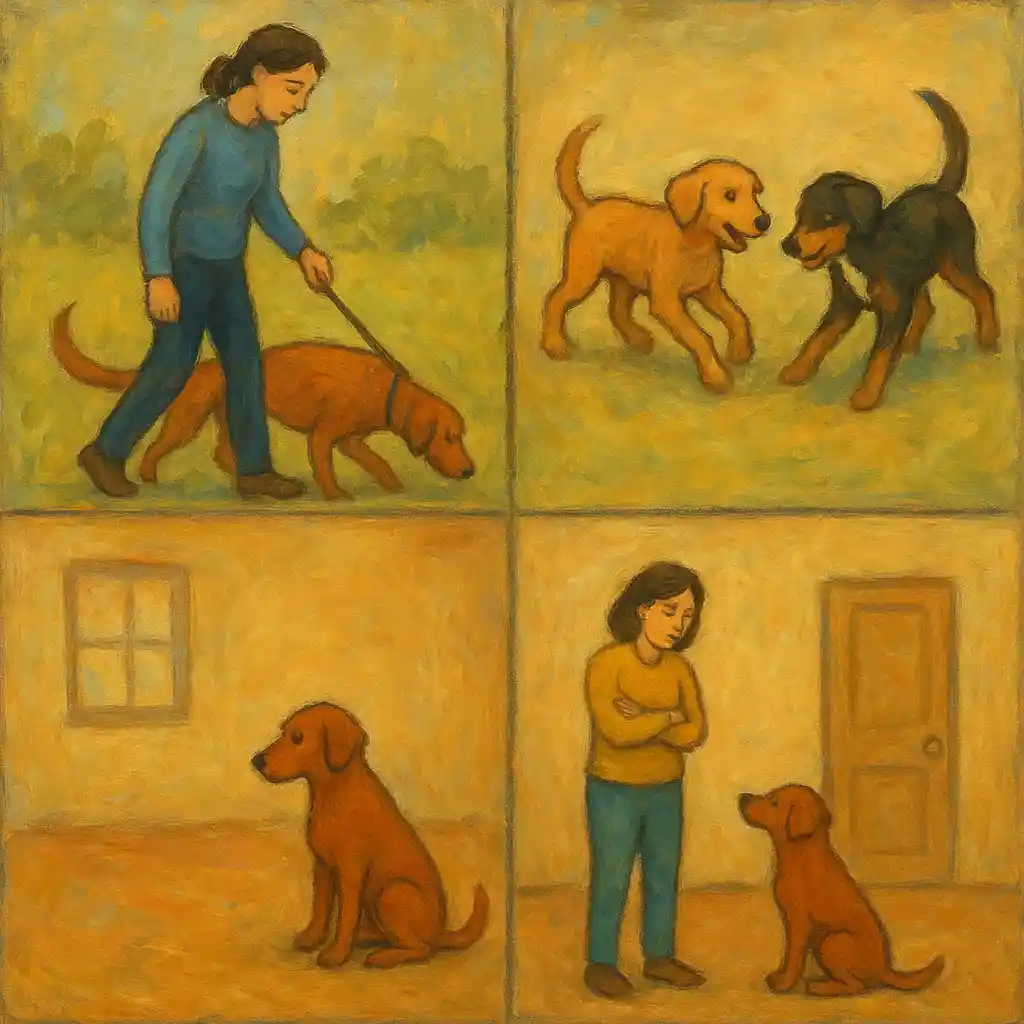
If you feel frustrated by a crowded dog meadow, you are not alone. Many seniors love being outdoors with their dogs, but a busy off-leash area can feel loud, stressful, and hard to control. The good news is that there are simple dog meadow alternatives that still give your dog exercise, fun, and mental stimulation—without the chaos.
Imagine arriving at the dog meadow, ready for a peaceful walk, and finding too many dogs running at full speed. Some dogs play nicely, but others jump, bark, or rush up too fast. For seniors, this can feel unsafe. For many dogs, it can also feel overwhelming. This post shares three calm, practical dog meadow alternatives you can try right away: a sniff walk, a play date, and indoor hall activities. You will also learn helpful ground rules and safety tips, so you can enjoy your time together with more confidence.
You and your dog do not need a crowded dog meadow to have a happy, active life.
Why Dog Meadow Alternatives Matter (Especially for Seniors)
A dog meadow can be fun on a quiet day. But when it gets crowded, it can create problems for both people and dogs. Understanding these challenges helps you choose the right dog meadow alternatives for your lifestyle.
Overcrowding can turn a relaxing outing into stress
Overcrowding is one of the biggest reasons people stop enjoying the dog meadow. When there are too many dogs in one space, it is harder to walk спокойно, talk with others, or simply breathe and enjoy nature. Dogs may also become over-excited, which can lead to rough play or barking.
Safety concerns for seniors and their dogs
Seniors may worry about getting knocked over, tangled in leashes near the entrance, or surprised by fast-running dogs. Even a friendly dog can bump into someone by accident. Choosing calmer dog meadow alternatives can reduce risk and help you feel more comfortable.
Lack of control around off-leash dogs
In an off-leash space, you cannot control other dogs. You may be doing everything right, but another dog may rush up, jump, or crowd your dog. If your dog is shy, older, or recovering from an injury, this can be a real problem. Many dog meadow alternatives offer more control and fewer surprises.
A real-life example: Mary and Max
Mary is a senior who loves spending time with her dog, Max. She arrives at the dog meadow hoping for a calm visit. Instead, it is packed with dogs and people. Max looks unsure, and Mary feels tense. That moment pushes her to look for dog meadow alternatives that feel safer and more enjoyable for both of them.
Dog Meadow Alternatives #1: The Sniff Walk (A Calm, Enriching Walk)
The first option is simple, gentle, and powerful: the sniff walk. A sniff walk is not about distance or speed. It is about letting your dog explore smells and move at a relaxed pace. For many dogs, sniffing is like reading the news. It gives mental exercise, which can be just as tiring as running.
What a sniff walk is (and why it helps)
On a sniff walk, your dog can stop often to sniff trees, grass, posts, and leaves. You still keep your dog on a leash, but you allow more freedom within safe limits. This is one of the best dog meadow alternatives because it supports:
- Mental stimulation through new smells and slow exploration
- Lower stress compared to crowded off-leash areas
- Gentle movement that can be easier on senior bodies and older dogs
- Better bonding because you move as a team
Tips for a successful sniff walk
Choose the right location
Pick places where you can move slowly without pressure. Good choices include quiet neighborhood streets, calm parks, nature trails, or a nature reserve. Some seniors also enjoy botanical gardens or arboretums, because the environment is peaceful and interesting.
Let your dog lead (within reason)
Instead of choosing every turn, allow your dog to guide parts of the route. If your dog wants to stop and sniff, pause. If your dog wants to take a small detour, follow if it is safe. This is the heart of a sniff walk and one reason it works so well as a dog meadow alternative.
Add mental stimulation on purpose
You can make a sniff walk even better with small ideas:
- Change your route often so your dog finds new smells
- Bring a few treats and reward calm behavior
- Pause near safe “sniff spots” like bushes and trees
- Keep the pace comfortable for you
Real-life example: Mary and Max in a nature reserve
Mary decides to skip the crowded dog meadow and tries a nearby nature reserve instead. She and Max walk slowly. Max sniffs the ground and the trees, and Mary enjoys the quiet sounds of birds. Both feel calmer. This is exactly what many people want from dog meadow alternatives: less noise, less pressure, and more peace.
Dog Meadow Alternatives #2: A Small Play Date (Social Time Without the Crowd)
Some dogs love social time, but not the “free-for-all” style of a busy dog meadow. A play date is a controlled way to let your dog interact with one or two other dogs. For seniors, it can feel safer and more predictable than a large off-leash area.
How to organize a play date
A play date can happen in a backyard, a quiet park area, or another safe, enclosed space. Start with one dog your dog is likely to match well with. If possible, choose a dog you already know from your neighborhood or a friend.
Helpful items to bring:
- Water and a bowl
- Waste bags
- A few toys (but remove them if they cause conflict)
- Treats for calm moments and breaks
Benefits of play dates for dogs and seniors
Play dates are one of the most balanced dog meadow alternatives because they support both social and emotional needs.
- Healthy socialization in a calmer setting
- Better control because there are fewer dogs and fewer surprises
- Physical activity for your dog without long walks
- Social connection for seniors who enjoy meeting other dog owners
- Improved mood from shared fun and companionship
Safety tips for successful play dates
Start in a neutral space
For the first meeting, choose a place that does not “belong” to either dog. This can reduce territorial behavior.
Watch body language closely
Even friendly dogs can get overwhelmed. If you see stiff posture, raised hackles, or repeated attempts to hide, take a break. Keep the mood positive.
Keep play short and positive
It is better to end early on a good note than to push too long. Short sessions help prevent overstimulation.
Make sure both dogs are comfortable
Not every dog likes the same style of play. Some dogs want to chase, others prefer sniffing side by side. Respect what your dog enjoys. Comfort is a key reason seniors choose dog meadow alternatives instead of busy off-leash spaces.
Real-life example: Mary plans a play date for Max
Mary invites her neighbor’s dog for a play date. The dogs sniff, play, and take breaks. Mary feels relaxed because she can monitor everything easily. Max gets social time without the stress of a crowded dog meadow.
Dog Meadow Alternatives #3: Indoor Hall Activities (Safe, Weather-Proof Fun)
Sometimes outdoor spaces are not the best option—because of weather, crowds, or mobility needs. Indoor hall activities can be a great choice for seniors and dogs. This could mean a quiet indoor space where dogs can move, train, or play in a controlled environment.
Why indoor options can be a smart choice
Indoor activities are helpful because they are:
- Weather-proof (rain, snow, heat, or cold)
- Comfortable for seniors who prefer stable surfaces and calmer spaces
- Controlled, with fewer unknown dogs and fewer surprises
- Great for bonding, because you can focus on your dog
For many people, indoor time becomes one of the most reliable dog meadow alternatives, especially during difficult seasons.
Indoor games and activities to try
Hide and seek
This is a simple game that builds focus and joy. You can hide in another room and call your dog, or hide treats and let your dog search. It is fun and mentally stimulating.
Interactive toys
Interactive toys, like puzzle feeders or treat-dispensing toys, can keep your dog busy and engaged. This is helpful when you want a calm activity that does not require a lot of physical effort from you.
Simple agility exercises
You do not need professional equipment. You can create a mini course using household items like chairs, broomsticks, or blankets. Keep it gentle and safe. Agility-style movement can improve your dog’s focus and give light exercise.
Real-life example: Mary and Max do indoor agility
Mary sets up a small indoor agility routine for Max. He steps over a low object, walks around chairs, and searches for treats. Max gets both mental and physical stimulation in a controlled space, and Mary feels safe and comfortable. This is exactly why indoor options are strong dog meadow alternatives.
Ground Rules for Outdoor Time (If You Still Visit Parks)
Some seniors still want to visit public parks or dog-friendly areas, even if they avoid the dog meadow. In that case, clear ground rules can help you feel prepared and calm.
Why rules matter in off-leash or shared spaces
Rules create safety, respect, and peace of mind. They also help protect the environment and support good behavior in the community.
Simple safety guidelines for public spaces
- Keep your dog on a leash unless you are in a clearly safe, legal off-leash area
- Make sure your dog has identification tags
- Bring water for you and your dog
- Pick up after your dog
- Stay alert and avoid areas that feel too busy
Respecting other dog owners and their pets
Not every dog wants to greet. Not every person feels comfortable around dogs. Give space, ask before allowing greetings, and be ready to move away if needed. Respect is a key part of enjoying dog meadow alternatives in shared public places.
Real-life example: Mary sets rules for herself and Max
Mary decides on simple rules: she visits parks at quieter times, keeps Max close when people pass, brings water, and leaves if the area becomes too crowded. This helps her enjoy outdoor time without depending on the dog meadow.
Safety Precautions for Seniors Walking Dogs
Whether you choose sniff walks, play dates, or indoor hall activities, safety should always come first. These tips support both your comfort and your dog’s well-being, and they work well with all dog meadow alternatives.
Choose appropriate walking times
Early mornings and late evenings are often quieter. Weekdays can also be calmer than weekends. Choosing off-peak times can reduce stress and help you avoid busy streets and crowded parks.
Use proper walking gear
- A comfortable harness can give better control than a collar
- A sturdy leash helps you feel steady and secure
- Good walking shoes can reduce the risk of slipping
- Reflective gear can help during evening walks
Be aware of surroundings and hazards
Watch for uneven pavement, cyclists, loose dogs, and busy crossings. Give yourself permission to turn around or change direction if something does not feel safe.
Real-life example: Mary walks safely with Max
Mary uses reflective gear on evening walks and avoids busy streets. She chooses calm routes and takes breaks when needed. This helps her enjoy daily movement in a way that feels safe—one more reason she prefers dog meadow alternatives.
Keep Walks Interesting: Variety Without the Dog Meadow
Many people think the dog meadow is the only way to keep life exciting for a dog. But variety can happen in many other ways. In fact, dog meadow alternatives often give better variety because you can change locations, routes, and activities more easily.
Change walking routes and small routines
Try new neighborhoods, different parks, or a new trail. Even a small change—like walking on the other side of the street—can bring new smells and sights for your dog.
Explore new environments for mental stimulation
Nature trails, quiet beaches, lakes, botanical gardens, and nature reserves can all provide gentle mental stimulation. Many dogs enjoy new smells more than they enjoy fast running.
Try different paces and intensities
Some days you may want a slow sniff walk. Other days you may add short, brisk parts if it feels comfortable. Listening to your body and your dog’s needs is part of building a healthy routine.
Real-life example: Mary and Max explore new trails
Mary and Max rotate between different trails and parks to keep walks fresh. Max stays curious and engaged, and Mary feels more relaxed because she is not forcing herself into the crowded dog meadow routine.
When to Get Extra Help: Vet Advice, Training, and Support
Sometimes, the best dog meadow alternatives also include professional support—especially if your dog has health needs or behavior challenges.
Consult a veterinarian for exercise recommendations
Your veterinarian can help you choose the right type and amount of exercise based on your dog’s age, weight, breed, and health. This is especially helpful for senior dogs.
Training classes for behavioral issues
If your dog pulls, barks, or reacts strongly on leash, training classes can help. A calmer walk is one of the biggest benefits seniors want when they look for dog meadow alternatives.
Hiring a dog walker for extra support
If your dog needs more exercise than you can comfortably provide, a dog walker can help. This can reduce stress and help your dog stay healthy and happy.
Real-life example: Mary works with a trainer for Max
Mary asks a professional dog trainer for help with Max’s leash-reactivity. With guidance and practice, their walks improve. Mary feels more confident, and Max feels calmer.
Using Technology as Dog Meadow Alternatives Support
Technology can make dog care easier, especially for seniors. While it does not replace real walks and real bonding time, it can support your routine.
Dog walking apps for tracking walks and routines
Some seniors enjoy using dog walking apps to track distance, time, and consistency. This can help you notice progress and stay motivated.
GPS trackers for added safety
GPS trackers can add peace of mind, especially if you worry about your dog slipping a collar or getting lost. Feeling safer can make it easier to enjoy dog meadow alternatives like quiet trails and new routes.
Training apps for behavioral support
Training apps can offer step-by-step guidance and simple daily exercises. They can be useful if you want to practice at home in a calm environment.
Real-life example: Mary tracks walks with an app
Mary uses a dog walking app to monitor her daily walks with Max and track progress over time. It helps her see patterns, plan routes, and stay consistent.
Build a Support Network for Walking and Companionship
One of the best ways to feel confident with dog meadow alternatives is to build a small support network. This can add safety, fun, and social connection.
Join local dog walking groups or clubs
A walking group can offer structure and friendship. It can also help you find new routes and learn from other dog owners.
Connect with other seniors for walking companionship
Walking with someone else can feel safer and more enjoyable. It can also help with motivation on days when you feel tired.
Organize group walks for socialization and support
Small group walks can be a calm way for dogs to socialize without intense play. For many seniors, this becomes a favorite routine and a strong alternative to the dog meadow.
Real-life example: Mary joins a community walking group
Mary joins a dog walking group in her area. She forms friendships with other dog owners and enjoys sharing walking experiences. Max benefits too, because he gets steady social exposure in a calmer setting.
Conclusion: Choose Dog Meadow Alternatives That Fit Your Life
If the dog meadow feels overcrowded or stressful, you have options. A sniff walk, a small play date, and indoor hall activities are three practical dog meadow alternatives that can bring more calm, safety, and joy to your routine. Focus on what helps you and your dog feel comfortable, and build variety over time.
If you want more helpful ideas for calm walks and senior-friendly dog routines, browse our other dog-walking guides on the blog and choose one new activity to try this week.