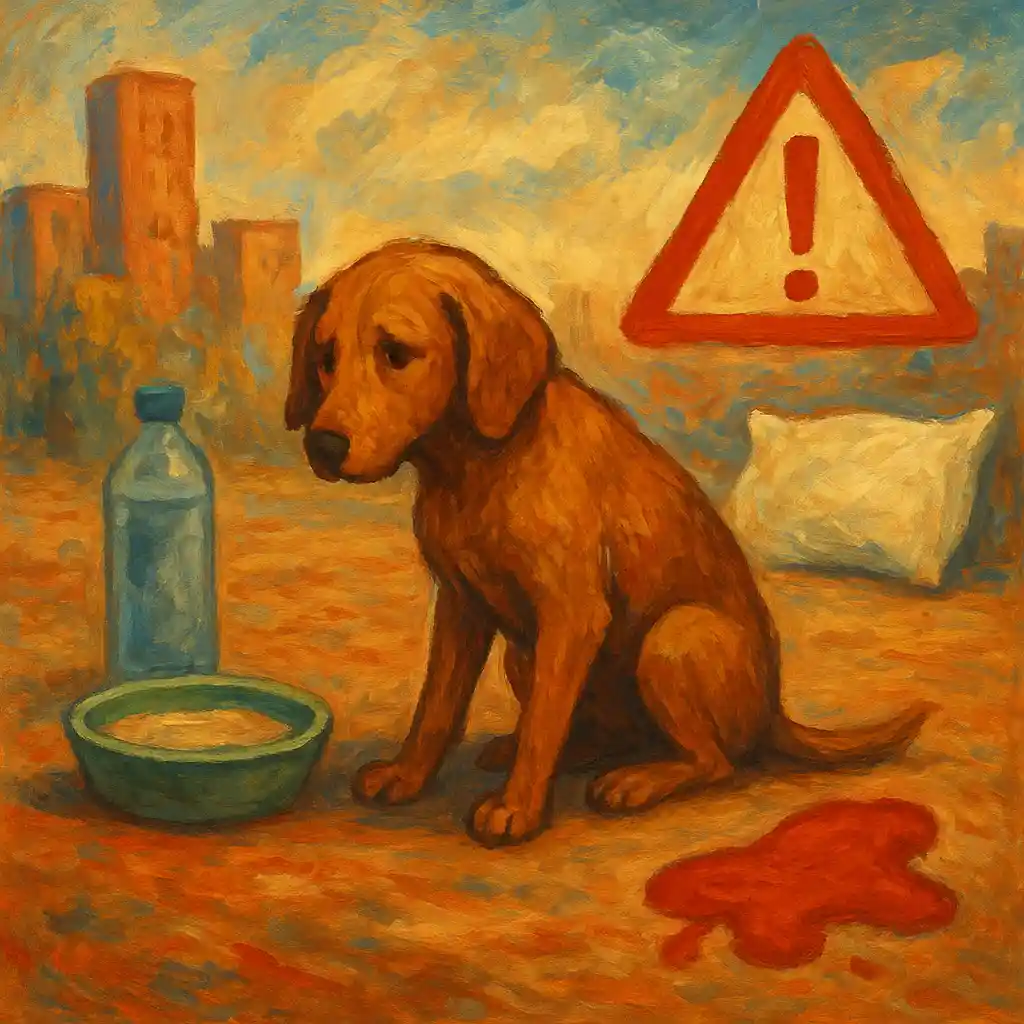
If you are a senior living in the city, a sudden stomach problem can feel extra stressful—especially when it is your dog. This 24-hour dog diarrhea plan is designed to help you stay calm, act step by step, and know when home care is enough and when you should call your veterinarian. In many mild cases, simple support like a bland diet, clean water, and rest can help your dog feel better. But some signs are serious, and you should never ignore them.
Goal of this 24-hour dog diarrhea plan: support your dog safely at home for mild diarrhea, prevent dehydration, and spot red alarm signs early.
This guide keeps things simple and practical for city living: small spaces, elevator trips, limited outdoor time, and the extra challenge of cleaning up safely. You will learn how to assess your dog’s diarrhea, start a bland diet (like boiled chicken and rice), encourage hydration, create a calm resting area, and watch for symptoms that mean you should seek veterinary help right away.
Understanding Dog Diarrhea: What It Means and Why It Happens
Diarrhea means your dog’s stool is loose, watery, or happens more often than normal. It is a symptom, not a disease by itself. Dogs can get diarrhea for many reasons, and some are mild while others are urgent. Before you start the 24-hour dog diarrhea plan, it helps to understand what you might be dealing with.
Common causes of diarrhea in dogs
The draft mentions several common triggers. In city life, these can show up quickly:
- Sudden diet changes (new food, new treats, table scraps).
- Food sensitivities or allergies that irritate the stomach.
- Infections (your vet can help with diagnosis if it does not improve).
- Stress (changes in routine, loud noises, visitors, travel, or moving).
Even when the cause seems small, diarrhea can lead to dehydration. That is why this plan focuses so much on water and monitoring.
Symptoms to watch out for
Diarrhea is not only about stool. Watch your dog’s whole body and behavior. Symptoms mentioned in the draft include:
- Frequent loose stools or accidents in the home.
- Vomiting (even once can matter, especially if it continues).
- Lethargy or unusual tiredness.
- Blood in the stool (a major red alarm sign).
If your dog seems “off,” trust your instincts. Seniors often know their dog’s normal habits better than anyone.
When to be concerned
Some diarrhea is mild and improves within a day with gentle care. But other cases need professional help. This article will cover the red alarm signs in detail later, so you know exactly what to watch for while following the 24-hour dog diarrhea plan.
24-Hour Dog Diarrhea Plan: First Steps (Hour 0–2)
When diarrhea starts, it is easy to panic. The best first move is to slow down and observe. The first part of the 24-hour dog diarrhea plan is about assessing severity and setting up a safe, calm routine.
Step 1: Assess the severity of the diarrhea
Use simple observations. You do not need special tools.
- Mild: a few loose stools, your dog is still alert, drinking, and mostly acting normal.
- Moderate: repeated loose stools, your dog seems tired, appetite is lower, or there is mild vomiting.
- Severe: very frequent diarrhea, blood in stool, repeated vomiting, extreme weakness, or signs of dehydration.
If you suspect severe diarrhea, skip home care and contact your veterinarian. The 24-hour dog diarrhea plan is meant for mild cases or while you are waiting for veterinary advice.
Step 2: Create a simple “recovery zone” in your home
Rest is part of healing. City homes can be busy and noisy, so set up a quiet spot:
- Use a comfortable bed or blanket in a low-traffic area.
- Keep water nearby so your dog does not need to walk far.
- If accidents are happening, use easy-to-clean pads or towels under bedding.
This helps your dog relax and helps you manage mess with less stress.
Step 3: Start tracking what you see
During the 24-hour dog diarrhea plan, it helps to note:
- How many times your dog has diarrhea.
- Whether there is vomiting.
- Energy level (normal, tired, very weak).
- Water intake (drinking normally, less, or not at all).
If you end up calling the vet, these details are very useful.
24-Hour Dog Diarrhea Plan: Bland Diet Basics (Hour 2–12)
A bland diet is one of the most common home steps for mild diarrhea. The draft repeatedly mentions boiled chicken and rice as a gentle option. In this 24-hour dog diarrhea plan, the bland diet is used to give the stomach a break.
Recommended foods for a bland diet
Keep it simple and plain. The draft focuses on:
- Boiled chicken (plain, no seasoning).
- Rice (plain, cooked).
Do not add oils, butter, spices, onions, garlic, or rich sauces. “Bland” really means bland.
Feeding schedule and portion control
When your dog has diarrhea, large meals can overwhelm the stomach. Instead:
- Offer small portions of the bland diet.
- Feed more often rather than one or two big meals.
This approach is gentle and can reduce the chance of another urgent bathroom rush.
Avoiding foods that can worsen diarrhea
During the 24-hour dog diarrhea plan, avoid anything that could make diarrhea worse:
- New treats or chews.
- Table scraps.
- Sudden food changes.
- Rich or fatty foods.
If your dog is a senior dog, their digestion may already be more sensitive. Keeping food simple for a full day can make a big difference.
24-Hour Dog Diarrhea Plan: Hydration Is the Priority (Hour 0–24)
Diarrhea pulls water out of the body. That is why hydration is at the center of this 24-hour dog diarrhea plan. Even if your dog seems okay, dehydration can develop faster than many people expect.
How to ensure your dog stays hydrated during diarrhea
Make water easy and appealing:
- Keep fresh, clean water available at all times.
- Offer small amounts frequently if your dog is not drinking much.
- If your dog is picky, try adding a small amount of low-sodium broth to encourage drinking (as mentioned in the draft).
In city apartments, some dogs avoid drinking if the bowl is far from their resting spot. Place water close to where they are resting.
Signs of dehydration in dogs
The draft includes several dehydration signs. Watch for:
- Dry gums.
- Sunken eyes.
- Low energy or weakness.
- Skin elasticity changes: gently pinch the skin on the neck; if it does not bounce back quickly, dehydration may be present.
If you see signs of dehydration, contact your veterinarian. Dehydration is one of the biggest risks with diarrhea.
Tips for encouraging water intake
If your dog refuses water during the 24-hour dog diarrhea plan, try these simple ideas:
- Offer water in a clean, different bowl (some dogs dislike a smell or residue).
- Place bowls in two locations (near the bed and near the kitchen).
- Offer small sips more often instead of expecting a full drink.
Keep it calm. Stress can reduce drinking, and your dog may already feel uncomfortable.
24-Hour Dog Diarrhea Plan: Rest and Comfort (Hour 0–24)
Rest is not “doing nothing.” Rest is part of recovery. The 24-hour dog diarrhea plan includes rest because the body heals better when your dog is calm and not overstimulated.
Creating a comfortable environment for your dog to rest
Try to make your home feel safe for a sick dog:
- Keep lights soft and noise low if possible.
- Offer a favorite blanket or bed.
- Limit extra handling if your dog seems uncomfortable.
In a busy city building, there may be hallway noise, door buzzers, or street sounds. A quiet corner can help your dog settle.
Monitoring your dog’s behavior and activity levels
While your dog rests, watch for changes:
- Are they getting more alert over time?
- Are they interested in water?
- Are they able to stand and walk normally?
Some tiredness is expected, but worsening weakness is not. The 24-hour dog diarrhea plan works best when you keep observing.
The role of rest in the healing process
Rest helps your dog conserve energy, reduce stress, and recover from stomach upset. It also helps you manage bathroom trips. Short, calm walks for potty breaks are enough. Avoid long walks, dog parks, or stressful outings until your dog is stable again.
Red Alarm Signs: When to Stop the 24-Hour Dog Diarrhea Plan and Call the Vet
Home care is only appropriate when symptoms are mild and improving. If you see red alarm signs, do not wait. The draft strongly emphasizes blood in stool, persistent vomiting, severe lethargy, and dehydration as urgent concerns.
Red alarm signs mean you should seek veterinary help immediately, even if you started a 24-hour dog diarrhea plan.
Symptoms that indicate a more serious underlying issue
- Blood in the stool.
- Persistent vomiting (vomiting that continues or repeats).
- Severe lethargy or your dog seems unusually weak.
- Signs of severe dehydration (sunken eyes, dry gums, skin not bouncing back).
These signs can point to something more serious than mild stomach upset.
Why immediate veterinary attention is crucial in certain cases
Some dogs can get worse quickly, especially senior dogs. Dehydration and ongoing vomiting can become dangerous. If you notice red alarm signs, it is safer to call your veterinarian right away than to continue the 24-hour dog diarrhea plan at home.
Tips for staying calm and acting swiftly in emergencies
City life can make urgent situations feel harder—traffic, elevators, and waiting rooms. A simple approach can help:
- Take a breath and focus on the next step: call the vet.
- Share your notes: stool frequency, vomiting, energy level, and dehydration signs.
- If possible, bring a photo of the stool (not pleasant, but helpful).
Staying calm helps your dog stay calm too.
Handling Diarrhea Messes Safely and Hygienically (Especially for Seniors)
Cleaning up diarrhea is unpleasant, and it can also be a safety issue. Seniors may be at higher risk of slipping or straining while cleaning. This section supports the 24-hour dog diarrhea plan with practical home safety steps.
Handling diarrhea-related messes safely
- Wear gloves if you have them.
- Clean floors carefully to avoid slipping, especially on tile or wood.
- Use cleaning supplies that you can handle safely without strong fumes in a small apartment.
If your dog is having frequent accidents, consider keeping them in an easy-to-clean area for a short time, with comfort items nearby.
Protecting your own health while caring for a sick dog
When your dog is sick, it is easy to forget your own needs. Try to:
- Wash hands after cleanup and after handling soiled items.
- Avoid lifting heavy items (like large wet bedding) if it strains your back.
- Ask for help if you need it—especially if you feel dizzy, tired, or overwhelmed.
Your health matters too. The 24-hour dog diarrhea plan works best when you can keep steady and safe.
Creating an emergency plan for sudden illness
It helps to prepare before the next surprise episode:
- Keep your veterinarian’s phone number easy to find.
- Have basic supplies ready: paper towels, gloves, cleaning spray, and extra bedding.
- Know the easiest way to transport your dog if needed.
Even a simple plan can reduce stress in the moment.
Preventing Future Episodes: Digestive Health Tips for City Dogs
Not all diarrhea can be prevented, but many episodes are linked to triggers like diet changes and stress. After your dog improves, use what you learned from the 24-hour dog diarrhea plan to reduce future risk.
Tips for maintaining your dog’s digestive health
- Keep food changes slow and gradual when possible.
- Stick to a routine for meals and walks.
- Watch for patterns: certain treats or foods that lead to loose stool.
Senior dogs often do best with stability.
Common triggers for diarrhea in dogs
From the draft, common triggers include:
- Sudden diet changes.
- Food allergies or sensitivities.
- Infections.
- Stress.
City dogs may also face extra stress from noise, crowds, and schedule changes. Keeping routines calm can help.
Long-term dietary and lifestyle adjustments
If your dog has repeated diarrhea episodes, talk to your veterinarian. At home, you can support your dog by:
- Avoiding frequent switching between many treats and foods.
- Keeping walks calm and predictable during stressful times.
- Noticing early signs (like softer stool) and responding quickly.
Prevention is not about perfection. It is about paying attention and acting early.
Real-Life Example: A Senior Managing Dog Diarrhea in the City
The draft includes a real-life style example of a senior caring for a dog with diarrhea. Here is a clear version of that scenario, using only the same ideas and strategies.
Sarah and Max: a familiar city moment
Sarah is a retiree living in the city with her dog, Max. One day, Max suddenly developed diarrhea. Sarah felt anxious and unsure, especially because she lives alone and did not want Max to get worse overnight.
What she did using the 24-hour dog diarrhea plan
- She assessed severity by checking Max’s energy and watching for red alarm signs.
- She switched Max to a bland diet of boiled chicken and rice.
- She focused on hydration by offering water often and keeping it close by.
- She encouraged rest by creating a cozy, quiet corner in her apartment.
- She monitored hydration and watched for signs like dry gums or sunken eyes.
Most importantly, Sarah stayed alert for red alarm signs like blood in the stool, persistent vomiting, and severe lethargy—knowing those would mean calling the vet right away.
Lessons learned for other seniors
Sarah’s biggest lesson was that having a plan reduced panic. She felt more confident because she knew what to do first, what to watch for, and when home care should stop. That is exactly what this 24-hour dog diarrhea plan is meant to provide.
The Emotional Toll: Caring for a Sick Dog When You’re a Senior
Seeing your dog sick can feel heartbreaking. The worry can be even stronger when you live in a city and feel rushed or alone. It is normal to feel stressed while following a 24-hour dog diarrhea plan, especially if you are cleaning messes and watching your dog closely.
Addressing stress and worry
Try to remember: many diarrhea cases are mild and improve with gentle care. Having a plan helps you focus on actions instead of fear. Keep your attention on the basics—bland diet, water, rest, and red alarm signs.
Self-care tips for seniors during a pet’s illness
- Drink water and eat something simple yourself.
- Rest when your dog rests, if possible.
- If you feel overwhelmed, pause and take slow breaths before the next task.
You are doing important work, and it is okay to feel tired.
Seeking support from friends, family, or online communities
If you need reassurance or practical help, reach out. A friend might help you pick up supplies, clean bedding, or even just talk while you wait to see if your dog improves. Support can make the 24-hour dog diarrhea plan much easier to follow.
Conclusion: A Calm, Safe Way to Get Through the Next 24 Hours
Dog diarrhea can be messy and stressful, but you do not have to feel helpless. This 24-hour dog diarrhea plan helps you respond with calm steps: assess severity, use a bland diet like boiled chicken and rice, protect hydration with frequent water access, encourage rest, and watch closely for red alarm signs like blood in the stool, persistent vomiting, severe lethargy, or dehydration. With steady care and careful observation, many dogs improve quickly—and you will feel more confident as their trusted caregiver.
If you found this helpful, consider saving this post and exploring our other senior-friendly pet care guides on the blog so you feel prepared for the next surprise health issue.