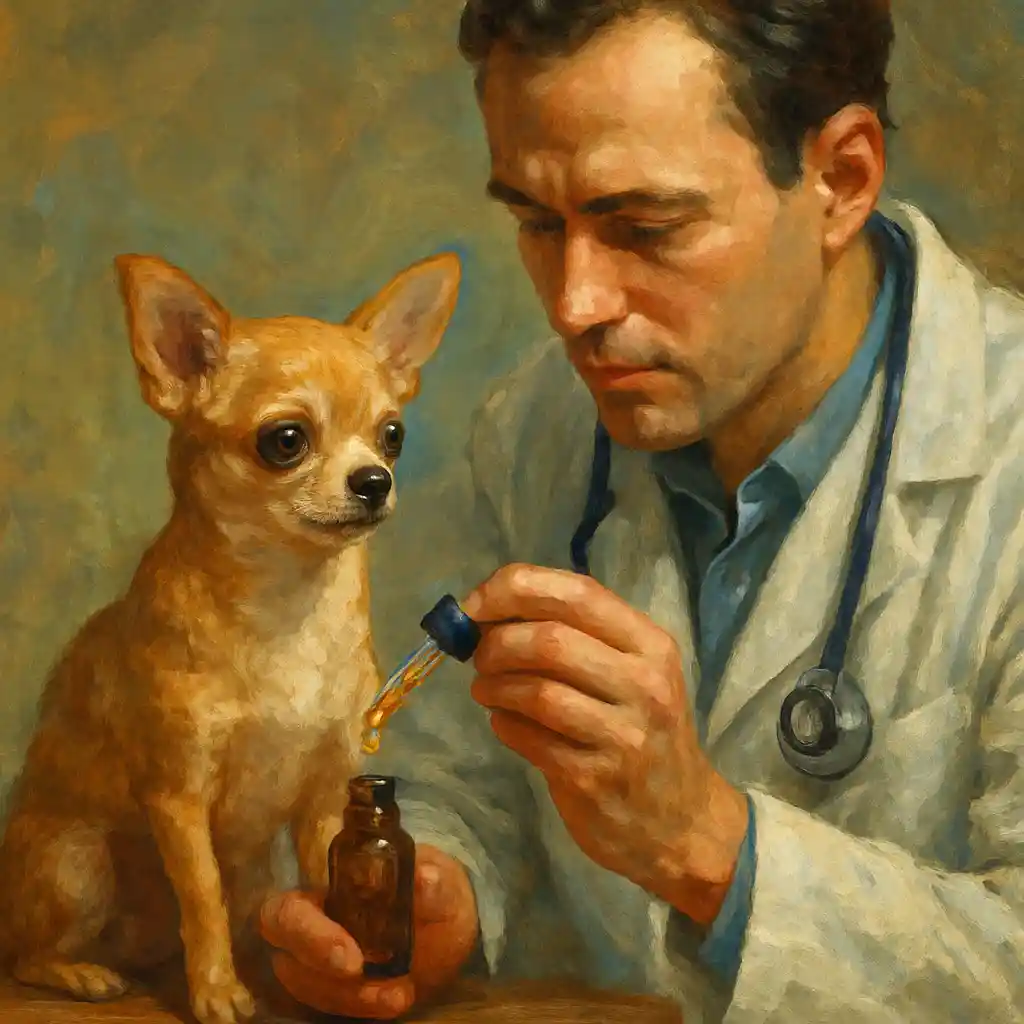
If your senior dog’s fur looks dull or dry, you are not alone. Many owners notice coat changes as their Chihuahua gets older. One simple option that often helps is fish oil for Chihuahua coat shine. A tiny daily dose can support healthier skin and bring back a soft, glossy look. Still, it is important to do it the safe way and to know when it is time to talk to a vet.
A shiny coat is not only about looks. In Chihuahuas, coat and skin changes can be an early sign that something in the body needs support or a closer check.
In this guide, you will learn why coat issues happen in senior Chihuahuas, how fish oil works, how to choose and give it in small amounts, what results to look for, and when you should consult your veterinarian for personal advice.
Why coat health matters for senior Chihuahuas
Chihuahuas are small dogs with big personalities, but their small size also means small changes can be easier to notice. As they age, their skin may become drier, and their coat may lose some of its natural shine. Coat care is not just a grooming topic. It is part of overall health.
A healthy coat often looks smooth, feels soft, and has a natural gloss. When the coat turns dull, rough, or flaky, it may be linked to diet, aging, environment, or health conditions. This is why many owners look into fish oil for Chihuahua coat shine as a gentle, supportive step, especially for seniors.
Common coat changes in older Chihuahuas
- Dry, dull fur that does not look glossy anymore
- More shedding than usual
- Itchy skin or frequent scratching
- Flakes (dandruff-like skin)
- Thinning areas or a coat that feels rough
Some changes are mild and improve with better nutrition and routine care. Other changes may need a vet visit to check for underlying issues.
Understanding Chihuahua coat health (and why problems are common)
To use supplements wisely, it helps to understand why Chihuahuas can be prone to coat issues, especially in their senior years. Coat health depends on the skin, nutrition, grooming habits, and the dog’s general health.
Why Chihuahuas may be prone to coat issues
- Natural aging: Older dogs often have drier skin and slower skin renewal.
- Genetics: Some Chihuahuas naturally have thinner coats or more sensitive skin.
- Nutritional gaps: If the diet is missing key nutrients, the coat can lose shine.
- Environmental factors: Cold weather, dry indoor air, and allergens can affect skin and fur.
Signs of a healthy Chihuahua coat
When your Chihuahua’s coat is in a good place, you usually see and feel it. Look for:
- A soft, smooth feel (not brittle)
- Natural shine (not greasy, just glossy)
- Minimal flakes and no strong odor
- Normal shedding for your dog (not sudden heavy shedding)
- Skin that looks calm, not red or irritated
If you are working on fish oil for Chihuahua coat shine, these are the kinds of changes you want to move toward over time.
Fish oil for Chihuahua coat shine: why omega-3s matter
Fish oil is best known for its omega-3 fatty acids. These are healthy fats that support the skin and coat from the inside. When the skin barrier is healthier, the coat often looks better, too.
How fish oil can support coat gloss
Many owners use fish oil for Chihuahua coat shine because omega-3 fatty acids can support:
- Skin moisture and comfort: Dry skin often looks flaky and can lead to scratching.
- Coat texture: Fur may feel softer and look smoother over time.
- Reduced inflammation: This can help with itchy or irritated skin in some dogs.
- Shedding support: Some dogs shed less when their skin and coat are healthier.
Extra benefits for senior Chihuahuas
In the draft, fish oil was also linked with broader senior support. Omega-3s may help support:
- Joint comfort: Older dogs may have stiffness, and omega-3s are known for anti-inflammatory support.
- Heart health support: Many owners use omega-3s as part of a healthy senior routine.
- Brain function support: Omega-3s are often discussed for cognitive support in older pets.
- Immune system support: Good nutrition helps the body stay strong.
Even with these possible benefits, fish oil is still a supplement. It should not replace a balanced diet or veterinary care.
Choosing fish oil for Chihuahua coat shine: quality and purity first
Not all fish oil products are the same. Since Chihuahuas are small, quality matters even more. You want a product that is safe, clean, and easy to dose in tiny amounts.
What to look for in a fish oil product
- Made for pets: Choose a fish oil supplement designed for dogs.
- High quality and purity: Avoid products with unnecessary additives.
- Clear labeling: You should be able to understand the dosage information easily.
- Freshness: Fish oil can go rancid if stored poorly or kept too long.
If you are not sure which product fits your dog, your vet can help you choose a safe option for fish oil for Chihuahua coat shine.
Types of fish oil supplements that can work well for small breeds
- Liquid fish oil: Often easiest for tiny doses. You can measure drops and mix into food.
- Capsules: Some owners pierce the capsule and squeeze the oil onto food.
- Pet-specific flavored options: Some products are made to be more appealing to dogs.
Many Chihuahua owners prefer liquid because it is simple to adjust the amount slowly.
Tiny dose guide: how much fish oil to give a Chihuahua
Chihuahuas do not need large amounts. In the draft, a general guideline was shared: around 100 mg of fish oil per 10 pounds of body weight. Because many Chihuahuas weigh far less than 10 pounds, this is where “tiny dose” really matters.
Start low and increase slowly if your vet agrees. A small dog’s stomach can be sensitive, and fish oil is calorie-dense.
Key safety point: Always consult your vet before starting fish oil, especially if your Chihuahua is senior, has health problems, or takes medication.
Why you should start small
- To reduce the chance of digestive upset
- To make it easier to spot any negative reaction
- To avoid giving too many extra calories
When using fish oil for Chihuahua coat shine, consistency matters more than giving a large amount. Small, steady support is often the goal.
How to introduce fish oil safely (without stomach upset)
Many dogs do well with fish oil, but sudden changes can lead to loose stool or vomiting. A gradual approach helps your Chihuahua adjust.
Step-by-step introduction
- Talk to your vet first if your Chihuahua is senior, has a medical condition, or is on medication.
- Start with a tiny amount for a few days.
- Increase slowly toward the recommended amount if your dog is doing well.
- Watch stool and appetite during the first week.
- Stay consistent daily once you find the right amount.
Mixing fish oil with food for easy use
The easiest way to give fish oil for Chihuahua coat shine is to mix it into food. Many owners add it to:
- Wet food
- Dry kibble (drizzle and mix well)
- A small spoon of something your dog already eats (only if it fits your dog’s diet plan)
If your Chihuahua is picky, you may need to try a few methods before you find one that works.
Creative ways to mask the taste of fish oil
Some Chihuahuas love the smell, and others refuse it. If your dog turns away, you can try simple tricks to make it easier.
Ideas that can help with picky eaters
- Mix the oil into a small amount of wet food, then offer the rest of the meal after they eat it.
- Drizzle the oil onto food and mix thoroughly so it is less noticeable.
- Try a pet fish oil product with a flavor your dog prefers (for example, salmon-based).
- Freeze a tiny portion with a dog-safe food topper to reduce smell (if it fits your routine).
If your Chihuahua refuses fish oil no matter what, do not force it. Talk to your vet about other options for coat support.
How long does fish oil for Chihuahua coat shine take to work?
Coat changes take time because hair growth and skin health change slowly. In the draft, a common timeframe was mentioned: about 4–6 weeks of consistent use before you may notice visible improvement in coat gloss.
Signs of improvement to look for
- Coat feels softer and looks smoother
- More natural shine (gloss) in the fur
- Less scratching or skin discomfort
- Fewer flakes
- Less shedding (in some dogs)
Take a quick photo every week in the same light. It can help you see small changes that are easy to miss day to day.
Adjusting the dose based on your Chihuahua’s response
Every dog is different. If your Chihuahua is doing well, your vet may suggest staying at the same level. If you notice digestive issues, you may need to reduce the amount or pause.
When using fish oil for Chihuahua coat shine, the “best” dose is the one your dog tolerates well and that fits their health needs.
Monitoring your Chihuahua while using fish oil
Supplements are not “set and forget.” A simple monitoring routine helps you stay safe and get better results.
What to track each week
- Coat: shine, softness, shedding
- Skin: itching, redness, flakes
- Energy: normal activity and mood
- Digestion: stool changes, vomiting, gas
- Weight: fish oil adds calories, so small dogs can gain weight if you are not careful
If anything feels “off,” stop and ask your vet what to do next.
When to consult a vet about fish oil for Chihuahua coat shine
Fish oil can be helpful, but it is not the right answer for every dog. And coat problems can sometimes point to a bigger health issue. A vet can help you choose the right product, confirm the right dosage, and check for causes that supplements cannot fix.
Red flags to watch for
- Allergic reactions: itching, redness, swelling after starting fish oil
- Digestive upset: ongoing diarrhea, vomiting, or loss of appetite
- Sudden coat changes: bald patches, strong odor, sores, or intense itching
- Behavior changes: unusual tiredness, low energy, or discomfort
- Weight gain: fish oil is calorie-dense, and small dogs can gain weight quickly
Possible side effects and risks (especially with too much)
The draft highlighted several concerns that matter for safety:
- Overdosing can cause problems: too much fish oil may lead to issues like diarrhea or vomiting.
- It can affect blood clotting: this can be a concern in dogs with bleeding disorders or dogs on certain medications.
- Medication interactions are possible: this is one reason a vet check is important.
If your senior Chihuahua has any health condition, or if they are taking medication, do not guess. Ask your veterinarian before using fish oil for Chihuahua coat shine.
Why “vet first” is the smartest step for seniors
Senior dogs often have more complex needs. Your vet can:
- Recommend a safe, pet-appropriate supplement
- Help you choose a tiny dose that fits your Chihuahua’s size
- Check for underlying causes of coat changes
- Tell you what to monitor and when to stop
If coat problems are persistent or severe, a shiny coat goal should never delay medical care. Your vet can help you protect both comfort and health.
Safety precautions for storing and using fish oil
Even high-quality fish oil will not help if it is old or stored badly. Freshness matters for both smell and effectiveness.
How to store fish oil properly
- Keep it in a cool, dark place away from sunlight.
- Close the bottle tightly after each use.
- Check the expiration date and do not use it past that date.
- Consider storing it in the refrigerator to help keep it fresh longer.
- If it smells rancid or “off,” replace it.
Avoiding accidental overdosing
- Measure carefully, especially for tiny dogs.
- Use a consistent tool (dropper or measuring cap) if your product includes one.
- Keep a simple routine so you do not give a double dose by mistake.
Consistency is important, but more is not better. The goal with fish oil for Chihuahua coat shine is a safe, steady amount.
Alternatives to fish oil for Chihuahua coat shine
If fish oil does not work for your dog, or your Chihuahua refuses it, there are other options mentioned in the draft. Always check with your vet before changing supplements, especially for seniors.
Other oils and supplements owners may consider
- Coconut oil: used by some owners for skin and coat support
- Flaxseed oil: another source of omega fatty acids
- Olive oil: sometimes used in small amounts
- Sunflower oil: a source of omega-6 fatty acids
Different oils have different fatty acid profiles. Your vet can help you choose what fits your Chihuahua best.
Lifestyle steps that support a healthier coat
- Balanced diet: good nutrition supports skin and coat from the inside.
- Regular brushing: helps distribute natural oils and removes loose fur.
- Gentle grooming routine: keeps the coat clean and reduces irritation.
- Watch the environment: dry air, cold weather, and allergens can affect skin.
Often, the best results come from combining good grooming, a balanced diet, and a safe supplement plan like fish oil for Chihuahua coat shine.
Real-life results: what Chihuahua owners often notice
Many Chihuahua owners report that, after adding fish oil in small daily amounts, they notice a softer coat and better shine over time. The biggest improvements are often seen when fish oil is used consistently, introduced slowly, and paired with regular grooming.
It can help to keep expectations realistic. Fish oil is not a quick fix, and it will not solve every coat problem. But for many senior Chihuahuas, it becomes a helpful part of a simple wellness routine.
Conclusion: a small step toward a shinier, healthier coat
If your senior Chihuahua’s coat looks dull, fish oil for Chihuahua coat shine can be a simple, gentle option to try. Start with a tiny dose, introduce it slowly, and monitor your dog’s skin, coat, digestion, and weight. Most importantly, involve your vet—especially if your Chihuahua is older, takes medication, or has any health condition.
If you want more support, check our other in-site guides on senior Chihuahua grooming and nutrition, and consider making a simple “coat care routine” you can follow each week.