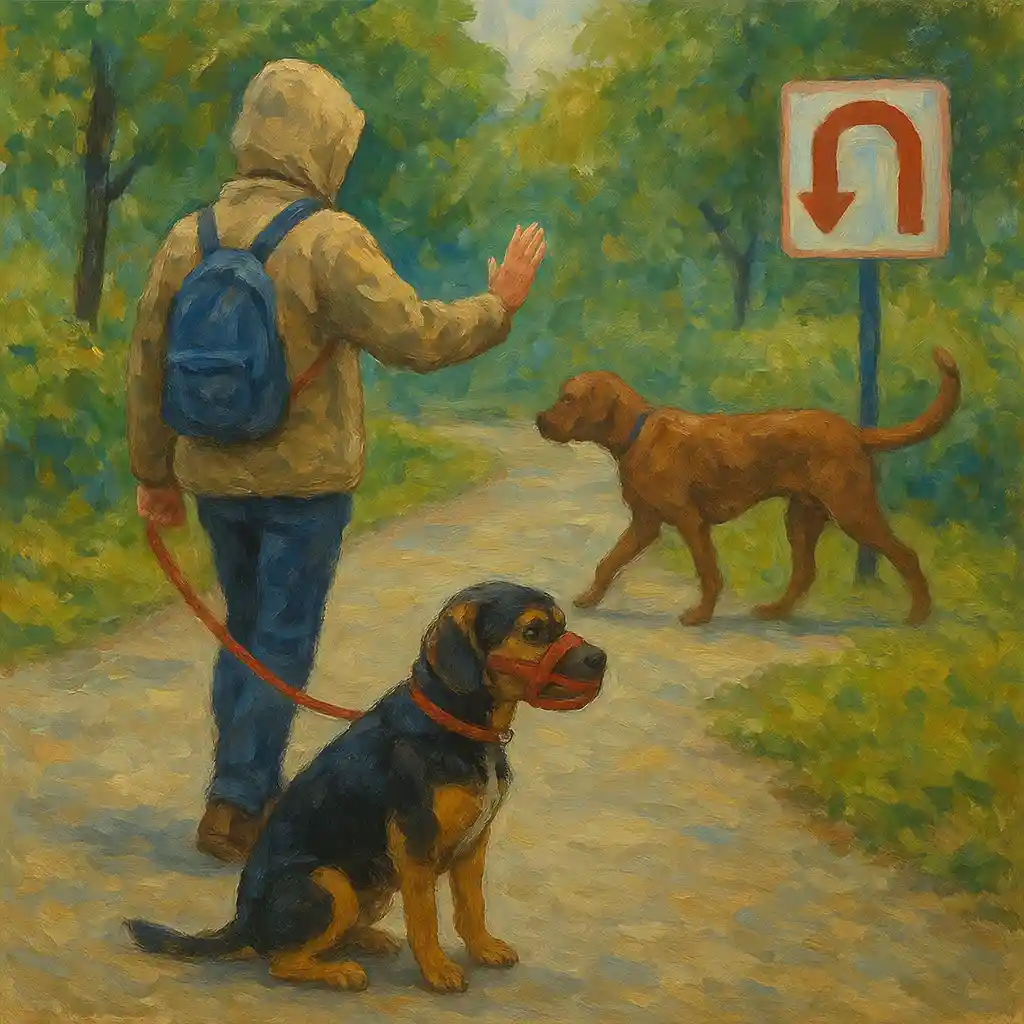
Berlin walks can be one of the best parts of the day with a senior dog. But if you want to protect from off-leash dogs, it helps to have a clear plan. Many owners know the sudden stress: you are enjoying a calm walk, and then an off-leash dog runs toward you. Your heart races, your dog gets scared, and the situation can turn risky in seconds. This guide shares practical, simple steps to help you protect from off-leash dogs during Berlin walks—by choosing better times, picking safer routes, keeping distance, using a calm U-turn, and training a muzzle as a backup.
Your goal is not to “win” a dog encounter. Your goal is to keep your senior dog safe, calm, and moving away from trouble.
Why Berlin Walks Can Be Stressful: Understanding Off-Leash Risk
Berlin has many parks, green areas, and walking paths. That is great for dogs. At the same time, off-leash dogs can be a common sight, especially in parks and open spaces. For a senior dog, even a “friendly” off-leash dog can be too much. Older dogs often have less energy, slower movement, and may have pain or health issues. They may also feel trapped when a fast dog runs into their space.
To protect from off-leash dogs, it helps to understand what makes these moments risky:
- Speed difference: A younger dog can reach your dog before you can react.
- Surprise factor: Off-leash dogs may appear from behind bushes, corners, or bikes paths.
- Leash disadvantage: Your dog is on a leash, the other dog is not. This can increase tension.
- Senior vulnerability: A small push or jump can hurt an older dog more than a younger one.
- Human safety: Seniors can also be at risk of falls if dogs tangle the leash or bump into legs.
The Impact on Seniors and Senior Dogs
Off-leash encounters do not only affect dogs. They affect people too. A sudden charge can cause fear, stress, and quick movements that are not safe for older walkers. For senior dogs, repeated stressful encounters can lead to more anxiety on Berlin walks, and sometimes reactive behavior.
That is why the best strategy is prevention first, and calm action second. You can protect from off-leash dogs without shouting, running, or escalating the moment.
A Note on “Statistics”
The draft mentions statistics on off-leash incidents in Berlin, but it does not include actual numbers. So this post does not add any. The key point remains: many owners experience off-leash encounters often enough that planning ahead is worth it.
Best Times for Berlin Walks to Protect From Off-Leash Dogs
Timing matters. If you want to protect from off-leash dogs, one of the simplest changes is to walk when fewer dogs are out.
Early Morning and Late Evening: Quieter, Calmer, Cooler
Early mornings and late evenings are often quieter. There is usually less foot traffic, fewer groups, and fewer dogs playing. These times can also be cooler in summer, which is often more comfortable for a senior dog.
- Early morning: calm streets, fewer dogs, less noise
- Late evening: fewer busy park moments, more space to move away
If you walk later, choose well-lit routes so you can see dogs and people early.
Avoid Peak Hours (Especially Weekends)
Weekends and busy afternoon hours can bring more dogs into parks and open areas. More dogs often means more off-leash moments. If your schedule allows, choose weekdays and off-peak times. This is a practical way to protect from off-leash dogs without changing anything else.
Choosing Safe Routes on Berlin Walks to Protect From Off-Leash Dogs
Route choice is your second big tool. Even in the same neighborhood, one street can feel calm and controlled, while another path can be full of surprises.
Select Well-Lit, Populated Paths
Well-lit and populated paths often feel safer because you can see more, and other people are around. Also, responsible owners are more likely to keep dogs close when many people are present. When you want to protect from off-leash dogs, visibility is your friend.
- Choose streets with good lighting in the evening.
- Pick paths where you can see ahead (not many blind corners).
- Use wider sidewalks when possible, so you can step aside.
Avoid Secluded Areas Where Off-Leash Dogs May Roam
Quiet, hidden paths can look peaceful, but they can also be where people let dogs run freely. If you often meet off-leash dogs in a certain area, treat it like a “high risk zone” for Berlin walks. Avoid it, especially when walking a senior dog.
Try to notice patterns:
- Which park entry is most busy?
- Which path has many dogs running ahead of owners?
- Which area has bushes or trees where dogs appear suddenly?
Once you know these patterns, you can build safer routes and better habits to protect from off-leash dogs.
Use the Right Walking Gear for Control
Good control helps you react calmly. The draft suggests options like a harness, a gentle leader, and a harness with a handle. These can help you guide your senior dog smoothly, especially if you need to turn away quickly.
- Leash: keep your dog on a leash for control and safety.
- Harness: can support older bodies and give you steadier control.
- Harness with handle: can help in a tight moment when you need to keep your dog close.
Maintain Distance: The Core Skill to Protect From Off-Leash Dogs
Distance reduces stress. Distance reduces risk. If there is one habit that helps most on Berlin walks, it is learning to keep space between your dog and unknown dogs.
Why Distance Matters (Even With “Friendly” Dogs)
Many owners say, “My dog is friendly.” But friendly dogs can still jump, run fast, or crowd a senior dog. Your dog may not want to say hello. Your dog may be in pain. Or your dog may simply want calm walks. Keeping distance helps you protect from off-leash dogs and also protects the other dog from getting into trouble.
Simple Ways to Create Distance Without Escalating
When you see an off-leash dog, act early. Early action looks calm and normal. Late action can look like panic.
- Cross the street when you first notice the other dog.
- Step behind a parked car or a bench to create a visual barrier.
- Move to the side and keep your dog close on a short leash.
- Avoid direct eye contact with the approaching dog, which can feel challenging to some dogs.
- Stand still “like a tree” if you cannot move away safely, and keep your movements slow.
Some owners also carry treats to distract their own dog and keep focus. Treats can also help in a calm “let’s go” moment when you need to move away.
The U-Turn Technique on Berlin Walks to Protect From Off-Leash Dogs
The U-turn is a simple but powerful tool. It is not dramatic. It is not aggressive. It is just a calm decision: “This direction is not safe, so we go the other way.” If you want to protect from off-leash dogs, practice the U-turn until it feels normal.
When to Use a U-Turn
Use it as soon as you see a situation that could become stressful:
- An off-leash dog running ahead of an owner
- A dog staring, stiff, or moving fast toward you
- A narrow path where you cannot create space
- A group of dogs playing and moving unpredictably
How to Do a Safe, Calm U-Turn
- Stay calm. Breathe and keep your voice steady.
- Shorten the leash slightly so your senior dog stays close, but do not pull hard.
- Turn your body first and guide your dog to follow.
- Walk away at a normal pace. Fast walking can increase excitement in some dogs.
- Reward your dog for coming with you (treat or calm praise).
This technique works best when it is trained in normal situations too. If your dog already knows that “turn” or “let’s go” means “we walk away together,” you can use it quickly when needed.
What to Say to the Other Owner (If You Need To)
Sometimes you may need to speak up. Keep it short and clear:
- “Please call your dog.”
- “My dog needs space.”
- “Please leash your dog.”
You do not need to explain your dog’s age, history, or health. Simple words help you protect from off-leash dogs while keeping the situation calm.
Muzzle Training as a Backup to Protect From Off-Leash Dogs
Muzzle training is often misunderstood. A muzzle is not only for “bad” dogs. In the draft, the muzzle is presented as a backup option, especially if a dog gets anxious or reactive around other dogs. For some senior dogs, a muzzle can also help the owner feel calmer—which can improve the whole walk.
A muzzle is a safety tool, not a label. Used correctly, it can reduce risk during unexpected off-leash encounters.
Benefits of Muzzle Training for Senior Dogs
- Extra safety in close situations when you cannot fully control the environment.
- Less worry for the owner, which can make Berlin walks calmer.
- Prevents snapping in pain if a senior dog has dental issues or discomfort (as mentioned in the draft).
- Helps avoid eating harmful things or scavenging on walks (also mentioned in the draft).
Muzzle training should be slow and positive. It should never be forced.
Step-by-Step: Introducing and Acclimating Your Dog to a Muzzle
- Show the muzzle and reward interest. Let your dog sniff it. Give a treat.
- Create positive association. Feed treats through the muzzle or place treats inside so your dog chooses to put their nose in.
- Touch the nose gently with the muzzle. Reward calm behavior.
- Practice wearing it briefly. Start with a few seconds, then remove and reward.
- Increase time slowly. Keep sessions short and friendly.
- Check fit and comfort. The muzzle should allow panting and drinking water comfortably (as the draft notes).
- Practice in different places. Start at home, then the yard, then short calm walks.
- Watch body language. If your dog is stressed, go back a step.
- Stay patient and positive. Never force the muzzle on your dog.
If you feel stuck, the draft suggests seeking help from a professional dog trainer. That can be a good step, especially if your dog already feels anxious around other dogs.
Carrying Dog Deterrents on Berlin Walks to Protect From Off-Leash Dogs
Deterrents are a sensitive topic. The draft mentions several options: pepper spray, citronella spray, a loud whistle, a small air horn, a walking stick, and an umbrella. These tools are meant as backups, not as the first step. The first step is always distance, U-turns, and calm body language.
Options Mentioned in the Draft
- Citronella spray: described as a milder deterrent option.
- Pepper spray: described as powerful and causing temporary discomfort and distraction.
- Noise tools: whistle, personal alarm, or small air horn to startle an approaching dog.
- Physical barriers: walking stick or umbrella to create space and a visual barrier.
Legal Considerations and Responsible Use
The draft advises being aware of local rules and using deterrents responsibly. It also suggests practicing with your tool in a safe environment so you know how it works. That is important. If you carry something for protection, you should know how to access it quickly and use it safely.
- Read instructions and learn safe handling.
- Keep the tool easy to reach (not buried in a bag).
- Use deterrents as a last resort if you cannot create distance.
- Stay calm and assertive; avoid sudden movements when possible.
Deterrents can help you protect from off-leash dogs, but they work best as part of a bigger plan, not as the only plan.
Understanding Canine Body Language to Protect From Off-Leash Dogs
Body language gives you early warning. If you can spot tension early, you can create distance early. That is one of the smartest ways to protect from off-leash dogs during Berlin walks.
Key Signals to Watch
- Tail position: relaxed wagging can mean friendly; a stiff raised tail can mean tension.
- Ears: forward ears show interest; flattened ears can signal fear or stress.
- Eyes: intense staring or dilated pupils can signal high arousal; soft eyes often mean calm.
Recognizing Signs of Aggression in an Off-Leash Dog
The draft lists common warning signs. If you see these, take action early:
- Stiff body posture
- Raised fur
- Fixed stare
- Ears pinned back or standing very straight
- Barking, snarling, growling
- Showing teeth or a wrinkled muzzle
If you see these signs, calmly move away, use a U-turn, and keep your senior dog close. This is a practical way to protect from off-leash dogs without creating drama.
Reacting Based on Your Own Dog’s Body Language
Your senior dog’s signals matter too. If your dog freezes, stiffens, growls, or tries to hide behind you, treat it as important information. Create space. Reward calm behavior. If your dog often shows distress, consider extra support like training, a muzzle backup, or walking at quieter times.
When to Seek Help: Authorities and Reporting in Berlin
Sometimes prevention is not enough. If you meet aggressive dogs or repeat offenders, reporting can protect others too. The draft suggests contacting local animal control, park rangers, or police if you feel threatened or unsafe.
What to Do During an Incident
- Stay calm and assess the situation.
- If needed, slowly back away while facing the dog.
- Use a firm voice to command the dog to go back or go home.
- Prioritize safety: your safety and your dog’s safety come first.
Reporting Repeat-Offender or Aggressive Dogs
Reporting is not about revenge. It is about prevention. The draft recommends documenting details so you can report clearly:
- Date and time
- Location
- Description of the dog
- What happened (short and factual)
If you walk in the same area often, you may also benefit from joining a local dog walking community or neighborhood group, as the draft suggests, to share information and support each other.
Create a Personal Safety Plan for Berlin Walks to Protect From Off-Leash Dogs
A safety plan makes you feel more confident. It also helps you react faster. When something happens, you do not need to think from zero—you just follow your steps. This is especially helpful when you want to protect from off-leash dogs while walking a senior dog.
Your Simple Safety Plan Checklist
- Route plan: choose quieter paths and avoid known off-leash hotspots.
- Time plan: walk early morning or late evening when possible.
- Gear plan: sturdy leash, supportive harness, and optional reflective gear for visibility.
- Distance plan: cross streets early, use barriers, and keep space.
- U-turn plan: practice “let’s go” and turn away calmly.
- Backup plan: consider muzzle training and carry a deterrent tool if it fits your comfort and local rules.
- Help plan: know who to contact if you feel unsafe.
Involve Family or Friends for Added Support
The draft suggests involving family members or friends, which can be especially helpful for seniors. Support can be practical and emotional.
- Share your usual walking route and schedule.
- Share emergency contact numbers.
- Ask someone to join you sometimes, especially in higher-risk areas.
- Use a group chat to share updates if that helps you feel safer.
Real-Life Solutions from Berlin Walks: What Experienced Owners Do
The draft includes examples of what seniors do to avoid off-leash dog encounters. These are simple ideas that can work well in real life.
Examples Mentioned in the Draft
- Maria: carries a small air horn to startle and deter an approaching off-leash dog.
- Klaus: uses assertive body language by standing tall and facing the approaching dog to protect his senior companion.
- Ingrid: walks at quieter times of day to avoid crowded areas where off-leash dogs are more common.
Extra Practical Tips That Fit These Examples
These ideas connect well with the main goal: protect from off-leash dogs by acting early and staying calm.
- Carry treats to keep your senior dog focused and calm.
- Use a bright-colored leash and harness for visibility (the draft mentions this).
- If an off-leash dog approaches, stay calm, stand still if needed, and avoid direct eye contact.
Conclusion: Calm, Safe Berlin Walks Are Possible
You can enjoy Berlin walks with your senior dog and still protect from off-leash dogs. Start with the easiest changes: walk at quieter times, choose safer routes, and keep distance. Add the U-turn technique so you can leave calmly before trouble gets close. If needed, consider muzzle training and carry a deterrent tool as a backup. With a simple safety plan, you can feel more confident and help your senior dog feel relaxed again.
If you found this helpful, take a moment to explore more guides on our site for senior dog care and calm city walking routines, and build a routine that makes every walk feel safer.