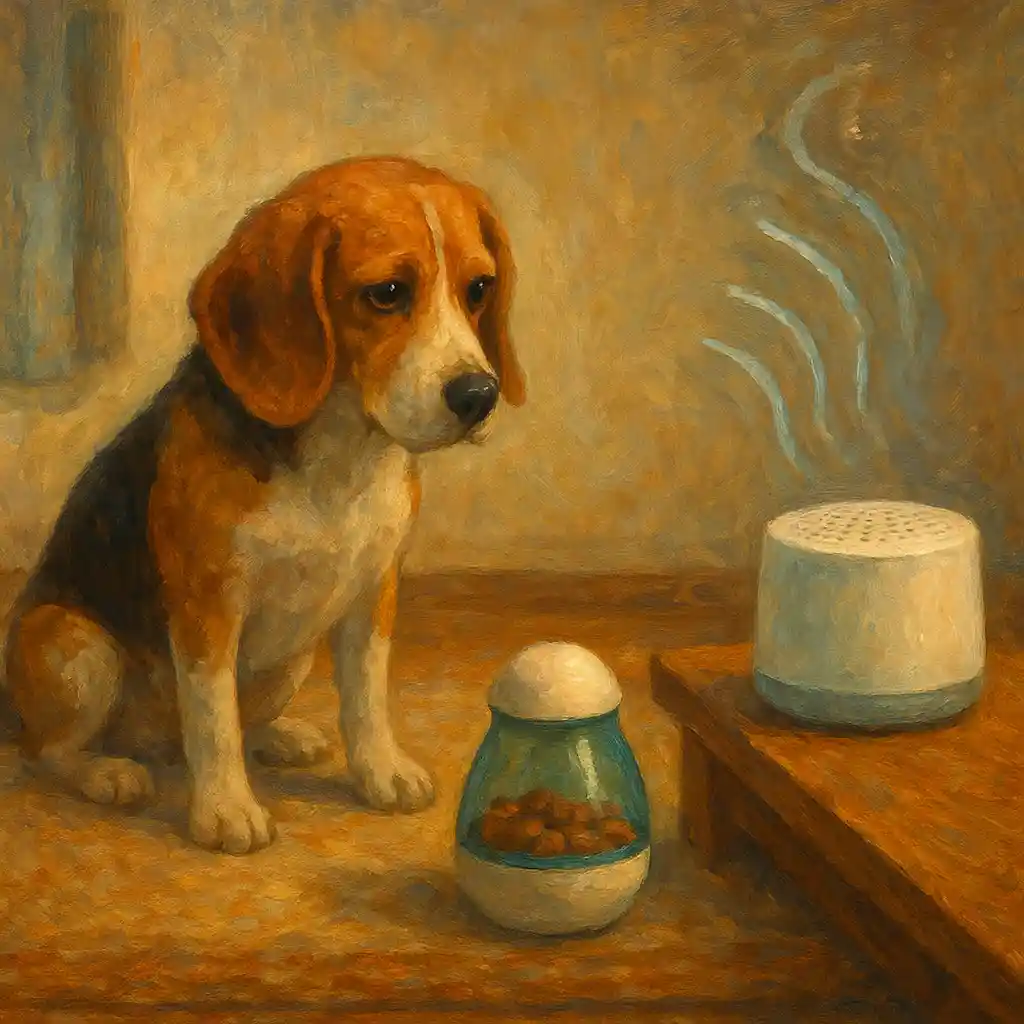
Beagle separation anxiety training can feel hard at first, especially when your sweet Beagle panics the moment you grab your keys. Many owners see whining, pacing, barking, scratching at doors, or even destroyed furniture. It is stressful for you, and it is stressful for your dog too. The good news is that there are practical, gentle steps you can take. With patience and a clear plan, you can teach your Beagle that being alone is safe.
Beagle separation anxiety training works best when you build alone time slowly—starting with seconds and growing to minutes and then hours.
In this guide, you will learn how to use gradual alone training, treat dispensers, and white noise to create a calmer routine. The goal is not perfection overnight. The goal is steady progress, so you can leave the house and come back to a calmer, happier Beagle.
Understanding Beagle Separation Anxiety Training: What It Is and Why It Happens
Beagles are social dogs. Many of them bond strongly with their people and feel unsafe when they are alone. Beagle separation anxiety training starts with understanding that your dog is not being “bad.” In many cases, they are scared or overwhelmed.
Common causes of separation anxiety in Beagles
Different Beagles have different triggers, but separation anxiety often shows up when a dog feels uncertain about being alone. Some common causes include:
- Strong attachment to the owner and discomfort when the owner leaves.
- Changes in routine, like a new schedule, moving homes, or a family member leaving.
- Not enough practice being alone, especially if the dog is almost always with someone.
- Noise triggers from outside (neighbors, traffic, door slams) that make alone time feel unsafe.
Signs and symptoms to look out for
It helps to know what you are seeing. Signs of separation anxiety can include:
- Excessive barking or howling after you leave
- Destructive behavior (chewing furniture, scratching doors, tearing pillows)
- Pacing, trembling, drooling, or looking panicked
- Accidents in the house, even if your Beagle is usually house-trained
If you recognize these signs, you are not alone. Beagle separation anxiety training is a real process, and many owners see improvement when they follow a gradual plan.
Why Gradual Beagle Separation Anxiety Training Matters (And Why “Just Leave Them” Often Fails)
When a Beagle is anxious, long alone time can feel like too much too soon. If you leave for an hour and your dog panics the whole time, they do not learn to relax. They learn that being alone is scary.
That is why gradual Beagle separation anxiety training is so important. You start with a level your Beagle can handle, even if it is only a few seconds. Then you build up slowly, step by step.
What gradual alone training teaches your Beagle
- Confidence: “I can handle this.”
- Predictability: “My person leaves, and my person always comes back.”
- Calm habits: resting, chewing a toy, or eating treats instead of panicking.
This approach also protects your home and reduces stress for you. Beagle separation anxiety training is not just about stopping destruction. It is about improving your dog’s well-being and your peace of mind.
Setting Up Beagle Separation Anxiety Training: Create a Safe, Comfortable Space
Before you start increasing alone time, set your Beagle up for success. A safe, comfortable space helps your dog settle. It also helps you feel confident that your Beagle is secure.
Choose a calm area your Beagle already likes
Pick a space where your Beagle naturally rests. This could be a corner of the living room, a dog bed area, or another quiet spot. Add comfort items like:
- A comfortable bed or blanket
- A favorite toy
- A piece of clothing with your scent (if it helps your dog feel calm)
Remove hazards and reduce stress triggers
Safety matters during Beagle separation anxiety training. Remove anything your Beagle might chew or swallow. Also try to reduce triggers that can increase anxiety, like loud outside noise or visual distractions at windows.
If your Beagle gets upset by outside sounds, this is where white noise can help a lot (more on that below).
Beagle Separation Anxiety Training with Treat Dispensers: Turn Alone Time Into Something Positive
Treat dispensers and puzzle toys can be a game-changer. They give your Beagle something to do, and they help create a positive association with you leaving. Instead of “Uh oh, my person is gone,” your dog starts thinking, “Great, my special toy is here.”
Why treat dispensers help during alone training
- Mental stimulation: your Beagle focuses on a task instead of worrying.
- Positive association: being alone predicts something enjoyable.
- Healthy engagement: chewing and sniffing can be calming activities.
Recommended treat dispenser options mentioned in the draft
Here are treat dispenser options that many Beagle owners use during Beagle separation anxiety training:
- PetSafe Busy Buddy Magic Mushroom: an interactive toy that dispenses treats as your dog plays.
- Kong Wobbler: a treat-dispensing toy your dog rolls to release food.
- Outward Hound Hide-A-Squirrel Puzzle Toy: a toy that encourages searching and problem-solving.
How to use a treat dispenser the right way
To make treat dispensers work well in Beagle separation anxiety training, keep it simple:
- Fill it with treats your Beagle truly likes.
- Use it mainly for alone training, so it stays special.
- Place it in the safe space where you want your Beagle to relax.
- Start with very short alone sessions so your dog stays under their stress limit.
Also, watch your dog’s behavior. If your Beagle ignores the toy and starts pacing, the step is too hard. Go back to an easier level.
Beagle Separation Anxiety Training with White Noise: Make the Home Feel Calm and Predictable
White noise can help many Beagles during alone time. It creates a steady background sound that can mask sudden noises like cars, people talking, or doors closing. For some dogs, those sudden sounds can trigger anxiety.
How white noise helps soothe Beagles during alone time
White noise can:
- Reduce surprise sounds that may startle your Beagle
- Create a more “steady” environment that feels safe
- Support relaxation during Beagle separation anxiety training sessions
You can use a white noise machine, a fan, or calming music. The key is consistency: use the same sound during training so your Beagle connects it with calm alone time.
White noise machine recommendations mentioned in the draft
- LectroFan Evo White Noise Sound Machine: offers different sound options.
- Marpac Dohm Classic White Noise Machine: known for natural sound production.
- Adaptive Sound Technologies LectroFan High Fidelity White Noise Sound Machine: offers a wide range of sound options.
Start using white noise while you are still at home, so your Beagle learns that the sound is normal and safe. Then keep it on during short alone sessions.
Beagle Separation Anxiety Training Plan: Build Alone Time from Seconds to Hours
This is the heart of Beagle separation anxiety training: a gradual “seconds-to-hours” build. Many owners want to jump straight to long alone time, but the best results often come from small steps.
Always return before your Beagle becomes very anxious. That is how your dog learns that alone time is manageable.
Step 1: Start with seconds (yes, really)
In the beginning, you may only step away for a few seconds. That is normal. Practice leaving and returning calmly. Try to keep your movements relaxed and not emotional.
- Give your Beagle a treat dispenser.
- Turn on white noise.
- Step out of sight for a few seconds.
- Return before your Beagle panics.
Repeat this a few times. If your Beagle stays calm, you can slowly increase the time.
Step 2: Move to minutes
When seconds are easy, move to short minutes. Keep sessions short enough that your Beagle can succeed. The goal is calm behavior, not “testing” your dog.
If your Beagle starts whining, pacing, or leaving the treat dispenser to search for you, reduce the time again. Beagle separation anxiety training is not always a straight line, and that is okay.
Step 3: Build toward longer periods
As your Beagle improves, you can begin building toward longer alone time. Continue using treat dispensers and white noise as support tools. Over time, many dogs learn that alone time is normal.
Remember: building from seconds to hours takes patience and consistency. It is worth it for a calmer home and a happier dog.
Monitor progress and adjust the plan
Progress is easier when you track it. Consider keeping simple notes about:
- How long your Beagle was alone
- What tool you used (treat dispenser, white noise, puzzle toy)
- What your Beagle did (rested, chewed toy, barked, paced)
If you see setbacks, do not give up. Go back to a shorter time your Beagle can handle, then build again. Beagle separation anxiety training often improves with steady repetition.
Boost Beagle Separation Anxiety Training with Interactive Toys and Mental Stimulation
Mental stimulation is not a “nice extra.” For many Beagles, it is a key part of feeling calm. A bored Beagle may worry more, look for trouble, or focus on your absence.
Why mental stimulation can reduce anxiety
Interactive toys help because your Beagle has something to do besides waiting for you. Sniffing, searching, chewing, and problem-solving can help your dog settle. This supports your Beagle separation anxiety training plan and reduces destructive behavior.
Simple ways to add mental stimulation during alone time
- Rotate puzzle toys so your Beagle does not get bored
- Use treat dispensers for part of your Beagle’s daily food (if it fits your routine)
- Offer safe chew items that keep your Beagle busy
Keep it safe and simple. The goal is calm, not over-excitement. If a toy makes your Beagle too frantic, choose an easier option.
Create a Consistent Routine to Support Beagle Separation Anxiety Training
Beagles often do better when life feels predictable. A consistent routine can reduce stress because your dog knows what to expect. This supports Beagle separation anxiety training by making alone time feel like a normal part of the day.
How to build structure into your day
- Feed meals at similar times each day
- Include regular walks or play sessions
- Practice short alone sessions consistently (even on days you do not “need” to leave)
- Use the same setup: safe space, treat dispenser, and white noise
If you are a senior owner, routine can also make things easier for you. A simple plan reduces guesswork and helps you stay consistent.
Safety Precautions During Beagle Separation Anxiety Training
Safety is part of good training. When your Beagle is alone, you want them to be comfortable and protected.
Ensure the environment is safe and secure
- Remove items that can be chewed or swallowed
- Keep trash, food, and small objects out of reach
- Make sure your Beagle has access to water (if appropriate for your setup)
Avoid hazards that may increase anxiety
Some things can make alone time harder:
- Loud, sudden noises (use white noise to help mask them)
- Busy windows where your Beagle can see people or animals passing
- Overly exciting toys that increase frustration instead of calm
Beagle separation anxiety training works best when the environment supports relaxation.
When Beagle Separation Anxiety Training Needs Professional Help
Many Beagles improve with gradual alone training, treat dispensers, and white noise. But some cases are severe and need extra support.
Signs it may be time to consult a professional
Consider reaching out to a professional dog trainer or behaviorist if:
- Your Beagle’s anxiety is escalating even with consistent training
- Your dog is harming themselves or damaging your home
- You feel overwhelmed and unsure what to do next
Getting help is not failure. It is a smart step for your Beagle’s well-being. A professional can help you build a plan that matches your dog’s needs.
Real-Life Progress: What Success in Beagle Separation Anxiety Training Can Look Like
Success does not always mean your Beagle loves being alone right away. Often, success looks like small wins that grow over time.
Many owners describe a similar journey: their Beagle starts out panicking when left alone, but improves when the owner follows a gradual plan. Treat dispensers become a positive “alone time signal.” White noise makes the house feel quieter and safer. Slowly, the Beagle learns to settle for longer periods.
If your Beagle has a hard day, that does not erase progress. Beagle separation anxiety training is built on repetition, calm practice, and realistic steps.
Common Mistakes to Avoid During Beagle Separation Anxiety Training
Small mistakes are normal, but avoiding these can help you move faster:
- Increasing time too quickly: if your Beagle panics, the step was too big.
- Only practicing when you must leave: training is easier when you practice short sessions often.
- Making departures and arrivals too emotional: calm behavior helps your Beagle stay calm.
- Removing support tools too early: treat dispensers and white noise can be part of the plan for a while.
Keep your plan simple and steady. Beagle separation anxiety training is about building trust, not rushing.
Putting It All Together: A Simple Daily Checklist
If you want an easy way to stay consistent, try this checklist during your Beagle separation anxiety training:
- Set up the safe space (bed, comfort item, safe toys).
- Turn on white noise or calming music.
- Give a treat dispenser or puzzle toy.
- Leave for a short time your Beagle can handle.
- Return calmly before your Beagle becomes very anxious.
- Repeat and slowly increase time over days and weeks.
This routine may feel slow at first, but it builds real confidence in your Beagle.
Conclusion: Calm Alone Time Is Possible with Beagle Separation Anxiety Training
Beagle separation anxiety training takes time, but it can truly change daily life for both you and your dog. Start with gradual alone training, use treat dispensers to create positive focus, and add white noise to support a calm environment. Build from seconds to minutes, and from minutes to hours, at your Beagle’s pace. With patience and consistency, you can help your Beagle feel safer and more relaxed when alone.
If you want more help building a simple routine, explore our other training guides on the site and create a plan you can follow every day.