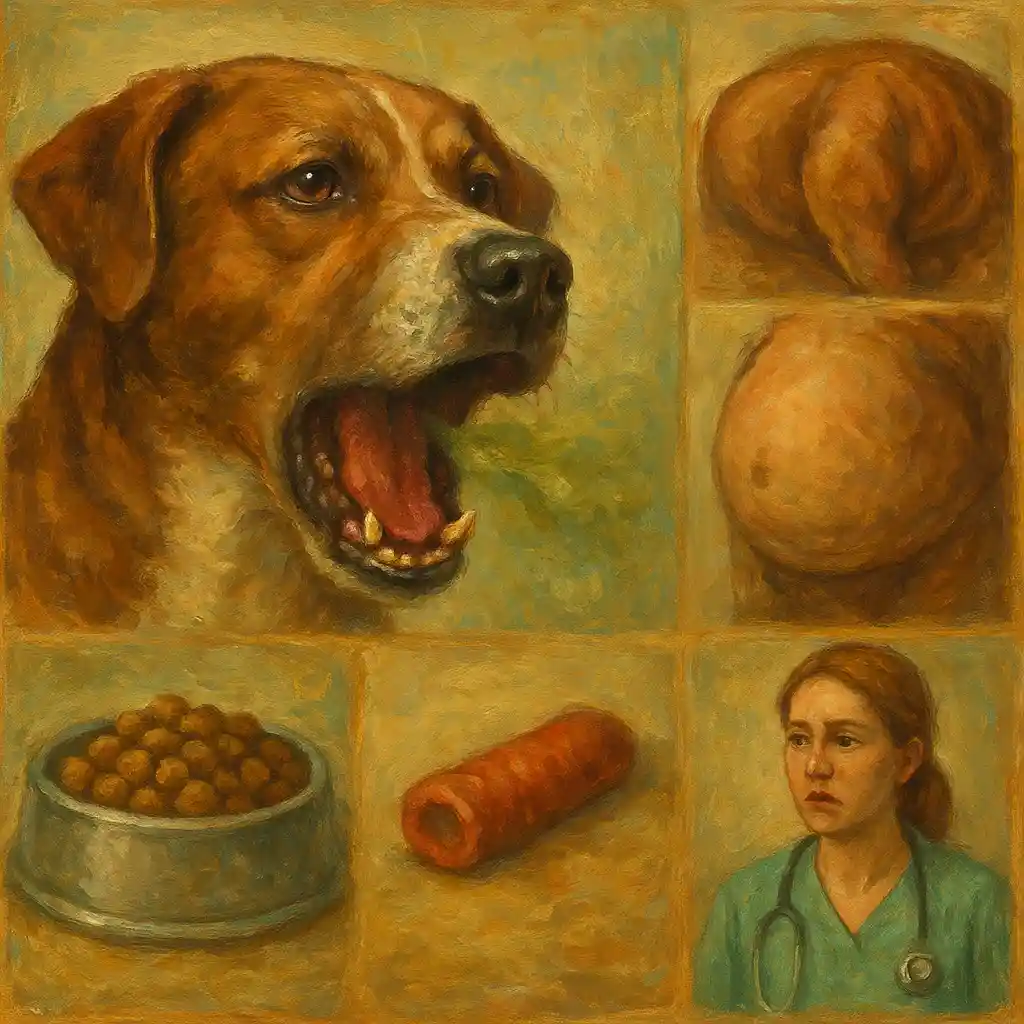
Bad breath in senior dogs can turn sweet cuddle time into a moment where you gently lean back. If you have noticed a new or stronger smell, you are not alone. Bad breath in senior dogs is common, but it is not something to ignore. The smell often points to a cause you can find and fix, and it can also be an early clue that your dog needs medical help.
Bad breath in senior dogs is not only a “mouth problem.” It can be linked to teeth, skin, digestion, diet, something stuck in the mouth, or a bigger health issue that needs a vet.
In this guide, you will learn the six main causes to check for bad breath in senior dogs:
- Teeth (dental hygiene)
- Skin folds
- Stomach issues
- Food (diet quality and choices)
- Foreign body (something stuck)
- Veterinary health checks
The goal is simple: help your senior dog feel comfortable, eat well, and enjoy close moments with you again—without the strong odor.
Why bad breath in senior dogs matters
Bad breath in senior dogs is easy to brush off as “just getting older,” but it can be a sign of real discomfort. Many older dogs live with sore gums, infected skin folds, or upset stomachs. They may still wag their tail and act normal, but the smell can be your first warning.
When you address bad breath in senior dogs, you are not only trying to make the breath smell better. You are also protecting their overall health and quality of life. Mouth bacteria, for example, can grow when plaque and tartar build up. Skin folds can trap moisture and bacteria. Digestive issues can change breath odor too. And sometimes, a foreign object is stuck and causing infection or pain.
If the smell is new, strong, or getting worse, it is worth checking the six causes below in a calm, step-by-step way.
Bad breath in senior dogs: Teeth and dental hygiene (cause #1)
Dental hygiene is one of the most common reasons for bad breath in senior dogs. Just like people, dogs can get plaque and tartar. Over time, this can lead to irritated gums and gum disease, and that can smell very strong.
How dental problems create bad breath
When food and bacteria stay on the teeth, plaque forms. If plaque is not removed, it hardens into tartar. Tartar is harder to remove at home and can sit near the gum line. This can lead to gum disease and a lasting bad smell.
Bad breath in senior dogs that smells like “old fish,” “rotten,” or “metal” is often linked to dental problems. You may also notice:
- Yellow or brown buildup on teeth
- Red or swollen gums
- Drooling more than usual
- Chewing on one side
- Dropping food or eating more slowly
What you can do at home for better oral health
Home care can make a big difference, especially when you do it often and gently.
Regular brushing
Brushing helps remove plaque before it becomes tartar. Use a dog-friendly toothbrush and dog toothpaste. Go slowly, especially with a senior dog who may have sore spots. Even a short brushing routine is helpful if you do it regularly.
Dental chews and toys
Dental chews and toys can support tooth cleaning and freshen breath. They are not a replacement for brushing, but they can help reduce buildup and keep the mouth active. Choose options that are safe and fit your dog’s chewing style.
Professional dental cleanings
For many dogs, professional dental cleanings are needed at some point, especially in the senior years. A vet can check the mouth and tell you if a cleaning is needed. This is important because bad breath in senior dogs can come from problems under the gum line that you cannot see at home.
Bad breath in senior dogs: Skin folds (cause #2)
Skin folds can be a surprising cause of bad breath in senior dogs, but it is very real. Dogs with skin folds—like Bulldogs or Pugs—can trap moisture, food, and bacteria in warm areas of the body. When bacteria or yeast grow, the smell can spread, including around the face and mouth.
Why skin folds can smell so strong
Skin folds can hold:
- Moisture after drinking, walking, or bathing
- Dirt and debris
- Food particles (especially around the mouth)
- Bacteria and yeast
This can lead to irritation and infection. The odor from infected folds can mix with normal mouth smells, making bad breath in senior dogs seem worse than it really is.
Cleaning and care tips for dogs with skin folds
Regular cleaning can lower odor and reduce the risk of infection. Try to build a simple routine that feels normal for your dog.
- Clean gently: Use a soft cloth or pet-safe wipes to clean inside folds.
- Dry well: Moisture is a big problem in folds. Dry the area carefully after cleaning, bathing, or swimming.
- Check for redness or swelling: These can be signs of infection.
- Watch for a foul odor from the skin: If the smell is coming from folds, it may not improve with tooth brushing alone.
If you see signs of infection (redness, swelling, strong smell, or your dog seems uncomfortable), contact your vet. Skin infections can get worse if they are not treated.
Bad breath in senior dogs: Stomach issues and digestion (cause #3)
Stomach issues are another key cause of bad breath in senior dogs. Digestive problems can change the smell of your dog’s breath, especially if there is ongoing upset stomach, infection, or reflux.
Common stomach problems linked to bad breath
Bad breath in senior dogs can be connected to digestive problems such as:
- Gastrointestinal disorders: Problems like gastritis, inflammatory bowel disease, or gastrointestinal infections can affect breath odor.
- Gastric ulcers: These sores in the stomach lining can be painful and may be linked to bad breath.
- Gastroesophageal reflux: When stomach acid moves back up, it can create a strong, unpleasant smell.
- Dietary indiscretion: Eating spoiled food, garbage, or other inappropriate items can upset the stomach and cause foul breath.
- Foreign bodies: Objects that are swallowed and cause digestive trouble can also lead to bad breath.
- Pancreatitis: Inflammation of the pancreas can affect digestion and may be linked to changes in breath.
If you notice bad breath in senior dogs along with vomiting, diarrhea, constipation, appetite changes, or belly discomfort, it is important to talk with your vet. Stomach issues can have many causes, and older dogs may need faster support.
Simple feeding habits that can support digestion
You do not need to make sudden changes. Small, steady steps are often best for senior dogs.
- Avoid sudden food changes: Quick switches can upset digestion.
- Offer fresh water: Hydration supports digestion and mouth health.
- Consider smaller, more frequent meals: This can be easier on an older stomach.
- Choose a balanced diet: A steady, age-appropriate diet can support gut health.
Because bad breath in senior dogs can be linked to many digestive conditions, a vet check is the safest next step if stomach symptoms are also present.
Bad breath in senior dogs: Food and diet choices (cause #4)
Food matters. The diet your dog eats can play a big role in bad breath in senior dogs. Poor-quality food, too many table scraps, or foods that do not match your dog’s needs can lead to stronger mouth odor and digestive issues.
How diet affects breath
Some foods leave more residue on teeth, and some diets can affect digestion. When digestion is not smooth, odors can show up in breath. Also, frequent treats or scraps can add sugars and fats that support plaque growth and mouth bacteria.
If you are dealing with bad breath in senior dogs, it is helpful to look at the full diet picture:
- Main food quality and balance
- Treats and chews
- Table scraps
- Any sudden changes in food
Best and worst foods for fresher breath
You do not need a perfect diet overnight, but smart choices can help.
Better options (breath-friendly choices)
- Crunchy fruits and vegetables: Apples, carrots, and celery can help clean teeth a little as your dog chews.
- Fresh herbs: Parsley and mint are often used to help with odor.
- High-quality dental chews: Chews designed for teeth can support oral care.
Options to avoid or limit
- Table scraps high in sugar or fat: These can add to bad breath and other health problems.
- Garlic and onions: These can be toxic to dogs and may also cause unpleasant breath.
- Hard treats that get stuck: Pieces can stay between teeth and lead to plaque buildup and odor.
If you suspect food is a main cause of bad breath in senior dogs, consider talking with your vet about a balanced, age-appropriate diet and a safe plan for any changes.
Bad breath in senior dogs: Foreign body stuck in the mouth or throat (cause #5)
Dogs explore with their mouths. Sometimes a small object gets stuck in the teeth, gums, or throat. This can quickly lead to bad breath in senior dogs, and it can also cause pain and infection.
Common examples of foreign bodies
Foreign bodies can include pieces of:
- Toys
- Sticks
- Bones or hard treats
- Other small objects your dog chews or swallows
Signs something may be stuck
If bad breath in senior dogs starts suddenly, especially after chewing, watch for:
- Excessive drooling
- Pawing at the mouth
- Gagging or retching
- Coughing
- Difficulty eating or swallowing
- Refusing food or chewing differently
What to do if you suspect a foreign body
You can gently look in your dog’s mouth if it is safe and your dog allows it. Do not force the mouth open if your dog is in pain or likely to bite. If you cannot clearly see and safely remove the object, contact your veterinarian right away.
If you suspect a foreign body is causing bad breath in senior dogs, do not wait. A stuck object can lead to infection or more serious problems.
Prevention helps too. Supervise chewing, keep small items out of reach, and offer safe chew toys that match your dog’s size and chewing strength.
Bad breath in senior dogs: Veterinary care and underlying health issues (cause #6)
Regular veterinary care is essential, especially for senior dogs. Bad breath in senior dogs can be a sign of a health issue that needs medical attention, and some causes cannot be confirmed at home.
Why regular vet check-ups matter
A vet can check the teeth and gums, look for infection in skin folds, and ask questions about digestion and diet. Regular check-ups also help catch health issues early, before they become bigger problems.
In the draft content, underlying health issues were noted as possible causes of bad breath in senior dogs, including:
- Kidney disease
- Diabetes
These are serious conditions. If your dog’s breath has a strong unusual smell and you also notice changes like drinking more, urinating more, weight changes, or low energy, it is time to see your vet.
When to consult a vet about bad breath in senior dogs
It is a good idea to schedule a vet visit if:
- The smell is new, strong, or getting worse
- Home dental care does not help
- Your dog has trouble eating, drools a lot, or seems in pain
- There are signs of stomach issues (vomiting, diarrhea, appetite changes)
- You suspect a foreign body
- Your dog has skin fold redness, swelling, or a strong odor from the skin
Bad breath in senior dogs is often treatable, but the safest plan is to find the true cause instead of only covering the smell.
A simple 6-step checklist for bad breath in senior dogs
If you want an easy way to work through the problem, use this checklist. It helps you stay calm and organized.
- Teeth: Look for tartar, red gums, drooling, or chewing changes.
- Skin folds: Smell and check folds near the face and mouth; clean and dry them.
- Stomach: Notice vomiting, diarrhea, reflux signs, or appetite changes.
- Food: Review diet quality, treats, and table scraps; avoid sudden changes.
- Foreign body: Watch for sudden breath changes, gagging, or pawing at the mouth.
- Vet: Schedule check-ups and ask about dental cleaning and health screening when needed.
Case study: A senior dog with persistent bad breath (how the 6 causes were checked)
Imagine a senior dog with persistent bad breath. The owner tried brushing, but the smell kept coming back. Here is a clear example of how each of the six causes of bad breath in senior dogs can be investigated and addressed in a practical way:
Step 1: Teeth
The owner checked the dog’s mouth and noticed visible buildup on the teeth and some gum redness. A vet visit confirmed dental disease concerns, and the owner improved home brushing while planning professional dental support as recommended.
Step 2: Skin folds
The dog had facial folds that stayed damp after drinking water. The owner started a simple routine: gentle cleaning and thorough drying. This reduced the skin odor that was adding to the overall smell.
Step 3: Stomach issues
The owner also noticed occasional stomach upset. Because bad breath in senior dogs can reflect digestive issues, the vet reviewed symptoms and helped guide next steps based on the dog’s condition.
Step 4: Food
The owner reviewed the diet and reduced table scraps. They focused on a balanced, higher-quality food plan for a senior dog and made changes slowly to protect digestion.
Step 5: Foreign body
The owner checked for signs like pawing at the mouth, drooling, and gagging. They also looked for anything stuck between teeth after chewing sessions. No foreign object was found, but the owner started supervising chewing more closely.
Step 6: Veterinary care
The owner committed to regular check-ups. This helped monitor oral health and screen for other issues that can show up as bad breath in senior dogs.
This kind of step-by-step approach is helpful because it does not assume there is only one cause. Many senior dogs have two or more reasons behind the smell.
Safety precautions: what not to do when dealing with bad breath in senior dogs
When you are trying to solve bad breath in senior dogs, it is easy to rush or try many things at once. A few safety reminders can protect you and your dog.
Be careful when checking the mouth
If your dog is in pain, they may bite even if they are usually gentle. Do not force the mouth open. If you suspect a foreign body, or if your dog is drooling and pawing at the mouth, contact your vet.
Do not ignore persistent bad breath
Ignoring bad breath in senior dogs can be risky. The smell may be linked to dental disease, infection, digestive problems, or other health conditions. Early action is often easier and less stressful than waiting.
Avoid unsafe foods
Do not use garlic or onions to “freshen breath.” These can be toxic to dogs. If you want to add something to your dog’s routine, choose pet-safe options and ask your vet when unsure.
Practical daily routines to manage bad breath in senior dogs
Bad breath in senior dogs often improves with simple daily habits. You do not need a perfect routine—just a steady one.
- Brush teeth regularly: Even short brushing helps when done often.
- Use dental chews or toys: These support oral health between brushings.
- Clean and dry skin folds: Especially around the face for dogs with folds.
- Feed a balanced diet: Limit table scraps and avoid sudden food changes.
- Check the mouth after chewing: Look for stuck pieces or signs of discomfort.
- Keep regular vet visits: Senior dogs benefit from consistent monitoring.
Home remedies for bad breath in senior dogs (safe support, not a cure)
Home care can support fresher breath, but it should not replace a vet check when needed. If the cause is dental disease, infection, or illness, the smell will return until the real problem is treated.
Safe home steps that may help bad breath in senior dogs include:
- Dog-friendly tooth brushing: Use dog toothpaste, not human toothpaste.
- Dental chews: Choose chews made for dental support.
- Crunchy produce (when appropriate): Apples or carrots can support mild cleaning while chewing.
- Better daily hygiene: Keep skin folds clean and dry if your dog has them.
If you try these steps and the smell does not improve, that is a strong sign you should involve your veterinarian.
Recap: the 6 causes of bad breath in senior dogs
To keep it simple, here is the full recap of what to check when you notice bad breath in senior dogs:
- Teeth: Plaque, tartar, gum disease, and poor dental hygiene.
- Skin folds: Bacteria or yeast growth in moist folds, especially around the face.
- Stomach issues: Digestive problems like gastritis, reflux, infections, ulcers, or pancreatitis.
- Food: Low-quality diet, too many table scraps, or foods that worsen plaque and digestion.
- Foreign body: Objects stuck in teeth or throat causing odor and possible infection.
- Vet needs: Regular check-ups to find underlying health issues, including kidney disease or diabetes.
Conclusion
Bad breath in senior dogs is common, but it is also a useful sign that something needs attention. By checking teeth, skin folds, stomach issues, food, possible foreign bodies, and staying consistent with veterinary care, you can often find the root cause and help your dog feel better. If you want a simple next step, review your dog’s daily routine today and schedule a dental and wellness check-up so you can make a clear plan for healthier breath and happier golden years.