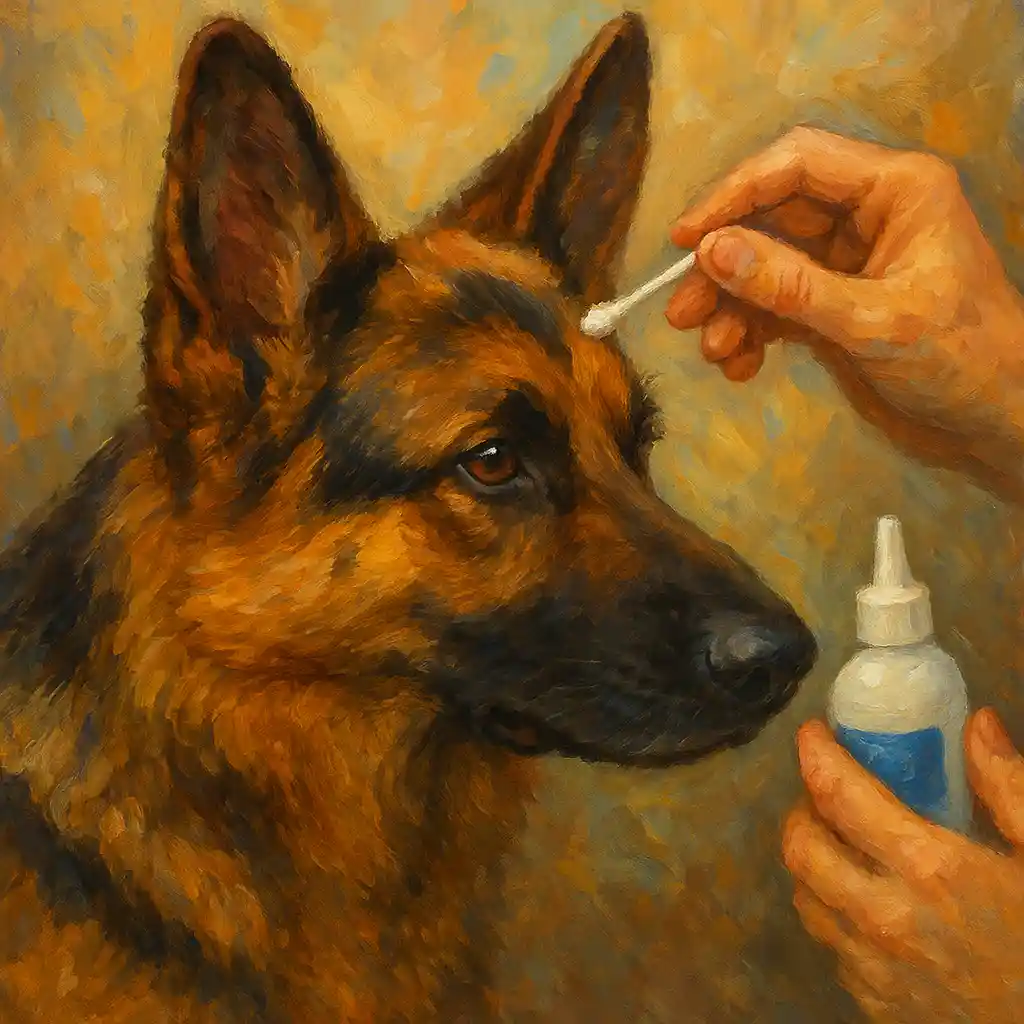
German Shepherds are strong, smart, and active dogs. They love to run, explore, work, and play. With all that activity, their bodies need regular care—especially their ears. Healthy ears help your dog stay comfortable, focused, and happy. Ear problems, on the other hand, can quickly affect mood, sleep, training, and overall health.
This guide shares practical Ear Care Tips for German Shepherds in clear steps. It focuses on prevention, safe cleaning, early warning signs, and smart habits that reduce the risk of ear infections. The goal is simple: make ear care easy, gentle, and part of your normal routine.
Why ear care matters for German Shepherds
Ear infections are common in many dogs. German Shepherds can be affected for several reasons:
- Active lifestyle: They often run in tall grass, dust, sand, and water.
- Debris build-up: Dirt and pollen can sit inside the ear flap and near the ear opening.
- Moisture risk: Wet ears after baths, rain, or swimming can support yeast and bacteria growth.
- Allergies: Many German Shepherds have seasonal or food-related allergies that can show up in the ears.
- Skin sensitivity: Some dogs have sensitive skin that reacts to harsh products or over-cleaning.
Good ear care helps prevent pain, bad smell, discharge, and repeated vet visits. It also helps you notice problems early, before they become serious.
Understanding German Shepherd ear anatomy (simple and useful)
German Shepherds have upright ears that look open and well-ventilated. Many owners assume this means ear infections are rare. In reality, upright ears can still develop problems.
Here is what matters most:
- The visible ear flap is called the pinna.
- The ear canal goes down and then turns inward (like an “L” shape).
- Wax, moisture, and debris can get trapped in that bend.
- The skin inside the ear is delicate and can get irritated easily.
This is why safe technique is important. You can clean what you can see, but you should never push tools deep into the ear canal.
The weekly ear check: your best prevention tool
A weekly ear check is one of the most valuable habits you can build. It takes about 2 minutes and helps you spot changes early.
What healthy ears usually look and smell like
Healthy German Shepherd ears often have:
- Clean, light pink skin (not bright red)
- Little to no visible wax
- No strong smell
- No swelling
- No pain when touched
Some dogs naturally have a small amount of wax. That can be normal. What you want is consistency. If something changes, it matters.
What to look for during the weekly check
During your ear check, look for:
- Redness (especially deep red skin)
- Swelling or thickened skin
- Discharge (brown, yellow, green, or bloody)
- Bad smell (yeasty or strong odor)
- Crusts around the ear opening
- Excess wax that returns quickly after cleaning
- Hair loss or raw skin near the ear
- Pain signals (pulling away, yelping, sudden head movement)
Behavior signs that often come with ear trouble
German Shepherds often show clear behavior changes when their ears hurt, such as:
- Frequent head shaking
- Scratching one or both ears
- Rubbing the side of the head on the floor or furniture
- Holding the head tilted
- Being less playful or more irritable
- Sensitivity when the ear flap is touched
These signs do not always mean infection, but they do mean the ears need attention.
Supplies: keep ear care simple and safe
Having the right supplies makes ear care faster and more comfortable.
Basic ear care kit for German Shepherds
A good home kit includes:
- Vet-approved dog ear cleaner (liquid solution)
- Cotton balls or gauze squares
- Soft towel
- Treats for calm, positive handling
- Disposable gloves (optional, helpful if discharge is present)
Supplies to avoid
Some items cause problems and should not be used:
- Cotton swabs (Q-tips): They push debris deeper and can injure the canal.
- Alcohol or hydrogen peroxide: Often too harsh and drying for regular ear care.
- Strong essential oils (including tea tree oil): Can irritate skin and may be unsafe if used incorrectly.
- Human ear drops: Not designed for dogs and may worsen issues.
When in doubt, stay with a vet-approved cleaner made for dogs.
Choosing the right ear cleaning solution
The best product is one that is safe, gentle, and recommended by your veterinarian. Different solutions target different problems, such as wax build-up, yeast risk, or moisture control.
What a good dog ear cleaner usually does
Many quality cleaners help by:
- Softening wax
- Lifting debris so it can be wiped away
- Supporting healthy ear pH
- Drying gentle moisture (some formulas)
Ingredients and types to be careful with
Some products are fine for certain cases but not for regular use. Examples:
- Strong drying agents can irritate sensitive ears.
- Fragrances may cause reactions in dogs with allergies.
- Home mixes (like vinegar and water) can sting if the ear is inflamed, and they are not a perfect match for every dog.
If your dog has a history of repeated ear infections, the safest plan is to use the solution your vet prefers for your dog’s exact situation.
How to clean German Shepherd ears safely (step-by-step)
Cleaning should be gentle, calm, and not too frequent. Many German Shepherds do well with cleaning every 2–4 weeks, plus a weekly check. Dogs who swim often or have allergies may need more frequent care. Over-cleaning can also cause irritation, so balance is important.
Step 1: Prepare the space and your dog
- Choose a calm location with good light.
- Place a towel under your dog’s head area.
- Have your supplies open and ready.
- Keep your body relaxed and movements slow.
Step 2: Look first, clean second
Before you clean, check for:
- severe redness
- bleeding
- thick yellow/green discharge
- strong pain
If you see these signs, skip home cleaning and contact your vet. Cleaning a painful ear can make things worse.
Step 3: Apply ear cleaner correctly
- Lift the ear flap gently.
- Fill the ear with the cleaner as directed on the bottle (do not guess—follow label instructions).
- Do not put the tip deep into the ear canal. Keep the bottle tip near the opening.
Step 4: Massage the base of the ear
- Massage the base (where the ear meets the head) for 20–30 seconds.
- A soft “squishy” sound is normal. It means the cleaner is moving inside.
This step helps loosen wax and debris safely without pushing anything inward.
Step 5: Let your dog shake
- Step back and allow head shaking.
- This is helpful. It moves loosened debris outward.
Step 6: Wipe what you can see
- Use a cotton ball or gauze to wipe the inside of the ear flap and the visible opening.
- Use gentle pressure.
- Replace cotton as it becomes dirty.
- Stop when the cotton comes away mostly clean.
Step 7: Dry the outer ear area
- Use a clean, dry gauze or towel to remove extra moisture on the ear flap.
- Do not try to dry deep inside the canal.
Step 8: Reward and finish
Give your dog a treat and calm praise. Over time, this builds trust and makes ear care easier.
Common mistakes that cause ear problems
Even caring owners can accidentally make ear issues worse. These are the mistakes that most often lead to irritation or infection:
- Cleaning too often “just in case”
- Using cotton swabs deep in the ear
- Using harsh liquids (alcohol, peroxide) without vet guidance
- Not drying ears after swimming or baths
- Ignoring early warning signs like smell or head shaking
- Stopping treatment too early when an infection is being treated by a vet
- Using leftover ear medication from a past problem (the cause may be different now)
Ear care works best when it is gentle, steady, and based on what your dog actually needs.
Extra prevention: habits beyond cleaning
Cleaning helps, but prevention is bigger than cleaning. Many ear infections are connected to allergies, moisture, and the environment.
1) Keep ears dry after water
Moisture supports yeast and bacteria. After swimming, rain, or a bath:
- Dry the ear flap and the area around the opening with a soft towel
- Avoid leaving the ears damp for long periods
- Consider a vet-approved drying product if your dog swims often
2) Manage allergies (very common in German Shepherds)
Allergies often cause itchy skin and ears. When allergies are not controlled, infections may repeat.
Supportive steps include:
- Regular flea control (fleas can trigger itching and inflammation)
- Vet-guided allergy plans (diet trials, medications, or allergy testing)
- Washing paws and wiping the face after high-pollen walks
- Using gentle shampoos for sensitive skin
If your dog has repeated ear infections, allergies should be considered as a possible root cause.
3) Grooming that supports ear health
German Shepherds do not usually need hair plucking inside the ears like some other breeds. But grooming still helps:
- Brush regularly to reduce loose hair and dander
- Keep the area around the ears clean after outdoor play
- Check for ticks after hiking (ticks can attach near ears)
- Keep nails trimmed (less damage if scratching happens)
Diet and ear health: helpful, realistic support
Diet is not a magic fix, but it can support skin and immune health. Since the ears are lined with skin, healthy skin often means healthier ears.
Nutrients that may support skin and ears
With vet guidance, these can help some dogs:
- Omega-3 fatty acids (often from fish oil) to support skin comfort
- High-quality protein to support repair and immune function
- Balanced vitamins and minerals for overall skin health
Food sensitivities and ear infections
Some dogs react to certain proteins or ingredients. A true food allergy may show as:
- itchy ears
- licking paws
- skin redness
- repeated ear infections
If food sensitivity is suspected, a proper vet-guided food trial is the safest path. Randomly switching foods too often can make it harder to identify the real trigger.
Signs that mean a vet visit is needed (do not wait)
Home care is for mild wax and routine cleaning. A vet should be involved when signs suggest infection, injury, or deeper issues.
Seek veterinary care when you notice:
- strong odor that returns quickly
- thick discharge (yellow/green) or blood
- swelling, heat, or intense redness
- your dog cries, snaps, or pulls away from ear touch
- head tilt, loss of balance, or unusual eye movement
- symptoms that do not improve within 24–48 hours
- repeated infections (more than once or twice a year)
A vet can examine the ear canal safely, check the eardrum, and test the discharge to choose the right medicine. This matters because yeast infections and bacterial infections need different treatments.
Managing chronic or recurring ear infections
Some German Shepherds struggle with ear infections that come back. In these cases, the goal is not only to treat infections, but also to stop the cycle.
Long-term strategies that often help
A good long-term plan may include:
- Regular ear checks (weekly)
- Cleaning schedule based on vet advice (not too often)
- Drying routine after water exposure
- Allergy control plan (often the biggest key)
- Treatment of underlying skin issues
- Follow-up ear tests to confirm the infection is fully gone
Why chronic cases need close vet support
Recurring infections can be linked to:
- allergies (environmental or food)
- resistant bacteria
- yeast overgrowth
- ear canal changes (thickened tissue)
- foreign bodies (grass seeds)
- ear mites (less common in adult dogs, but possible)
- hormone conditions (in some dogs)
A vet can build a plan based on real testing, not guessing. This saves time, money, and discomfort for your dog.
Comfort and handling: making ear care easy for your German Shepherd
German Shepherds are sensitive and smart. If ear care becomes stressful, they may resist. A calm, training-style approach works best.
Tips for better cooperation
- Keep sessions short (2–5 minutes)
- Touch ears gently during calm moments (no cleaning every time)
- Reward calm behavior with treats
- Stop if your dog shows pain signals
- Clean at a time when your dog is relaxed (after a walk can help)
Safe restraint without force
The goal is stability, not struggle.
- Have your dog sit or lie down
- Keep one hand under the chin or on the chest area
- Lift the ear flap gently with the other hand
- Avoid pinning or heavy pressure
- If your dog is strong or nervous, ask another adult to help calmly
If your dog becomes scared, pause and try again later. Fear creates long-term resistance.
A simple weekly ear care plan (easy to follow)
This plan is realistic for most German Shepherd households.
Weekly (2 minutes)
- Visual check of both ears
- Quick smell check (strong odor is a warning sign)
- Note behavior changes (shaking, scratching)
Every 2–4 weeks (or as advised)
- Full cleaning with vet-approved ear cleaner
- Wipe and dry the outer ear area
After swimming or baths
- Dry the ear flap and ear opening area
- Watch for head shaking later that day
Seasonally
- Increase checks during allergy season (spring/fall)
- Wipe after dusty hikes or high-pollen days
- Discuss allergy control with your vet if ear issues repeat
Consistency is more important than intensity. Gentle habits beat aggressive cleaning.
Real-life example (short and practical)
A common story for German Shepherd owners looks like this:
A dog starts shaking the head after outdoor play. The ear smells a bit stronger than usual. The owner cleans the ear once, but the smell returns in two days. The dog begins scratching more. A vet visit shows yeast overgrowth. After proper medication and a new routine (drying after wet walks, weekly checks, and allergy support), the infections stop returning.
The lesson is simple: early action and a steady plan prevent long, painful problems.
“FAQ-style” notes (no guessing, no confusion)
These statements address common concerns in a clear way:
- Routine ear checks are safe and helpful for almost all German Shepherds.
- Cleaning too often can irritate ears, especially in dogs with allergies.
- A strong smell is not normal and often signals yeast or infection.
- Brown wax can be normal in small amounts, but heavy buildup that returns quickly needs attention.
- Vet-approved cleaners are safer than home mixes for regular use.
- Ear infections can become serious if ignored, and some can affect balance and comfort.
- Recurring infections usually have an underlying cause, such as allergies or moisture.
Safety reminders (worth repeating once)
To keep ear care safe:
- Never push swabs or tools into the ear canal.
- Do not use harsh products (alcohol, peroxide) unless your vet instructs it.
- Do not use leftover ear medication from an older infection.
- Stop and contact your vet if the ear looks very painful, swollen, or infected.
Conclusion: calm, consistent care protects your German Shepherd
Good ear health is not about doing something complicated. It is about doing small, smart steps regularly. Weekly checks help you notice early changes. Safe cleaning removes wax and debris without harm. Drying after water stops moisture problems. Managing allergies and skin health reduces the biggest hidden cause of repeated infections.
These Ear Care Tips for German Shepherds are designed to be easy, gentle, and effective. With a simple routine and attention to early warning signs, you support comfort, prevent infections, and protect your dog’s quality of life for years.
If you want, this article can also be formatted into a printable one-page checklist for weekly ear care (same content, shorter layout).