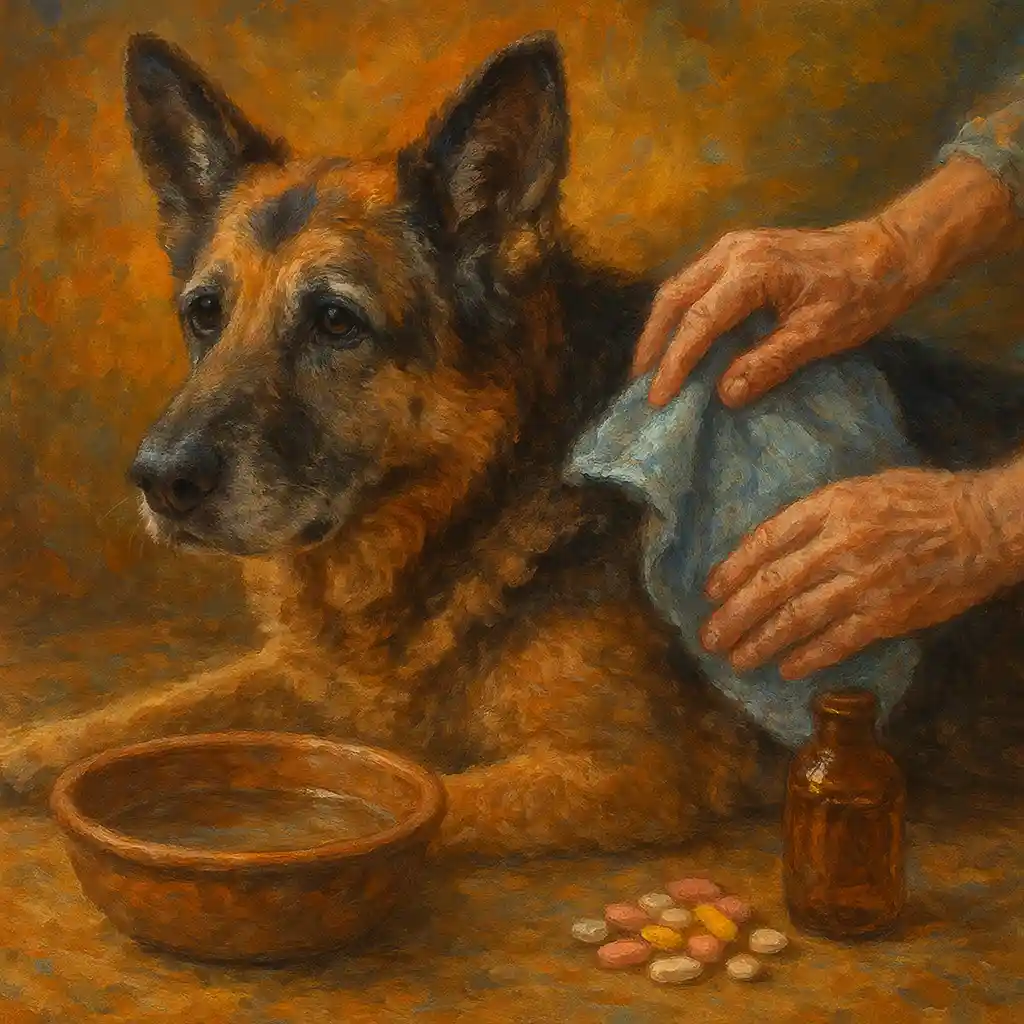
As your German Shepherd Dog (GSD) enters their golden years, you might notice they’re slowing down a bit, or sleeping more often. You probably know the feeling when you watch your loyal companion age and want to make sure those later years are full of comfort and joy. Senior dogs have special needs, but with a bit of extra attention and the right care, you can help ensure your GSD stays healthy and happy for as long as possible.
In this comprehensive guide, we’ll share the best Tips for Your Senior German Shepherd across all areas of their well-being—covering vet visits, diet, exercise, joint care, dental and eye health, parasite prevention, vaccinations, behavioral health, and emergency preparedness. By following these practical and friendly tips, you’ll add real value to your furry friend’s quality of life, making this chapter together one to treasure.
In addition to the previous advice, here are more Tips for Your Senior German Shepherd that can further enhance their health and happiness.
Essential Tips for Your Senior German Shepherd
More Tips for Your Senior German Shepherd
1. Schedule Annual (or More Frequent) Vet Visits
The most important tip for your senior German Shepherd is to follow these Tips for Your Senior German Shepherd and not skip the vet.
What happens at a good wellness check? Your vet will weigh your GSD, listen to their heart and lungs, check teeth and gums, feel their joints and muscles, test their eyes and ears, and might suggest bloodwork or urine tests to check vital organ health. These checks help catch silent problems, like kidney issues or diabetes, that aren’t obvious at home.
Tip: Keep a notebook or smartphone app for health notes. Record changes in appetite, weight, water intake, mobility, and behavior to discuss at appointments.
2. Ensure Optimal Nutrition and Diet
Nutrition plays a major role in your senior GSD’s health. As they age, your dog’s metabolism slows, so they need fewer calories, but senior dogs often need more protein and certain nutrients for muscle and organ support.
Choose a high-quality senior dog food formulated specifically for large breeds. Look for options with:
- Glucosamine and chondroitin for joint support
- Lower fat and calories to prevent weight gain
- Omega-3 fatty acids for skin, coat, and brain health
- Added fiber for digestion
- Antioxidants to support the immune system
Keep treats healthy and given in moderation, always accounting for them in your dog’s daily calorie count.
Tip: Check with your vet before switching food or adding supplements. They can recommend the right diet for conditions such as arthritis or kidney disease.
3. Maintain a Healthy Weight
A senior German Shepherd carrying extra weight puts more stress on their joints and organs. Overweight dogs are more likely to develop arthritis, diabetes, and heart problems.
How to keep your GSD at a healthy weight:
- Measure food at every meal instead of free-feeding
- Feed in two smaller meals daily, not one large meal
- Offer veggies (like carrots or green beans) as low-calorie snacks
- Watch for “hidden” treats and snacks from family members
Additionally, consider these Tips for Your Senior German Shepherd when choosing their food.
Maintaining a healthy lifestyle with these Tips for Your Senior German Shepherd can keep them active.
Keep track of your dog’s body condition score (BCS) and discuss healthy targets with your vet.
4. Support Joint Health
German Shepherds are prone to hip and elbow dysplasia, arthritis, and joint pain, especially in their senior years. You’ll probably notice your dog slowing down, hesitating at stairs, or becoming stiff after rest.
Tips for supporting your senior’s joints:
- Daily exercise: Gentle walks and swimming are ideal, as they keep muscles strong without stressing the joints.
- Supplements: Glucosamine, chondroitin, MSM, and fish oil can help reduce inflammation and discomfort. Get recommendations from your vet.
- Comfortable bedding: Provide a thick, orthopedically supportive bed for rest.
- Maintain a healthy weight: Extra weight puts more pressure on sensitive joints.
- Non-slip surfaces: Use rugs or mats on slippery floors to prevent slips and falls.
Tip: Gentle daily massage can ease stiffness and soothe aching muscles.
Be mindful of these Tips for Your Senior German Shepherd when managing their pain.
5. Prioritize Dental Care
Dental disease is common in aging dogs and can lead to pain, tooth loss, and even infections that spread to the kidneys or heart. Signs include bad breath, drooling, red or bleeding gums, or reluctance to chew.
Simple dental care tips:
- Brush teeth regularly: Use a soft dog toothbrush and canine toothpaste.
- Provide dental chews: These help reduce plaque and tartar.
- Dental toys: Durable rubber toys and ropes can assist in cleaning.
- Annual vet dental cleanings: Your vet may suggest professional cleanings for deep tartar or gum disease.
Tip: Make teeth cleaning part of your daily routine—gentle, frequent sessions are much better tolerated than long, occasional ones.
6. Care for Their Eyes
Vision problems like cataracts, dry eyes, and cloudiness are more likely as your GSD ages. Watch for squinting, excessive tearing, redness, or bumping into familiar objects.
Caring for your dog’s eyes:
- Keep the area around the eyes clean and free of debris
- Feed foods rich in antioxidants, like blueberries and carrots, to support eye health
- Schedule regular eye exams during checkups
- Use dog-safe sunglasses (“doggles”) if your dog enjoys sunny outings
Integrating these Tips for Your Senior German Shepherd into their routine will help.
Tip: Quick action for any sudden cloudiness, redness, or discharge can save your dog’s vision. Don’t wait—call your vet promptly.
7. Monitor Heart Health
Large breeds like German Shepherds can be at risk for heart problems, especially as they get older. Early symptoms are subtle but include coughing, shortness of breath, tiring quickly, or fainting spells.
To support heart health:
- Regular gentle exercise (walks, swimming)
- A heart-healthy diet with moderate sodium and plenty of omega-3s
- Maintain a healthy weight
- Visit your vet for annual heart checks (they may recommend X-rays or an ultrasound in older dogs)
8. Encourage Gentle, Regular Exercise
Even the “laziest” senior Shepherd needs exercise to avoid muscle loss, stiffness, and weight gain. Activity supports not just the body, but also your dog’s mental well-being.
Best activities for older GSDs:
- Short, slow walks several times per day instead of long hikes
- Swimming (if your dog likes water)
- Gentle play sessions
- Simple training games or food puzzles to keep his brain sharp
- Stretching and range-of-motion exercises
Avoid very rough or high-impact play and pay attention to your dog’s stamina. Rest days are okay!
Tip: If your dog seems sore or tired, cut back a little and try again the next day. Consistency—not intensity—is the goal.
9. Prevent Parasites
Senior GSDs are more vulnerable to infections from parasites like fleas, ticks, and worms due to a weaker immune system.
Best parasite prevention practices:
- Use a vet-approved flea and tick product year-round
- Deworm regularly as recommended by your vet
- Keep bedding and living areas clean and washed
- Check your dog’s skin and ears after walks, especially in grassy or wooded areas
10. Stay on Top of Vaccinations
Older dogs still need vaccines! Their immune system may weaken, so boosters against rabies, distemper, and parvovirus are vital. Your vet might adjust the schedule a little, depending on your dog’s age and health.
Review your GSD’s vaccination record at every visit. Vaccines not only protect your dog but also other animals (and people!) they meet.
11. Protect Behavioral and Mental Health
Changes in sleep, behavior, or personality can signal pain, discomfort, cognitive dysfunction, or anxiety.
Support your dog’s mental and behavioral well-being:
Don’t forget to consider these essential Tips for Your Senior German Shepherd during vet visits.
- Keep routines predictable—dogs love knowing what happens next
- Offer enrichment from food puzzles, soft toys, and gentle training games
- Be patient with confusion, accidents, or anxiety
- Ask your vet about senior-specific calming aids or medications if problems persist
- Ensure your dog socializes gently with family and other pets
Tip: Keep a record of new behaviors (like restlessness at night or “getting stuck” in corners) to share with your vet.
12. Prepare for Emergencies
Emergencies are stressful for everyone, but with a little preparation, you can act quickly and safely.
Create a senior dog emergency kit:
- Three-day supply of food, water, and any medications
- Copies of vet records, vaccination status, and microchip info
- First aid kit (bandages, antiseptic, tweezers)
- Contact numbers for your vet and a 24-hour animal hospital
- Familiar blanket or toy for comfort
Practice by doing a mini “drill” with your GSD. Check every few months and refresh items as needed. This preparation brings peace of mind for you both.
13. Encourage Family Involvement
Caring for a senior GSD is a team effort. Discuss your dog’s needs with the whole family:
- Agree on feeding times, treats, and exercise routines
- Make sure everyone knows signs of pain or illness
- Share the responsibility of cleaning, brushing, and gentle play
Remind young children that a senior dog may need extra time to rest and gentle handling.
14. Keep Them Comfortable and Included
A happy senior GSD isn’t just about health—it’s about continuing to feel part of the family.
- Easy Access: Place ramps or steps by the bed or couch so your German Shepherd can join family time without risking jumps that could hurt their joints.
- Warmth and Softness: Senior dogs are sensitive to cold and hard surfaces. Provide a cozy, thick orthopedic bed placed away from drafts.
- Quiet Spaces: Create a peaceful retreat your dog can use when the house is busy.
- Gentle Grooming: Brush your GSD regularly to keep their coat healthy and skin comfortable. Watch for lumps, bumps, or sores and address them promptly.
- Routine Matters: Keep daily schedules as consistent as possible for meals, walks, medication, and rest.
Stay Involved: Involve your dog in family activities, even if it’s just being by your side as you read, garden, or watch TV. Short and positive interactions mean everything to your loyal companion.
15. Recognize Signs of Pain or Illness Early
Senior GSDs may hide discomfort, so subtle changes could signal bigger problems. Look for:
- Reluctance to move, climb stairs, or play
- Limping or stiffness
- Changes in eating, drinking, or bathroom habits
- Breathing changes
- Odd facial expressions, whining, or licking spots on their body
- Withdrawal from family or favorite activities
Report any changes to your vet, no matter how small. Early treatment is key to your dog’s comfort.
16. Build a Strong Relationship with Your Vet
Your veterinarian is your best partner in caring for your senior German Shepherd. Don’t be afraid to bring up concerns or ask questions, including:
- Diet and weight recommendations
- Pain management options and supplements
- The best exercise routine for your dog’s abilities
- How to maintain dental and eye health
- Behavioral changes or emotional support
- Adjustments to vaccination and parasite prevention schedules
- Advice for providing comfort and compassionate end-of-life care when the time comes
A supportive, communicative relationship helps your dog live the healthiest and happiest life possible.
17. Cherish Each Moment
Most importantly, enjoy your time with your loyal friend! Senior dogs possess a special wisdom and a deep bond with their humans. Simple pleasures—gentle walks, belly rubs, quiet afternoons, or a favorite soft toy—mean more to your GSD than you can imagine.
Here’s a quick summary of the top Tips for Your Senior German Shepherd:
- Keep up with regular veterinary visits
- Feed a high-quality, senior-appropriate diet and monitor their weight
- Support joint, dental, eye, and cognitive health with prevention and daily care
- Continue age-appropriate exercise and mental stimulation
- Maintain parasite prevention and vaccination schedules
- Create a comfortable, accessible, and safe home environment
- Involve the whole family in your dog’s golden years
- Prepare for emergencies and know the signs of pain or illness
- Stay connected with your vet for ongoing support
- Savor every moment and celebrate your years together
Final Words
Caring for a senior German Shepherd comes with its own challenges, but it also brings deep rewards. With patience, love, regular attention, and these proven tips, you’ll give your furry friend the best possible quality of life. Remember, each day is special and every wag, sigh, and cuddle is a gift.
Schedule that next wellness check today. Update your care routine with these tips, and continue making beautiful memories with your loyal, loving German Shepherd by your side. That’s the heart and soul of true dog ownership—caring, connecting, and cherishing the bond you share.
Thank you for being a wonderful guardian to your senior GSD. Your care makes all the difference!
These Tips for Your Senior German Shepherd will ensure you enjoy every moment with your pet.
Thank you for exploring these Tips for Your Senior German Shepherd.