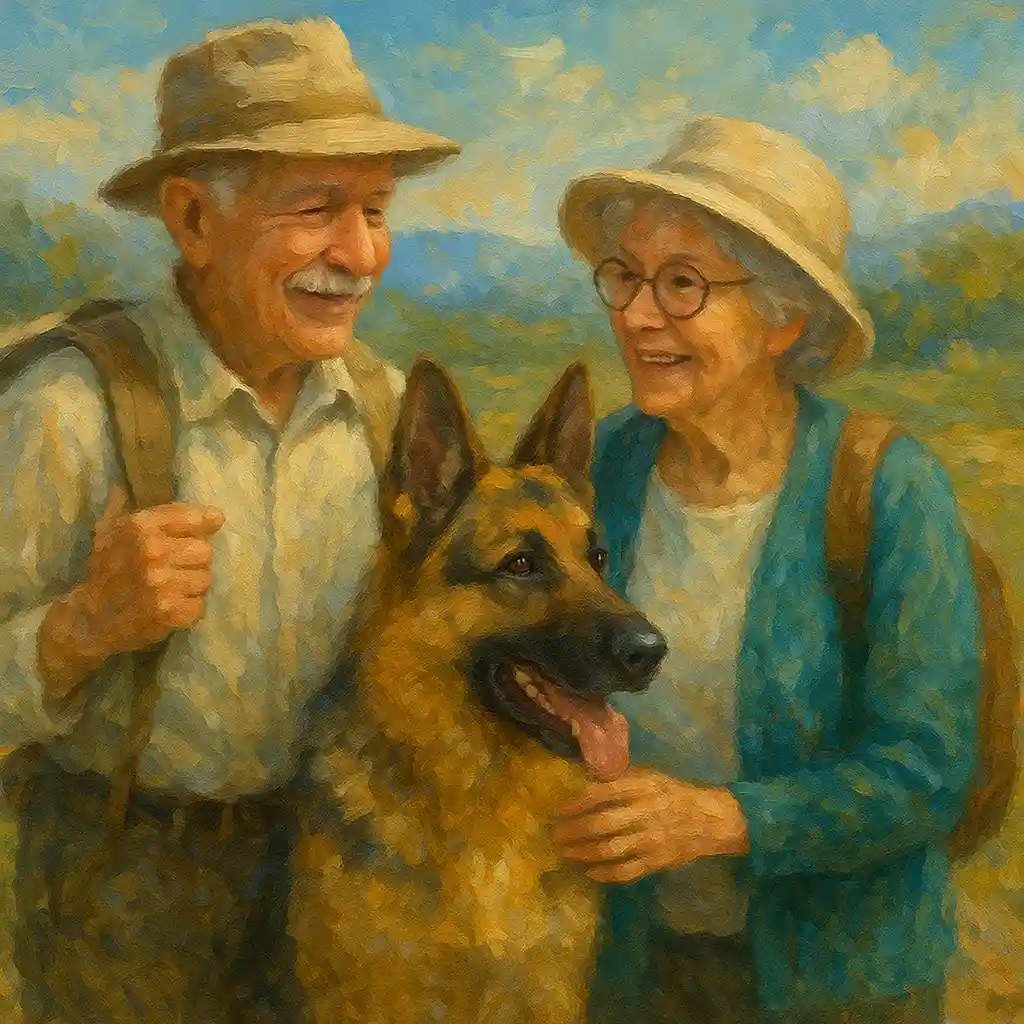
Travel can be one of life’s great joys. It can also feel harder with age, especially when a large, smart, active dog comes along for the ride. German Shepherds are loyal and brave, but they also notice every change around them. New sounds, new smells, and long hours in a car can lead to stress if the trip is not planned well.
This blog entry shares practical Travel Tips for Seniors with German Shepherds with a strong focus on one of the most important tools for safe travel: a well-set travel crate and a good care routine on the road. The goal is simple. Create a travel system that protects your body, supports your dog’s health, and makes the journey calm and enjoyable.
In addition to these guidelines, here are more specific Travel Tips for Seniors with German Shepherds that can further enhance your travel experience. Always ensure that your German Shepherd is comfortable during the journey, as this will contribute to a peaceful travel atmosphere.
Essential Travel Tips for Seniors with German Shepherds
For effective travel, consider these Travel Tips for Seniors with German Shepherds that emphasize planning and preparation. These tips are designed to keep your German Shepherd calm and happy throughout the trip.
A solid plan reduces common travel problems:
- sudden jumping or rushing when a door opens
- distractions while driving
- anxiety, barking, or whining
- motion sickness
- slipping on hotel floors
- stiff joints after long rides
- trouble finding safe rest stops
- emergency vet visits in unfamiliar places
Good planning also protects your German Shepherd from injury during a sudden stop. In a crash, an unrestrained dog can be seriously hurt. A properly secured crate can reduce this risk.
Continuously incorporating Travel Tips for Seniors with German Shepherds into your routine will help manage your dog’s behavior during travel, ensuring a smoother experience for both you and your pet.
Choosing the right travel crate for a German Shepherd
A travel crate is not only a box. It is a seat belt system, a safe room, and a calm space. For travel, strength and stability matter.
1) Pick the right crate type
Common crate styles include:
Heavy-duty plastic travel crates
By following these Travel Tips for Seniors with German Shepherds, you can significantly reduce the stress of travel for both you and your dog.
- good for calm dogs
- easy to clean
- often lighter than metal
- can become warm without good airflow
Wire crates
- excellent airflow
- easy to fold and store
- not ideal for strong escape artists
- can rattle during travel unless secured
Heavy-duty metal crates (escape-resistant)
- best for strong, anxious, or determined dogs
- very durable
- heavier and more expensive
- great for long-term travel routines
For many seniors traveling often, a sturdy crate that is easy to handle becomes the best long-term choice. The best crate is the one that keeps the dog safe and is realistic for you to lift, move, and clean.
2) Get the correct size
Size affects comfort and safety. A crate that is too small causes stress and stiffness. A crate that is too large allows too much movement during braking.
A good travel fit allows the dog to:
- stand up without crouching
- turn around fully
- lie down with legs relaxed
Simple measuring guide
- Length: measure from nose to base of tail, then add around 10 cm / 4 inches
- Height: measure from floor to top of head while standing, then add around 10 cm / 4 inches
If your German Shepherd is older or has joint pain, slightly more room can help them stretch and shift positions.
3) Focus on safe crate features
Look for these features when buying a crate:
- strong door latches that do not pop open
- smooth edges that do not rub paws or nose
- solid base that does not bend
- good airflow on more than one side
- space to attach a water bowl safely
- tie-down points or strong areas to strap it in
Setting up the crate for real comfort on the road
Comfort reduces stress, and reduced stress means safer driving and fewer behavior issues.
1) Choose padding that supports joints
German Shepherds often develop joint problems later in life, including hip or elbow issues. Long rides can make stiffness worse. Good padding matters.
Good options include:
- orthopedic foam mat with a washable cover
- thin memory foam pad made for crates
- layered blankets for mild support and easy cleaning
Avoid thick, loose bedding that bunches up and can twist under the dog’s legs. Also avoid padding that slides. A non-slip base helps.
Easy maintenance tip Choose padding with a removable cover or a mat that can be wiped clean. Travel can include muddy paws, drool, and occasional stomach trouble.
2) Add familiar items, but keep it simple
A travel crate should feel familiar, but not crowded. Add:
- one familiar blanket with home smell
- one safe chew or durable toy
- a worn T-shirt with your scent if it helps your dog settle
Avoid too many items that can shift, block airflow, or create mess.
3) Control light and noise
Some dogs relax more when the crate feels like a den.
Helpful options:
- a light crate cover that does not block ventilation
- a towel clipped to one side only, not wrapped fully around
- calm music at low volume
Covering the crate fully can trap heat, especially in warm weather. A half-cover often works better.
Ventilation and temperature: the quiet safety risk
Heat risk rises fast in vehicles. German Shepherds can overheat quickly because they are large and active, and many have thick coats.
Ventilation rules for safer travel
- Place the crate where air can move around it
- Keep vents and openings clear
- Never block crate vents with heavy blankets
- Avoid direct sunlight on the crate
- Use AC in warm weather and keep air flowing to the back of the vehicle
Extra help for hot days
- a battery-powered crate fan (secured safely)
- a cooling mat designed for dogs
- travel early morning or later evening
Heat safety is not only for summer. Even mild days can become hot inside a parked car.
Securing the crate in the vehicle the right way
A crate must be stable. Sliding crates cause stress and can injure the dog. A stable crate also protects the driver by reducing noise and movement.
Best locations in most vehicles
- SUV / hatchback cargo area is often best
- back seat can work if the crate fits and can be strapped down
- avoid front seat placement
How to secure the crate
Good securing methods include:
- seat belt threaded through crate handles or built-in loops
- ratchet straps anchored to cargo hooks
- cargo barriers plus straps for extra safety
The crate should not tip, roll, or slide during turns or braking. Test the setup by pushing firmly in different directions before the trip starts.
Senior-friendly setup tip
If lifting a large crate is hard, consider:
- keeping the crate in the vehicle during travel season
- using a crate with handles and lighter materials
- using a ramp for your dog so lifting is not needed
- placing the crate in the car first, then guiding the dog in
Reducing heavy lifting protects shoulders, back, and knees.
Crate training before travel: building calm step by step
Even a confident German Shepherd can struggle if a crate appears only on travel days. Training builds a strong positive habit.
Simple crate training plan
Step 1: Open door, rewards inside Place treats in the crate. Let your dog go in and out freely.
Step 2: Short rests Encourage your dog to lie down inside for a few minutes. Reward calm behavior.
Step 3: Close the door briefly Close the door for short times while you stay nearby. Keep the tone relaxed.
Step 4: Add movement Practice with the crate in the vehicle while parked. Then do short drives.
Step 5: Build duration Increase time slowly. Keep travel days predictable.
Training should feel safe and positive. The goal is a dog that enters the crate without stress and rests quietly when the car moves.
Planning the first night away: hotel, family home, or cabin
The first night in a new place can be the hardest part for many dogs. German Shepherds are alert and may want to patrol, especially in a strange building.
Night routine that supports calm sleep
- feed dinner earlier, not right before bed
- take a calm walk and allow a full bathroom break
- place the crate in a quiet corner, away from doors and hallways
- use the same bedding as at home
- keep lighting low and sounds calm
- keep water available, but avoid large late drinks if accidents are a risk
For seniors, a calm night matters. A stable bedtime routine reduces barking, pacing, and stress.
Rest stops and breaks: safer travel for bodies and minds
Long rides are hard on joints for both humans and dogs. Breaks prevent stiffness and reduce anxiety.
A practical rest stop schedule
Many travelers do well with:
- a break every 2 to 3 hours
- a short walk of 5 to 15 minutes
- small water offers at each stop
German Shepherds often stay calmer with regular movement. Seniors often feel better too, especially with back or hip stiffness.
Safe rest stop habits
- always leash up before opening the crate
- avoid dog parks on travel days if your dog gets overexcited
- choose quiet grass areas away from traffic
- carry waste bags, wipes, and hand sanitizer
- use a non-slip step or ramp if your dog is older
A calm break is better than a long, wild break. Calm breaks protect joints and reduce pulling.
Food and water on the road
Travel can upset stomachs. Motion, stress, and new schedules can change digestion.
Feeding tips that help prevent nausea
- keep meals smaller on travel days
- avoid heavy meals right before driving
- pack the same food your dog eats at home
- avoid too many new treats during the trip
Hydration tips
- offer water often in small amounts
- use a no-spill travel bowl
- carry extra water if traveling to warm areas
If your dog is a messy drinker, a crate-mounted water container can reduce spills. Test it at home first.
Motion sickness and travel anxiety: common issues and gentle solutions
Some German Shepherds get motion sick, especially when young. Others feel anxious when they cannot see what is happening.
Signs to notice
Common signs of stress or sickness include:
- heavy panting when the car is not hot
- drooling and lip licking
- whining, barking, or scratching
- refusing food
- vomiting or diarrhea
- wide eyes, tense body, trembling
Helpful steps for motion sickness
- drive smoothly, avoid sharp turns and fast starts
- keep the car cool and well ventilated
- limit food before travel
- take frequent breaks
- place the crate where movement feels less intense, often near the center of the vehicle
Calming supports
Some dogs relax with:
- familiar bedding and scent items
- calming music
- a light crate cover for a den feeling
- steady routines for breaks and bedtime
For stronger anxiety or repeated vomiting, veterinary support can be useful. Some dogs need medical help for nausea or anxiety, especially on long trips.
Monitoring your dog during travel without creating distraction
Safety includes watching your dog’s condition without losing focus on the road.
Helpful habits:
- check your dog at each stop
- listen for changes in breathing, scratching, or sudden movement
- avoid reaching back while driving
- use a mirror designed for back-seat or cargo viewing if helpful
At stops, look for:
- wet bedding, signs of vomiting, or diarrhea
- hot ears, heavy panting, or glassy eyes in warm weather
- stiffness when getting out of the crate
Early action prevents bigger problems later.
Legal, safety, and identification basics for travel
Travel rules vary by region. Even short trips become easier when documents and identification are ready.
Identification essentials
Implementing these essential Travel Tips for Seniors with German Shepherds is a great way to ensure safety and comfort while on the road.
- collar with ID tag
- microchip registered with current phone number
- a recent photo of your dog on your phone
Health and travel documents
Carry:
- vaccination record, including rabies
- any required travel certificates
- a list of medications and doses
- your vet’s contact information
- contact for an emergency vet near your destination
A simple folder or travel pouch keeps everything in one place.
Senior-friendly packing list for German Shepherd travel
A clear list reduces stress and prevents missed items.
Crate and comfort
- travel crate, secured system, and cover (optional)
- washable padding or mat
- familiar blanket
- one durable toy or chew
Food and water
- measured food portions
- travel bowl, water bottle, no-spill bowl
- treats for calm behavior and training
- waste bags, wipes, paper towels
Health and safety
- medications and supplements
- tick and flea protection if needed
- basic canine first-aid kit
- grooming brush for shedding and comfort
Walking gear
- strong leash
- backup leash
- harness or secure collar
- reflective gear for low light
Cleaning
- enzyme cleaner for accidents
- small trash bags
- towel for muddy paws
This list supports comfort and keeps the vehicle cleaner, which makes travel easier for seniors.
Common crate travel problems and clear fixes
Escaping attempts
Why it happens
- anxiety, boredom, poor crate training, weak latches
What helps
- stronger crate or stronger door system
- more crate practice at home
- familiar bedding and steady routine
- calm breaks and exercise
Barking or whining in the crate
Why it happens
- stress, need for a break, too much excitement, noise
What helps
- reduce stimulation with a partial cover
- give a calm chew
- improve ventilation and temperature
- increase training before longer trips
- keep breaks regular and predictable
Refusing to enter the crate
Why it happens
- negative past experience, too little practice, discomfort
What helps
- rebuild positive crate habits with treats and short sessions
- improve padding and crate location
- avoid forcing, use calm rewards and patience
Extra travel comfort tips designed for seniors
These practical changes often make the biggest difference:
- Use a ramp for the car to protect your back and your dog’s hips
- Choose ground-floor rooms to avoid stairs and long hallways
- Keep a consistent schedule for feeding, walking, and bedtime
- Plan shorter driving days with more stops and less rushing
- Pick quieter hotels away from elevators and busy lobbies
- Use luggage with wheels to reduce heavy carrying
- Keep the crate routine stable so the dog knows what to expect
Simple routines create calm behavior, and calm behavior protects your energy.
A sample one-day travel plan that works well
This example fits many seniors and adult German Shepherds.
Morning
- short walk and bathroom break
- small breakfast or half meal
- load car calmly
- 1.5 to 2.5 hours of driving
Stop 1
- leash on before crate door opens
- 10-minute walk and water
- quick check of crate bedding
Midday
- 2 hours of driving
- calm arrival at a rest area
Stop 2
- bathroom break, water
- small snack if needed
Afternoon
- 1.5 to 2 hours of driving
Arrival
- longer walk
- dinner
- quiet evening and early bedtime
This steady rhythm supports joints, digestion, and calm behavior.
Key takeaways: safe, calm travel is built on simple systems
Comfortable travel does not depend on luck. It comes from a small set of habits done well:
- choose the right crate size and type
- pad it for comfort and joint support
- keep ventilation and temperature safe
- secure the crate so it cannot move
- train the crate before the trip
- plan rest stops for movement and hydration
- pack simple essentials and documents
- watch for stress signals and respond early
With these Travel Tips for Seniors with German Shepherds, travel becomes more peaceful and more predictable. The crate becomes a safe “mobile bedroom,” and your German Shepherd learns that road trips mean rest, routine, and time together.