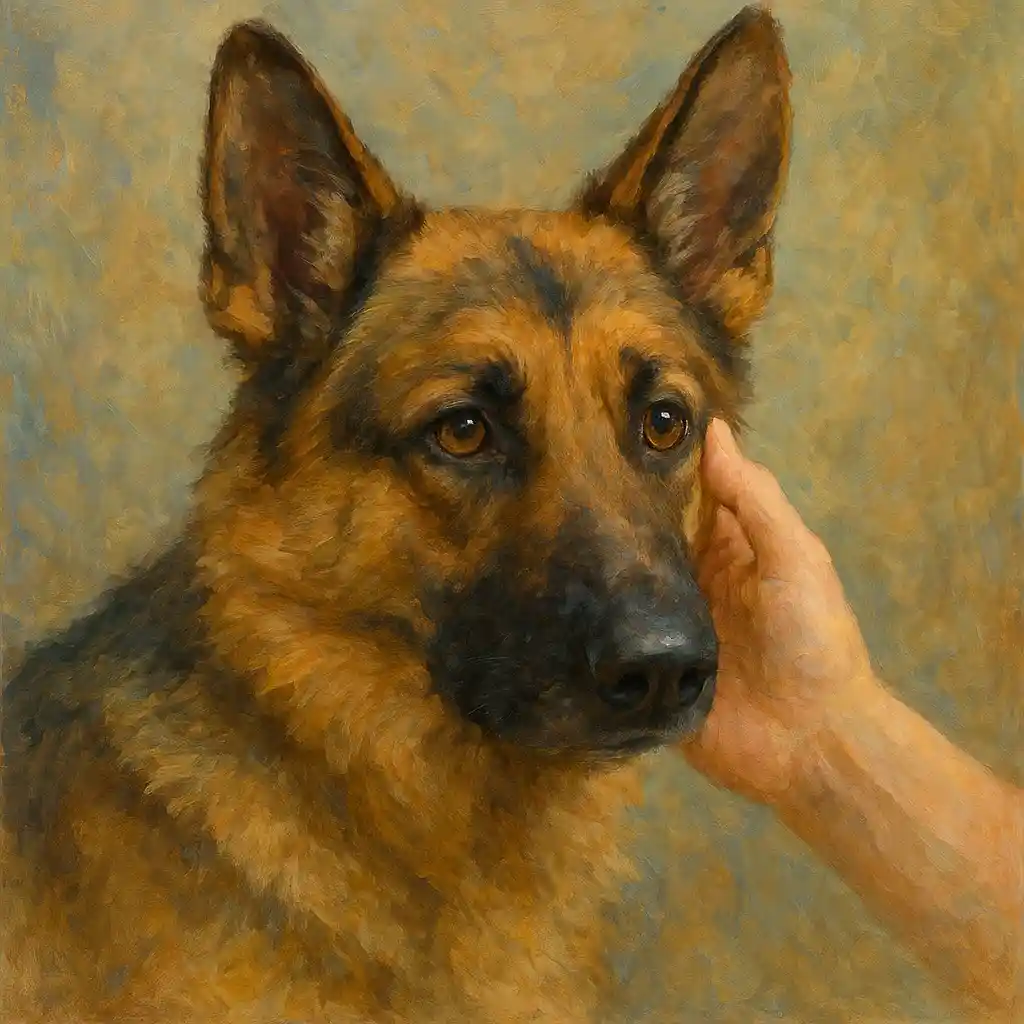
German Shepherds are alert, active, and deeply connected to their people. They explore the world with their nose, their ears, and very much with their eyes. Healthy eyes are essential for preventing eye problems in German Shepherds, supporting confident movement, safe play, good training, and a comfortable life at every age.
This guide is a easy-to-follow resource focused on German Shepherd eye health, including common problems like Cherry Eye and Entropion, a safe eye cleaning routine, lifestyle prevention, medication tips, and clear signs that mean it is time for a veterinarian visit. It is written to be clear, friendly, and pratical, with high readability and real added value.
Regular checks are essential for Preventing Eye Problems in German Shepherds.
1) Why eye care matters for German Shepherds
German Shepherds often live an active life: running, hiking, training, guarding, playing, riding in the car with the window open. All of these can expose the eyes to dust, pollen, dry wind, small particles, and minor injuries.
Eye problems can also develop from:
- Breed-related anatomy (eyelid shape, deep-set eyes)
- Genetics
- Allergies
- Aging changes
- Infections or irritation that start small and slowly get worse
Small issues can become painful quickly, and some conditions can affect vision permanently if they are not treated. The good news is that eye health is something you can support at home with simple habits and fast action when needed.
2) What normal, healthy eyes look like
For effective Preventing Eye Problems in German Shepherds, observe their behavior closely.
Knowing what “normal” looks like helps you notice early change. Healthy German Shepherd eyes are usually:
Understanding the signs is key in Preventing Eye Problems in German Shepherds.
- Clear, bright, and open
- Similar in appearance on both sides
- Free of thick discharge
- Not strongly red
- Not cloudy or bluish
- Not swollen around the eyelids
A small amount of clear tearing can be normal, especially outside on a windy day. Some dogs also get minor “sleep” in the corner of the eye. What matters is change: more than usual, thicker than usual, or paired with discomfort.
3) Common eye issues in German Shepherds
Many eye problems look similar in the beginning, so do not try to guess for too long. Instead, learn the most common conditions and the warning signs.
Cherry Eye (prolapse of the third eyelid gland)
Cherry Eye happens when the gland of the third eyelid slips out of place and becomes visible as a pink or red bulge at the inner corner of the eye.
Typical signs
- A red, swollen “cherry-like” lump in the inner corner
- Increased tearing
- Mild irritation, blinking, rubbing the face
- Sometimes mucus discharge
Why it matters That gland helps produce tears. If it stays out or becomes damaged, your dog can develop dry eye later, which can become a long-term problem.
There are various techniques for Preventing Eye Problems in German Shepherds.
Common treatment
- Veterinary exam to confirm the cause of the swelling
- Lubricating drops or anti-inflammatory medication in some cases
- Surgery is common to reposition the gland (not remove it in most modern approaches)
Cherry Eye is not something to push back in at home. Pressure can hurt the eye and increase inflammation.
Entropion (inward rolling eyelid)
Entropion means the eyelid rolls inward, so the eyelashes and hair rub on the surface of the eye. This causes irritation that can become painful and can damage the cornea.
Typical signs
- Squinting, frequent blinking
- Watery eyes, tearing that does not stop
- Redness around the eye
- Pawing at the face
- Sensitivity to light
- Sometimes a cloudy look if the cornea is irritated or scratched
Why it matters Constant rubbing can create corneal ulcers. Ulcers are serious and need fast veterinary care.
Common treatment
- Vet-confirmed diagnosis
- Eye drops to protect and treat irritation
- Surgery to correct eyelid position when needed
Some young dogs improve as they grow, but many need treatment. Waiting too long can lead to repeated injury.
Conjunctivitis (inflammation, often called pink eye)
Conjunctivitis can be caused by allergies, irritants, bacteria, viruses, dry eye, or other eye disease.
Typical signs
- Red or pink tissue around the eye
- Discharge (clear, white, yellow, or green)
- Swelling
- More blinking or rubbing
Because conjunctivitis can be a result of deeper problems, it is best treated with a vet-guided plan, not random drops.
Dry eye (keratoconjunctivitis sicca)
Dry eye happens when tear production is too low or tear quality is poor. German Shepherds can be at risk, especially if they have gland problems or immune-related issues.
Typical signs
- Thick, sticky discharge
- Dull-looking eye surface
- Redness
- Frequent blinking
- Repeated infections
Dry eye is usually manageable, but it often needs long-term medication.
Corneal scratches and ulcers
A scratch can happen from play, bushes, dust, or a small hit. Ulcers can develop from scratches, entropion, dry eye, or infection.
Typical signs
- Sudden squinting and pain
- Strong tearing
- Dog keeps the eye closed
- Sensitivity to light
- Cloudy surface
Ulcers can worsen fast. This is a same-day veterinary issue.
Cataracts and age-related cloudiness
German Shepherds can develop cataracts, and older dogs can also show age-related changes.
- Cataracts often look like a white/grey opacity inside the lens and may affect vision.
- Nuclear sclerosis is a common aging change that can look like mild bluish haze, often with limited vision impact.
Only a veterinarian can tell the difference reliably. If you see cloudiness, do not wait.
4) Weekly eye check habit (simple and effective)
A good routine is quick and calm. Once a week is a strong baseline, and you can do it more often if your dog has allergies or tends to get discharge.
What to check
- Eyelids: swelling, inward rolling, sores
- Inner corner: unusual pink bulge (Cherry Eye sign)
- Whites of the eyes: redness or visible blood vessels
- Discharge: clear vs thick, yellow, or green
- Clarity: any cloudiness, blue haze, or spots
- Comfort: squinting, rubbing, avoiding light
This habit helps you spot small changes early, when care is easier.
5) A safe eye cleaning routine for German Shepherds
A gentle eye cleaning routine supports comfort and reduces irritation from dirt, pollen, and mild discharge. It also helps you notice problems early.
Supplies to keep at home
- Soft cotton pads or sterile gauze (better than fluffy cotton balls that can leave fibers)
- Clean, lukewarm water or sterile saline (vet-approved)
- Optional: dog-safe eye wipes (unscented, designed for pets)
- Treats for calm cooperation
- Good light source
Step-by-step cleaning (safe method)
- Wash your hands.
- Keep your dog calm and stable. Sit beside them rather than leaning over from above.
- Moisten a pad with saline or clean water. It should be damp, not dripping.
- Wipe gently from the inner corner outward, following the natural tear line.
- Use a new pad for each eye to avoid spreading infection.
- Stop if your dog shows pain, strong resistance, or if the eye looks injured.
Important safety rules
- Do not use human eye drops unless a vet tells you to.
- Do not use chamomile, vinegar mixes, essential oils, or harsh home solutions near the eye.
- Do not wipe directly on the eyeball with pressure.
- Do not delay veterinary care if discharge is thick, colored, or the eye is painful.
Cleaning supports health, but it does not replace treatment.
6) Prevention: daily habits that protect the eyes
German Shepherd eye care is not only about cleaning. Small daily choices lower risk.
Reduce irritants
- Avoid smoke, strong sprays, and harsh cleaning chemicals near your dog
- Rinse pollen off the face after high-pollen walks (a damp cloth helps)
- Keep bedding clean to reduce dust and allergens
- Trim long hair around the eyes if it pokes or rubs (use a groomer if unsure)
Choose safer play
Preventing Eye Problems in German Shepherds requires a multi-faceted approach.
- Avoid sharp sticks for fetch
- Be careful with rough play where paws hit the face
- Watch for hazards in tall grass or bushes
Outdoor protection
Some dogs benefit from protective eyewear during:
- Hiking in dusty areas
- Riding on motorcycles or ATVs
- Strong wind, sand, or snow glare
Dog goggles are not needed for every dog, but they can be helpful for high-exposure activities.
7) Nutrition that supports German Shepherd eye health
Food cannot prevent every condition, especially genetic ones, but good nutrition supports the tissues that protect the eye and supports immune health.
Helpful nutrients (food-first approach)
- Omega-3 fatty acids (fish oil sources) for anti-inflammatory support
- Vitamin A and carotenoids (important for vision support, but avoid overdosing with supplements)
- Vitamin E and Vitamin C (antioxidant support)
- Lutein and zeaxanthin (often included in eye-support formulas)
One aspect of Preventing Eye Problems in German Shepherds is nutrition.
Practical feeding tips
- Choose a high-quality, complete diet appropriate for age and activity
- Keep weight in a healthy range to reduce systemic stress
- Discuss supplements with your veterinarian, especially if your dog has other medical conditions or takes medication
Supplements can be useful, but they are not a replacement for diagnosis and treatment when disease is present.
8) The link between overall health and eye health
Eyes are part of the whole body. Problems in other systems can show up in the eyes.
Engage with your vet about Preventing Eye Problems in German Shepherds.
Preventing Eye Problems in German Shepherds also involves keeping their environment clean.
Conditions that can affect eye comfort and vision include:
- Allergies (environmental or food-related)
- Autoimmune disease
- Hormonal disease such as diabetes (linked with cataracts)
- Skin infections that spread irritation to eyelids
- Chronic dry eye linked to immune function
If your German Shepherd has repeated eye problems, talk with your vet about a wider health check, not only the eye surface.
9) Genetics and responsible breeding
Some eye conditions are strongly influenced by genetics and structure. That includes risks for entropion and other eyelid problems. Responsible breeding helps reduce suffering long-term.
If you are choosing a breeder, strong signs of good practice include:
- Health testing and transparent results
- Willingness to discuss eye history in the line
- Puppies checked by a veterinarian
- Clear contract and support
If you already have your dog, genetics are not something to worry about daily. They are simply one reason why early checks matter.
10) Clear signs your German Shepherd needs veterinary attention
Implementing a routine is vital for Preventing Eye Problems in German Shepherds.
Some symptoms should never be treated only at home. Seek veterinary care when you notice:
- Squinting or keeping an eye closed
- Sudden redness that is strong or spreading
- Swelling of the eyelids or around the eye
- Thick yellow or green discharge
- Cloudiness, blue haze, or a white spot
- Visible injury, bleeding, or a foreign object
- Eye rubbing that does not stop
- Unequal pupil size
- Behavior change linked to discomfort (hiding, irritability, avoiding light)
- Bulging red tissue in the inner corner (possible Cherry Eye)
- Signs of vision change (hesitation on stairs, bumping into objects)
Eye issues can worsen quickly. When in doubt, a same-day call to your veterinary clinic is the safest decision.
11) Safety tips for giving eye drops or ointment
Many German Shepherds do not like eye medication at first. A calm, steady method helps.
How to apply drops safely
- Wash your hands.
- Prepare everything before you start (drops open, treats ready).
- Ask your dog to sit, or have them lie down.
- Use one hand to steady the head gently from under the jaw.
- With the other hand, pull the lower eyelid down slightly to form a small “pocket.”
- Hold the bottle close but do not touch the eye or lashes with the tip.
- Apply the drops, then release and allow your dog to blink.
How to apply ointment safely
- Place a thin strip inside the lower eyelid pocket.
- Close the eyelids gently for a moment so it spreads.
Tips to reduce stress
- Use calm praise and reward after each step
- Keep sessions short
- If your dog fights strongly, stop and ask your vet for help, a demonstration, or an alternative plan
Never use leftover medication from another pet or an old prescription. Eye medications can be very specific.
12) Comfort care for mild irritation (supportive care only)
For mild, short-term irritation such as dust exposure, supportive care can help while you watch closely.
Safe supportive steps:
- Wipe discharge gently with sterile saline and gauze
- Reduce exposure to wind, dust, and smoke
- Keep the face clean after outdoor time
- Use only vet-approved lubricating drops if your vet has recommended them previously for your dog
If the eye looks painful, if discharge becomes colored or thick, or if symptoms last more than a short time, veterinary care is needed.
13) Real-life outcomes: what “success” often looks like
Many German Shepherds with eye problems live happy, active lives after correct treatment. The pattern is usually simple:
- The owner notices change early
- The vet identifies the cause (not just the symptom)
- Treatment starts quickly
- The dog gets consistent follow-up care
Cherry Eye often improves greatly after surgery to reposition the gland. Entropion often improves after eyelid correction, with less tearing, less squinting, and better comfort. Chronic issues like dry eye can be managed well with long-term medication and regular checks.
Staying informed is essential for Preventing Eye Problems in German Shepherds.
The key lesson is not perfection. The key is a calm routine, fast action for warning signs, and steady care.
14) Quick checklist for everyday German Shepherd eye care
Use this as a simple summary you can keep on your phone.
Weekly
- Check both eyes in good light
- Look for redness, swelling, discharge, cloudiness
- Clean gently if needed
After dusty or high-pollen walks
- Wipe around eyes with damp gauze
- Check for squinting or rubbing
Monthly
- Review supplies: sterile saline, gauze, vet contact details
- Note any recurring patterns (seasonal allergies, one-sided tearing)
Anytime
- Act quickly for pain, squinting, colored discharge, cloudiness, injury
Conclusion: steady care keeps those bright German Shepherd eyes comfortable
Supporting German Shepherd eye health is one of the most caring things you can do, because your dog cannot explain discomfort in words. With a simple weekly check, a safe eye cleaning routine, smart prevention outdoors, good nutrition, and fast action for warning signs, you reduce risk and improve comfort.
Conditions like Cherry Eye and Entropion can look scary, but they are often treatable when handled early and correctly. Your job is not to diagnose everything at home. Your job is to notice change, keep the eyes clean and protected, and involve your veterinarian when symptoms move beyond mild irritation.
Consistent, gentle care helps your German Shepherd stay confident, active, and comfortable, with clear vision for the life you share together.