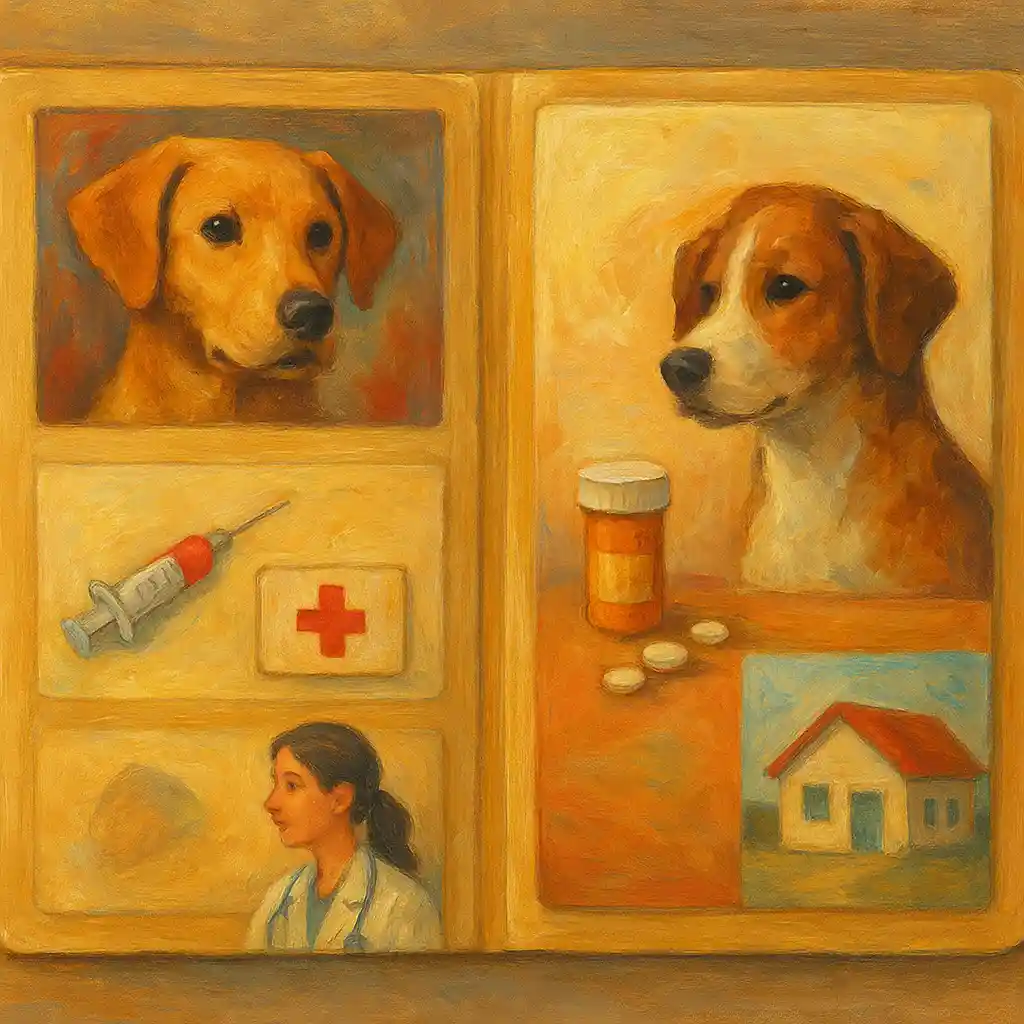
When you live with a senior dog, you learn a simple truth: things can change fast. One minute your dog is resting, and the next minute you may be rushing to the vet. A dog emergency folder helps you stay calm because you are not searching for paperwork, phone numbers, or medication details when every minute matters. With a mix of digital and paper copies, you can keep your dog’s vaccination photo, meds list, allergies, clinic details, and sitter instructions in one clear place.
In an emergency, the best gift you can give your dog (and yourself) is organized information you can grab in seconds.
This post walks you through exactly what to include, how to set it up, and how to keep it updated—especially for senior dogs who may have ongoing meds, sensitivities, and more frequent vet visits.
Why a dog emergency folder matters (especially for senior dogs)
You probably know the feeling: your dog is not acting like themselves, and your mind goes blank. What medication are they on right now? When was the last vaccine? Which clinic do you call after hours? A dog emergency folder reduces stress by putting answers in one place.
Senior dogs often have:
- More medications (and more dosage details to remember)
- More medical history (past diagnoses, recurring issues, sensitivities)
- Higher emergency risk (falls, sudden illness, faster changes)
- More caregivers involved (family help, pet sitters, neighbors)
When you are prepared, you can share correct details quickly with a vet clinic, an emergency clinic, or a trusted caregiver. That can speed up care and help avoid mistakes.
What a dog emergency folder is (and what it is not)
A dog emergency folder is a single organized place—both digital and paper—where you keep your dog’s key health and care information. It is meant to be easy to find, easy to read, and easy to share.
It is not a replacement for veterinary advice or a full medical record system. Think of it as your “grab-and-go” pack of the most important details that someone else could use to help your dog right away.
The purpose of a dog emergency folder
- Help you act faster during a crisis
- Give the vet accurate information quickly
- Help a sitter or caregiver follow your dog’s routine
- Reduce panic and confusion for everyone involved
Dog emergency folder: digital vs. paper (use both)
Many people choose one format and stop there, but the best plan is a dog emergency folder that includes both digital and paper copies. Each format has strengths and weaknesses, and emergencies do not always happen in perfect conditions.
Digital format: pros and cons
Pros
- Easy to update when meds or dosages change
- Easy to share with family members or a pet sitter
- Easy to store vaccination photos and scanned documents
- Accessible when you are away from home (if stored safely)
Cons
- Depends on your phone, battery, internet, or logins
- Privacy matters (medical and personal info should be protected)
- In a stressful moment, it can be hard to find the right file if you are not organized
Paper format: pros and cons
Pros
- Works during power outages or tech problems
- Simple for a vet receptionist or caregiver to read quickly
- Easy to keep in a visible spot at home
Cons
- Can be damaged (water, fire) if not stored well
- Can be lost if it moves around
- Harder to update unless you reprint pages
Best practice: Keep digital copies for speed and sharing, and paper copies for reliability.
What to include in your dog emergency folder (the essentials)
The goal is to include the information that a vet clinic or caregiver will ask for right away. Your dog emergency folder should be clear, current, and easy to scan at a glance.
1) Vaccination records (include a vaccination photo)
Vaccination records are often needed for emergency care, boarding, grooming, and sometimes even travel. For a senior dog, staying current is still important, and having proof ready saves time.
Include:
- Up-to-date vaccination records from your vet
- A clear vaccination photo (photo of the paper record or screenshot of the record)
- Dates of vaccinations and boosters
Why up-to-date vaccinations matter
Vaccinations help protect your dog from preventable diseases. In an emergency, a vet may ask about vaccination status quickly. If you can show it right away (paper or photo), you avoid delays and confusion.
How to store vaccination records securely
- Scan or photograph the record and save it in a dedicated digital folder
- Print a copy for the paper folder
- If you store digital copies, consider password protection
- Update after every vaccine visit so the folder stays accurate
2) Medication list (names, dosages, schedules)
Senior dogs often take daily medications, supplements, or treatments. In a rushed moment, it is easy to forget a dose or mix up a schedule. A dog emergency folder should include a simple medication list that anyone can follow.
Include for each medication:
- Name of the medication (and what it is for, if you want to add that)
- Dosage
- Schedule (time of day and how often)
- Special instructions (with food, avoid certain treats, etc.)
- Refill notes (if you track refill timing)
Types of medications your senior dog may be on
Senior dogs may be on medications for comfort or long-term conditions. The important part is not the category—it is having the exact details written down so a vet or caregiver does not have to guess.
Dosages and schedules: make it easy to follow
Try creating a simple daily chart (morning / afternoon / evening). Keep it in the paper folder and also save a digital copy. If your dog’s plan changes, update the chart immediately and remove old versions so nobody follows the wrong schedule.
3) Allergies and sensitivities (and what to do if there is a reaction)
Dogs can have allergies or sensitivities to food ingredients, pollen, dust mites, mold, flea bites, and more. If your dog has known allergies, your dog emergency folder should make that impossible to miss.
Include:
- Known allergies and sensitivities
- What your dog’s reaction looks like (itching, tummy trouble, sneezing, etc.)
- Any medications or treatments your vet has prescribed for reactions
- Any foods or products to avoid
Common allergens for dogs
- Food: some dogs react to ingredients like beef, chicken, dairy, wheat, or soy
- Pollen: seasonal allergies can cause itching, watery eyes, sneezing
- Dust mites: can affect sensitive dogs, especially through bedding
- Mold: can cause respiratory issues or skin irritation
Emergency response for allergic reactions
If your dog has a known allergy history, write down your vet’s instructions clearly. In a stressful moment, you want the plan to be simple: what signs to watch for, who to call, and what information to share with the clinic.
4) Vet clinic contact information (including after-hours emergency contact)
In a true emergency, you do not want to waste time searching online for your clinic’s number or address. Your dog emergency folder should include clear clinic contact information.
Include:
- Clinic name
- Clinic address and phone number
- Name of your dog’s primary vet (and backup vets if you have them)
- After-hours emergency contact information
If it helps, also add simple directions or notes like where to park or which entrance to use. In a panic, small details can make a real difference.
5) Trusted pet sitter or caregiver details (plus backup caregiver)
Many emergencies happen when you are not able to care for your dog—because you are sick, delayed, traveling, or dealing with your own emergency. That is why a dog emergency folder should include caregiver information.
Include:
- Primary pet sitter/caregiver name and phone number
- Backup caregiver name and phone number
- Who has a key or access code (and where it is stored, if appropriate)
- Any important notes about your dog’s behavior and comfort
Why a backup caregiver is important
A backup caregiver is your safety net. If the first person is unavailable, you still have a plan. This is especially important for senior dogs who may need medication on a strict schedule.
Instructions for the caregiver in case of emergency
Write a short, clear page that covers:
- Your dog’s daily routine (feeding times, potty schedule, walking needs)
- Medication schedule (with dosages)
- Allergies and sensitivities
- Vet clinic contact information and after-hours emergency contact
- Any “stress notes” (what calms your dog, what scares them, handling tips)
This is also a good place to note favorite treats, mobility needs, and any quirks that help someone care for your dog with kindness and confidence.
How to create a digital dog emergency folder (simple setup)
A digital dog emergency folder should be easy to open quickly. The goal is not fancy technology—it is clear organization.
Step 1: Choose where you will store it
Pick one main place and stick to it. Many people use cloud storage so they can access it anywhere. If you choose cloud storage, make sure it is secure and that you can log in easily.
Step 2: Create a clear folder structure
Keep file names simple so you can find things fast. For example:
- Vaccinations (include the vaccination photo)
- Medications
- Allergies
- Vet Clinic
- Pet Sitter / Caregiver Instructions
- Photos (include a recent photo for identification)
Step 3: Use apps and tools (only if they truly help you)
Some people like using apps and tools to organize pet information digitally. If you already use an app for appointments or records, you can still keep a simple digital dog emergency folder as your “one place” backup. The key is that the folder stays easy to access and easy to understand.
Step 4: Secure digital information with passwords
Digital safety matters. Your folder may include private information like addresses, phone numbers, and caregiver details.
- Use strong, unique passwords for accounts
- Consider a password manager if you struggle to remember logins
- Turn on two-factor authentication when available
- Do not reuse the same password across accounts
How to create a paper dog emergency folder (grab-and-go ready)
A paper dog emergency folder is your reliable backup when your phone is dead, the internet is down, or you need to hand paperwork to someone quickly.
Step 1: Choose a binder or folder that is easy to grab
Use a simple binder with clear sleeves, or a sturdy folder with labeled sections. The goal is speed and clarity, not perfection.
Step 2: Include hard copies of important documents
Print the essentials and place them in the same order every time. For example:
- Vaccination records (and a printed vaccination photo if helpful)
- Medication list with dosages and schedules
- Allergies and sensitivities page
- Vet clinic contact information (including after-hours emergency contact)
- Pet sitter/caregiver instructions and contact details
- A recent photo of your dog
Step 3: Keep the folder in a visible and accessible place
Pick one spot at home and keep it there. Many people choose a visible location like near the front door, by the leash, or in a kitchen area. The key is that you (and others) can find it fast.
Tip: Tell everyone in the household exactly where the dog emergency folder lives. Do not assume they will “figure it out.”
How to maintain and update your dog emergency folder regularly
A dog emergency folder only works if the information is current. Senior dogs often have changes in meds, dosages, and care needs, so updates are part of the plan.
Set reminders for vaccination updates and medication refills
Use a phone reminder or a calendar note to review the folder every 3–6 months. Also update it immediately after:
- A vet visit
- A medication change
- A new allergy or sensitivity appears
- A caregiver or sitter changes
Review and update contact information
Phone numbers and clinic details can change. Make it a habit to confirm:
- Vet clinic address and phone number
- After-hours emergency contact information
- Pet sitter and backup caregiver contact details
Revisit and revise your emergency plan as needed
If your dog’s needs change—mobility, diet, anxiety, medication timing—update the caregiver instructions page. Small updates now can prevent big confusion later.
Real-life example: how a dog emergency folder can save time and stress
Imagine it is late at night and your senior dog suddenly seems very unwell. You rush to the emergency clinic. Your brain is racing, and you are scared. Now imagine you can hand over a clear page with your dog’s medication list, allergies, vaccination photo, and your regular clinic information. The clinic can start faster because they do not have to wait while you search through emails or try to remember details under pressure.
This is why a dog emergency folder matters. It does not remove the emergency, but it can remove delays and reduce stress. It also helps if a caregiver is the one taking your dog in—because they can bring the same information you would bring.
Safety precautions and best practices for your dog emergency folder
Keep the folder out of reach of children and pets
Paper folders can be tempting for curious pets and kids. Store your paper dog emergency folder somewhere visible to adults but safe from chewing, spills, or tearing.
Make sure family members know about the folder and its location
Tell everyone in the home:
- Where the paper folder is stored
- How to access the digital folder (if appropriate)
- Who to call first in an emergency
Make copies of the folder for backup
Backups protect you from loss or damage. Consider:
- A second paper copy stored in another safe place
- A digital backup stored securely (so you are not relying on one device)
- Sharing the caregiver instructions with your pet sitter in advance
Additional resources for dog emergency preparedness
A dog emergency folder is a strong foundation, but you can also improve your overall preparedness with a few extra steps.
Online guides and templates for creating emergency folders
If you like checklists, a template can help you move faster and avoid missing items. Even if you use a template, keep your final folder simple and focused on what you truly need in a hurry.
First aid courses for pet owners
Learning basic pet first aid can help you stay calm and act safely while you contact your vet clinic or after-hours emergency contact. If you take a course, add a short note in your dog emergency folder about what you learned and what supplies you keep at home.
Pet insurance options for senior dogs
As dogs age, vet care can become more frequent. If you explore pet insurance options for senior dogs, keep any important policy details in your dog emergency folder so you can find them quickly when you need them.
Conclusion: build your dog emergency folder for peace of mind
A dog emergency folder is a simple project that can make a big difference. By keeping digital and paper copies of your dog’s vaccination photo, meds, allergies, clinic contacts, and sitter instructions, you give your senior dog the best chance for fast, informed care—no matter what happens.
If you haven’t started yet, set aside 30 minutes today to create your folder and choose where it will live. Then, add a reminder to review it every few months. For more practical senior-dog planning tips, check out another post in our site and keep building your at-home care system.