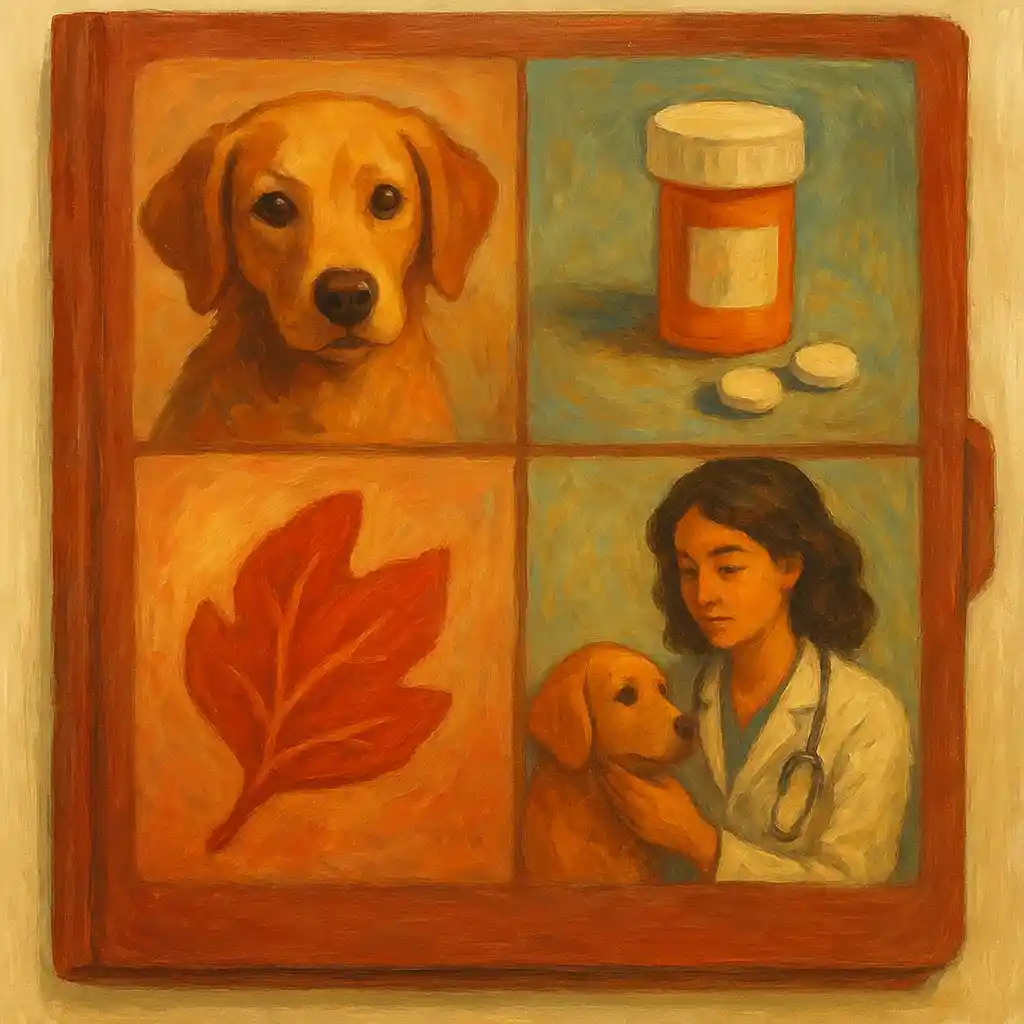
Creating a Dog Emergency Folder is one of the simplest ways to protect your senior dog when something unexpected happens. If your dog gets sick suddenly, has an accident, or needs urgent care, you may not have time to search for paperwork, remember medication names, or look up phone numbers. A well-prepared Dog Emergency Folder keeps everything important in one place—so you can act fast and stay calm.
In an emergency, seconds matter. A Dog Emergency Folder helps you share the right information quickly, even when you feel stressed or rushed.
This guide shows you exactly what to include, how to set up both digital and paper versions, and how to keep everything updated. It is especially helpful for senior dog parents, because older dogs often take daily meds, have health changes, and may need special care instructions.
What a Dog Emergency Folder Is (and Why It Matters)
A Dog Emergency Folder is a simple collection of your dog’s most important information. The goal is to make sure you (and anyone helping you) can quickly answer questions like:
- What vaccines has your dog had, and when?
- What medications does your dog take, and what is the dose?
- Does your dog have allergies or sensitivities?
- Which vet clinic do you use, and what is the after-hours plan?
- If you are not home, what should a sitter do?
When your dog is a senior, this becomes even more important. Older dogs can have more than one medication, more vet visits, and more special instructions. A Dog Emergency Folder helps you avoid confusion and helps your vet treat your dog faster and more safely.
When You’ll Be Glad You Made One
You may never need to use it—and that is the best outcome. But many people wish they had a Dog Emergency Folder during moments like these:
- You come home and your dog is in distress, and you need to leave for the vet immediately.
- Your dog has a reaction, and you need to tell the clinic about allergies and current meds.
- A pet sitter or family member needs to take your dog to the vet while you are away.
- You are traveling and a groomer, boarding facility, or clinic asks for vaccine proof.
- Your dog gets lost and you need a current photo quickly.
Dog Emergency Folder: Digital vs. Paper (Use Both if You Can)
Many dog parents ask if they should create a digital folder, a paper folder, or both. The best answer for most homes is both. Each format has strengths, and emergencies do not always happen under perfect conditions.
Digital Dog Emergency Folder: Pros and Cons
A digital Dog Emergency Folder is a set of files you can access on your phone, computer, or cloud storage. It is great for fast sharing and quick access when you are away from home.
Pros:
- Easy to update (replace a photo, add a new medication, upload a new vaccine record).
- Easy to access on the go (phone, tablet, laptop).
- Easy to share with a sitter or family member when needed.
- Can store many documents without taking physical space.
Cons:
- Power outages, dead phone batteries, or poor internet can block access.
- Files can be lost if not backed up.
- Some people are not comfortable using digital tools in stressful moments.
Paper Dog Emergency Folder: Pros and Cons
A paper Dog Emergency Folder is a physical folder or binder with printed copies. It is reliable when technology fails and is easy for anyone to open and use.
Pros:
- Works without internet, passwords, or a charged device.
- Easy to hand to a vet clinic, neighbor, or pet sitter.
- Great backup if digital files are not available.
Cons:
- Can be damaged by water, fire, or general wear.
- Needs manual updates (printing new pages).
- Can be misplaced if it does not have a dedicated location.
Best practice: Keep a digital Dog Emergency Folder for speed and sharing, and a paper Dog Emergency Folder for reliability.
What to Include in a Dog Emergency Folder (Core Essentials)
Your Dog Emergency Folder does not need to be fancy. It just needs to be complete and easy to read. Start with these essentials and build from there.
1) Vaccination Records (and a Clear Vaccination Photo)
Vaccination records matter during emergencies, travel, boarding, grooming, and many clinic visits. If you are asked for proof and you cannot find it, it can delay care or cause extra stress.
Why up-to-date vaccinations are important
- They support your dog’s health and protection.
- They help your vet make safe decisions in urgent situations.
- They may be required for boarding, grooming, or certain services.
How to include vaccination photos in your Dog Emergency Folder
- Gather the vaccination paperwork from your vet visits.
- Take a clear photo with your phone (good lighting, full page visible).
- Save the image in your digital Dog Emergency Folder.
- Print a copy for your paper folder (or print the full record page).
- Label it with the vaccine type and date so it is easy to scan quickly.
If you have more than one page, keep them in date order so the newest information is easy to find.
2) Medication List (Names, Dosages, and Schedule)
For many senior dogs, medications are part of daily life. A complete medication list is one of the most valuable parts of a Dog Emergency Folder. In a stressful moment, it is easy to forget a dose, mix up a name, or leave out an important detail.
Include:
- Name of each medication
- What it is for (short note in plain language)
- Dosage instructions
- Schedule (morning/evening, with food or without)
- Any special instructions from your vet
Tips to keep medication info clear
- Use a simple table format on paper (one line per medication).
- Use a pill organizer at home to reduce mistakes.
- Set reminders on your phone for medication times.
- Keep a basic medication log if your dog’s schedule is complex.
3) Allergies and Sensitivities (Plus Emergency Notes)
Allergies and sensitivities can affect what your dog can eat, what medications are safe, and what products should be avoided. In an emergency, this information can protect your dog from a bad reaction.
In your Dog Emergency Folder, list any known allergies or sensitivities, such as:
- Food sensitivities (certain proteins or ingredients)
- Environmental triggers (like pollen, dust, mold)
- Medication reactions
Common allergens for dogs (examples to help you think)
- Pollen
- Dust mites
- Mold
- Food ingredients (for some dogs)
Emergency response for allergic reactions
If your dog has known allergies, add a short, clear note in the Dog Emergency Folder about what to do if symptoms appear. Also include the contact information for your vet clinic and the nearest emergency vet option. The goal is not to replace veterinary advice, but to make sure a caregiver knows what matters and who to call.
4) Vet Clinic and After-Hours Emergency Contact Information
Do not assume you will remember phone numbers when you are scared or tired. Your Dog Emergency Folder should make it easy to reach help fast.
Include:
- Regular vet clinic name
- Clinic address
- Clinic phone number
- After-hours emergency contact plan (what to do when the clinic is closed)
If your vet clinic has special instructions for after-hours emergencies, write them down in simple steps. Keep this section easy to spot in both the digital and paper Dog Emergency Folder.
5) Emergency Contact Person or Pet Sitter Information
If you are sick, traveling, or simply not home, someone else may need to step in. A Dog Emergency Folder helps your dog get consistent care, even when you cannot be there.
Include:
- Name of your emergency contact person or pet sitter
- Phone number and (if helpful) address
- Backup contact person (if you have one)
Instructions for caring for your dog in your absence
Add a clear “care instructions” page. Keep it simple, direct, and easy to follow. Include:
- Feeding schedule and food details
- Medication schedule (and where meds are stored)
- Bathroom routine and walk habits
- Any behavior notes (fear of stairs, anxiety triggers, etc.)
- Favorite treats or toys (helpful for comfort and cooperation)
- Any special instructions for senior care
If you want to go one step further, you can include a short consent note that allows your caregiver to seek veterinary care if needed. Keep it practical and easy to understand.
6) Recent Photos of Your Dog
A current photo is useful for identification, travel, and in the worst-case situation—if your dog goes missing. Add at least one clear photo where your dog’s face and body are visible.
For best results:
- Use a photo taken in the last few months.
- Include one clear face photo and one full-body photo.
- Store the photos in your digital Dog Emergency Folder and print one for the paper folder.
How to Create a Digital Dog Emergency Folder (Step-by-Step)
A digital Dog Emergency Folder should be easy to open quickly. The best digital system is the one you will actually use and keep updated.
Step 1: Choose Where to Store It
Pick a place that is easy to access and easy to share. Many people use cloud storage so the files are available even if a phone is lost.
- Cloud storage (for example, a shared drive or secure cloud folder)
- A folder on your phone (helpful for quick access)
- A folder on your computer (good for organizing and printing)
If possible, keep at least one backup location. The goal is to make sure your Dog Emergency Folder is available when you need it.
Step 2: Name Files Clearly
Clear file names reduce stress. Use names like:
- Vaccination_Record_2026-05
- Medication_List_Current
- Allergies_And_Sensitivities
- Vet_Clinic_Contact
- Pet_Sitter_Instructions
- Dog_Photo_Current
Step 3: Secure the Digital Folder with Passwords
Your folder may include personal information like addresses, phone numbers, and medical details. Use basic security:
- Choose a strong password for your device and accounts.
- Consider a password manager if you struggle to remember passwords.
- Use secure sharing settings if you share files with a sitter or family member.
Step 4: Update Information Regularly
Senior dogs can have changes in medication, health needs, and vet instructions. A Dog Emergency Folder only helps if it is current.
Try this simple habit:
- Set a reminder to review your Dog Emergency Folder every few months.
- Update it after every vet visit if anything changes.
- Replace old photos when your dog’s look changes (weight, coat, age changes).
How to Build a Paper Dog Emergency Folder That’s Easy to Use
A paper Dog Emergency Folder should be simple, clean, and fast to scan. In a stressful moment, nobody wants to flip through messy pages.
Choose a Binder or Folder That Protects Pages
Use a binder with page protectors or a sturdy folder with clear sections. If you can, choose something that offers basic protection from spills.
Organize It in Easy Sections
Use labeled tabs or clear section headings. A simple structure works well:
- Quick Summary (one-page overview)
- Vaccination Records
- Medication List
- Allergies and Sensitivities
- Vet Clinic + After-Hours Plan
- Emergency Contacts + Pet Sitter Instructions
- Photos
Include Hard Copies of Key Documents
Print the most important items even if you have them digitally. During an emergency, paper is quick to hand over.
At minimum, print:
- Vaccination record (or vaccination photo printout)
- Current medication list
- Allergy list
- Vet clinic contact page
- Care instructions for a sitter
- Recent photo
Keep the Dog Emergency Folder in a Visible, Accessible Place
This step is often overlooked, but it matters. Choose one spot and keep it there.
Good locations include:
- Near the front door (easy to grab on the way out)
- In a known kitchen drawer
- Near the leash or dog supplies
- On a hook or shelf that is easy to reach
Tip: Tell at least one trusted person where the Dog Emergency Folder is kept, so they can find it if you cannot.
Maintaining Your Dog Emergency Folder (So It Stays Useful)
Once you create your Dog Emergency Folder, the next step is keeping it accurate. A folder with outdated information can cause confusion, especially with medications and vet instructions.
Set Reminders for Updates
Use a calendar reminder or phone alert. Keep it simple and realistic.
- Review every few months
- Update after vet visits
- Update whenever medications change
- Update when you change clinics, phone numbers, or sitters
Review and Refresh Annually
Pick one easy date to remember (for example, your dog’s birthday month). Do a full review of the Dog Emergency Folder and replace old pages. This is also a good time to print new copies and remove anything that is no longer correct.
Involve Family Members or Caregivers
If someone else may care for your dog, they should know the basics of the Dog Emergency Folder.
- Show them where it is stored.
- Explain what is inside and how it is organized.
- Make sure they can access the digital version if needed.
- Tell them what to do first in an emergency (who to call, where to go).
Real-Life Example: How a Dog Emergency Folder Helped Max
Imagine Max, a beloved senior dog, who suddenly becomes ill while his owner is away. The pet sitter rushes him to a veterinary clinic, but does not know his full medical history, medication details, or allergies. This situation can easily waste time—and time matters.
Now imagine the difference when Max has a prepared Dog Emergency Folder. The sitter can quickly share vaccination records, current medications, known allergies, and emergency contact numbers. The vet gets the details faster, and Max receives care with fewer delays and fewer risks.
A prepared Dog Emergency Folder can turn a chaotic moment into a clear plan.
This is exactly why having the folder ready matters. It supports your dog’s safety and gives you peace of mind, especially when someone else must step in.
Dog Emergency Folder and Senior Dog Safety: Handling Emergencies With More Confidence
A Dog Emergency Folder is not only about paperwork. It is part of a bigger plan to protect your senior dog. When dogs get older, small health changes can become serious faster, and it helps to stay prepared.
Recognizing Signs of Distress in Older Dogs
Senior dogs may show subtle signs when something is wrong. Pay attention to changes like:
- More tired than usual (lethargy)
- Changes in appetite
- Excessive panting
- Limping or stiffness
- Trouble standing up or climbing
If you ever feel unsure, it is better to contact your vet clinic. Your Dog Emergency Folder helps you share accurate information quickly.
Basic First Aid Mindset for Common Senior Dog Issues
When something happens, it helps to stay calm and focus on the next right step: keep your dog safe, contact your vet clinic, and be ready to share clear information. A Dog Emergency Folder supports this by giving you quick access to medications, allergies, and medical history.
When to Seek Immediate Veterinary Care
Some situations should not wait. Contact a vet clinic or emergency service right away if you notice serious or sudden changes, such as:
- Difficulty breathing or extreme panting
- Collapse, seizures, or sudden weakness
- Repeated vomiting or diarrhea that does not stop
- Injuries or trauma
- Swollen abdomen or bloating
- Difficulty urinating or defecating
In these moments, having your Dog Emergency Folder ready can reduce delays and help the clinic understand your dog’s needs faster.
Preparing for Travel or Temporary Separation With a Dog Emergency Folder
Travel and temporary separation are common times when problems happen, because your routine changes and someone else may need to help. A Dog Emergency Folder makes travel and hand-offs much smoother.
Create a Travel-Specific Version (Simple and Lightweight)
If you travel often, consider a travel version of your Dog Emergency Folder. Keep it short and focused:
- Vaccination photo or record
- Medication list and schedule
- Allergies and sensitivities
- Vet clinic contacts (including after-hours plan)
- Emergency contact person
- Recent photo
You can keep this as a separate printed packet plus a digital copy on your phone.
Communicate Special Instructions to Temporary Caregivers
Pet sitters and family members do better when instructions are clear. In your Dog Emergency Folder, include:
- Feeding instructions (what, how much, when)
- Medication steps (what time, with food, where meds are)
- Walking and bathroom routine
- Comfort items (treats, toys, bed location)
- Any senior dog limitations (stairs, long walks, anxiety)
Ensure Continuity of Care
The goal is for your dog to experience the same basic routine even when you are away. A Dog Emergency Folder supports continuity of care by keeping the plan consistent and easy to follow.
Technology Ideas That Can Support Your Dog Emergency Folder
Technology cannot replace preparation, but it can support it. If you like tech tools, consider adding a few options to your emergency plan while still keeping your Dog Emergency Folder as the main source of truth.
Pet Monitoring Devices or GPS Trackers
Some dog parents use monitoring devices or GPS trackers to reduce the fear of a dog getting lost. If you use one, note the device details in your Dog Emergency Folder so a caregiver knows what your dog is wearing and how to use the app.
Emergency Alert Systems for Pet Owners
The most useful “alert system” is often simple: a clear plan and easy-to-find information. Your Dog Emergency Folder acts like an alert tool by making sure anyone can find the right contacts and instructions fast.
Virtual Vet Consultations for Non-Emergency Situations
For non-emergency questions, virtual vet consultations can be convenient. If you use them, your Dog Emergency Folder helps you prepare by keeping vaccination details, medication lists, and allergy notes ready to share.
Dog Emergency Folder Checklist (Quick Tick-Off List)
Use this checklist to confirm your Dog Emergency Folder is complete. You can copy this list into your folder and check items off as you go.
- Vaccination records (including a clear vaccination photo)
- Medication list (names, dosages, schedule, special instructions)
- Allergies and sensitivities (food, environment, medication reactions)
- Vet clinic contact info (address, phone number)
- After-hours emergency plan (what to do when the clinic is closed)
- Emergency contact person (name and phone number)
- Pet sitter instructions (routine, feeding, meds, behavior notes)
- Recent photos (digital and printed)
- Digital copy stored securely (with password protection if needed)
- Paper copy stored in a visible place (easy to grab quickly)
Conclusion: Create Your Dog Emergency Folder Today
A Dog Emergency Folder is a small project that can make a big difference. It helps you move faster in emergencies, supports better communication with your vet clinic, and makes it easier for a pet sitter or family member to step in with confidence. Your senior dog depends on you for safety—and being prepared is one of the best gifts you can give.
If you have not started yet, choose one simple action today: create the folder and add your dog’s vaccination photo and current medication list first. Then build the rest over the next few days. For more helpful senior-dog planning tips, check out the other pet safety guides on our site.