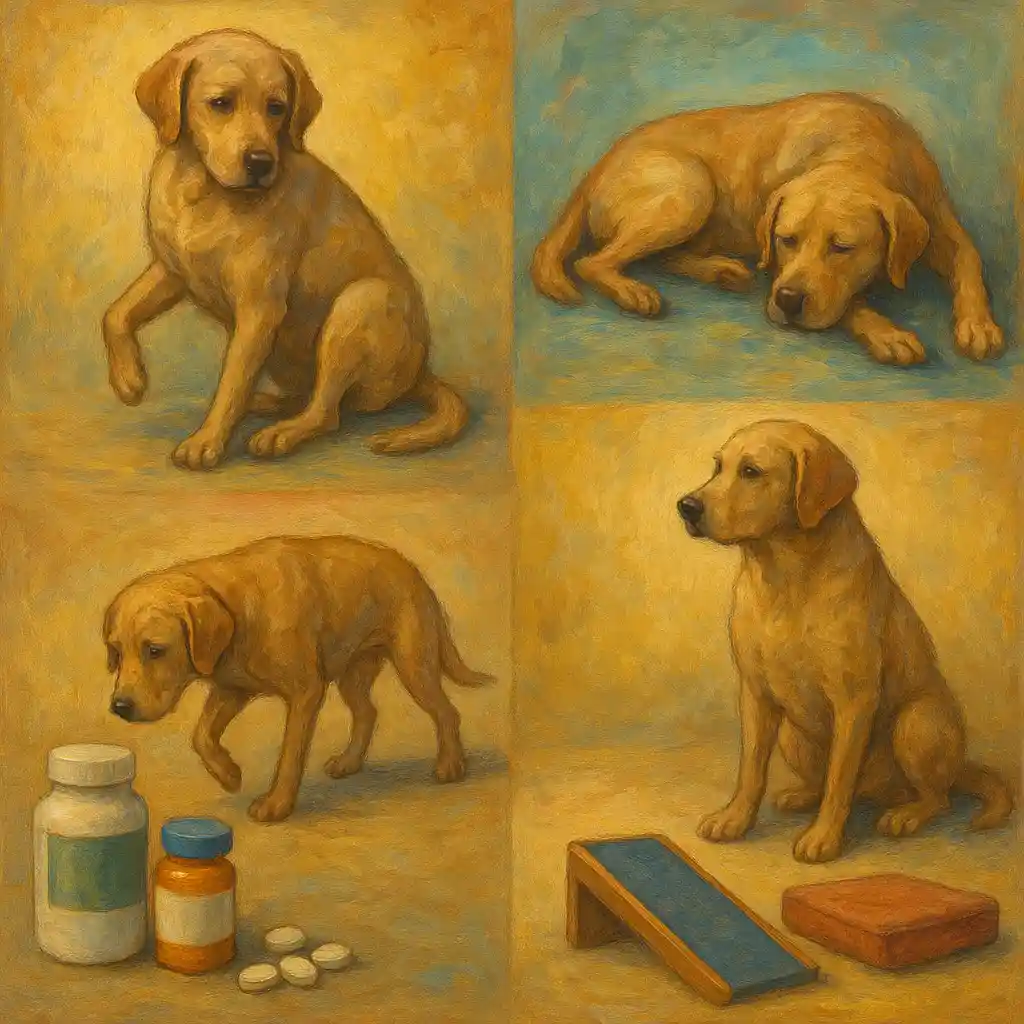
Watching a senior Standard Poodle slow down can feel heavy. One day they jump into the car with ease. Later, they pause before the stairs, or take a few stiff steps after a nap. Many owners first think it is “just age,” but hip dysplasia is often part of the story in large, active breeds, including Standard Poodles.
The good news is that hip dysplasia is not the end of a happy life. With the right mix of veterinary care, smart daily habits, and a joint-friendly home, many dogs stay comfortable and active for years. Small changes add up. A better bed, safer floors, the right supplements, and a steady exercise plan can make a real difference.
Quick start checklist
If you want a simple beginning, start here and build from there.
- Book a vet visit for an orthopedic exam if you see limping, stiffness, or trouble standing
- Start a weight check and aim for a lean body shape
- Add traction at home with rugs or non-slip runners
- Switch to a supportive bed with orthopedic foam
- Begin low-impact exercise with short, steady walks
- Discuss joint supplements with your vet and choose one quality product
- Track daily comfort with a short note on movement, energy, appetite, and mood
1) Hip dysplasia in simple words
Hip dysplasia is a problem with the hip joint. The hip is like a ball-and-socket. In a healthy joint, the ball sits smoothly inside the socket. In hip dysplasia, the fit is not tight and stable. The joint can be loose, or shaped in a way that causes extra rubbing.
Over time, this leads to:
- Wear and tear on cartilage
- Inflammation in the joint
- Pain and stiffness
- Arthritis, especially in older dogs
A dog can have hip dysplasia for years before signs become clear. Many Standards cope well when they are young and fit, then show more pain as arthritis grows with age.
2) Why Standard Poodles can develop hip dysplasia
Hip dysplasia is common in many medium to large dogs. Standards can be affected because of a mix of genetics and lifestyle factors.
Common causes and risk factors
- Genetics Hip shape and joint stability can run in families. Responsible breeders often use hip testing to lower risk, but no system is perfect.
- Fast growth in puppyhood Rapid growth can put stress on developing joints.
- Excess weight Extra body weight increases load on the hip joint. Even a small amount of extra fat can make pain worse.
- Too much high-impact exercise Jumping, hard running on slippery ground, and rough play can strain joints, especially in young dogs or older dogs with arthritis.
- Weak supporting muscles When a dog becomes less active, the muscles around the hips can weaken. Weak muscles mean less joint support, which can increase discomfort.
Hip dysplasia is not anyone’s fault. It is a common health issue. What matters most is what you do next.
3) Early signs of hip dysplasia in a senior Standard
Early signs are often subtle. Many dogs try to hide pain, and many owners notice changes only when they look back.
Movement and posture signs
- Stiffness after rest, especially in the morning or after naps
- Limping or uneven steps in the back legs
- A “bunny hop” style when running
- Slower walking pace
- Shorter steps in the back legs
- Swaying hips when walking
- Trouble rising from the floor
- Trouble sitting neatly, or sliding into a “lazy sit”
- Reluctance to jump into the car or onto furniture
- Hesitation with stairs
Comfort and behavior signs
- Less interest in long walks or play
- Needing more breaks on outings
- Restlessness at night, changing positions often
- Licking or chewing at hips or back legs
- Irritability when touched near hips
- More panting during movement
- Lower mood or less excitement for activities
Sounds from the joint
Some owners notice a clicking or popping sound, especially during movement. This can happen with joint changes, but it is not a full diagnosis on its own. It is still worth a vet check.
Try this: write down three changes you have noticed in the last month. Small details help your vet make faster, better decisions.
4) Getting a real diagnosis at the veterinarian
Hip dysplasia and arthritis can look like other problems. Knee injuries, back pain, nerve issues, and muscle strains can all cause limping. A veterinary exam is the best first step.
What the vet often does
- Health history The vet will ask about walking, stairs, play, appetite, and daily routines.
- Physical and orthopedic exam The vet checks range of motion, muscle size, joint pain, and gait.
- X-rays X-rays show hip shape and signs of arthritis. Some dogs need light sedation to get clear images without stress.
- Extra checks if needed Sometimes the vet recommends bloodwork before long-term pain medication, or extra imaging if back problems are suspected.
A clear diagnosis helps you avoid wasted time and helps your dog get the right support.
5) The best results come from a full plan, not one single fix
Hip dysplasia care works best when it is layered. Think of it like building a strong chair. One leg alone cannot hold the weight. Several strong legs together make it stable.
A strong plan often includes:
- Weight management
- Joint-friendly exercise
- Home environment changes
- Pain control if needed
- Joint supplements and nutrition support
- Physical therapy and muscle strengthening
- Regular monitoring and vet check-ups
Even if surgery is needed later, these steps improve comfort now and improve recovery later.
6) Joint supplements that can support Standards with hip dysplasia
Joint supplements are popular for a reason. Many dogs show better comfort and smoother movement with the right product. Supplements do not “cure” hip dysplasia, but they can support joint tissues and reduce inflammation.
What to expect from supplements
- They often help mild to moderate discomfort
- They take time, often 4 to 8 weeks to show clear results
- They work best with weight control and good exercise
- Quality and dose matter
Always tell your vet what you use, especially if your dog takes other medications.
Common supplement options
Glucosamine
- Supports cartilage building blocks
- Often used for arthritis support
- Works best as part of a combined formula
Chondroitin
- Helps cartilage hold water and stay resilient
- Often paired with glucosamine
Omega-3 fatty acids
- Found in fish oil
- Helps lower inflammation in joints
- Often useful for skin and coat too
- Dose matters, so vet guidance is important
MSM (methylsulfonylmethane)
- Used in many joint formulas
- May support comfort by helping with inflammation
Green-lipped mussel
- A natural source of joint-support compounds
- Used in many dog joint products
Hyaluronic acid and collagen
- Sometimes included for joint lubrication and tissue support
- Evidence varies by product, but they can be part of a good plan
How to choose a supplement
- Pick a product made for dogs, from a trusted brand
- Look for clear dosing based on weight
- Avoid mixing many supplements at once at the start
- Add one product, then watch results for several weeks
Try this: set a simple “mobility note” on your phone. Write one line per day about rising, stairs, and walk comfort. This makes it easier to see if a supplement is helping.
7) Diet and weight management that protects the hips
If there is one step that often brings the biggest improvement, it is weight control. Extra weight increases stress on the hips every single day. A lean dog often moves more, and movement keeps muscles strong.
A simple goal
Aim for a body shape where:
- You can feel ribs with light pressure
- The waist is visible from above
- The tummy tucks up from the side
Your vet can help you set a safe target weight.
Practical ways to support healthy weight
- Measure food with a real measuring cup or kitchen scale
- Use part of daily kibble as training treats
- Replace some treats with low-calorie options like small pieces of carrot or cucumber
- Limit high-fat treats and table scraps
- Weigh your dog regularly, such as every two weeks
Useful nutrition ideas
- A balanced senior diet can help with weight and muscle support
- Some veterinary diets are designed for joint support and controlled calories
- Adequate protein helps maintain muscle, which supports joints
- Omega-3s can be added through diet or supplement under vet guidance
Try this: choose one “treat rule” and stick to it every day. For example, treats only come from the measured daily food amount. This one change often reduces calories without making your dog feel deprived.
8) Exercise and physical therapy that helps instead of harms
Many owners worry about exercise when their dog has hip dysplasia. The key is choosing the right type. Too little movement leads to weak muscles and stiff joints. Too much impact leads to flare-ups.
The goal is steady, low-impact movement that builds strength and keeps joints flexible.
Best exercise choices for hip dysplasia
Controlled leash walks
- Shorter and more frequent is often better than long and rare
- A consistent pace helps joints warm up
- Avoid sudden sprints and sharp turns
Swimming and water treadmill
- Water supports body weight
- Great for building muscle with less joint stress
- Many rehab clinics offer underwater treadmill sessions
Gentle strengthening Under guidance from a vet or rehab therapist, simple exercises can help, such as:
- Slow sit-to-stand movements
- Weight shifts while standing
- Short hill walks on gentle slopes
- Cavaletti poles set low for careful stepping
Helpful daily habits
- Warm up with a slow first five minutes
- Keep nails trimmed for better traction
- Use a harness to support the body and reduce pulling
- Stop before your dog is exhausted
Activities to limit
- Jumping in and out of cars
- Repeated stairs
- Fetch games with fast stops and turns
- Slippery floors
- Rough play with sudden bumps
Try this: build a weekly routine that is easy to repeat. A simple example is two short walks daily plus one swimming session each week. Consistency is more important than intensity.
9) Creating a joint-friendly home environment
Home changes can reduce pain every day. Many of these changes are low cost and easy to do.
Flooring and traction
- Use non-slip runners in hallways
- Add rugs near doors, food bowls, and favorite resting spots
- Avoid waxy or slippery floor cleaners
- Consider dog booties with grip for some dogs
Beds and resting areas
Choose a bed that supports joints and keeps the spine level. Look for:
- Orthopedic foam
- Enough size to stretch out
- A cover that is washable
- A low edge for easy entry, or a supportive bolstered edge if your dog likes to lean
Place beds in areas your dog already uses. Older dogs often do best with more than one bed, so they do not need to travel far to rest.
Ramps and steps
Ramps can reduce strain and prevent accidents. Helpful places include:
- Car entry
- Porch steps
- Couch or bed access, if you allow it
- Any daily stair section inside the home
Pick ramps with a non-slip surface and a gentle slope.
Daily comfort helpers
- Raised food and water bowls can reduce awkward bending for some dogs
- A supportive harness can help on stairs or during rough days
- Keep paths clear to avoid slips
- Use baby gates to block stairs when needed
Try this: choose one “high-risk area” in your home and fix it first. Most owners start with slippery floors or car entry.
10) Veterinary pain management and comfort options
Pain control is not only about comfort. It also supports movement. A dog in pain moves less, loses muscle, and becomes more stiff. Proper pain control can break that cycle.
Your veterinarian may suggest a mix of options.
Common medical tools
NSAIDs These are anti-inflammatory pain medicines made for dogs. They can help a lot, but they must be used carefully with vet supervision. Bloodwork may be needed to monitor safety.
Other pain medicines Some dogs need extra help, especially during flare-ups. Vets may use other medications based on your dog’s needs.
Joint injections or longer-acting options Some clinics offer injections that support joint comfort for weeks. Availability depends on location and the dog’s health status.
Supportive therapies
- Physical therapy with a trained professional
- Laser therapy
- Acupuncture
- Massage and gentle range-of-motion work
- Heat for stiffness, and cold packs after activity, when advised by a professional
Try this: keep a simple flare-up plan. This can include shorter walks, more rest, and vet-approved pain support. A plan reduces stress when your dog has a bad day.
11) Surgical options for severe hip dysplasia
Some Standards do well with conservative care for a long time. Others still struggle, especially when arthritis is severe. In those cases, surgery may offer the best quality of life.
A vet orthopedic specialist can explain what fits your dog’s age, weight, and joint changes.
Total hip replacement
- The damaged joint is replaced with an artificial joint
- Often offers excellent pain relief and strong function
- It is a major surgery with cost and recovery time
- It requires careful post-op management and rehab
Femoral head ostectomy, often called FHO
- The top part of the femur is removed so bone does not rub on bone
- The body forms a “false joint” with muscle support
- It can reduce pain and improve comfort
- It is often used in smaller dogs, but it can still be an option in some larger dogs depending on the case and rehab plan
Surgeries for young dogs
Some surgeries are designed for young dogs before arthritis becomes severe. These are usually not the main focus for seniors, but a specialist may mention them if your dog is younger and diagnosed early.
Surgery is not a failure. It is simply another tool. For the right dog, it can be life-changing.
12) Post-operative care and rehabilitation basics
Recovery after hip surgery is a process. A clear home plan makes a huge difference.
Common parts of post-op care include:
- Strict rest at first, often with crate rest or a small recovery area
- Short leash potty breaks only, then gradual walking
- Pain medicine as prescribed
- Wound care and monitoring
- Follow-up appointments and repeat imaging if needed
- Physical therapy, often starting with gentle movements and progressing slowly
- Avoiding stairs, jumping, and slippery floors during recovery
Many dogs improve faster with professional rehab support. Even a few sessions can teach you safe exercises to do at home.
Try this: prepare a recovery station before surgery day. Include a bed, water, non-slip mat, and a way to block stairs. Preparation reduces stress for both you and your dog.
13) Mental stimulation and enrichment for dogs with limited activity
When physical activity is reduced, boredom can rise. Mental work helps protect mood and can even reduce stress-related pain.
Great low-impact enrichment ideas include:
- Food puzzles and slow feeders
- Snuffle mats and scent games
- Short training sessions with simple cues
- Gentle grooming sessions
- Safe chew options approved by your vet
- Calm social time with the family
Keep sessions short and positive. Many senior Standards love a steady routine with small “jobs” each day.
Try this: add two five-minute enrichment sessions daily. One in the morning and one in the evening can change the whole mood of the day.
14) Long-term care and monitoring
Hip dysplasia is a long-term condition. Many dogs have good months and harder weeks. Regular monitoring helps you act early before pain becomes severe.
Helpful long-term habits
- Schedule regular vet check-ups
- Keep weight stable and lean
- Adjust exercise based on comfort and season
- Re-check supplements and medication plans every few months
- Watch for new limping that could signal a different injury
- Keep nails and paw pads in good shape for traction
A simple home tracking method
Once a week, note:
- Ease of rising
- Stairs and jumping effort
- Walk endurance
- Mood and sleep
- Appetite
- Any slipping on floors
These notes help you see patterns and share clear information with your vet.
Try this: keep one short page on the fridge with weekly notes. It becomes a powerful tool during vet visits.
Conclusion: comfort comes from small steps done consistently
A senior Standard Poodle with hip dysplasia can still have a joyful, active life. The best care is rarely one magic product or one big change. It is a set of small, steady actions that protect joints and build comfort.
Focus on the basics first:
- Lean weight
- Low-impact movement
- Safe footing at home
- Supportive bedding
- Vet-guided pain control when needed
- A carefully chosen joint supplement
- Mental enrichment and routine
With time, many owners see the same beautiful result. Their dog moves more freely, rests more calmly, and returns to the simple joys that matter most, like relaxed walks, comfortable naps, and happy time with the family.
This is the heart of hip dysplasia care. Support the body, reduce pain, build strength, and make daily life easier. Consistency turns care into quality of life.