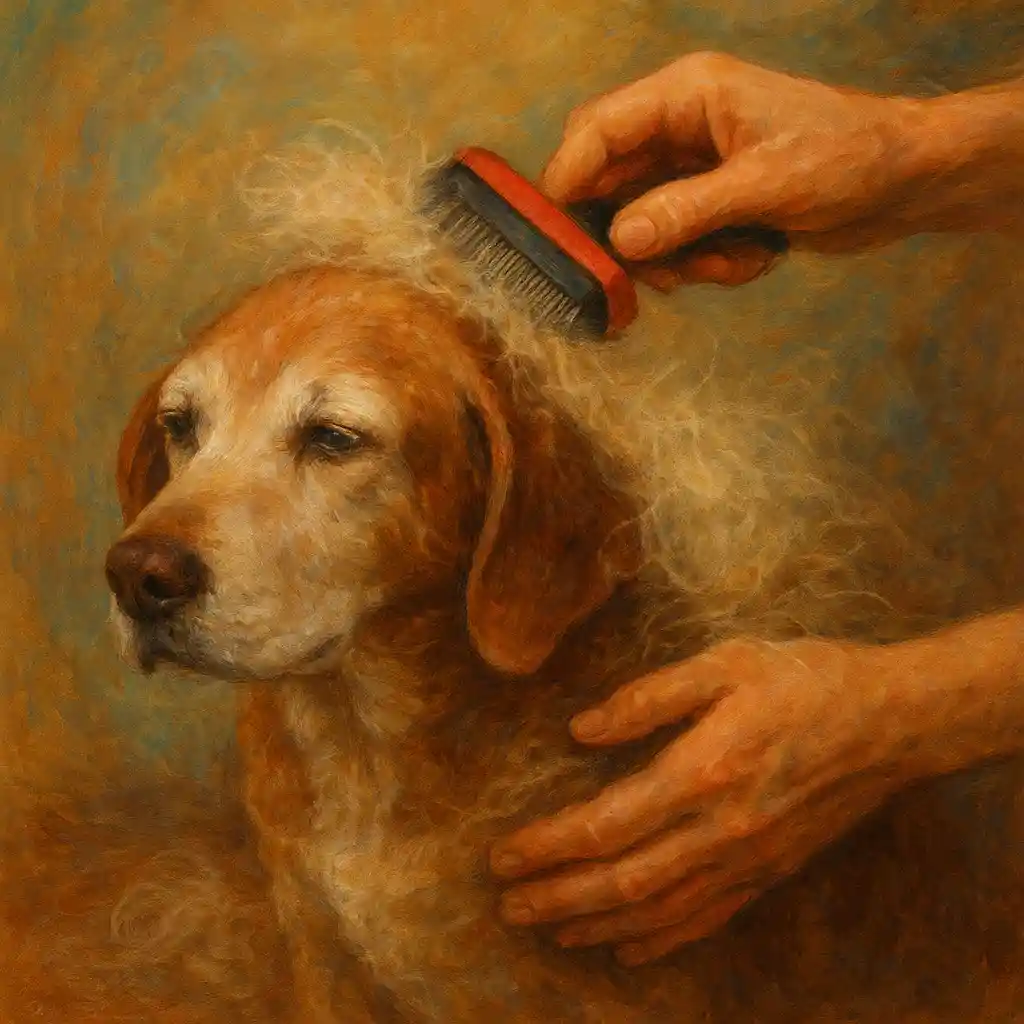
Shedding is normal for dogs, but it can feel harder to manage when your dog becomes a senior. Older dogs may shed more, shed differently, or develop dry skin and a thinner coat. Some dogs also become less patient with grooming because of joint pain, hearing loss, or anxiety. All of this can turn “just brushing” into a real challenge.
Implementing proper grooming techniques to manage senior dog shedding is essential for maintaining a clean home and a happy pet. Focus on creating a routine that emphasizes these grooming techniques to manage senior dog shedding effectively.
The good news is that shedding control becomes much easier with a clear routine, the right tools, and a calm grooming setup. This guide shares Grooming Techniques to Manage Senior Dog Shedding in a simple, friendly way. It focuses on comfort first, while still helping you reduce hair on furniture, floors, and clothes.
Why senior dogs may shed more, or shed in a new way
A senior dog’s body changes with age. These changes can affect skin, coat, and shedding.
Common reasons include:
- Slower skin and coat renewal: Hair can loosen and fall out more easily.
- Drier skin: Dry skin often leads to more flaking and more loose hair.
- Hormone changes: Thyroid or other hormone issues can affect coat health.
- Less self-grooming: Some older dogs groom themselves less due to stiffness.
- Seasonal coat changes: Many dogs still “blow coat” in spring and fall.
- Stress and discomfort: Anxiety and pain can increase shedding for some dogs.
Shedding itself is not always a problem. The goal is to manage loose hair, prevent mats, support healthy skin, and keep grooming safe and calm.
The foundation: a weekly grooming routine that works
A routine is the most important step. Random grooming helps, but consistent grooming changes everything. Senior dogs usually do best with shorter sessions done more often.
A simple weekly plan:
- Light brushing: 3 to 6 days per week, 5 to 10 minutes
- De-shedding tool session: 1 to 2 times per week, 10 to 20 minutes
- Bath: usually every 4 to 8 weeks, depending on coat and skin
- Nails and paw checks: once per week
- Quick coat check: daily, 30 seconds, especially behind ears and under legs
This routine supports the best Grooming Techniques to Manage Senior Dog Shedding because it prevents fur buildup before it spreads around your home.
Step 1: Choose the right grooming tools for senior dogs
Using the correct tool makes shedding control easier and safer. Using the wrong tool can irritate skin, break hair, and make the dog dislike grooming.
1) Undercoat rake: best for thick coats and double coats
An undercoat rake is made for dogs with dense undercoat, such as:
- Golden Retrievers
- German Shepherds
- Huskies
- Collies
- Many mixed breeds with thick coats
Benefits
- Pulls out loose undercoat hair efficiently
- Helps reduce matting in the undercoat
- Works well during seasonal shedding
How to use it safely
These grooming techniques to manage senior dog shedding will not only keep your environment tidy but also enhance your dog’s comfort during the process.
- Use on a dry coat, unless your groomer recommends otherwise
- Start with gentle passes, especially on hips, belly, and chest
- Move in the direction of hair growth
- Use short strokes and stop if skin turns red
- Do not “dig” into the coat
Senior-dog tip Older dogs may have thinner skin. Use lighter pressure than you would on a younger dog. A gentle hand removes plenty of hair without discomfort.
2) Furminator-style de-shedding tool: powerful, but use carefully
A Furminator-style tool can remove a lot of loose hair fast. It can be helpful, but it must be used with care, especially for seniors.
Benefits
- Removes loose undercoat quickly
- Can reduce shedding noticeably after one session
- Helps keep coat smooth and clean
How to use safely on senior dogs
- Limit use to 1 time per week at first
- Keep sessions short, especially for the first month
- Avoid repeated strokes over the same spot
- Stop if your dog’s skin looks pink or irritated
- Avoid using on sensitive areas like belly, groin, and thin-coated spots
Important note Overuse can cause irritation or break hair. The best results come from gentle, regular use, not heavy pressure.
3) Slicker brush: great for tangles and light shedding
A slicker brush is useful for many coat types, especially long or medium coats.
Benefits
- Helps remove loose hair from the topcoat
- Helps prevent tangles and small mats
- Useful for daily or near-daily brushing
Senior-dog tip Choose a slicker brush with softer pins or a “gentle” model to protect older skin.
4) Rubber grooming brush or grooming glove: best for sensitive seniors
Some senior dogs dislike metal tools. A rubber brush or glove can be a gentle option.
Benefits
- Very soft and simple
- Good for short coats
- Good for dogs with grooming anxiety
- Helps lift loose hair with low risk of scratching
This tool is not always strong enough for heavy undercoat, but it is excellent for comfort and bonding.
5) Comb for finishing and checking for mats
A basic metal comb helps you find hidden tangles that brushing can miss, especially:
- Behind the ears
- Under the collar
- Under the front legs
- Around the tail and rear legs
If the comb catches, there may be a tangle starting. Handling it early prevents painful mats later.
Step 2: Brush in the right order for better shedding control
A simple order makes grooming faster and smoother.
A practical brushing sequence:
- Start with gentle strokes using a rubber brush or soft slicker
- Move to the undercoat tool for thicker areas, if needed
- Finish with a comb to check for tangles
- Wipe the coat with a slightly damp cloth to pick up last loose hairs
This sequence supports effective Grooming Techniques to Manage Senior Dog Shedding because it removes loose hair in layers, without pulling or stressing the skin.
Step 3: Set the right bath frequency for senior dogs
Bathing helps remove loose hair, dirt, and allergens. It can also dry the skin if done too often.
A helpful general guide:
- Most senior dogs: every 6 to 8 weeks
- Oily coats or strong odor: every 4 to 6 weeks
- Very dry skin: every 8 to 12 weeks, with more brushing between baths
- Medical skin issues: follow your veterinarian’s plan
Bathing basics that reduce shedding
- Use a gentle dog shampoo, ideally moisturizing or sensitive-skin
- Consider a conditioner for dogs if the coat feels dry
- Rinse very well, since leftover shampoo can irritate skin
- Towel dry gently, then use brushing once the coat is mostly dry
A simple “bath day” de-shedding method
- Brush before the bath to remove surface loose hair
- Bathe and rinse well
- Towel dry
- Brush again after drying to remove loosened hair
This method reduces the amount of hair that falls off later on your floors.
Step 4: Create a stress-free grooming environment for senior dogs
Senior dogs often need comfort, patience, and a safe setup. A calm environment can reduce stress-related shedding and make grooming easier.
Set up the space
- Choose a quiet area with good light
- Use a non-slip mat or towel on the floor
- Keep tools within reach
- Avoid cold floors, especially for dogs with arthritis
Keep sessions short and kind
- Start with 3 to 5 minutes
- Increase slowly over time
- Use calm voice and slow movements
- Offer breaks for water and stretching
Use reward-based grooming
- Give small treats during and after grooming
- Praise calm behavior
- End sessions before your dog becomes upset
This approach protects trust. It also makes future grooming easier.
Support sore joints and stiff bodies
- Groom while your dog lies on a soft mat if standing is hard
- Avoid forcing positions
- Brush in sections, not all at once
- Be extra gentle on hips, elbows, belly, and spine
Comfort is part of the best Grooming Techniques to Manage Senior Dog Shedding, because a relaxed dog allows better brushing and safer handling.
Step 5: Vacuum hacks and home habits that control hair faster
Even with great grooming, some hair will still fall. A few cleaning tricks make a big difference.
Choose the right vacuum tools
- A vacuum with strong suction and a pet hair brush roll
- A crevice tool for corners and baseboards
- Upholstery attachments for couches and dog beds
- A HEPA filter helps reduce allergens in the air
Simple vacuuming routine for pet hair
- Vacuum high-traffic areas 2 to 4 times per week
- Vacuum dog beds weekly
- Vacuum under furniture weekly, where hair collects in “drifts”
Fast hacks for furniture and carpets
- Rubber glove method: slightly dampen a rubber glove and wipe upholstery to gather hair into clumps
- Squeegee method: a clean window squeegee pulls hair from carpets and rugs quickly
- Lint roller: perfect for small areas and quick cleanups
- Damp microfiber cloth: picks up fine hair without spreading it
DIY natural carpet freshener for dog odor
A simple, safe option for many homes:
- Sprinkle baking soda lightly on carpet
- Let it sit for 15 to 30 minutes
- Vacuum thoroughly
Avoid essential oils unless a veterinarian confirms safety for your household, since some oils can be risky for pets.
Breed and coat type notes for smarter shedding control
Different coats need different methods.
Double-coated dogs
Examples include Labs, Shepherds, Huskies.
- Focus on undercoat removal with an undercoat rake
- Use de-shedding tools gently and not too often
- Never shave the coat, unless medically needed and advised by a professional
Long-coated dogs
Examples include Shih Tzu mixes, Collies, some spaniels.
By utilizing effective grooming techniques to manage senior dog shedding, you can prevent excessive fur buildup and minimize stress for both you and your dog.
- Daily light brushing prevents mats
- Use a comb to check behind ears and under legs
- Trim hygiene areas if needed, ideally with a groomer
Short-coated dogs
Examples include Beagles, Boxers, many seniors with thin fur.
- Use a rubber brush, grooming glove, or soft bristle brush
- Bathe less often if skin gets dry
- Focus on skin health and gentle brushing
Managing shedding in multi-dog senior households
When more than one dog sheds, fur spreads faster. Structure keeps it under control.
A simple plan:
- Assign grooming days: Dog A on Monday and Thursday, Dog B on Tuesday and Friday
- Keep sessions short and separate to reduce stress
- Wash bedding on a schedule, such as one dog bed per week
- Store grooming tools in one box so nothing gets lost
For cleaning:
- Vacuum main areas on set days
- Keep washable throws on sofas and wash them weekly
Consistency turns chaos into a routine that feels manageable.
Health considerations: when shedding is more than normal
Some shedding is normal. Some shedding is a sign that your senior dog needs medical support.
Signs that need attention:
- Bald patches
- Redness, sores, or scabs
- Strong itching or constant licking
- Sudden heavy shedding with dull coat
- Strong odor that returns quickly after bathing
- Flaky skin that looks like dandruff
- Changes in appetite, energy, or weight along with coat changes
Possible causes include allergies, parasites, skin infections, thyroid problems, or pain-related stress. If shedding changes fast, becomes extreme, or comes with skin irritation, veterinary advice is important.
Nutrition and supplements that support healthy skin and coat
Grooming works best when the coat is healthy from the inside too.
Helpful nutrition basics:
- A complete senior dog food with good protein
- Healthy fats for skin support
- Good hydration, especially in dry seasons
Common supplements used for coat support:
- Omega-3 fatty acids from fish oil
- Veterinarian-recommended skin and coat chews
- Biotin in some cases, when advised
Supplements should match your dog’s health needs, especially for seniors who may take medications. Simple and steady support often gives better results than many products at once.
Safety precautions for grooming senior dogs
Senior dogs can be more fragile. Safe handling prevents injuries and keeps grooming positive.
Common grooming mistakes to avoid
- Brushing too hard, especially with de-shedding tools
- Long sessions that cause stress
- Pulling mats instead of loosening them carefully
- Bathing too often and drying out the skin
- Using human shampoo, which can irritate dog skin
- Grooming on slippery surfaces
- Ignoring signs of pain, stiffness, or anxiety
Signs of discomfort during grooming
- Turning head away repeatedly
- Lip licking, yawning, or stiff posture
- Pulling away from the brush
- Growling, snapping, or sudden fear
- Heavy panting not related to heat
When discomfort appears, pause, give a break, and continue later with a gentler tool or shorter time.
Simple first aid tips for minor grooming accidents
- For a small nick: clean gently with mild soap and water, apply pressure with clean gauze
- For mild skin irritation: stop grooming that area and keep it clean and dry
- For any deep cut, ongoing bleeding, eye contact with shampoo, or strong pain: seek veterinary help promptly
When in doubt, safety comes first.
A shedding control routine for senior dogs
This routine combines the most effective Grooming Techniques to Manage Senior Dog Shedding into one clear plan.
Daily, 1 minute
- Quick coat check
- Wipe paws and coat lightly if needed
- Remove burrs, dirt, or small tangles early
3 to 6 days per week, 5 to 10 minutes
- Gentle brushing with slicker or rubber brush
- Focus on high-shed zones like back, hips, and chest
1 to 2 times per week, 10 to 20 minutes
- Undercoat rake or Furminator-style tool, used gently
- Finish with a comb check
- Stop early if skin looks irritated
Every 4 to 8 weeks
- Bath with gentle shampoo
- Rinse well
- Dry and brush after bath
Home cleaning rhythm
- Vacuum main areas 2 to 4 times weekly
- Wash bedding weekly or every two weeks
- Use throws on furniture and wash weekly
This plan keeps shedding under control without exhausting you or your dog.
Real-life results that owners often notice
When this routine becomes consistent, many owners notice clear changes:
- Less hair on clothes and furniture
- Fewer mats and tangles
- A cleaner dog smell between baths
- Softer coat and healthier-looking skin
- A calmer dog during grooming, because the routine feels familiar
These results usually appear within a few weeks, then improve further over the next two to three months.
Conclusion: steady care brings the biggest shedding change
Senior dogs deserve comfort, patience, and care that matches their age. Shedding can feel constant, but it becomes manageable with the right routine. The most effective results come from consistent brushing, gentle de-shedding tools used correctly, smart bath timing, and a calm grooming environment. Add simple vacuum habits and a few cleaning hacks, and the home becomes easier to maintain.
These Grooming Techniques to Manage Senior Dog Shedding support more than a cleaner house. They support healthier skin, a better coat, fewer painful mats, and a more relaxed senior dog.
Share this guide with other dog owners who live with senior-dog shedding, and keep building a routine that feels calm, simple, and effective.
Incorporating grooming techniques to manage senior dog shedding into your regular routine will lead to a happier, healthier pet.
These grooming techniques to manage senior dog shedding provide comprehensive care while ensuring your home remains clean.