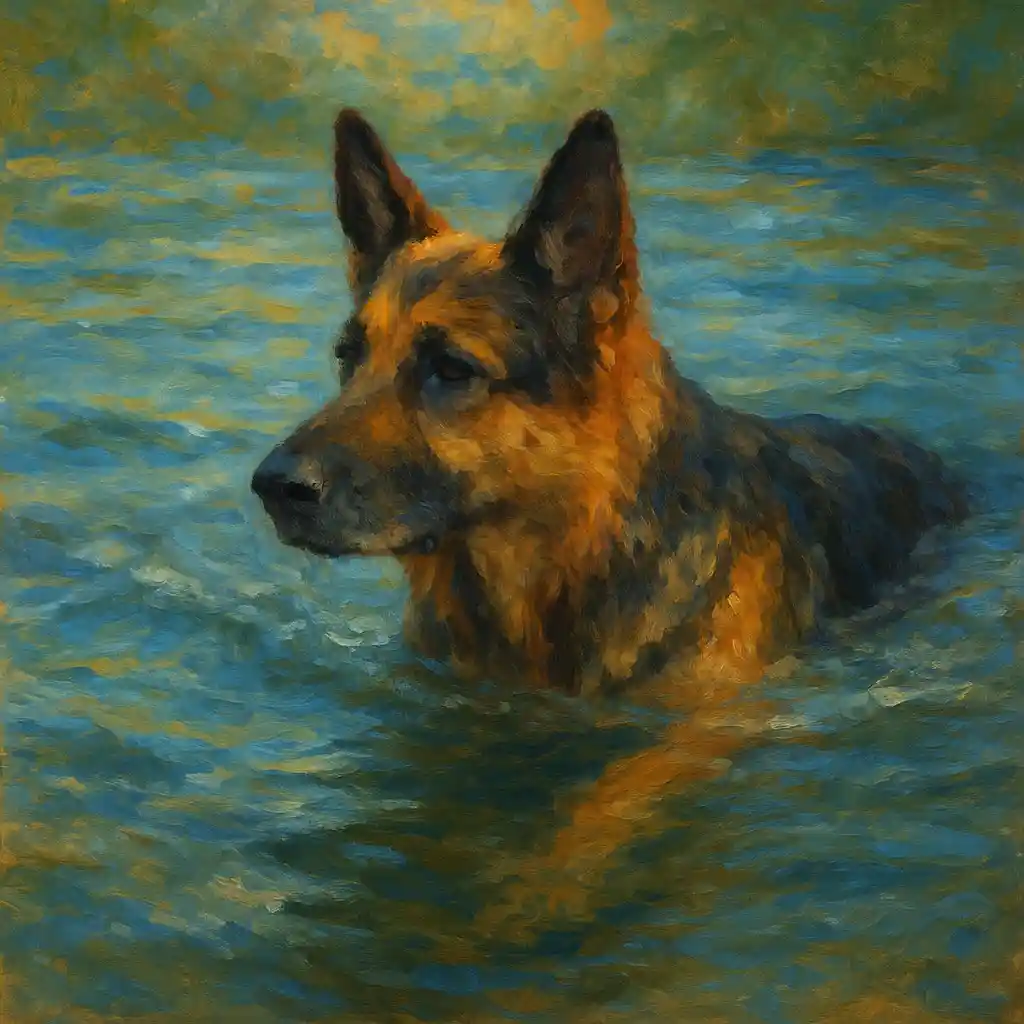
Swimming can be one of the best exercises for an older German Shepherd Dog. It is gentle on the joints, supports the body, and still gives a full-body workout. For many senior dogs, it also brings fresh energy and a happy routine. At the same time, water can be risky when a dog is older, weaker, or unsure. Safety, slow training, and good aftercare make all the difference.
This blog entry is a complete guide to help you Introduce Your Senior GSD to swimming in a way that feels safe, kind, and realistic. It focuses on added value, simple steps, and clear signs to watch.
Quick table of contents
- Why swimming is great for senior German Shepherds
- Health benefits you can expect
- Safety first, what you must prepare
- How to choose a life jacket that fits a GSD
- Introduce Your Senior GSD to water in calm steps
- Easy swim training for older dogs
- Safe swim locations and water risks to avoid
- Signs of stress, fear, and fatigue in the water
- Aftercare routine after every swim
- Common mistakes and how to avoid them
- Building a weekly swim plan for senior dogs
- Real-life example of improvement with swimming
- Final checklist and closing tips
1. Why swimming is great for senior German Shepherds
German Shepherds are strong, active dogs, but many of them slow down with age. Arthritis, hip dysplasia, stiff muscles, and weight gain become more common. Long walks can become harder. Fast running can add stress to joints. Swimming is different. Water supports the body and reduces impact. Your dog can move more freely than on land.
Swimming can be a smart choice when you want exercise that is:
- Low-impact for hips, knees, elbows, and spine
- Good for muscles and heart health
- Easier to control than free running
- Mentally fresh and fun in warm weather
When you Introduce Your Senior GSD to swimming the right way, it can become a safe habit that supports aging, mobility, and mood.
2. Health benefits you can expect
Joint relief and gentle movement
Water reduces gravity. That means less weight on painful joints. Many senior German Shepherds move with less stiffness in water than on land. The motion can also support range of movement.
Stronger muscles without hard impact
Swimming uses shoulders, back, core, and rear legs. It can help maintain muscle tone, which is important for stability and balance in older dogs.
Better weight control
Extra weight makes joint pain worse. Swimming burns calories while staying gentle. Even short sessions can help with weight control when combined with good feeding habits.
Heart and lung support
Swimming raises heart rate in a controlled way. It can support cardiovascular fitness, especially if your dog cannot do long walks anymore.
Cooling and comfort in hot weather
German Shepherds can overheat in summer. Swimming helps cool the body. This is helpful for senior dogs who struggle with heat.
Mental health and confidence
New experiences can keep an older dog alert. Water play can reduce boredom. Calm training can build confidence, especially for dogs who become cautious with age.
3. Safety first, what you must prepare
Before you start, focus on safety. Senior dogs have less stamina and slower recovery. Even dogs that swam when they were young can change when they are older.
Basic safety rules
- Never leave your dog alone in any water, even for a short time
- Keep sessions short, especially at the beginning
- Choose calm water with easy entry and exit
- Use a life jacket for senior dogs, even if they seem like strong swimmers
- Stop early if you see stress, heavy panting, or weak paddling
- Avoid cold water that can stiffen joints and muscles
- Avoid strong waves, currents, and slippery edges
A simple goal is consistency, not intensity. When you Introduce Your Senior GSD, you are building a safe skill and a safe routine, not a performance.
4. How to choose a life jacket that fits a GSD
A life jacket is one of the best tools for safe senior swimming. It adds buoyancy and helps your dog float with less effort. It also gives you control in an emergency.
Key features to look for
1. Correct size and strong fit German Shepherds have deep chests. Use chest girth and weight to choose size. The jacket should fit snugly, but it must not rub behind the front legs or press on the throat.
2. Strong handle on top A top handle helps you guide your dog, support entry, and lift them out safely. For senior dogs, this is very useful.
3. Good buoyancy placement Some jackets support the front more, some support the whole body. For senior dogs, balanced support is best.
4. Bright color and reflective parts Visibility matters in lakes, beaches, and pools with people. Bright orange, yellow, and neon green work well.
5. Strong straps and buckles Check seams and straps. GSDs are strong, even when older.
Quick fit check before every swim
- You can fit two fingers under the straps
- The jacket does not twist when your dog moves
- Your dog can walk normally while wearing it
- No rubbing in the armpit area
- The handle feels secure when you lift gently
Check the jacket each time. Replace it if straps are frayed, buckles crack, or foam becomes damaged.
5. Introduce Your Senior GSD to water in calm steps
Many accidents happen when a dog enters water too fast or gets scared. A calm plan helps your dog trust the experience.
Step 1: Start with land comfort
Let your dog wear the life jacket at home for short periods. Give treats and calm praise. This creates a positive link.
Step 2: Choose a calm place
Pick a quiet location with:
- Shallow water
- No strong current
- A gentle slope or ramp
- A safe exit that your dog can use easily
Avoid busy dog beaches at first. Noise and crowds add stress.
Step 3: Let your dog explore slowly
Walk near the water edge. Allow sniffing. Allow paw dipping. Keep the leash loose but secure. Stay calm and patient.
Step 4: Enter shallow water together
Walk in with your dog, if possible and safe. Keep water below chest level at first. Support with your hand on the life jacket handle. Keep it short, then stop while it is still positive.
Step 5: Repeat short sessions
Short, positive practice builds trust. You can repeat this over several days. For many senior dogs, slow progress is the best progress.
This is the heart of the process to Introduce Your Senior GSD. The goal is comfort first, then movement.
6. Easy swim training for older dogs
Once your dog is calm in shallow water, you can slowly teach basic swimming.
Simple training principles
- Use short sessions, often 5 to 10 minutes at the start
- Give breaks every few minutes
- Praise calm behavior
- Avoid loud excitement that can create panic
- End early, before your dog becomes tired
Helping your dog float and paddle
With the life jacket on, guide your dog into slightly deeper water where paws start to lift. Support the body with the top handle. Most dogs begin to paddle naturally.
Watch for a steady, even paddle. If your dog splashes wildly or tilts, guide them back to shallow water and rest.
Building distance slowly
Start with a very short swim, often just one to two body lengths. Then return to shallow water. Over time, you can increase distance little by little.
Using toys the safe way
Some dogs love chasing toys into water. For senior dogs, keep it gentle:
- Toss toys only a short distance
- Avoid repeated jumps into water
- Avoid slippery docks and high pool edges
- Do not encourage fast turns that can strain joints
A floating toy can help your dog focus and feel brave, but safety is more important than speed.
7. Safe swim locations and water risks to avoid
Where your dog swims matters as much as how they swim.
Best options for senior GSD swimming
Calm lakes with a gentle shore Choose areas without boats, waves, or strong current.
Dog-friendly pools or rehab pools These can be the safest choice. Many have ramps and warm water. Some offer hydrotherapy.
Quiet beaches with flat entry Only if waves and currents are mild. Always keep close control.
Water risks to avoid
Fast-moving water Rivers and channels can pull a dog away quickly.
Cold water Cold can stiffen joints and increase pain. It can also cause cramps.
Hot water and overheating Swimming still uses energy. Senior dogs can overheat, especially in humid weather.
Blue-green algae This can be toxic and deadly. Avoid water with green scum, strange smell, or warning signs.
Strong chlorine Pools can irritate skin, eyes, and ears. Rinse after every swim.
Slippery surfaces Concrete, rocks, and pool edges can cause falls. Senior dogs need stable footing.
8. Signs of stress, fear, and fatigue in the water
A senior dog may not show problems until they are serious. Watch closely and act early.
Signs of stress or fear
- Trying to climb out in a panic
- Wide eyes, stiff body, tail tucked
- Refusing to enter after one bad moment
- High whining sounds or constant shaking on land
Signs of fatigue or distress
- Heavy panting that does not calm quickly
- Drooping head, low body position in water
- Weak or uneven paddling
- Turning in circles
- Slipping under even with effort
- Sudden silence and stillness, which can be a shutdown sign
At the first signs, guide your dog to shallow water and stop the session. Dry them, offer fresh water, and let them rest. For senior dogs, ending early is a smart choice.
9. Aftercare routine after every swim
Aftercare protects your dog from skin problems, ear infections, chills, and muscle pain. A good routine also makes swimming feel safe and complete.
Step 1: Rinse the coat
Use clean fresh water. This removes:
- Chlorine
- Salt
- Dirt and bacteria
- Pond smell and plant material
Step 2: Dry thoroughly
Towel dry well, especially:
- Under the belly
- Armpits
- Between toes
- Around the tail base
If needed, use a low, cool dryer from a safe distance. Avoid high heat.
Step 3: Ear care
German Shepherds can trap moisture in ears after swimming.
- Wipe the outer ear gently with a dry cloth
- Use a vet-approved ear cleaner if recommended
- Never push cotton swabs deep into the ear
Watch for redness, smell, head shaking, or scratching in the next days.
Step 4: Check paws and skin
Look for:
- Small cuts from rocks or shells
- Cracked pads
- Sand stuck between toes
- Hot spots starting under wet fur
Step 5: Hydration and rest
Offer fresh drinking water. Provide a warm, comfortable resting place out of wind. Senior dogs often need extra recovery time.
Step 6: Monitor the next day
Some older dogs feel stiff later. Gentle rest and normal movement often help. If you see limping, pain, or strong soreness, reduce swim time next session and speak to a vet if needed.
Good aftercare is part of the promise when you Introduce Your Senior GSD to a new exercise.
10. Common mistakes and how to avoid them
Mistake 1: Skipping the life jacket
Even confident dogs can tire suddenly. A life jacket is basic protection for senior swimming.
Mistake 2: Going too long on day one
A senior GSD may look fine while swimming, then crash later. Start short. Build slowly.
Mistake 3: Forcing a nervous dog
Fear can grow fast if the first experience is stressful. Stay calm, go slow, and respect signals.
Mistake 4: Choosing risky water
Strong current, cold water, and slippery entry points create avoidable danger.
Mistake 5: No rinsing and drying
Skin irritation and ear infections often come from poor aftercare. Rinse and dry every time.
Mistake 6: Encouraging jumping
Jumping into water can strain shoulders, hips, and spine. Senior dogs need gentle entry.
11. Building a weekly swim plan for senior dogs
A simple plan keeps swimming safe and helps your dog improve without stress.
A good starter plan
For many senior German Shepherds, this works well:
- Week 1: 2 to 3 sessions, 5 to 10 minutes total water time, many breaks
- Week 2: 2 to 4 sessions, 10 to 15 minutes total water time, short swims
- Week 3 and beyond: 2 to 4 sessions, 15 to 25 minutes total water time, based on comfort
Total time includes rest breaks. Actual swimming may be only a few minutes at first.
Mix swimming with other gentle exercise
A balanced routine can include:
- Short walks on soft ground
- Light hill walking if joints allow
- Slow sniff walks for mental health
- Simple mobility exercises at home
Swimming should support your dog, not replace everything.
Adjust intensity based on health
Senior dogs vary a lot. Some are strong at 10 years old. Some struggle at 8. Adjust based on:
- Arthritis level
- Weight
- Breathing comfort
- Recovery time after exercise
12. Real-life example of improvement with swimming
Max was a 10-year-old German Shepherd with stiff hips and slow mornings. Long walks became shorter each month. He still wanted to move, but his body limited him. His owner started a gentle swimming routine in a calm lake area with a gradual shore. Max wore a bright life jacket with a top handle.
The first sessions were short. He walked in shallow water and did small paddles with support. Over several weeks, his confidence grew. Swimming became a steady routine two times per week. His owner also kept a strong aftercare routine, including rinsing, drying, and ear checks.
After two months, Max showed clear changes:
- He rose from resting with less stiffness
- His rear leg muscles looked stronger
- He seemed happier on activity days
- He handled normal walks better on non-swim days
Max still had arthritis, but swimming gave him movement with less pain. The biggest improvement was quality of life. He was engaged, active, and proud.
This kind of result is not magic, and it does not happen overnight. It comes from safe planning and consistency, especially when you Introduce Your Senior GSD carefully and patiently.
13. Final checklist and closing tips
Use this quick checklist before each swim.
Before swimming
- Life jacket fits well and is in good condition
- Water is calm, not too cold, not risky
- Entry and exit are easy for a senior dog
- Fresh drinking water is available
- Session plan is short with breaks
During swimming
- Close supervision at all times
- Short swims, frequent rests
- Watch for stress, panic, or fatigue
- Gentle guidance with the life jacket handle
After swimming
- Rinse with fresh water
- Dry coat, paws, and belly thoroughly
- Check and dry ears
- Offer water and a warm resting place
- Monitor stiffness or soreness later
Closing thoughts
Swimming can be one of the most valuable activities for an aging German Shepherd. It supports joints, muscles, heart health, and mental well-being, with far less impact than many land exercises. The key is to make it safe, calm, and positive from the start.
When you Introduce Your Senior GSD to swimming with a good life jacket, slow training, smart location choices, and strong aftercare, you create a routine that protects your dog and adds joy to their week. This is not only exercise. It is comfort, confidence, and quality time together, built in the simplest way, one safe session at a time.