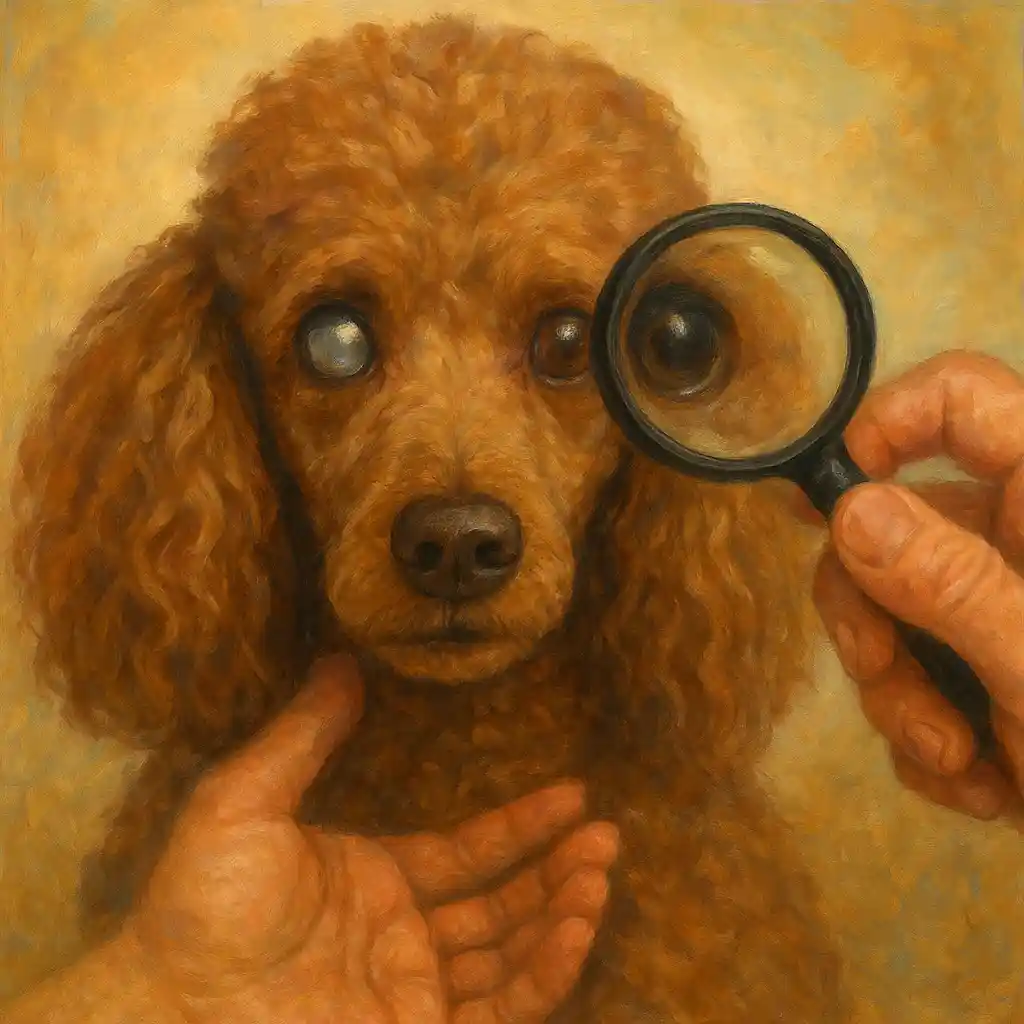
A Poodle’s eyes do so much more than look cute in photos. They help your dog feel safe, confident, playful, and connected to you. When vision changes, the effect can be big. A Poodle may stop chasing a ball, hesitate at stairs, or seem unsure in places that were easy before. For many seniors, a Poodle is also a daily companion and emotional support. That bond becomes even stronger when health challenges appear.
The good news is that many eye problems can be managed better when they are found early. With regular vet care, smart grooming, good breeding choices, and a safe home routine, you can protect your Poodle’s sight and comfort for as long as possible.
This guide keeps things clear and practical. It focuses on the most common Poodle eye conditions, early warning signs, yearly exams, at-home eye care, breeder screening, treatment options, and simple lifestyle changes that help a dog live well even with limited vision.
Why eye health matters so much for Poodles
Poodles are smart, active, and sensitive. They learn routines quickly and often love games, walks, and training. Vision helps them do all of that with confidence. When eyesight fades, some dogs adapt smoothly, but others feel stress. They may move less, startle more easily, or avoid new situations.
Eye health also matters because several Poodle eye conditions are hereditary, meaning they can be passed down through genetics. Responsible breeding and screening can lower the risk in future puppies.
For senior owners, this topic has an extra layer. A healthy, confident dog is easier to care for. Vision loss can increase caregiving needs and create worry. Preventive eye care can protect both the dog’s quality of life and the owner’s peace of mind.
Common Poodle eye conditions, explained in simple terms
Poodles can get many eye issues, just like people. Some are mild and easy to treat. Others are long-term conditions that need ongoing management. The two conditions that often get the most attention in Poodles are cataracts and progressive retinal atrophy (PRA).
1) Cataracts
A cataract is a cloudy area inside the lens of the eye. The lens should normally be clear, like clean glass. With a cataract, the lens becomes cloudy, and light cannot pass through properly.
What cataracts can look like
- A blue-gray or white cloudiness in the center of the eye
- Eyes that look “frosty” or “milky”
- Vision that gets worse over time
Important detail Not every cloudy-looking eye is a cataract. Older dogs can get a normal aging change called nuclear sclerosis, which can look a bit cloudy but often affects vision much less. A vet exam is needed to tell the difference.
Why cataracts happen
- Genetics
- Aging
- Diabetes (diabetic cataracts can appear quickly)
- Eye inflammation or injury
2) Progressive Retinal Atrophy (PRA)
PRA is a group of genetic diseases that damage the retina. The retina is the light-sensitive layer at the back of the eye. When the retina slowly stops working, vision fades.
Typical pattern
- Night vision becomes weak first
- Daytime vision gets worse later
- Eventually, the dog becomes blind
PRA is usually not painful, but it is life-changing. Many dogs still live happy lives with PRA when their home and routine support them.
Why PRA matters in breeding PRA is strongly linked to genetics. DNA tests can identify many PRA types, including prcd-PRA, which is well-known in Poodles. Screening helps reduce how often it appears.
Other eye problems worth knowing about
Cataracts and PRA are not the only concerns. These issues can also affect comfort and sight.
Dry eye (keratoconjunctivitis sicca)
This happens when the eye does not make enough tears. It can cause pain and sticky discharge.
Common signs include:
- Thick mucus-like discharge
- Redness
- Squinting
- Frequent blinking
Conjunctivitis
This is inflammation of the tissue around the eye. It can come from allergies, irritation, infections, or other problems.
Corneal ulcers
A scratch on the surface of the eye can be very painful and can worsen fast. This is an urgent condition.
Glaucoma
Glaucoma is increased pressure inside the eye. It is very painful and can cause fast blindness. This is an emergency.
Signs can include:
- Sudden cloudiness
- Red eye
- Strong squinting
- Eye that looks enlarged
- Sudden vision loss
Early warning signs to watch for at home
Dogs rarely “tell” you that their eyes hurt. Owners often notice small clues first. Catching these early gives the best chance for good outcomes.
Physical signs
Watch for:
- Redness in the white part of the eye
- Swelling around the eye or eyelids
- Discharge, especially yellow, green, or thick mucus
- Excess tearing that is new or heavy
- Squinting or keeping an eye partly closed
- Cloudiness, a white spot, or a color change
- A visible third eyelid
- Different pupil sizes
- Crusting around the eyes
- Frequent rubbing of the face on furniture or carpet
Behavior changes that can mean vision trouble
Vision changes can look like “personality changes,” especially in older dogs.
Common signs include:
- Bumping into chairs, doors, or walls
- Hesitating at stairs, curbs, or dark hallways
- Moving more slowly in new places
- Becoming clingy or anxious, especially at night
- Startling more easily when touched
- Less interest in fetch or chasing toys
- Getting “stuck” behind furniture
- Avoiding going outside in the evening
Signs that need urgent veterinary care
Eye problems can become emergencies. Seek urgent help if you notice:
- Sudden severe squinting or obvious pain
- A swollen, bulging, or enlarged eye
- A sudden cloudy blue look to the eye
- A cut or puncture near the eye
- Sudden vision loss
- Bleeding in or around the eye
Annual eye check-ups matter more than most people think
Yearly exams are not only for sick dogs. They are a major part of prevention. Early diagnosis often means easier treatment and less discomfort.
What a vet can do that at-home checks cannot
A veterinarian can:
- Measure tear production
- Check eye pressure for glaucoma risk
- Look at the lens for cataracts
- Examine the retina and optic nerve
- Find hidden ulcers with special stain
- Spot early inflammation
- Track changes over time in a clear record
How often exams are helpful
A good basic plan looks like this:
- Adults: at least once per year
- Seniors: once per year, sometimes every 6 months if changes appear
- Dogs with known eye disease: follow the schedule your vet recommends
When a specialist adds value
A veterinary ophthalmologist has advanced tools and training. If cataracts, PRA, glaucoma, or complex issues are suspected, a specialist visit can guide the best next steps.
Added value for senior owners: A specialist can confirm what is happening and reduce guesswork. That often lowers stress and prevents wasted time on the wrong treatments.
Simple at-home eye care that protects comfort and reduces risk
Daily care does not need to be complicated. A calm routine helps a lot, especially for Poodles, since their coat can grow near the eyes.
A quick daily eye check
Make this a calm habit during grooming or cuddle time:
- Look at both eyes in good light
- Compare left and right for redness, swelling, cloudiness, and discharge
- Notice blinking and squinting
- Watch how your Poodle moves in the room
Gentle cleaning steps
Use a simple approach that avoids irritation.
Safe cleaning routine
- Wash your hands.
- Use a clean cotton pad or soft cloth.
- Moisten it with sterile saline or a vet-approved eye wipe.
- Wipe from the inner corner outward, very gently.
- Use a new pad for the other eye.
- Dry the area softly if needed.
- Reward your dog with calm praise or a small treat.
Important safety points
- Do not use human eye drops unless your vet approves them.
- Do not use hydrogen peroxide near the eyes.
- Do not force crusts off harshly. Soften first with moisture.
- If there is heavy discharge, strong redness, or pain, stop home care and contact the vet.
Grooming tips that protect Poodle eyes
- Keep hair trimmed so it does not poke the eyes.
- Ask a groomer for a “clean face” style if tear staining and irritation are common.
- During baths, protect the eyes from shampoo. Use gentle products and rinse well.
- After outdoor play, wipe away dust or pollen around the eyes.
Food and supplements that support eye health
No food can “cure” PRA or remove cataracts. Still, good nutrition supports overall eye function, reduces inflammation, and helps the body repair daily wear.
Key nutrients for eye support
These nutrients are often discussed for eye health:
- Omega-3 fatty acids (anti-inflammatory support)
- Vitamin E (antioxidant support)
- Vitamin C (antioxidant support)
- Lutein and zeaxanthin (carotenoids linked to eye health)
- Zinc (supports many body functions, including eye tissue health)
Foods that can help as part of a balanced diet
Vet-approved, dog-safe options can include:
- Salmon or sardines (cooked, unseasoned) for omega-3s
- Eggs for protein and nutrients
- Carrots (cooked or raw in small pieces) for beta-carotene
- Blueberries in small amounts for antioxidants
- Leafy greens in small amounts if tolerated
Supplements
Fish oil and antioxidant blends are common supplements, but dosing matters. Too much can cause stomach upset and other issues. Some supplements can also affect blood clotting or interact with medications.
A safe rule is simple:
- Use supplements only with guidance from your vet
- Choose products made for dogs, from trusted brands
- Track changes in stool, appetite, and skin when starting anything new
Responsible breeding and genetic testing protect future vision
Many serious eye conditions are genetic. Good breeding practices reduce suffering in future dogs and lower heartache for families.
What responsible breeders do
Strong breeders often:
- Do eye exams for breeding dogs through official programs
- Use DNA testing for known genetic risks like prcd-PRA
- Keep clear health records
- Match dogs carefully to reduce risk
- Offer health guarantees and long-term support
What paperwork adds real value
When buying a puppy, look for proof, not only promises. Helpful documents include:
- Eye exam certification for both parents, done by a qualified professional
- DNA test results for PRA and other known issues
- Clear dates on all certificates, with current status
- A written contract that explains health terms
Red flags
Be cautious when you see:
- No proof of health testing
- Avoidance or vague statements about eye issues
- Pressure to buy quickly without records
- Very low prices paired with no screenings
Ethical breeding is one of the strongest tools for reducing hereditary eye disease over time.
If your Poodle is diagnosed, the next steps can still be positive
An eye diagnosis can feel heavy. Still, there are many paths forward. Treatment depends on the condition, the dog’s age, overall health, and daily comfort.
Cataracts: management and surgery
Medical management If cataracts are small or early, your vet may focus on:
- Monitoring changes
- Treating inflammation
- Managing related problems such as diabetes
Surgery Cataract surgery in dogs is often similar in idea to human cataract surgery. The cloudy lens is removed, and vision can improve.
Things that influence success:
- Healthy retina and optic nerve
- Good overall health
- Strong aftercare at home
- Regular rechecks
After surgery, eye drops and careful follow-up are usually needed. Many owners find the effort worth it when a dog regains confidence and joy.
PRA: supportive care and planning
PRA has no cure at this time. Support focuses on quality of life.
Helpful steps include:
- Keeping furniture in the same place
- Using consistent routes in the home
- Training simple verbal cues
- Protecting the eyes from injury
- Regular check-ups to watch for other eye problems
Many dogs with PRA stay cheerful and active. The biggest change is often for the humans, not for the dog.
Glaucoma and ulcers: fast action matters
Some eye conditions require immediate treatment to prevent severe pain and permanent loss of sight. Glaucoma and corneal ulcers are examples. Rapid vet care can protect comfort and may save vision.
Living well with a visually impaired Poodle
A dog does not need perfect sight to have a good life. Dogs use smell, hearing, memory, and trust. A supportive home can make a visually impaired Poodle feel safe and capable.
Home safety basics
- Keep floors clear of clutter
- Block off stairs if falls are possible
- Use baby gates to create safe zones
- Avoid moving furniture often
- Add rugs or non-slip mats for better traction
- Keep food and water in the same place
- Use night lights in hallways for dogs with weak night vision
Simple navigation helpers
- Place textured mats near stairs or doors
- Use consistent verbal cues, such as “step,” “slow,” “stop”
- Use a harness instead of a collar for better control and safety on walks
- Choose quiet walking areas to reduce stress
Training tips for confidence
Training builds trust and reduces anxiety. Keep sessions short and positive.
- Reward your dog for calm movement and following cues
- Practice “touch” to guide them to your hand
- Teach “wait” at doorways and curbs
- Use gentle sound cues, like tapping the floor near obstacles
Play ideas for dogs with limited sight
A visually impaired dog can still have fun.
- Use toys that make sound
- Use scent-based games, like finding treats in a towel
- Practice simple nose work in the living room
- Choose safe, enclosed spaces for off-leash play
The emotional side for owners, including seniors
Vision loss can be hard to watch. Many owners feel sadness, guilt, or worry about the future. Those feelings are normal. They also become lighter with a plan and support.
Common emotional challenges
- Fear of doing something wrong
- Stress about costs and treatment choices
- Worry about safety at home
- Grief over changes in a dog’s personality or hobbies
Coping strategies that help
- Focus on comfort and routine rather than perfection
- Keep a simple notebook of symptoms and vet instructions
- Ask family, friends, or neighbors for help with rides or home setup
- Work with a trainer if anxiety or disorientation grows
- Join breed groups or support communities that share practical tips
For seniors, support matters even more. Accepting help is not a weakness. It protects both you and your dog.
Advocating for Poodle eye health awareness
Better awareness leads to earlier care and better breeding choices. Every owner can help by sharing reliable information and supporting responsible practices.
Actions that make a real difference:
- Schedule regular eye exams and keep records
- Share warning signs with other Poodle owners
- Support breeders who test and certify eye health
- Encourage rescue groups and adopters to plan eye check-ups
- Donate or volunteer with organizations that fund canine eye research
Small steps add up, especially in a breed where genetics can play a strong role.
A simple action plan to start today
This short plan turns good intentions into habits.
Weekly routine
- Check both eyes in good light
- Clean tear stains and debris gently if needed
- Trim hair near the eyes or schedule grooming
Monthly routine
- Review your dog’s behavior for small changes in confidence or movement
- Replace old eye wipes or saline with fresh supplies
- Practice simple safety cues such as “wait” and “step”
Yearly routine
- Book a full veterinary check-up that includes eye evaluation
- Consider a specialist exam if your vet suggests it
- Update your dog’s health folder with test results and notes
Final thoughts
Protecting your Poodle’s vision is a long-term gift. It keeps your dog active, relaxed, and connected to the world. The most powerful tools are also the simplest: noticing early signs, keeping up with annual exams, doing gentle at-home care, choosing responsible breeders, and making smart adjustments when problems appear.
Even when a diagnosis like cataracts or PRA enters the picture, life can still be full of joy. Dogs adapt with amazing strength. With steady routines and loving support, a Poodle can stay playful and secure for years.
Clear eyes are important, but comfort, confidence, and companionship matter just as much.