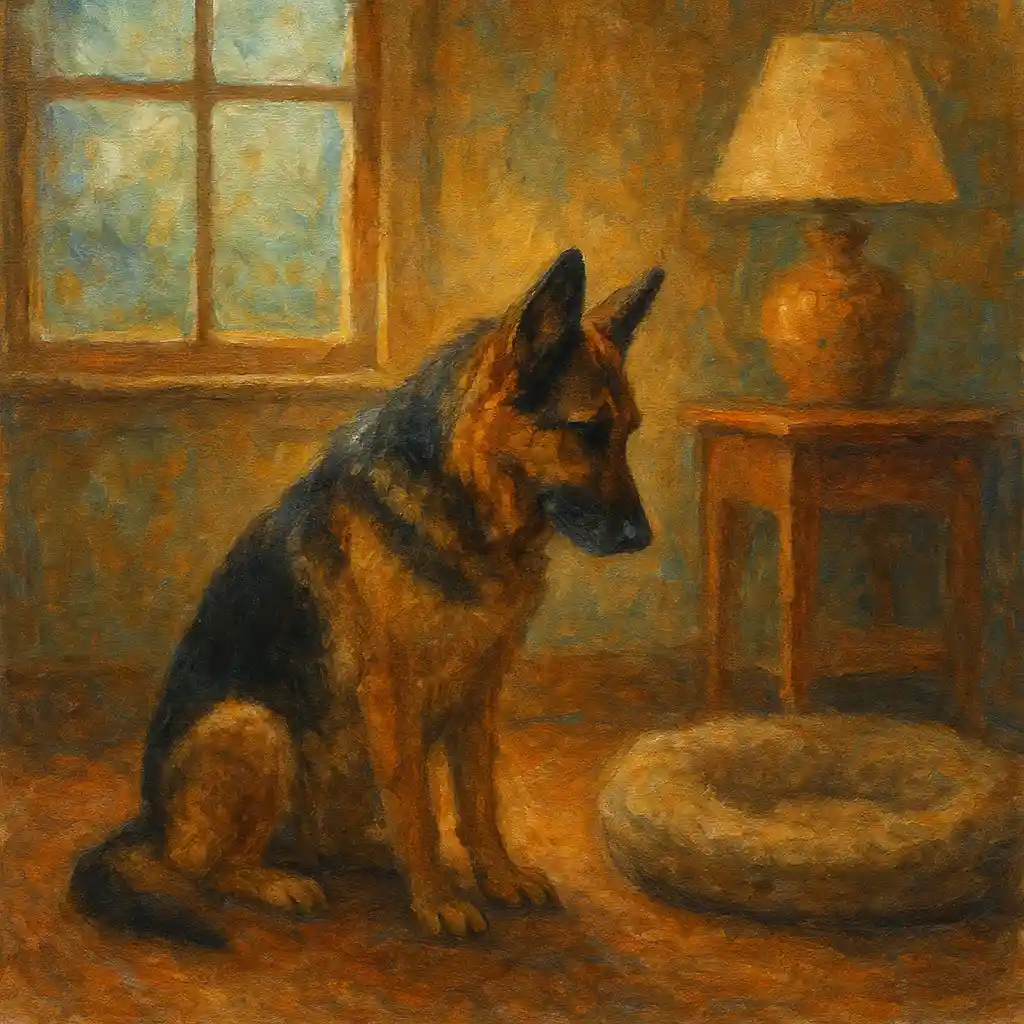
Living with a Senior German Shepherd is a special experience. Older German Shepherds are often deeply bonded, highly aware of routine, and sensitive to changes at home. Many have spent years following their person from room to room. When life requires more time away, even a confident dog can struggle.
Alone time can become harder in the senior years for several reasons. Aging bodies need more bathroom breaks. Hearing and vision can decline. Joint pain can make it difficult to settle. Memory and confusion can increase. Some dogs also develop stronger attachment behaviors because they feel less secure.
The good news is that most senior dogs can learn to cope better with alone time. The safest approach is gentle, gradual training combined with a supportive home setup. This article gives a complete plan you can follow, with a strong focus on three high-value strategies:
- Camera monitoring to understand what is really happening
- Kong stuffing for calm, positive enrichment
- Determining maximum safe alone time for your individual dog
You will also find safety steps, a simple routine, and signs that mean you should slow down or get professional help.
Why alone time can be difficult for a Senior German Shepherd
A Senior German Shepherd is not simply an adult dog with more gray hair. Aging changes how a dog experiences the world. These changes can turn alone time into stress.
Common reasons include:
Physical needs increase
Senior dogs may need:
- More frequent potty breaks
- Easier access to water
- Softer bedding
- Help with stairs and slippery floors
If a dog worries about discomfort or an urgent need to potty, settling down alone becomes harder.
Sensory changes reduce confidence
If hearing or vision is weaker, small house sounds can feel surprising. A senior dog may react by pacing, vocalizing, or staying alert instead of resting.
Pain can reduce calm behavior
Arthritis and spinal issues are common in German Shepherds. Pain often shows up as restlessness, panting, licking, or repeated position changes. These signs can look like anxiety, and they often appear more during quiet alone time.
Cognitive decline can create confusion
Some older dogs show signs of canine cognitive dysfunction. This can include disorientation, changes in sleep, or new anxiety. If you notice sudden changes, speak with your veterinarian promptly.
Strong attachment patterns
German Shepherds often form deep loyalty habits. A dog who has stayed close for years can find separation harder in old age, even if they did fine when younger.
Separation anxiety vs normal settling
Not every unhappy moment is full separation anxiety. Many dogs simply need practice and better comfort.
Common signs of separation anxiety in a Senior German Shepherd
- Continuous barking or howling after you leave
- Pacing that does not stop
- Drooling, heavy panting, or trembling
- Scratching doors or breaking blinds
- Chewing or destroying items near exits
- Attempting to escape crates or rooms
- Toileting indoors even when house-trained
Signs of mild stress or boredom
- A few minutes of whining, then sleep
- Looking out the window, then settling
- Slow pacing, then lying down
- Choosing a toy, then resting
Camera monitoring will help you tell the difference. It is one of the most useful tools for senior dog owners.
Strategy one: Camera monitoring for real answers
When you leave the house, you only see the result, not the process. A camera shows what your dog does during the full time alone. This is valuable for training and safety.
Benefits of camera monitoring
- You see the exact time stress starts
- You learn whether your dog settles or escalates
- You notice hazards, like chewing rugs or slipping on floors
- You track improvement in a clear way
- You avoid guessing, which reduces your own stress
What to look for on the camera
Watch for patterns rather than single moments.
Key behaviors:
- Time to settle into rest
- Amount of pacing and panting
- Vocalizing, including barking and whining
- Repeated door checking
- Destructive behavior
- Drinking or struggling to get comfortable
- Sudden confusion or staring at walls
Simple camera setup tips
- Place the camera where your dog spends most time
- Make sure you can see the bed area and the door area
- Avoid placing it too high if your dog is mostly on the floor
- Check the sound quality, since vocalizing is important data
- Test the camera while you are home so it feels normal
Two-way talk features are tempting, but they are not always helpful. For many dogs, hearing your voice without you returning can increase frustration. If you use talk features, use them rarely and calmly.
A useful measurement method
Keep a small log for one to two weeks. Write:
- Departure time
- Total time away
- First signs of stress
- Time when calm rest begins
- Any incidents, like chewing or accidents
This log makes progress visible, and it helps you set a safe alone time limit.
Strategy two: Kong stuffing to create calm and positive alone time
A stuffed Kong is more than a toy. It is a calming activity that can shift emotions. Many dogs move from worry to focus, especially when the food is long-lasting.
For a Senior German Shepherd, enrichment is also mental exercise, which supports healthy aging.
Why Kongs work well for senior dogs
- Licking and chewing can reduce stress
- Food keeps the dog busy and creates positive association
- Slow eating can prevent boredom
- It supports routine, since it happens only when you leave
- It can be adjusted for dental needs and appetite changes
Choosing the right Kong style
For senior dogs, consider:
- Softer rubber models if teeth are sensitive
- Larger sizes to reduce choking risk
- Wide opening options for easier access
- Slow-feeder inserts if your dog empties it too fast
If your dog is a powerful chewer even in old age, select a durable model that matches their chewing strength.
Safe stuffing options for a Senior German Shepherd
Always keep ingredients simple, digestible, and appropriate for your dog’s health plan.
Senior-friendly options:
- Wet dog food blended with kibble
- Plain pumpkin puree, not pie filling
- Plain Greek yogurt in small amounts if tolerated
- Mashed sweet potato
- Banana in small amounts
- Soaked kibble packed tightly
- Small amounts of peanut butter only if it has no xylitol
Important safety note. Avoid xylitol entirely. It is highly toxic to dogs.
Easy Kong recipes for longer alone time
These are simple and gentle.
Recipe one: Soaked kibble and pumpkin
- Soak kibble in warm water for 10 minutes
- Mix with a spoon of pumpkin
- Pack firmly into the Kong
- Freeze for 2 to 4 hours
Recipe two: Senior dinner Kong
- Use your dog’s normal wet food
- Add a few pieces of kibble for texture
- Pack tightly
- Freeze or serve fresh depending on dental comfort
Recipe three: Yogurt and banana swirl
- Mash banana
- Mix with a small amount of plain yogurt
- Fill and freeze Use small portions. Some dogs are sensitive to dairy.
Introducing the Kong in the right way
A Senior German Shepherd should learn that the Kong is easy and safe.
Steps:
- Give the Kong while you are home and relaxed
- Start with easy fillings that fall out quickly
- Over days, pack it tighter for longer work
- Save the best version for alone time only
If your dog gets frustrated, make it easier. Frustration is the opposite of calm.
Strategy three: Determining maximum safe alone time
This step is essential for senior dogs. Many behavior plans fail because the dog is left alone for too long too soon.
Maximum safe alone time is not only emotional. It is also physical and medical.
Factors that affect safe alone time
For a Senior German Shepherd, consider:
Potty needs Older dogs may need breaks more often. Even a well-trained dog may struggle to hold it.
Mobility and comfort A dog with arthritis may need help standing, adjusting position, or finding traction on floors.
Medical conditions and medication schedules Some dogs need meals or medicine at certain times.
Stress level A dog who panics at minute ten is not ready for a two-hour absence.
Past experience Dogs who have had little alone time for years need a slower plan.
Typical ranges as a starting point
Every dog is different, but general patterns are common.
- Many senior dogs do best with 2 to 4 hours as a regular limit
- Some do well for 6 hours if they are comfortable and healthy
- Many do poorly with a full workday without a break
If you must be away longer, support is often needed. That support can be a family member, neighbor, professional pet sitter, or dog walker who can provide a calm potty break.
How to find your dog’s current limit
Use the camera and choose a conservative test.
Process:
- Start with a short absence your dog can handle
- Return before stress escalates
- Repeat this same duration for several sessions
- Increase by small steps, such as 5 to 15 minutes
- If stress appears, reduce to the last successful duration
This method is slow, but it is stable. Stability is the goal for a Senior German Shepherd.
A practical gradual plan for alone time training
Below is a clear step-by-step plan you can follow. Adjust the speed based on your dog’s comfort, not your calendar.
Phase one: Build calm separation cues
Many dogs get stressed before you even leave. They learn that keys, shoes, and bags predict isolation.
Training steps:
- Pick up keys, then sit down
- Put on shoes, then give a treat and walk to the kitchen
- Hold your bag, then give your dog a calm cue and do nothing
The goal is to remove the power from these cues.
Phase two: Micro absences inside the home
This is safe practice without real isolation.
Steps:
- Walk to another room for 10 seconds
- Return calmly, no big greeting
- Repeat several times per day
- Increase to 30 seconds, then 1 minute, then 3 minutes
For a Senior German Shepherd, calm returns are important. Overexcited greetings can teach the dog that your absence was a major event.
Phase three: Real exits with short duration
Now you step outside.
Steps:
- Give the stuffed Kong
- Leave for 1 to 3 minutes
- Return quietly and remove access to the Kong later if needed
- Repeat until your dog stays calm
When you increase duration, keep the environment consistent.
Phase four: Extend duration with realistic schedules
Once your dog can handle 30 to 60 minutes calmly, you can build toward your daily needs. Still increase slowly.
Creating a safe and comfortable home base
A Senior German Shepherd needs a supportive space. The right environment can reduce stress and also prevent injury.
Choose a home base area
Pick a space that is:
- Quiet and temperature stable
- Away from slippery stairs
- Large enough to stretch fully
- Not full of tempting hazards
Some senior dogs relax in a single room. Others relax better with access to a few safe zones. Use the camera to confirm what works.
Comfort essentials checklist
Provide:
- Fresh water in a stable bowl
- A supportive orthopedic bed
- A second soft mat if your dog changes spots
- A light blanket for warmth if needed
- Safe chew items and the Kong
Reduce slipping and joint strain
German Shepherds are prone to joint issues in old age.
Helpful changes:
- Non-slip rugs or yoga mats in walking paths
- Block stairs if your dog is unsteady
- Use ramps for couches or beds if needed
- Keep food and water at a comfortable height
Calming aids that can help
Some dogs respond well to:
- Pheromone diffusers designed for dogs
- Calming music with slow rhythm
- A predictable scent item, such as a worn shirt placed near the bed
Calming tools work best when combined with training, not used as the only solution.
Safety precautions for leaving a Senior German Shepherd alone
Senior dogs can get into trouble faster than expected. A short safety scan prevents many emergencies.
Remove common hazards
- Small chewable items that can be swallowed
- Loose strings, socks, and children’s toys
- Trash access, including bathroom bins
- Unsecured food, especially chocolate, grapes, raisins, and xylitol products
- Candles and space heaters
- Electrical cords in chewing range
Prevent escape and injury
- Check doors and fences
- Secure windows and screens
- Use baby gates to block unsafe rooms
- Keep floors clear to reduce tripping
Create an emergency plan
Even with the best plan, unexpected events happen.
Prepare:
- A neighbor or family contact who can enter your home
- A written note with your dog’s feeding instructions and vet number
- A spare key stored safely
- A backup plan for long workdays or delayed travel
Building a daily routine that supports calm alone time
Senior dogs love predictability. A steady routine reduces anxiety because the day feels understandable.
A simple routine example
Adjust times to your life and your dog’s medical needs.
Morning
- Gentle walk or yard time
- Breakfast
- Calm rest period
Before leaving
- Short potty break
- Water check
- Give stuffed Kong in the safe area
- Leave calmly
Midday support if needed
- Quick potty break and calm check-in
- No high-energy play that increases arousal
Evening
- Gentle walk and sniff time
- Dinner
- Light enrichment, such as a puzzle feeder
- Relaxation and sleep
Sniffing is powerful mental enrichment for a Senior German Shepherd. Slow sniff walks often calm the nervous system more than intense exercise.
Monitoring progress and adjusting your plan
Improvement is rarely a straight line. It is normal to see good days and harder days.
Track small but important wins
Examples of progress:
- Less pacing
- Faster settling
- Eating the Kong calmly
- Less vocalizing
- Resting on the bed instead of at the door
When to slow down
Reduce duration and simplify the plan if you see:
- Increased panting and drooling
- Longer barking episodes
- New destructive behavior
- Accidents indoors that are not medical
- Refusal to eat the Kong
- Signs of pain when lying down
Pain can look like anxiety. If your dog struggles to get comfortable or shows new restlessness, speak with your veterinarian.
A real-life example: Sarah and Max
Sarah lived with Max, a Senior German Shepherd who had done fine alone when younger. After a move and a change in schedule, Max began to panic when Sarah left. He paced near the door, barked, and sometimes had accidents. Sarah first assumed he was being stubborn. Camera footage showed a different story. Max was stressed within minutes, and the stress did not decrease.
Sarah made three key changes.
First, she set up a basic camera and tracked Max’s behavior for one week. She learned that Max could stay calm for about seven minutes, then his stress started.
Second, she introduced a stuffed Kong with an easy, soft filling. Max accepted it when Sarah was home. After a few days, he started looking for it as soon as Sarah prepared to leave.
Third, she stopped leaving Max for long periods while training. She arranged short support visits during the day and built alone time in small steps. She increased by five to ten minutes only after several calm sessions.
After several weeks, Max could relax for more than an hour, then two hours, with calm resting and quiet chewing. Sarah did not “fix” Max with one trick. She created safety, comfort, and predictability. That is often what a Senior German Shepherd needs most.
When professional help is the best choice
Some cases are too intense for a home plan alone. Professional support can protect your dog’s health and speed progress.
Consider a certified trainer or veterinary behavior professional if:
- Your dog injures themselves trying to escape
- Panic is severe and continuous
- Destruction is extreme
- Anxiety appears suddenly in an older dog
- You suspect cognitive decline
- You need to be away for long hours and cannot manage gradual training
Veterinarians can also check for pain, digestive issues, urinary changes, and cognitive concerns. Treating the body often helps the mind.
Extra enrichment ideas for a Senior German Shepherd
Kongs are excellent, but variety improves life quality.
Senior-friendly enrichment options:
- Snuffle mats for slow sniffing
- Scatter feeding in a safe room
- Lick mats with thin layers of wet food
- Gentle trick training, such as touch or chin rest
- Simple scent games using treats hidden at floor level
- Food puzzle toys with easy movement, not complex flipping
Always match enrichment to your dog’s mobility and dental comfort.
Common mistakes to avoid
These are frequent issues that slow progress.
- Increasing alone time too fast
- Returning only when the dog is barking, which can reinforce behavior
- Using punishment for anxiety behaviors
- Offering a very hard chew that risks tooth damage for a senior dog
- Using a crate if the dog panics in confinement
- Skipping pain checks in older dogs
- Making departures emotional and dramatic
Instead, aim for calm patterns and safe repetition.
A checklist for your next departure
Use this list to make alone time more successful.
Before you leave
- Potty break completed
- Water refreshed
- Room temperature comfortable
- Slippery floors covered
- Hazards removed
- Camera turned on
- Stuffed Kong prepared and given
- Calm departure with no big goodbye
While you are away
- Check the camera briefly if needed
- Avoid frequent talking through the camera if it increases stress
When you return
- Enter calmly
- Quiet greeting
- Offer a potty break soon
- Note behavior in your log
Conclusion: Calm alone time is possible in the senior years
Helping a Senior German Shepherd adjust to alone time is a real project, but it is also a kind gift. The goal is not perfect independence. The goal is safety, comfort, and emotional stability.
Camera monitoring gives you truth instead of guesses. Kong stuffing builds positive feelings and calm focus. A clear maximum safe alone time prevents setbacks and protects health. When you add a predictable routine, a safe environment, and slow training steps, many senior dogs improve in a steady and lasting way.
Progress may feel slow, but it is meaningful. Each calm minute teaches your Senior German Shepherd that alone time is safe. Over time, those minutes can grow into peaceful hours, with less stress for your dog and more peace of mind for you.