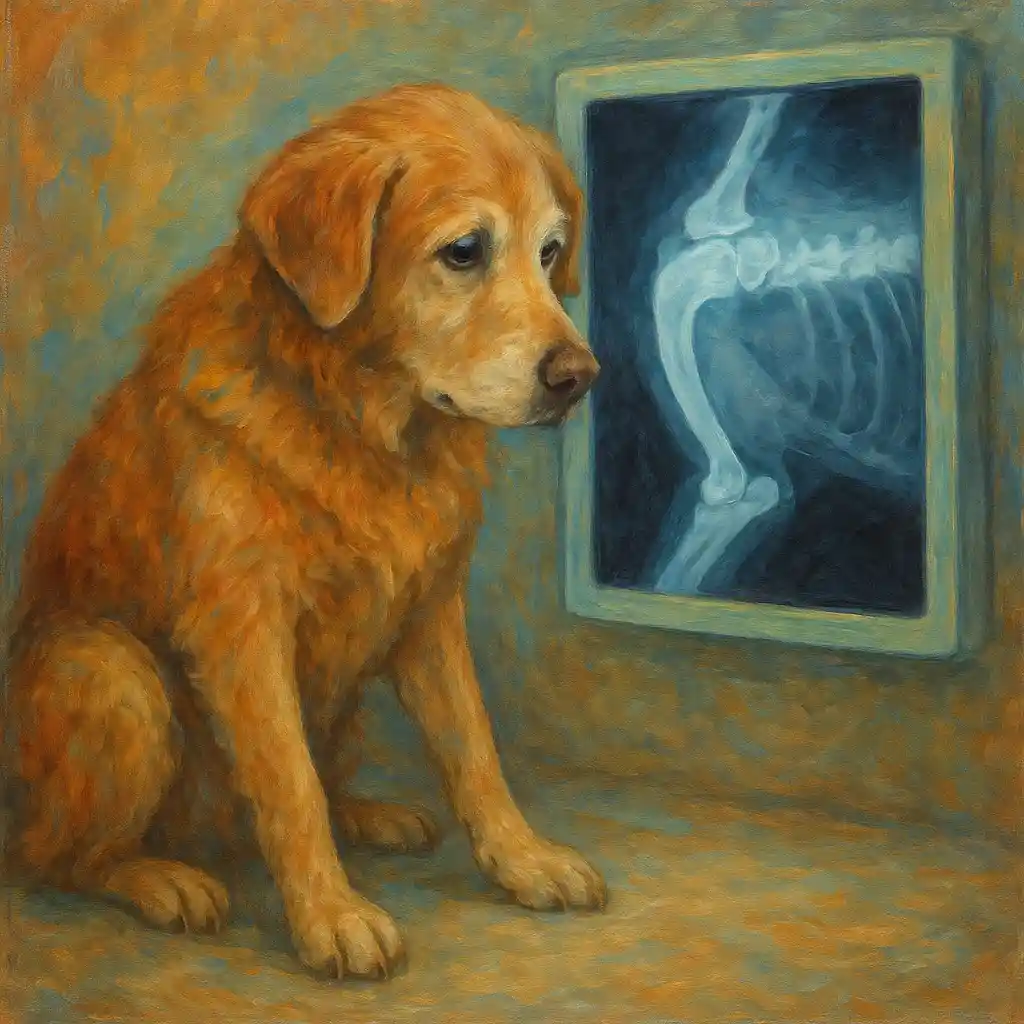
A senior dog brings a special kind of calm and closeness into a home. Many older dogs still love walks, play, and family time, but their bodies change with age. Joints can become stiff. Muscles can weaken. Arthritis can slowly build. Sometimes the change is obvious. Sometimes it is quiet and gradual.
Senior Dog X-Rays for Joint Health are one of the most useful tools to understand what is happening inside the hips and elbows of an aging dog. X-rays help your veterinarian see joint shape, bone changes, and signs of pain sources that are not always clear from the outside. With the right plan, many senior dogs can stay comfortable and active for years.
Understanding the importance of Senior Dog X-Rays for Joint Health can significantly enhance a dog’s quality of life.
Regular Senior Dog X-Rays for Joint Health can help detect issues early and guide treatment plans.
Many veterinarians recommend Senior Dog X-Rays for Joint Health as part of routine care for aging dogs.
With Senior Dog X-Rays for Joint Health, veterinarians can provide tailored care that significantly improves joint function.
Why Senior Dog X-Rays for Joint Health matter
Joint pain is one of the most common problems in older dogs. It can come from age-related wear, past injuries, genetics, or long-term stress on the joints. Large breeds often show joint issues earlier, but small dogs can suffer too.
X-rays add value because they help your veterinarian:
- Confirm whether joint pain is present and where it is located
- Tell the difference between arthritis, dysplasia changes, old injuries, and other bone problems
- Measure how advanced the changes are
- Decide which treatments are likely to help
- Track progress over time with follow-up images
A careful exam and your dog’s behavior are important, but Senior Dog X-Rays for Joint Health give a view that hands and eyes cannot provide. That view often changes the plan in a good way, because treatment becomes more targeted.
In addition, Senior Dog X-Rays for Joint Health allow for monitoring any changes in joint condition over time.
What hip and elbow X-rays can show
Hip and elbow joints are complex. They carry weight, absorb impact, and guide movement. When they are damaged or poorly formed, pain and stiffness often follow.
Common findings in hip X-rays
For any senior canine, Senior Dog X-Rays for Joint Health are a key part of proactive health management.
Hip X-rays may show:
- Osteoarthritis, meaning bone spurs and joint remodeling
- Hip dysplasia changes, such as a loose fit between the ball and socket, flattening of the socket, or thickened bone edges
- Previous injury signs, such as healed fractures or joint misalignment
- Muscle loss around the hips, which can happen after long-term pain
- Other bone issues, less common but important, such as tumors or infection patterns
Common findings in elbow X-rays
Elbow X-rays may show:
- Arthritis, often seen as new bone growth near the joint
- Elbow dysplasia patterns, including changes that suggest long-term abnormal joint stress
- Old trauma, such as past joint damage
- Joint swelling signs, which may appear as changes in soft tissue shadows
In many senior dogs, the main visible issue is arthritis. Even then, the exact location and severity influence which treatments are worth doing first.
When to start X-rays for joint health
Elbow assessments through Senior Dog X-Rays for Joint Health are crucial for detecting early signs of arthritis.
Understanding results from Senior Dog X-Rays for Joint Health is essential for making informed decisions.
There are two different reasons for hip and elbow X-rays, and it helps to separate them clearly.
Screening X-rays for breeding and official scoring
Organizations like the Orthopedic Foundation for Animals, often called OFA, provide official evaluations for hips and elbows. These are mainly used for breeding decisions and long-term genetic tracking.
- OFA hip certification is typically done at 24 months or older
- OFA elbow certification is also typically done at 24 months or older
- Some dogs get preliminary evaluations earlier, but official certification is usually at two years
Diagnostic X-rays for senior dogs
For senior dogs, X-rays are usually diagnostic, meaning they are done to understand pain, stiffness, limping, weakness, or reduced activity.
There is no single perfect age because dogs age differently. A helpful and realistic approach is this:
- Start considering Senior Dog X-Rays for Joint Health when your dog enters the senior stage for their size
- Small dogs often become seniors around 9 to 11 years
- Medium dogs often become seniors around 8 to 10 years
- Large and giant breeds often become seniors around 6 to 8 years
- X-rays become especially valuable when movement changes appear, even if they seem mild at first
Many veterinarians also recommend baseline joint imaging for some high-risk dogs, such as large breeds with a history of orthopedic problems, working dogs, or dogs with long-standing stiffness.
How often senior dogs need follow-up X-rays
X-rays are not always needed every year. The best frequency depends on symptoms, diagnosis, and treatment goals. In general, follow-up X-rays are most useful when they will change decisions.
Common follow-up timing patterns include:
- No routine repeat needed when arthritis is mild and symptoms are stable
- Repeat in 6 to 12 months when symptoms change, pain increases, or a new limp appears
- Repeat sooner after surgery or a significant injury, based on your veterinarian’s plan
- Repeat after a treatment trial when the goal is to confirm progress or rule out another cause
Veterinarians utilize Senior Dog X-Rays for Joint Health to assess hip and elbow conditions effectively.
A practical mindset helps. The goal is not to collect images. The goal is to keep your dog comfortable, and to use imaging when it provides clear value.
Signs that suggest hip or elbow pain in senior dogs
Joint problems do not always look like obvious limping. Many dogs hide pain well. Others simply slow down.
Common signs linked to hip or elbow discomfort include:
- Stiffness after rest, especially in the morning
- Slower walking pace and shorter walks
- Hesitation to climb stairs or jump into a car
- Trouble rising from the floor or slipping on smooth surfaces
- Limping, skipping steps, or shifting weight off one limb
- A narrower stance in the back legs or “bunny hopping” in the rear
- Reduced interest in play
- Irritability when touched near the hips, elbows, or back
- Changes in posture, such as a rounded back or head held lower
- Muscle loss in the thighs or shoulders
These signs do not always mean dysplasia. They can also come from spine issues, ligament injuries, nerve problems, or general weakness. Senior Dog X-Rays for Joint Health help narrow down the cause.
Understanding the OFA hip and elbow grading system in simple terms
Even if your senior dog is not being evaluated for breeding, owners often hear OFA terms and want clear meaning.
OFA hips
For hips, OFA commonly uses these categories:
- Excellent
- Good
- Fair
- Borderline
- Mild dysplasia
- Moderate dysplasia
- Severe dysplasia
In simple terms, “Excellent, Good, Fair” are considered within normal limits. “Mild, Moderate, Severe dysplasia” show increasing levels of abnormal joint structure and risk for arthritis and pain.
OFA elbows
For elbows, OFA results are often described as:
- Normal
- Grade I, II, III elbow dysplasia, depending on severity
Elbows can be tricky because small changes can still cause significant pain. Also, arthritis can progress even after the original developmental issue happened earlier in life.
For a senior dog, OFA-style grades can help communication, but day-to-day comfort and function are even more important than the label. The most useful outcome is a treatment plan that fits your dog’s real life.
What happens during a hip and elbow X-ray visit
A typical process includes:
- Physical exam The veterinarian checks gait, joint range of motion, pain points, muscle mass, and posture.
- Positioning for images Good positioning is essential. A poor position can hide problems or make a joint look worse than it is.
- Sedation or calming medication when needed Many dogs need mild sedation for hip views because the legs must be extended and positioned symmetrically. This is not about forcing the dog. It is about comfort, safety, and accurate results.
- Images taken quickly Once positioned, the X-ray itself takes seconds. Most time is in safe handling and alignment.
- Review and report Your veterinarian may review the images right away and may also send them to a radiologist for a detailed report.
This is one reason Senior Dog X-Rays for Joint Health are worth doing correctly. Clear images reduce repeat visits and improve decision-making.
Safety measures during X-rays
Modern veterinary X-rays use low levels of radiation and follow strict safety rules.
Key safety points include:
- Veterinary staff use lead aprons, gloves, and shields
- Dogs are positioned carefully to reduce stress and movement
- Sedation may be used to avoid struggling and reduce risk of injury
- The goal is always the fewest images needed for good diagnosis
If your dog has heart disease, kidney issues, or other senior health concerns, your veterinarian may recommend bloodwork before sedation. This helps choose the safest medication plan.
How to prepare a senior dog for joint X-rays
Preparation improves comfort and reduces stress.
Helpful steps include:
- Keep walks calm before the appointment to avoid extra soreness
- Bring a favorite blanket that smells like home
- Avoid a large meal right before sedation if sedation is planned, based on clinic instructions
- Share a clear list of current medications and supplements
- Mention any past reactions to sedatives or anesthesia
- Plan a quiet day after the visit, since some dogs feel sleepy
Comfort matters. A calm dog positions better, and better positioning means better diagnosis.
Interpreting X-ray results without guesswork
X-ray interpretation is more than spotting “arthritis.” A useful interpretation connects the image to real symptoms.
When your veterinarian explains results, the discussion often includes:
- Which joint is affected and how severely
- Whether changes match the limp or pain pattern
- Whether the issue looks chronic, acute, or mixed
- Whether there are signs of instability or structural abnormality
- Whether additional tests could help, such as CT, joint ultrasound, or a neurological exam
A key point is that X-ray findings and pain do not always match perfectly. Some dogs have strong arthritis on images but cope well. Others show mild changes yet feel a lot of pain. This is why Senior Dog X-Rays for Joint Health work best as one part of a full plan that includes physical exam, history, and response to treatment.
Treatment options after hip or elbow X-rays
Treatment usually focuses on reducing pain, improving function, and slowing progression. Most senior dogs do best with a combined approach.
Conservative management for mild to moderate cases
Many dogs improve with non-surgical care, including:
1. Weight management
Extra weight increases joint stress every day. Even small weight loss can reduce pain.
Practical goal:
- Aim for a visible waist and easy-to-feel ribs, not sharply visible ribs
2. Controlled, joint-friendly exercise
Movement supports joint fluid circulation and muscle strength.
Good choices:
- Short, steady walks
- Swimming or underwater treadmill therapy
- Gentle hill walking if tolerated
Less helpful choices:
- Hard jumping, intense fetch, slippery running on smooth floors
3. Pain relief and anti-inflammatory medication
Common options include veterinary NSAIDs and other pain control medications. These must be guided by a veterinarian, especially for seniors, due to liver, kidney, and stomach safety.
4. Physical therapy and strengthening
Targeted therapy builds supporting muscles, improves balance, and reduces strain on painful joints.
Often used tools:
- Stretching and range-of-motion exercises
- Strength work like controlled sit-to-stand movements
- Massage, heat therapy, or laser therapy
- Hydrotherapy
5. Joint supplements and supportive nutrition
Some dogs benefit from supplements, especially as part of a broader plan.
Common categories:
- Omega-3 fatty acids for inflammation support
- Glucosamine and chondroitin in some cases
- Prescription joint diets when recommended
Supplements are not instant fixes, but they can support comfort over weeks to months.
6. Home environment changes
Small changes at home can protect joints every day:
- Add rugs or non-slip runners on smooth floors
- Use ramps for car entry or stairs for sofas
- Choose an orthopedic bed with good support
- Keep nails trimmed to improve traction
- Raise food and water bowls if neck or front legs are sore
These steps can make a noticeable difference, especially for elbow arthritis where front-end weight bearing hurts.
Surgical options for severe cases
Surgery is not the best choice for every senior dog, but it can be life-changing in selected cases. Suitability depends on overall health, severity, and goals.
Possible surgical paths include:
- Total Hip Replacement, often the most effective solution for severe hip disease in appropriate candidates
- Femoral Head Ostectomy, sometimes used in smaller dogs or specific cases, with a different recovery profile
- Elbow arthroscopy or other elbow procedures, depending on the underlying issue, arthritis level, and specialist recommendation
Surgery often requires advanced imaging, specialist evaluation, and structured rehab. For many seniors, a strong conservative plan is enough. For others, surgery offers the most comfort.
Lifestyle adjustments that protect aging joints every day
Preparing your dog for Senior Dog X-Rays for Joint Health can enhance the quality of the images obtained.
Senior joint care works best when it becomes part of daily routine, not a one-time event.
Exercise adjustments that support joints
- Choose consistent, moderate activity instead of weekend-only intense exercise
- Warm up slowly before longer walks
- Keep sessions shorter but more frequent
- Avoid slippery surfaces and fast turns
- Use a harness for better control and reduced neck strain
Diet and weight support
- Measure meals rather than free-feeding
- Reduce high-calorie treats and replace with low-calorie options when needed
- Use puzzle feeders to slow eating and add mental engagement without extra calories
- Keep fresh water easy to access to support overall health
Comfort and stress reduction
Chronic pain increases stress, and stress can reduce sleep quality. Good rest supports healing and resilience.
- Provide a quiet resting area
- Keep temperature comfortable, as cold can worsen stiffness
- Maintain a predictable routine, since seniors do best with stability
Properly interpreting Senior Dog X-Rays for Joint Health is vital for creating effective treatment plans.
Cost-saving strategies for Senior Dog X-Rays for Joint Health
Joint imaging and long-term care can be expensive. Smart planning can reduce costs while keeping quality high.
1. Bundle services
Some clinics offer senior wellness bundles that include exam, bloodwork, and imaging at a lower total price.
2. Use veterinary schools or referral centers when appropriate
Teaching hospitals sometimes provide high-quality imaging at competitive pricing, and they often have specialists.
3. Consider pet insurance or wellness plans
Insurance works best when started earlier, but some plans still help with diagnostics or chronic care. Wellness plans may include X-rays or discounts.
4. Ask about radiology review options
Sometimes images can be taken locally and sent to a specialist for interpretation, which may cost less than traveling for a full specialty visit.
5. Plan follow-ups based on value
Not every sore day needs an X-ray. Imaging is most cost-effective when it changes treatment decisions.
6. Discuss payment options early
Many clinics offer payment plans or work with third-party financing. Planning reduces stress and avoids delays in care.
Cost-saving does not mean doing less care. It means doing the right care at the right time.
Monitoring progress and using follow-up X-rays well
After starting treatment, progress is often measured in daily life:
- Easier rising from rest
- Longer comfortable walks
- Less limping and stiffness
- Better mood and more interest in play
- Improved muscle tone
Follow-up imaging becomes useful when:
- Symptoms change suddenly
- A limp shifts to a different limb
- Pain increases despite treatment
- Surgery is planned
- A specific rehab plan needs objective tracking
This is where Senior Dog X-Rays for Joint Health become a long-term tool, not just a one-time test.
Real-life outcomes that owners often see
Many senior dogs improve with the right mix of diagnosis, pain control, and lifestyle changes. Common positive changes reported by owners include:
- A dog that starts using stairs again after weight loss and medication support
- A dog that returns to steady daily walks after physical therapy builds strength
- A dog that becomes more social and relaxed after pain is controlled
- A dog that sleeps better after home adjustments like ramps and orthopedic bedding
- A dog that regains confidence on floors after adding non-slip runners
The best results usually come from consistent care. Small daily steps add up.
Key takeaways for a plan
Senior Dog X-Rays for Joint Health are valuable because they support clear decisions. They help locate pain, confirm arthritis or dysplasia-related changes, and guide targeted treatment. They also prevent guesswork, especially when multiple problems overlap in an older dog.
A strong approach includes:
- Timely diagnostic imaging when symptoms or risk justify it
- Safe handling and sedation when needed for accurate positioning
- Clear interpretation that connects images to real-life mobility
- A combined plan with weight control, controlled exercise, medication when appropriate, therapy, and home support
- Cost-smart choices like bundles, schools, insurance, and value-based follow-ups
Conclusion
Senior years can still be active, comfortable, and full of connection. Joint issues do not have to mean the end of walks, play, or independence. With smart diagnostics and steady support, many dogs move better than expected, even with arthritis or long-term joint changes.
Senior Dog X-Rays for Joint Health provide a clear picture of what is happening inside the hips and elbows. That clarity makes treatment more focused, progress easier to track, and daily life more comfortable for the dog who has spent years giving loyalty and love.
When joint care is built on good information, compassionate handling, and simple home habits, a senior dog’s quality of life can improve in very real and visible ways.
Ultimately, Senior Dog X-Rays for Joint Health provide insights that can lead to improved outcomes for aging dogs.