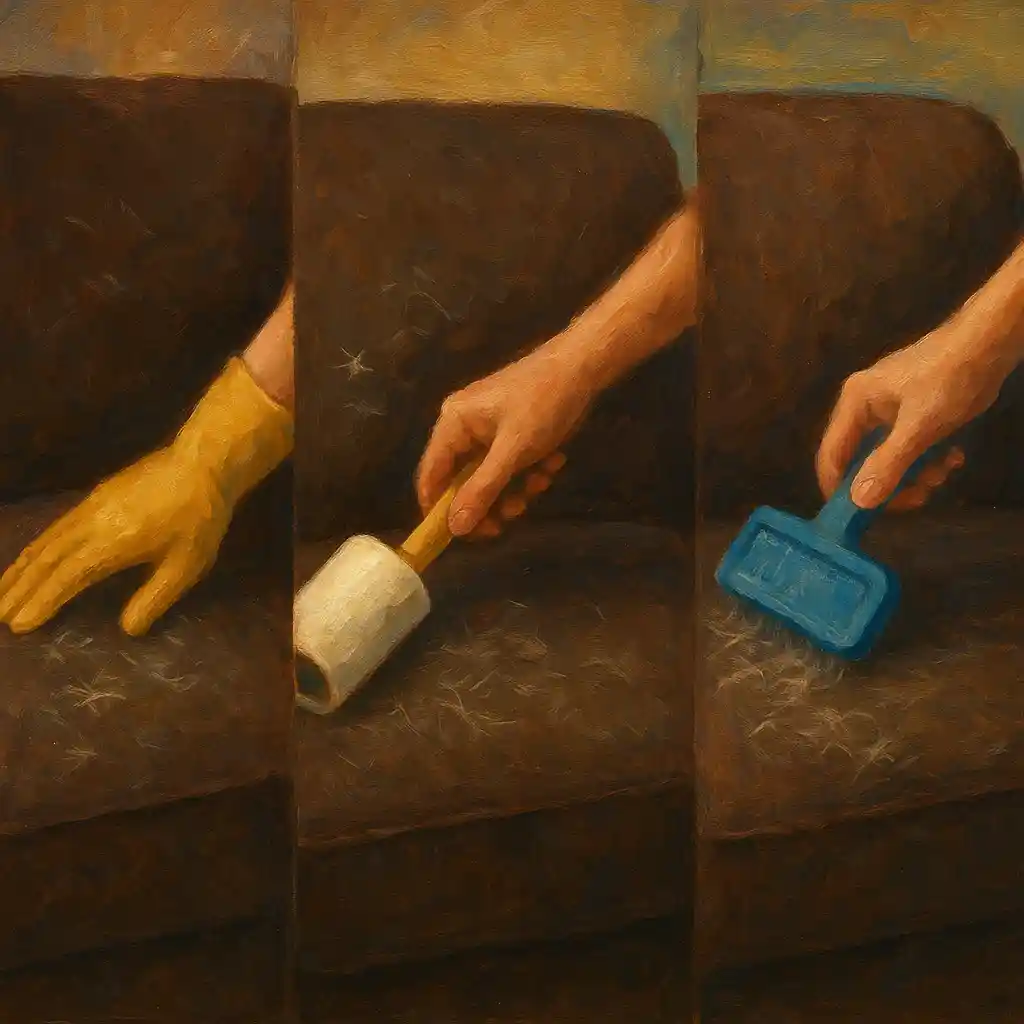
Living with a dog or cat brings a lot of comfort, but pet hair on furniture can feel like a full-time job. Hair sticks to sofas, armchairs, cushions, and blankets. It hides in corners and seems to return five minutes after cleaning. A clean home is still possible, even with a heavy shedder. The key is using the right methods, in the right order, and building a small routine that prevents hair from building up.
One common challenge for pet owners is how to Remove Pet Hair from Furniture efficiently. This article outlines several practical approaches to tackle this issue.
To effectively Remove Pet Hair from Furniture, consider these top methods.
This blog entry is a complete guide to Remove Pet Hair from Furniture using three proven hacks:
- The Rubber Glove Trick
- Lint Rollers (and smart alternatives)
- Washable Covers to stop hair build-up before it starts
It also includes extra tips for seniors, people with allergies, and anyone who wants a simple weekly plan that keeps furniture fresh with less effort.
Why pet hair sticks so strongly to furniture
Pet hair is light, dry, and full of static electricity. Many furniture fabrics also create static, especially microfiber, fleece throws, velvet-style upholstery, and some synthetic blends. When hair and fabric hold static, hair clings instead of falling off.
Hair also gets trapped in texture. Woven fabrics, seams, tufting, and cushion edges catch hair like small hooks. Add body oils, pet dander, and everyday dust, and hair becomes even harder to lift.
Some pets shed year-round, while others shed heavily in seasons. Many double-coated dogs shed more in spring and fall. Indoor pets can also shed all year because indoor temperature and light stay steady.
Understanding this helps because the best plan is not one “perfect” tool. The best plan is a simple system that lifts hair, collects it, and then prevents it from coming back too fast.
Before you start: set yourself up for fast results
These small steps make every method work better and take less time.
1) Remove clutter from the area
Pick up blankets, toys, and pillows first. Hair often hides under them and around the edges.
2) Work from top to bottom
Start with back cushions and arms, then seat cushions, then the base. Hair falls downward while you clean.
3) Use a small trash bag nearby
Pet hair piles up quickly. Having a bag close makes cleanup easier and faster.
4) Avoid soaking the fabric
Most hair-removal hacks use light moisture, not wet fabric. Too much water can push hair deeper or leave marks on some materials.
Hack 1: The Rubber Glove Trick (fast, cheap, and surprisingly powerful)
The rubber glove method is one of the easiest ways to Remove Pet Hair from Furniture because it combines friction, static control, and grip. Use this technique to quickly gather hair from your upholstered pieces.
What you need
- A clean rubber glove or silicone dishwashing glove
- Water in a small bowl, or a slightly damp cloth
Textured gloves often work best because the small patterns increase grip.
Step-by-step method
- Put on the glove.
- Dampen the glove very lightly. The glove should feel a little moist, not wet.
- Run your hand over the furniture using long strokes in one direction.
- Use medium pressure, especially along seams, edges, and cushion corners.
- Hair will gather into clumps. Pick up the clumps and place them into your trash bag.
- Rinse the glove when it gets covered, then continue.
Where this works best
- Fabric couches and armchairs
- Upholstered dining chairs
- Car seats with fabric
- Pet beds with fabric sides
Where to be careful
- Delicate fabrics like silk blends
- Some loose weaves that can snag
- Leather, where friction can leave streaks if the glove is too wet
On leather, use a dry microfiber cloth instead, or use the glove very lightly with minimal moisture.
Why it works so well
Rubber creates friction and grabs hair. Light moisture reduces flying static and helps hair stick together, so it lifts instead of spreading.
Extra tip for better results
After one full pass with the glove, do a second pass in the opposite direction. Hair that hides in the weave often comes out when the direction changes.
Hack 2: Lint rollers (best for quick touch-ups and daily control)
Lint rollers are simple, clean, and great when you want fast visual results. They are especially useful for guests, quick cleanups, and small areas like cushion tops.
What lint rollers do best
- Pick up loose hair on the surface
- Clean small sections quickly
- Remove hair from throws, pillows, and clothing
How to use a lint roller the right way
- Roll slowly, not fast. Slow rolling gives the adhesive time to grab hair.
- Press more firmly on seams and piping where hair gathers.
- Use short strokes on textured fabric.
- Replace the sheet as soon as it looks “full.” A half-used sheet often stops grabbing well.
Best places to keep one
- Living room drawer or side table
- Bedroom near the bed
- Car glove box
- Near the door for quick clothing cleanup
Reusable alternatives with less waste
If you prefer an eco-friendlier option, these alternatives can work well:
- Reusable sticky rollers: Wash with water, let dry, and reuse
- Rubber brushing tools: A rubber “squeegee” style tool can lift hair from upholstery
- Velvet lint brush: Works well for some fabrics, especially flatter weaves
Reusable options reduce trash and can be cheaper over time.
When lint rollers are not enough
If hair is deeply trapped in fabric, the roller may only clean the top layer. In that case, start with the rubber glove trick first, then finish with a lint roller to catch the last strands.
Used together, they work far better than either one alone.
Hack 3: Washable covers (the long-term secret to staying ahead)
If you want to Remove Pet Hair from Furniture less often, prevention is the biggest win. Opt for washable covers to reduce hair sticking to surfaces.
This hack is not only about “covering up.” It is a system that turns a hard cleaning job into a simple laundry task.
Types of washable covers
- Full slipcovers
- Cover most of the sofa or chair
- Best for homes with heavy shedding
- Helps protect from dirt, drool, and small accidents
- Seat and back covers
- Smaller pieces that protect the main sitting areas
- Easier to remove than full slipcovers
- Good for people who want a neat look without covering everything
- Throws and blankets
- The simplest option
- Easy to wash and replace
- Best for pets that stay in one favorite spot
- Cushion covers with zippers
- Great if the sofa has removable cushion covers already
- Washing cushion covers regularly keeps hair under control
Choosing the right fabric
- Tightly woven cotton: comfortable and breathable, hair sits more on top
- Canvas or denim-style: durable, good for active pets
- Microfiber covers: can attract hair with static, but are easy to wash and quick to dry
- Quilted covers: comfortable and cozy, but stitching can trap hair, so shake them outside before washing
For easy hair removal, a tighter weave often performs best.
Simple care routine for washable covers
- Shake outside first to remove loose hair
- Wash on a normal cycle with mild detergent
- Use an extra rinse if allergies are a concern
- Dry fully before putting back to avoid damp smells
If hair sticks inside the washing machine, run a quick empty rinse cycle afterward, or wipe the drum with a damp cloth.
Added value tip
Two sets of covers make life easier. One set is on the furniture while the other is in the wash. This keeps the home looking neat without waiting for laundry to finish.
The best results come from combining all three hacks
Each hack has a role. Together, they form a simple system.
A practical order that works
- Rubber glove to lift and collect most hair
- Lint roller to catch leftovers and make surfaces look perfect
- Washable covers to prevent heavy build-up after cleaning
This combination saves time because the lint roller does not have to do the hardest work.
A weekly routine that keeps furniture clean with less effort
A routine prevents hair from becoming a big problem. A small plan is easier than long cleaning sessions.
Daily plan, two to five minutes
- Lint roll the main sitting area or the pet’s favorite spot
- Shake the throw blanket outside if you use one
Two times per week, five to ten minutes
- Use the rubber glove trick on arms, cushion edges, and seams
- Pick up clumps and dispose of them right away
Weekly plan, twenty to thirty minutes
- Remove covers and wash them
- Lint roll pillows and pet blankets
- Quick vacuum around the sofa base and under cushions if possible
This routine keeps hair from getting pressed deeper into fabric over time.
Extra tips for seniors and people with limited mobility
Pet hair cleanup should not cause pain or strain. Small adjustments can make a big difference.
Choose tools that reduce bending and reaching
- Use a lint roller with an extended handle
- Place a small basket with cleaning tools near the sofa
- Use washable throws that are light and easy to lift
Work in short sessions
Cleaning in two or three short rounds can feel much easier than one long round. Small breaks protect the back, shoulders, and knees.
Use stable posture and support
- Sit in a stable chair while cleaning a sofa seat
- Keep both feet flat on the floor
- Avoid twisting the spine while reaching across furniture
Ask for help when needed
For deep cleaning, heavy slipcovers, or moving furniture, it is safer to ask a caregiver, family member, neighbor, or a professional cleaner. This is especially important if balance is a concern.
Allergy-friendly tips for a cleaner, more comfortable home
Pet hair itself often carries dander, saliva proteins, and dust. If allergies are an issue, removing hair also helps reduce allergens.
Helpful habits for allergy control
- Wash covers and throws weekly
- Keep pets off certain “allergy-safe” seats if possible
- Groom pets regularly to reduce shedding in the home
- Use a damp rubber glove or damp microfiber cloth to reduce airborne hair
Cleaning without spreading allergens
Dry brushing can send hair and dander into the air. Light moisture helps hair clump and stay controlled, which can feel more comfortable for sensitive people.
DIY natural solutions that support hair removal
There is no need for harsh chemicals to Remove Pet Hair from Furniture. Most of the time, friction and light moisture are enough. A few gentle, natural options can support your routine.
1) Lightly damp microfiber cloth
A microfiber cloth slightly dampened with water can pick up hair from flatter fabrics. It is also a good final step on leather or faux leather.
2) Fabric-safe static control with water
If hair is flying around due to static, lightly misting the air above the sofa with water can reduce static. Keep it very light and avoid spraying the upholstery directly, especially on delicate fabrics.
3) Baking soda for odors, then hair removal
If furniture smells “petty,” sprinkle a light layer of baking soda on fabric, wait 15 to 30 minutes, then vacuum. After that, use the rubber glove trick to pick up leftover hair that the vacuum missed. Baking soda supports freshness, but it is not a hair remover by itself.
Common mistakes that make pet hair harder to remove
Avoiding these mistakes saves time.
Using too much water
Soaking fabric can push hair deeper and leave water marks. Light dampness works best.
Rubbing in random directions
Random rubbing spreads hair. Use long strokes in one direction, then reverse for a second pass.
Depending only on a vacuum
Vacuums help, but many upholstery tools are not designed for hair. Hair can wrap around brushes or stay trapped. The rubber glove trick often lifts hair better before vacuuming.
Waiting too long between cleanups
Once hair gets pressed into fabric, it becomes harder to lift. Small, regular cleaning is easier than rare, heavy cleaning.
Fabric guide: what works best for each furniture type
Different materials need different approaches.
Upholstery fabric sofas and chairs
- Best method: Rubber glove first, lint roller second
- Add-on: Washable covers for prevention
Leather and faux leather
Incorporating regular habits will make it easier to Remove Pet Hair from Furniture and keep your living spaces clean and comfortable.
- Best method: Dry or lightly damp microfiber cloth
- Avoid: Too much friction with a wet rubber glove
Velvet or velvet-like fabric
- Best method: Gentle rubber glove strokes, then lint roller
- Tip: Use light pressure to avoid changing the pile direction too much
Outdoor cushions
- Best method: Rubber glove and rinse-friendly lint brush tools
- Tip: Covers are especially helpful outdoors due to dust and pollen
A simple “pet hair kit” for your home
Keeping a small kit ready makes it more likely that cleaning stays easy.
Basic kit
- Rubber gloves or silicone gloves
- Lint roller or reusable roller
- Small trash bag or bin
- Microfiber cloth
- Washable throw blanket or cover
Optional upgrades
- Spare lint roller refills
- Second set of washable covers
- Small handheld vacuum for crumbs and dust after hair removal
Final thoughts: clean furniture and a pet-friendly home can go together
A home with pets does not need to look messy, and removing hair does not need to feel endless. The strongest approach is simple and realistic:
- Use the Rubber Glove Trick to lift and gather hair quickly
- Use Lint Rollers for fast touch-ups and a polished finish
- Use Washable Covers to prevent hair build-up and reduce heavy cleaning
With a small weekly routine, it becomes much easier to Remove Pet Hair from Furniture and keep the home comfortable, tidy, and welcoming for everyone, including the pets who make it feel like home in the first place.