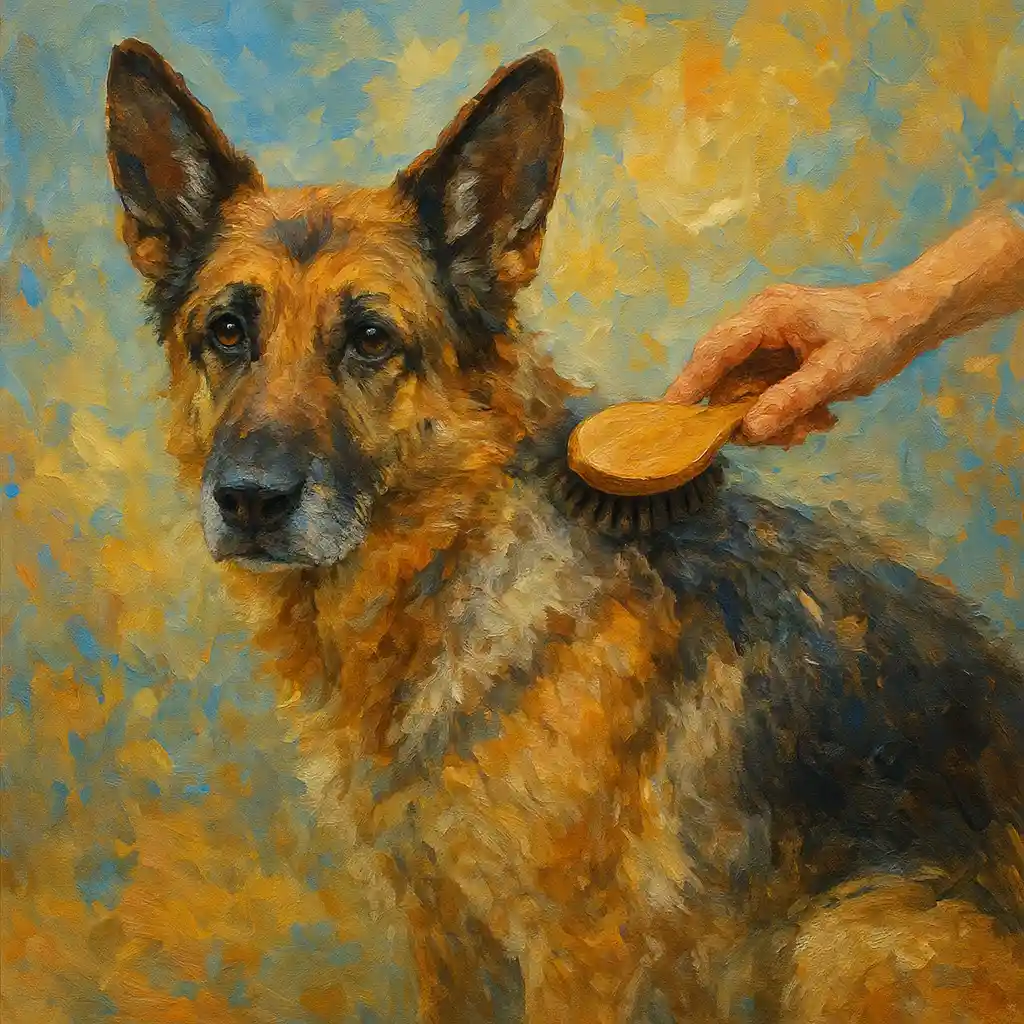
German Shepherds are famous for their proud posture, loyal nature, and strong, beautiful coats. As they grow older, it is normal to notice German Shepherd Coat Changes—the color may fade, the texture may feel different, and shedding may increase or become uneven. Some changes are harmless and simply part of aging. Other changes can be early signs of health issues that deserve attention.
This guide explains what coat changes can mean, the genetics behind common coat colors, and clear steps to support your senior German Shepherd’s skin and coat health. The goal is simple: help owners understand what they are seeing, reduce worry, and improve daily care.
1) What “German Shepherd Coat Changes” Look Like in Senior Dogs
A senior German Shepherd may show coat changes slowly over months, or more clearly after a season change, illness, or stressful event. The most common German Shepherd Coat Changes include:
- Graying around the face (especially the muzzle and eyebrows)
- Fading coat color (black looks less deep, tan looks paler)
- Dry or dull coat (less shine than before)
- Thinner fur in certain areas (hips, belly, behind ears)
- More tangles or matting (coat texture changes with age)
- Different shedding pattern (shedding more often, or in patches)
- More sensitive skin (itchy, flaky, or red areas)
Some of these are normal in older dogs. The key is to track the timing and the full picture: coat changes plus behavior, appetite, energy, weight, smell, skin condition, and comfort level.
2) The German Shepherd Coat: A Quick, Useful Overview
German Shepherds usually have a double coat:
- Topcoat (guard hairs): longer, stronger hairs that protect from dirt and weather
- Undercoat: soft, thick insulation that sheds heavily during “blowing coat” seasons
Because of this double coat, German Shepherds can shed a lot even when healthy. The challenge is telling normal shedding apart from coat changes linked to aging or illness.
Helpful difference to remember:
- Seasonal shedding is often widespread and fairly even.
- Health-related coat loss is often patchy, linked to skin problems, or comes with itching, odor, redness, or scabs.
3) Genetics Behind Coat Color: Simple and Accurate
Coat color is controlled by genes that affect pigments in the hair:
- Eumelanin: black/brown pigment
- Pheomelanin: red/tan/yellow pigment
Genes decide how much pigment is produced and where it appears on the body. This is why German Shepherds can look very different even within the same breed standard.
Genetics also matter because certain gene patterns are sometimes connected to health risks (especially in colors or patterns that come from rare mutations or irresponsible breeding).
4) Common German Shepherd Colors and What to Know
A) Black and Tan (Classic Pattern)
This is the best-known German Shepherd look: black “saddle” on the back with tan legs, chest, and face markings.
What owners often see in seniors:
- Black areas may look more brown or “washed out”
- Tan areas may become lighter or slightly gray
These are common German Shepherd Coat Changes with age and sun exposure, especially if the dog spends time outdoors.
Care focus:
- Coat shine support (diet + brushing)
- Skin comfort (avoid over-bathing, use gentle products)
- Regular checks for dryness, hot spots, or allergy signs
B) Sable (Banding on Each Hair)
Sable German Shepherds have hairs with multiple bands of color (often lighter at the base and darker tips). This creates a shaded, “wolf-like” look.
What owners often see in seniors:
- The coat can look uneven as the undercoat changes
- Seasonal shedding may make the coat look lighter for a while
- Older dogs sometimes show stronger contrast (or less contrast) depending on undercoat density
Care focus:
- Good brushing routines (undercoat control)
- Watch for skin dryness under thick fur
- Diet support for coat texture
C) “Panda” Pattern (Rare, Not Standard)
“Panda” German Shepherds have noticeable white patches along with the usual black/tan areas. This pattern is linked to a genetic mutation affecting pigment distribution.
Important note: “Panda” is not a typical standard color pattern and can be associated with breeding choices that are not always health-focused. A dog can still live a long, healthy life, but careful monitoring is wise.
Care focus:
- White or lightly pigmented areas can be more sun-sensitive
- Extra attention to skin health and protection
5) How Coat Color Can Connect to Health Risks
Coat color genetics do not automatically cause illness. Still, some coat and pigment patterns can increase risk in specific situations.
Light Pigment and Sun Sensitivity
Dogs with lighter areas (especially white patches or thin hair zones) can be more prone to:
- Sunburn
- Skin irritation
- Higher risk of certain skin tumors over time
Added value tip: Sun exposure matters most on thin-fur areas like ears, nose bridge, belly, and inner legs.
Dark Coats and Heat Absorption
Darker coats can absorb more heat in warm weather. Senior dogs also regulate temperature less efficiently.
This can increase risk of:
- Overheating
- Heat stress during warm walks
Added value tip: Heat risk is more about temperature + humidity + fitness level than coat color alone, but coat color can add to the load.
6) Normal Aging vs. Warning Signs
Many coat changes are harmless. Others deserve veterinary attention.
Normal Senior Changes
These German Shepherd Coat Changes are often normal if the dog seems well otherwise:
- Slow graying of muzzle and face
- Slight fading from sun exposure
- Mild dryness in winter
- Slower coat regrowth after grooming
Warning Signs That Should Not Be Ignored
These are stronger signs of possible skin or internal health issues:
- Sudden heavy shedding that lasts longer than normal seasonal shedding
- Bald patches, especially if the skin looks red, thick, or dark
- Strong odor, greasy coat, or repeated ear infections
- Constant scratching, licking paws, rubbing face
- Scabs, crusting, bleeding spots, or moist “hot spots”
- Dandruff that is heavy and does not improve with care
- Coat changes together with weight gain/loss, thirst changes, tiredness, or mood changes
Many senior health problems show first in the skin and coat, so coat observations are genuinely useful.
7) Common Health Causes of Coat Changes in Senior German Shepherds
Here are common issues that can drive German Shepherd Coat Changes beyond normal aging:
Allergies (Environmental or Food-Related)
Allergies often cause itching, redness, ear issues, paw licking, and secondary infections.
Parasites (Even in Older Dogs)
Fleas, mites, or lice can cause patchy coat loss and irritation. Some senior dogs react more strongly than before.
Skin Infections (Bacterial or Yeast)
These often create:
- Strong smell
- Greasy fur
- Red, irritated skin
- Darkened skin in long-term cases
Hypothyroidism (Low Thyroid Function)
This is common in middle-aged and older dogs and can cause:
- Dull coat
- Weight gain without more food
- Low energy
- Thinning fur, often on the sides or tail (“rat tail”)
Cushing’s Disease
This hormone-related disease can cause:
- Hair loss
- Thin skin
- Panting
- Increased thirst and appetite
Arthritis and Pain (Indirect Coat Effects)
Pain can reduce self-grooming behaviors and make brushing uncomfortable. Less movement can also change skin health and oil distribution.
8) Grooming Plan for Senior German Shepherds (Simple, Effective)
Grooming is more than appearance. It improves comfort, helps owners spot problems early, and supports healthy skin oils.
Brushing: The Most Important Habit
For most senior German Shepherds:
- 2–4 times per week brushing works well
- During heavy shedding: daily short sessions help more than long sessions
Tools that often help:
- Slicker brush for topcoat
- Undercoat rake for dense undercoat (gentle use)
- Grooming glove for sensitive seniors
Added value tip: Short, calm brushing sessions reduce stress and help seniors who have joint pain.
Bathing: Less Is Often More
Bathing too often can dry the skin, especially in older dogs.
A reasonable starting point:
- Every 4–8 weeks, or when truly needed
- Use a gentle dog shampoo, ideally fragrance-free if skin is sensitive
If the coat is greasy, itchy, or smelly, bathing more often might be part of a vet-led plan using medicated shampoo.
Nails, Ears, and “Hidden Coat Problems”
Coat health also depends on overall grooming:
- Long nails change gait and can worsen joint pain
- Dirty ears can signal allergies (which often affect coat and skin too)
9) Nutrition That Supports Skin and Coat in Senior German Shepherds
Food has a direct effect on coat shine, shedding, and skin comfort. Seniors also need nutrition that supports joints, digestion, and muscle mass.
Key Nutrition Priorities
- High-quality protein to maintain coat growth and muscle
- Omega-3 fatty acids (EPA/DHA) for skin barrier and inflammation control
- Vitamin E and zinc (balanced amounts) to support skin repair
- Adequate hydration for skin elasticity and coat feel
Omega-3 sources often used:
- Fish oil (common and effective)
- Senior diets with added EPA/DHA
Important: Supplements should match the dog’s size and health status. Some seniors have conditions (like pancreatitis risk) where fat supplements need extra care.
Weight Management Helps the Coat Too
Extra weight increases inflammation and reduces movement, and both can worsen skin and coat quality. A lean senior German Shepherd often has:
- Better coat condition
- Less odor and fewer skin folds
- Better grooming tolerance due to less strain
10) Exercise That Protects the Senior Coat and Body
Movement improves circulation, supports skin function, and helps regulate stress hormones that can affect coat quality.
Best options for many senior German Shepherds:
- Steady, short-to-medium walks
- Gentle hill walking (if joints allow)
- Swimming or controlled water therapy (joint-friendly)
- Light play and sniffing time (low impact, mentally rich)
A senior dog does best with consistent activity rather than weekend “overdoing it,” which can cause soreness and stress.
11) Mental Stimulation: A Hidden Tool for Coat Health
Stress can worsen scratching, licking, and shedding. Mental stimulation lowers stress and supports routines.
Good senior-friendly activities:
- Snuffle mats and treat puzzles
- Short training refreshers (sit, touch, easy scent games)
- Simple hide-and-seek games with treats
- Calm chewing options approved by the vet
A calmer dog often has fewer stress-related German Shepherd Coat Changes, especially licking and over-grooming patterns.
12) Vet Check-Ups: The Best Way to Catch Problems Early
Senior dogs benefit from regular checks because skin and coat changes can be early clues for internal issues.
Many vets recommend:
- Every 6 months for seniors, not just once a year
Useful topics to discuss:
- New bald spots or thinning areas
- Dandruff, odor, itch
- Any change in energy, thirst, appetite, or weight
- Joint pain that makes grooming harder
Simple tests that may be suggested when coat changes look medical:
- Skin scrape or fungal culture
- Allergy discussion or elimination diet plan
- Bloodwork including thyroid levels
- Checking for secondary infections
13) Genetic Testing: When It Adds Real Value
Genetic testing can help in two main ways:
- Coat color genetics and pattern identification
- Breed-related health risk screening
It is not necessary for every dog, but it can be useful if:
- The dog has an unusual pattern (like panda-type markings)
- There is unknown background (rescue dogs)
- The owner wants a clearer health plan for senior years
Genetic results do not replace veterinary diagnosis, but they can support smarter long-term care decisions.
14) Daily and Weekly Care Checklist
Daily
- Quick coat and skin scan during petting (bumps, odor, redness)
- Fresh water available all day
- Gentle movement suited to age
- Shade and temperature safety outdoors
Weekly
- Brush 2–4 times per week (more during shedding)
- Check ears for redness or smell
- Check paw pads and nails
- Note any new itching patterns or coat thinning
Monthly (or as needed)
- Bath with gentle shampoo
- Weight check at home (or at the vet)
- Review diet portions and treats
This simple structure makes German Shepherd Coat Changes easier to track and manage.
15) Temperature and Sun Safety for Senior German Shepherds
Senior dogs are less flexible with heat and cold. Coat color and coat density can add challenges, but good habits help every dog.
In Warm Weather
- Walk early morning or later evening
- Provide shade and cool water
- Avoid hot pavement
- Watch for heavy panting and slow movement
In Sunny Conditions
- Protect thin-fur areas (ears, nose bridge, belly)
- Consider vet-approved sun protection strategies if needed
- Avoid long sun exposure during peak hours
In Cold Weather
Older dogs can get stiff, and dry indoor heat can worsen dandruff.
- Warm bedding
- Gentle warm-up walking
- Humidity support indoors if the air is very dry
16) Real-Life Coat Change Patterns Owners Commonly Report
Senior German Shepherds often follow one of these patterns:
Pattern 1: “Healthy Aging Fade”
- Slow muzzle graying
- Mild coat dullness in winter
- Normal appetite and energy for age This pattern often improves with better brushing, diet support, and regular check-ups.
Pattern 2: “Seasonal Shed Looks Like a Problem”
- Heavy shedding twice a year
- Undercoat clumps come out
- Coat looks uneven for a few weeks With proper brushing and time, the coat usually returns to normal.
Pattern 3: “Coat Change is the First Sign”
- Dull coat plus weight gain
- Thinning fur on sides or tail
- More tiredness This pattern deserves a vet visit because thyroid or hormone issues are possible.
Pattern 4: “Itch and Infection Cycle”
- Scratching, paw licking
- Ear infections
- Smell or greasy coat This often points toward allergies plus secondary infection and improves with a clear treatment plan.
Conclusion: Coat Changes Are Useful Information, Not Just Cosmetic
German Shepherd Coat Changes are part of life with a senior dog. Some changes are natural signs of age and time. Others are valuable early clues that the skin, hormones, or immune system needs support.
The most helpful approach is steady and practical:
- Brush consistently
- Feed for skin and joint health
- Keep exercise gentle but regular
- Protect from heat and sun
- Schedule senior-focused vet check-ups
- Track coat and skin changes like a simple health diary
With this kind of care, a senior German Shepherd’s coat can stay comfortable and healthy, and owners can feel confident that they are supporting the dog’s well-being from the outside in.