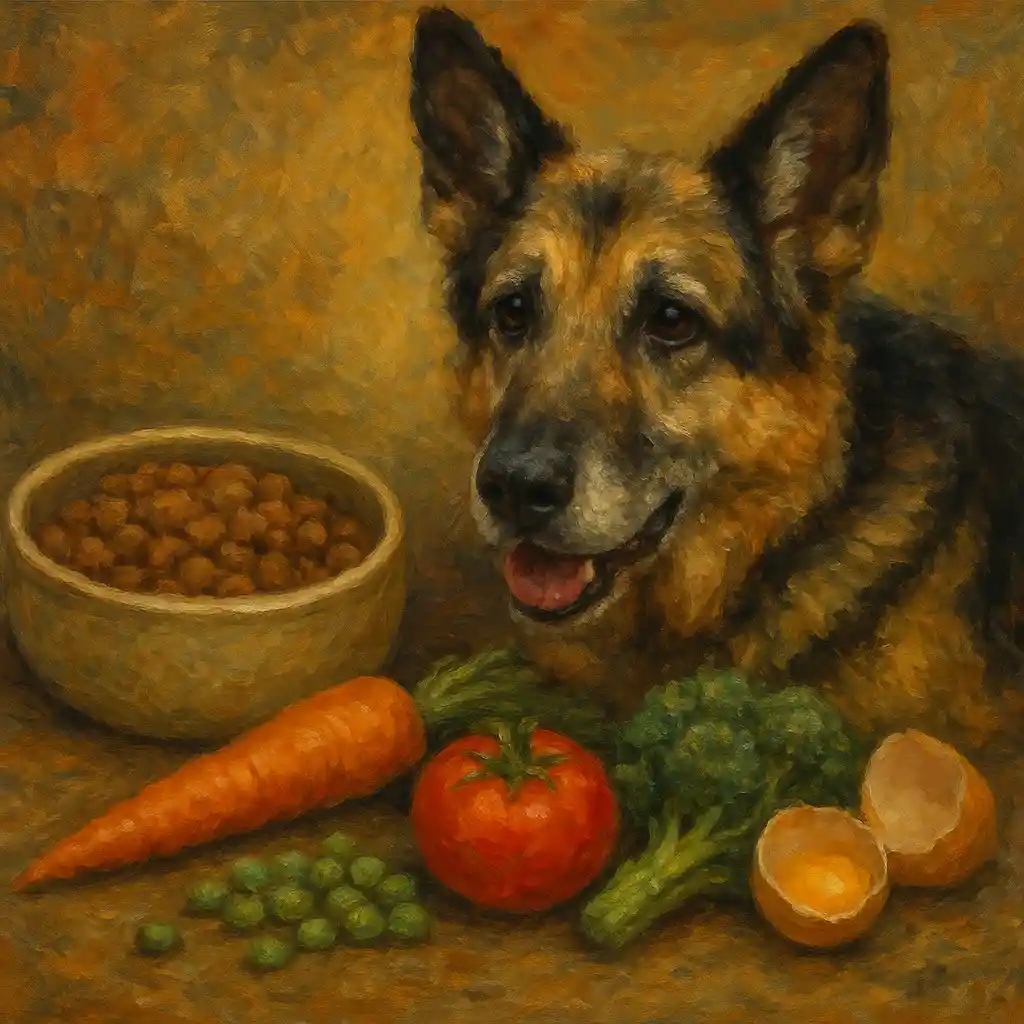
Aging German Shepherds are proud, loyal, and intelligent dogs. They often stay alert and willing for a long time, but their bodies change as they get older. Many owners notice slower movement, more stiffness after rest, less interest in long play sessions, and easier weight gain. These changes are normal, but they can also improve with the right daily care. One of the most powerful tools is food.
Nutrition for Aging German Shepherds is not only about choosing a “senior” label on a bag. It is about matching calories to real activity, choosing the right protein level, supporting joints, protecting digestion, and timing supplements so they work better. This guide offers simple steps that fit real life, with a focus on comfort, strength, and long-term health.
Why nutrition matters more as your German Shepherd gets older
German Shepherds are a working breed. Even if a senior dog no longer “works,” their body is built for strength and movement. Over time, aging affects several systems at once:
- Metabolism slows down: many seniors need fewer calories than before.
- Muscle mass drops more easily: older dogs can lose muscle if protein is too low or exercise is too limited.
- Joints and connective tissue wear out: hips, elbows, spine, and paws often become more sensitive.
- Digestion may change: some seniors become sensitive to rich food or sudden diet changes.
- Immune function shifts: the body may benefit from stronger antioxidant and omega-3 support.
Good nutrition does not “stop aging,” but it can strongly support mobility, energy, weight control, and overall comfort.
Step 1: Set the right calorie target (so weight stays healthy)
Why calories must change with age
Many aging German Shepherds gain weight even when owners do not increase food. This happens because daily calorie burn often goes down with age. Extra weight adds stress to joints and can worsen stiffness and arthritis.
A healthy senior German Shepherd should have:
- A visible waist when viewed from above
- A tummy tuck when viewed from the side
- Ribs that are easy to feel, but not sharply sticking out
A simple way to estimate daily calories
Veterinarians often start with a basic formula and then adjust based on real life (movement, body condition, health issues). A common starting point is:
- RER (Resting Energy Requirement) = 70 × (body weight in kg)^0.75
- Then multiply by a factor depending on activity and age.
For many senior dogs, a practical approach is even simpler:
- Start with the feeding guide on the food bag
- Then adjust by 10% up or down every 2–3 weeks based on body condition, not based on the bowl
Signs of overfeeding
- Weight gain or loss of waist
- Heavier breathing during light activity
- Less willingness to move
- More joint discomfort
- Large stools (sometimes from too much food or too much filler)
Signs of underfeeding
- Weight loss and visible ribs/spine
- Weakness and faster fatigue
- Dull coat
- Muscle loss in thighs and shoulders
Key point: Weight control is a joint-protection strategy. For many seniors, keeping a lean body is one of the best things you can do for long-term mobility.
Step 2: Choose the right protein level (for muscles, strength, and recovery)
Why protein matters for senior German Shepherds
Protein helps maintain and repair muscle. Older dogs lose muscle faster than younger dogs, especially if they move less or eat low-protein food. Muscle supports joints, protects the spine, and improves balance. With strong muscles, daily walks feel easier and safer.
Many owners fear protein in older age. For most healthy senior dogs, good-quality protein is helpful, not harmful. The main exception is some dogs with certain kidney diseases, where protein level and type must be managed carefully by a veterinarian.
Recommended protein percentage (general guide)
For many aging German Shepherds, a food with roughly:
- 25–30% protein (dry matter style foods often list similar as-fed percentages in that range) works well, especially if the dog is active or tends to lose muscle.
What matters most is protein quality and digestibility, not only the number.
High-quality protein sources
Look for clear animal proteins as main ingredients, such as:
- Chicken, turkey, beef, lamb
- Fish (salmon, whitefish)
- Eggs (highly digestible)
- Some dogs also do well with limited-ingredient formulas if sensitivities exist
Avoid foods where most protein comes from vague ingredients or heavy plant blends if your dog struggles to maintain muscle.
A note on body condition
If your dog is overweight, protein still matters. The best plan often combines:
- slightly fewer calories
- steady, moderate activity
- enough protein to protect muscle while fat decreases
This combination helps an older dog become leaner without becoming weaker.
Step 3: Balance fats and carbohydrates for steady energy (and easier digestion)
A senior German Shepherd does not need extreme diets. Most do best with a balanced approach that supports energy without causing weight gain.
Fats
Fats provide energy and help skin and coat. They also make food taste better. But too much fat can cause stomach upset in sensitive dogs and can increase calories quickly.
Good fat sources include:
- Fish oil
- Chicken fat
- Flaxseed (some benefit, though fish oil is often stronger for omega-3 goals)
Carbohydrates and fiber
Carbohydrates can support steady energy and help make food affordable and stable. Fiber supports stool quality and gut health, but too much fiber can reduce calorie and nutrient absorption.
Helpful carbohydrate sources include:
- Rice, oats
- Sweet potato
- Pumpkin (often helpful for stools in small amounts)
Simple goal: steady digestion, good stool quality, stable weight, and consistent energy.
Step 4: Support joints and brain health with smart supplement choices
Supplements can add real value, but only when chosen well and used consistently. They are not magic, and quality matters.
Common supplements used in Nutrition for Aging German Shepherds
1) Omega-3 fatty acids (EPA/DHA)
Benefits often include:
- support for joint comfort
- support for skin and coat
- support for brain health
Best sources:
- fish oil (salmon oil, sardine oil)
- algae oil (less common, but a good option)
Timing tip: give with meals to improve absorption and reduce fishy burps.
2) Joint supplements (glucosamine, chondroitin, MSM)
These are widely used for joint support. They may help some dogs with stiffness and comfort, especially when combined with weight control and gentle exercise.
Timing tip: daily consistency matters more than exact hour. Give with food to reduce stomach upset.
3) Green-lipped mussel
Often used for joint support. Some dogs respond very well.
4) Turmeric/curcumin products made for dogs
These can support inflammation balance, but dosing and product quality matter.
Safety note: always use dog-safe products, and avoid combining multiple “anti-inflammatory” supplements without veterinary guidance.
5) Probiotics
Helpful for:
- sensitive digestion
- stool consistency
- recovery after antibiotics (when approved by a veterinarian)
Timing tip: many owners give probiotics with meals for routine use.
6) Vitamins and minerals
Most complete dog foods already include needed vitamins and minerals. Extra vitamins can sometimes cause imbalance.
Supplement only when:
- your veterinarian advises it
- you feed a home-prepared diet guided by a professional
- bloodwork or a specific condition suggests a need
Consult your veterinarian before adding supplements
This matters even more for seniors because they may take medications for pain, thyroid issues, allergies, or heart conditions. Some supplements can interact with drugs or worsen certain health problems.
Step 5: Hydration is a daily performance tool for seniors
Water supports digestion, blood flow, temperature control, and joint lubrication. Some seniors drink less than they should, especially in winter or if they mainly eat dry food.
Signs of dehydration
- Dry or sticky gums
- Lethargy
- Darker urine
- Reduced appetite
- Panting more than expected
Practical hydration tips
- Keep multiple water bowls in different rooms
- Refresh water often (many dogs drink more when water is cool and clean)
- Add water to kibble to make a “stew”
- Use wet food for part of daily calories if weight allows
- During walks, offer small drinks rather than one large drink at the end
Hydration improves comfort and can reduce constipation risk in many older dogs.
Step 6: Pre-activity and post-activity feeding for older working breeds
Many senior German Shepherds still love tasks: long walks, obedience, scent work, hiking, swimming, or playing fetch. Food timing can support comfort and energy.
Pre-activity nutrition (before walks or training)
Goals:
- steady energy
- reduced stomach upset
- lower risk of heavy panting and discomfort
Practical rules:
- Avoid large meals right before intense movement
- For bigger activities, feed a normal meal 2–3 hours before
- Use small, easy snacks closer to activity if needed
Good snack options (in small amounts):
- a bite of cooked lean meat
- a small portion of regular kibble
- a simple treat that your dog digests well
Avoid:
- very fatty snacks
- rich table scraps
- large meals right before running or heavy play
Post-activity nutrition (recovery)
After longer activity, older dogs may recover slower. A balanced meal later in the day can support:
- muscle repair (protein)
- energy recovery (balanced calories)
- hydration (water in food helps)
Practical rule:
- Offer water first
- Feed the normal meal once breathing is calm and the dog is settled
Step 7: A sample senior-friendly daily feeding plan (adjust to your dog)
This is a general example for an aging German Shepherd with normal digestion. Portions depend on your dog’s weight, body condition, and the calorie density of the food.
Morning
- Measured senior/active-breed kibble or a complete wet food portion
- Add water or a spoon of plain pumpkin if stools are inconsistent
- Give omega-3 and joint supplement with the meal (if used)
Midday (optional)
- Small snack if your dog is more active or tends to vomit on an empty stomach
- Examples: a small portion of kibble, or a few bites of cooked turkey
Evening
- Measured dinner portion
- Add a small amount of cooked vegetables if your dog benefits from extra fiber (green beans, carrots), but keep it consistent
- Probiotic (if used) with food
Treats
- Keep treats to under 10% of daily calories
- Use simple, lower-fat options for sensitive seniors
- Reduce meal portions slightly if treats increase
Consistency is powerful for seniors. It supports digestion, energy, and stool quality.
Step 8: Common nutrition mistakes that reduce comfort and performance
1) “Free-feeding” all day
This often leads to slow weight gain. It also makes it harder to notice appetite changes, which can be an early health signal in older dogs.
2) Treat overload
Even “healthy” treats add up quickly in a large breed. Weight gain often comes from extras, not from meals.
3) Too little protein
Low protein can increase muscle loss, weakness, and slower recovery after activity.
4) Sudden food changes
Fast changes can cause diarrhea, gas, or food refusal. Seniors may be more sensitive.
A safer transition plan:
- Day 1–3: 75% old food, 25% new
- Day 4–6: 50/50
- Day 7–9: 25% old, 75% new
- Day 10: 100% new Go slower if stools change.
5) Not adjusting food when activity changes
Many German Shepherds become less active in winter or after an injury. Calories often need to drop during these times. When activity rises again, calories can increase carefully.
6) Using too many supplements at once
More is not always better. Too many supplements can upset the stomach or create nutrient overlap.
Step 9: Food safety and allergy awareness for seniors
Foods that are toxic to dogs
Keep these away from all dogs, including seniors:
- Chocolate
- Grapes and raisins
- Onions and garlic
- Xylitol (common in sugar-free gum and some peanut butters)
- Alcohol
- Cooked bones (splinter risk)
Watch for signs of food sensitivities
Some older German Shepherds develop sensitivities over time. Signs include:
- itchy skin, paw licking
- ear infections that repeat
- gas, loose stool
- vomiting after meals
A veterinarian can guide the best plan, which may include:
- limited-ingredient diets
- hydrolyzed protein diets
- careful elimination trials
Storage tips to keep food fresh
- Store kibble in its original bag (inside an airtight container if possible)
- Keep in a cool, dry place
- Close the bag tightly after each use
- Check expiration dates
- Do not buy more food than you can use within a reasonable time
Fresh food is safer and often tastes better, which matters for seniors with smaller appetites.
Step 10: Real-life results owners often see after improving nutrition
When owners focus on Nutrition for Aging German Shepherds in a structured way, common improvements include:
- A clearer waistline and easier movement (from calorie control)
- Better stamina on walks (from balanced calories and better protein)
- More stable stools and less gas (from consistent feeding and better ingredients)
- A shinier coat and less flaky skin (often from omega-3 support)
- Less morning stiffness (often from weight loss plus joint support, when appropriate)
- Better mood and engagement (comfort changes behavior)
Progress is often gradual. Many owners notice small changes within weeks, and bigger changes over a few months, especially when weight slowly moves toward a healthier range.
A simple “start today” plan (clean and realistic)
A strong plan does not need to be complex. The most successful owners focus on a few habits and keep them consistent.
Step 1: Measure food for every meal
Use a real measuring cup or kitchen scale. This one habit prevents slow calorie creep.
Step 2: Pick one clear nutrition goal
Examples:
- reach a healthier weight
- improve stool quality
- support joints
- improve coat and skin
Step 3: Add only one change at a time
Examples:
- switch to a higher-quality senior formula
- add omega-3 with meals
- reduce treats and replace with lower-calorie options
Step 4: Track progress every 2–3 weeks
- body shape (waist and tuck)
- energy on walks
- stool quality
- coat condition
Step 5: Use veterinary guidance for seniors
Senior dogs benefit from regular checkups and bloodwork. Health issues like thyroid changes, kidney disease, arthritis pain, and dental disease can affect appetite and nutrition needs.
Conclusion: Stronger senior years start in the food bowl
Aging does not remove the spirit of a German Shepherd. Many seniors still want purpose, movement, and time with their people. The right daily nutrition helps them do that with more comfort.
The core of Nutrition for Aging German Shepherds stays simple:
- Set calories to support a lean, joint-friendly body
- Keep protein high enough to protect muscle
- Balance fats and carbs for steady energy and digestion
- Use supplements with care, quality, and good timing
- Keep hydration steady every day
- Avoid common mistakes like treat overload and sudden diet changes
With steady habits and smart choices, senior German Shepherds often move better, feel better, and enjoy life more. This is not about perfection. It is about small, consistent actions that protect comfort and strength, one day at a time.