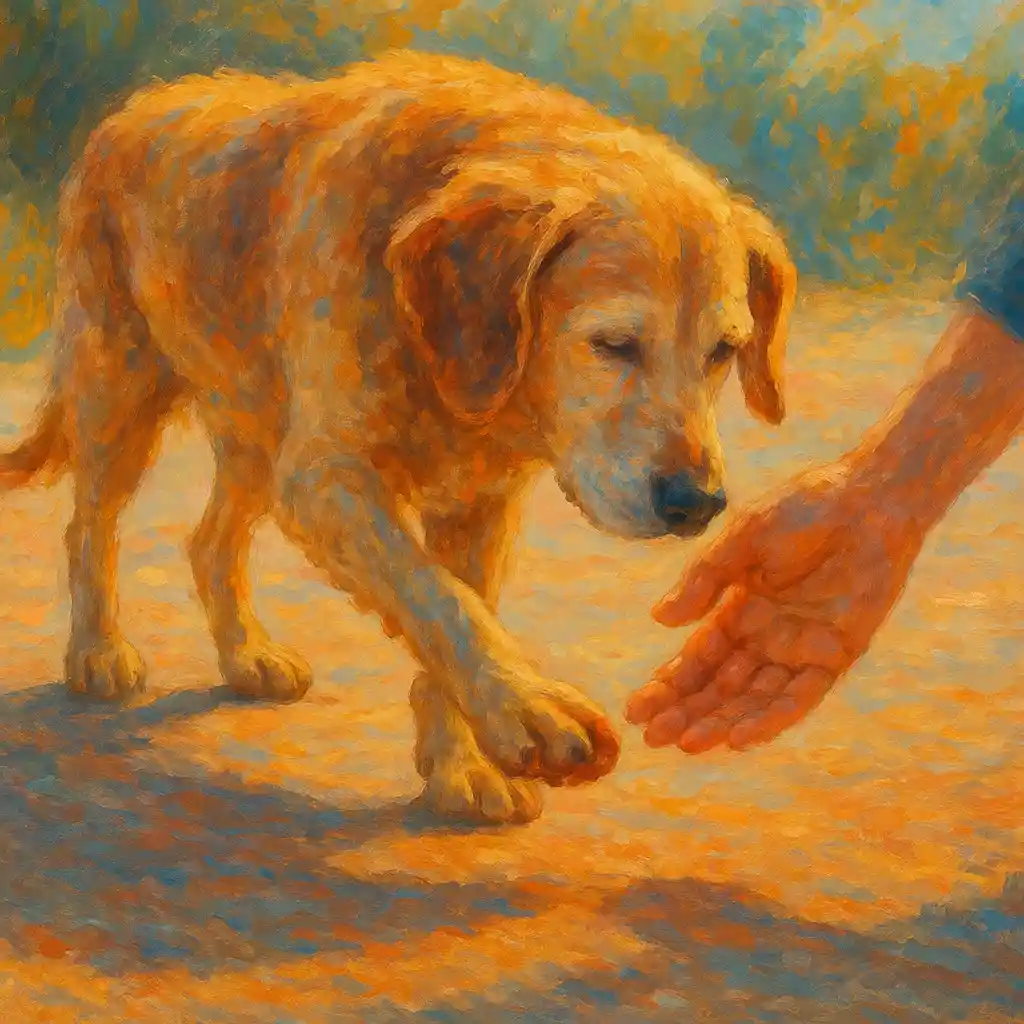
Summer walks can feel like a gift. The days are longer, the light is bright, and your senior dog still wants fresh air and familiar routes. But summer also brings one hidden danger that many owners notice too late: hot asphalt. Pavement can heat up fast and stay hot for hours. For an older dog, that heat can cause pain, burns, and slower recovery.
This guide explains How to Safeguard Your Senior Dog’s Paws with clear, practical steps. It is written for senior dog owners (including senior German Shepherd owners), but the tips work for most breeds. You will learn how heat harms paws, how to check the ground, what gear helps most, and what to do if an injury happens.
Follow this guide on How to Safeguard Your Senior Dog’s Paws to ensure your dog’s comfort and safety during walks.
Essential Tips on How to Safeguard Your Senior Dog’s Paws
A dog’s paw pads are tough, but they are not “heat-proof.” They can burn like skin. Older dogs often have extra risk because their bodies change with age.
Common age-related reasons include:
- Thinner, drier paw pads: With age, pads may lose moisture and become less flexible. Dry pads crack more easily.
- Arthritis or stiff joints: A senior dog may walk slower and cannot “dance” across hot ground quickly. That means longer contact with heat.
- Lower heat tolerance: Older dogs can overheat faster, especially large breeds like German Shepherds.
- Slower healing: Small injuries can take longer to heal, and infections can become more serious.
Paw protection is not only about comfort. It helps your dog stay active, maintain muscle, and enjoy daily routines safely. That is the real goal behind How to Safeguard Your Senior Dog’s Paws.
How hot asphalt harms paws (and why it happens so fast)
Asphalt acts like a heat sponge. It absorbs sunlight and holds heat. Even when the air feels “not too hot,” the ground may be dangerously hot.
One of the key aspects of How to Safeguard Your Senior Dog’s Paws is to ensure regular checks for heat exposure.
Hot pavement can cause:
- Mild irritation: Redness, sensitivity, and small cracks
- Burns: Blisters, peeled pads, raw skin
- Deep injuries: Serious burns that need vet care and strict rest
Burns can happen quickly because the paw pad touches the surface with full body weight. A senior dog may also hesitate, freeze, or sit down on hot ground, which can make injuries worse.
Early warning signs: how to spot paw pad burns and injuries
Senior dogs do not always yelp. Many show quiet signs. Watch for:
- Limping or walking “carefully”
- Stopping often, refusing to move, or trying to go home
- Licking or chewing paws after a walk
- Red, dark, or shiny paw pads
- Blisters, cracked skin, missing pad layers
- Swelling between toes
- A “tight” or unusual walk on hard surfaces
After every summer walk, take 30 seconds to check paws. Look at each pad and between toes. This one habit is a big part of How to Safeguard Your Senior Dog’s Paws.
The Hand Test: a fast way to check if pavement is safe
The simplest safety tool is your own hand.
Step-by-step Hand Test
- Place the back of your hand on the pavement where your dog will walk.
- Hold it there for 7 seconds.
- If you must lift your hand early, or it feels too hot, the pavement is not safe for paws.
How to use the result
- Pass (comfortable for 7 seconds): Short walks may be okay, still watch your dog.
- Fail (too hot): Choose grass, shade, indoor play, or paw protection gear. Do not “just try it.”
This test takes seconds and prevents many injuries. It is one of the most reliable daily habits for How to Safeguard Your Senior Dog’s Paws.
Choose safer walk times (and adjust your routine)
In summer, timing matters as much as distance.
Best times for hot weather walks
- Early morning: Ground is usually coolest.
- Late evening: Pavement cools again after sunset, but it can still hold heat, so do the hand test.
Tips for senior dogs
- Prefer shorter, more frequent walks instead of one long walk.
- Use shaded routes, parks, and tree-lined streets.
- Walk on grass, dirt, or gravel when possible (but avoid sharp stones if pads are sensitive).
- Reduce speed. Let your senior dog sniff. Sniffing is mental exercise without extra distance.
The Hand Test is crucial in How to Safeguard Your Senior Dog’s Paws to assess ground temperature.
If you must go out during warm hours
Keep it brief and purposeful. Choose shaded areas and avoid wide open parking lots and long sidewalk stretches.
Booties: strong protection for hot ground (if your dog accepts them)
Dog booties are one of the best tools for hot asphalt. They add a physical barrier between paws and heat.
Main benefits of booties for seniors
- Protect from burns and rough surfaces
- Add traction on slippery floors (helpful for older dogs at home too)
- Reduce contact with road salt, chemicals, and sharp debris
How to choose the right booties
Look for:
- Correct fit: Too tight causes rubbing; too loose falls off.
- Rubber or thick sole: Thin fabric does not block heat well.
- Breathable upper material: Helps reduce sweating.
- Secure straps: Two straps often hold better than one.
- Low weight: Heavy booties can tire senior dogs faster.
Tip for German Shepherds: Many GSDs have strong, wide paws. Measure carefully and follow brand sizing charts. If your dog is between sizes, the better choice is usually the size that avoids tight pressure on toes.
In summary, How to Safeguard Your Senior Dog’s Paws includes multiple strategies to ensure their well-being.
How to train a senior dog to wear booties (gentle method)
Senior dogs can learn new things, but training should be calm and slow.
- Let your dog sniff the booties. Reward with a small treat.
- Put on one bootie for a few seconds indoors. Reward and remove.
- Increase time slowly. Keep sessions short.
- Move to two booties, then four.
- Practice walking on a safe indoor floor for 1–2 minutes.
- Go outside for a very short walk, then build up.
Expect a “funny walk” at first. That is normal. Many dogs adjust after a few days of calm practice.
Paw balm and paw wax: a helpful barrier (but not magic)
Paw balm (or paw wax) can protect paws from dryness, cracking, and light heat exposure. It is not as strong as booties, but it is easy to use and comfortable for many dogs.
Benefits of paw balm for senior paw health
- Adds moisture to dry pads
- Supports healing of small cracks
- Creates a thin protective layer against rough ground and mild heat
- Helps protect in winter too (salt and ice)
How to choose a safe paw balm
As part of How to Safeguard Your Senior Dog’s Paws, consider using protective booties.
Prefer products made for pets with simple ingredients, such as:
- Beeswax
- Shea butter
- Coconut oil
- Vitamin E
Avoid products with strong perfumes, harsh chemicals, or ingredients not meant to be licked. Dogs often lick their paws.
How to apply paw balm (simple routine)
- Clean paws with a damp cloth and dry them.
- Rub a small amount of balm between your fingers.
- Massage into each pad and between toes gently.
- Wait a minute before going outside, so it absorbs.
Use balm after walks as well, especially if pads look dry.
For many senior dogs, the best solution is a combination:
- Paw balm helps keep pads healthy and reduces cracking.
- Booties block direct heat and rough contact.
A practical routine:
- Apply a small amount of balm earlier in the day or after walks for skin health.
- Use booties for hot pavement, long walks, or areas with sharp debris.
If you use both at the same time, keep balm light. Too much can make the paw slippery inside the bootie.
Safer alternatives to asphalt walks on very hot days
On extreme heat days, the safest walk is often a different kind of activity. Senior dogs still need movement and mental stimulation, but it can be done with less risk.
Good alternatives include:
- Indoor sniff games: Hide treats in towels or boxes.
- Short training sessions: Sit, touch, gentle leash practice, name games.
- Puzzle feeders: Slows eating and keeps the brain active.
- Backyard time on grass: Short, calm, supervised.
- Car ride to a shaded park: Only if the car is cool and safe.
These options protect paws and also lower the risk of overheating.
Hydration, shade, and heat safety: protect the whole dog, not only paws
Hot asphalt often comes with overall heat stress. Senior dogs can overheat faster, so build heat safety into every summer plan.
Simple heat-safety habits
- Bring water on walks and offer small drinks.
- Choose routes with shade and avoid wide open sun.
- Take breaks on grass, not on pavement.
- Keep walks shorter in high heat.
- Never leave a dog in a parked car, even for a short time.
Signs of heat exhaustion in senior dogs
Watch for:
- Heavy panting that does not slow down
- Thick drooling
- Weakness, wobbling, or confusion
- Bright red or very pale gums
- Vomiting or diarrhea
- Collapse
Heat exhaustion can become an emergency quickly. Move to shade, cool the dog with room-temperature water (not ice-cold shock), offer water, and contact a vet right away if symptoms are serious or do not improve fast.
Heat safety supports How to Safeguard Your Senior Dog’s Paws because heat stress and paw burns often happen together.
Emergency steps for paw injuries during a walk
Even with care, accidents can happen. Fast action helps healing.
If you suspect a burn or injury
- Stop walking on hot surfaces. Carry your dog if possible, or move to grass/shade.
- Check the paws gently. Look for blisters, missing skin, bleeding, or debris.
- Cool the paws with cool (not ice-cold) water or a cool wet cloth for several minutes.
- Clean lightly with saline or clean water if there is dirt.
- Prevent licking if you can (a cone at home may be needed).
- Call your vet if there are blisters, open skin, strong limping, or ongoing pain.
What to avoid
- Do not use harsh disinfectants (they can damage tissue).
- Do not pop blisters.
- Do not continue the walk “to finish the route.”
- Do not put human pain creams on paws unless a vet says it is safe.
Senior dogs often need faster professional help because healing is slower.
DIY paw protection: simple options for short-term use
Store-bought gear is usually safest and best fitting, but some DIY options can help for short, temporary use.
Homemade paw balm (simple, pet-friendly style)
A basic recipe uses common, mild ingredients.
Ingredients (example):
- 2 tablespoons coconut oil
- 1 tablespoon shea butter
- 1 tablespoon beeswax pellets
Method:
- Melt beeswax slowly using a double boiler (or a heat-safe bowl over hot water).
- Add shea butter and coconut oil. Stir until smooth.
- Pour into a small clean container.
- Let it cool and harden.
Use a small amount. Store in a cool place. Stop use if you see redness or irritation.
Temporary “bootie” alternatives (use with care)
- Dog socks with grip can help indoors or on mild outdoor surfaces.
- Vet wrap can offer short protection, but it must not be tight. Tight wrapping can reduce blood flow.
- Baby socks can work briefly on cool ground but usually do not protect from heat.
DIY solutions are not ideal for hot asphalt. They can slip or heat up quickly. For true summer pavement safety, real booties are more reliable.
Ongoing paw care for senior dogs (small habits, big results)
Daily life affects paw health. Healthy pads handle stress better.
Using paw balm is a simple yet effective method in How to Safeguard Your Senior Dog’s Paws.
Routine care checklist
- Trim nails regularly. Long nails change how a dog walks and add pressure to pads and joints.
- Trim hair between pads (carefully). Long fur can trap heat and debris.
- Check paws after walks: pads, between toes, nail beds.
- Keep floors safe at home: rugs or non-slip mats help seniors avoid sliding, which can strain toes and nails.
- Maintain a healthy weight: less weight means less pressure on paws and joints.
These basics strengthen every other step in How to Safeguard Your Senior Dog’s Paws.
Real-life style examples (what success looks like)
Every dog is different, but the “winning pattern” is often the same: small changes done consistently.
Example 1: The early-walk routine A senior large-breed dog struggles with midday heat. The owner moves walks to early morning and late evening, shortens the midday potty break, and switches routes to shaded streets and grass. The dog stops licking paws after walks and seems more relaxed.
Example 2: Booties for city sidewalks An older German Shepherd lives in an area with lots of pavement. The owner uses booties only for hot days and long walks, plus quick indoor practice sessions for comfort. The dog walks with more confidence and less stopping on sunny sidewalks.
Example 3: Balm for dry, cracked pads A senior dog gets dry paw pads that crack easily. The owner uses paw balm after walks and before bedtime, keeps nails trimmed, and avoids rough ground in high heat. Within a few weeks, pads look smoother and the dog seems less sensitive.
These results come from consistency, not from one perfect product.
When to consult a veterinarian
Home care helps, but some situations need professional support.
Contact your vet if you notice:
- Blisters, open wounds, or bleeding pads
- Limping that lasts more than a few hours
- Swelling between toes or around nails
- A bad smell, discharge, or signs of infection
- Repeated paw pain, even on cool days
- Changes in walking that suggest joint pain or nerve issues
A vet can:
- Treat burns correctly and safely
- Recommend pain control if needed
- Check for arthritis-related gait changes
- Suggest the best bootie style for your dog’s foot shape
- Help with allergies that cause paw licking
Vet guidance makes How to Safeguard Your Senior Dog’s Paws safer and more personal to your dog’s needs.
Quick “summer walk” plan (copy and use)
Use this simple plan to prevent paw problems:
Before the walk
- Do the Hand Test
- Bring water
- Choose shade/grass routes
- Put on booties if pavement is hot
- Apply paw balm (lightly) if pads are dry
During the walk
- Keep it shorter in heat
- Take breaks on grass
- Watch for limping or stopping
- Avoid long asphalt stretches
After the walk
- Check all paws and between toes
- Rinse and dry if needed
- Apply paw balm if pads look dry
- Offer water and cool rest
Conclusion: comfort, safety, and happy senior walks
Senior dogs still love their routines, their smells, and their time with you. Protecting paws is one of the kindest ways to support their comfort and mobility. Hot asphalt is a real risk, but it is also easy to manage with good timing, simple checks, and the right gear.
The main steps are clear:
- Test pavement temperature
- Walk at cooler times
- Use booties and/or paw balm
- Choose grass and shade when possible
- Watch for heat stress and paw injuries
- Get veterinary help when needed
With these habits, How to Safeguard Your Senior Dog’s Paws becomes part of daily life, not a stressful problem. Your senior dog gets safer walks, and you get more peaceful time together—through the whole summer and beyond.
Your first step in How to Safeguard Your Senior Dog’s Paws is to check for injuries.