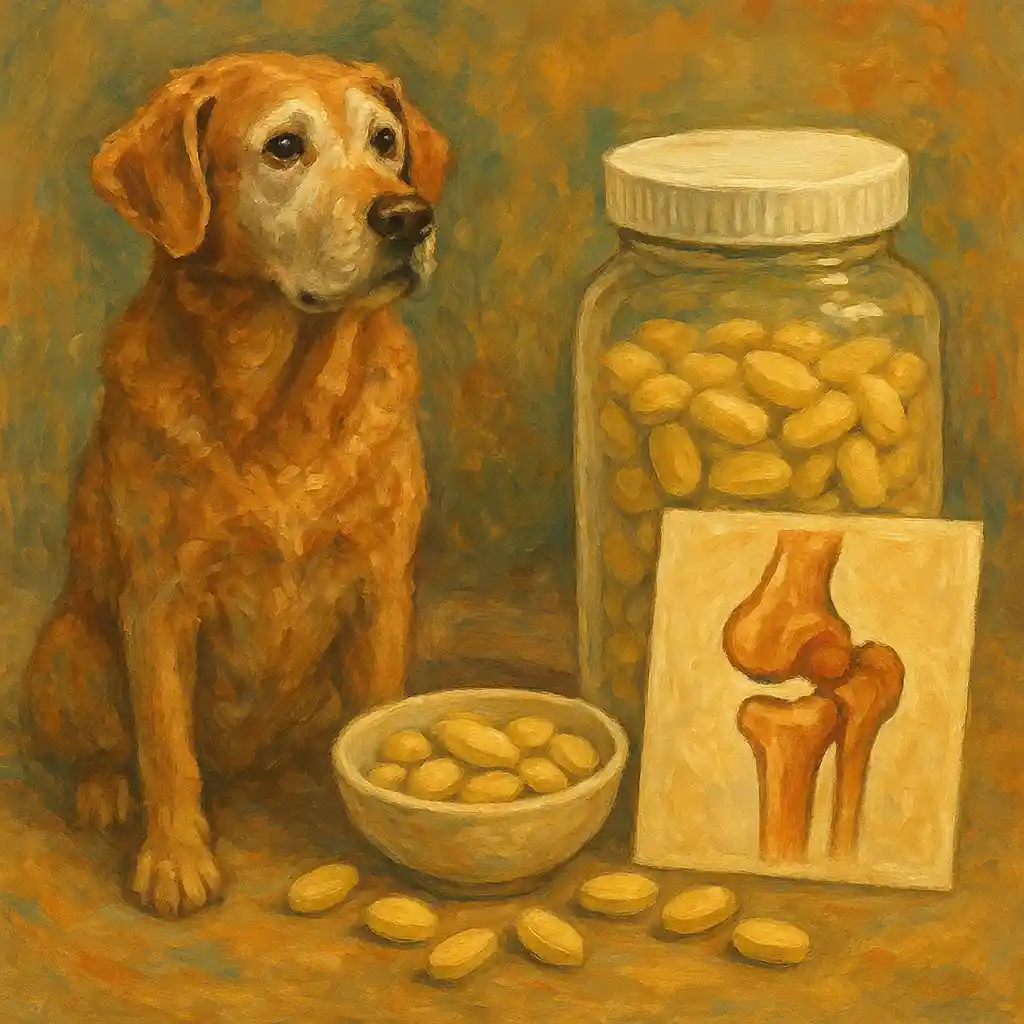
Older dogs often move differently than they did when they were young. A senior German Shepherd may walk more slowly, rest more often, or hesitate before jumping into the car. Many large breeds also face hip dysplasia, arthritis, or general joint wear as they age. This can change daily life for the dog and for the family.
Hip Supplements for Older Dogs can be a helpful part of a bigger care plan. They do not “cure” hip problems, but they can support joints, reduce inflammation, and improve comfort over time. The goal is simple: help an older dog move more easily, stay active in safe ways, and enjoy everyday life with less stiffness.
1) What “Hip Support” Really Means for Older Dogs
When people talk about hip support, they usually mean support for:
- Cartilage (the smooth tissue that protects the ends of bones)
- Synovial fluid (the natural “joint lubricant”)
- Connective tissues (ligaments and tendons)
- Inflammation control (less swelling and irritation in the joint)
- Muscle support (better strength around the hips and back legs)
Hips are large, weight-bearing joints. In big dogs, the hips handle a lot of stress every day. Over time, cartilage can thin, inflammation can increase, and movement can become painful or stiff.
Hip Supplements for Older Dogs are meant to support joint structures and reduce inflammation so the dog can move more comfortably. Supplements work best when they are part of a full plan that also includes healthy weight, safe exercise, good flooring, and veterinary guidance.
2) Common Hip Problems in Senior German Shepherds
German Shepherds are famous for loyalty, intelligence, and athletic strength. They are also known for a higher risk of hip and joint issues. In senior years, common problems include:
- Hip dysplasia (a joint structure problem, often genetic)
- Osteoarthritis (joint degeneration and inflammation over time)
- Muscle loss in the back legs, which reduces stability
- Lower back stress, sometimes linked to hip pain and compensation
- Stiffness after rest, especially in the morning or after naps
Even when the main issue is arthritis, the dog may show it in small daily changes: slower walking, difficulty rising, or avoiding stairs.
Hip supplements are not a replacement for medical treatment, but they can support long-term comfort and mobility—especially when used consistently.
3) How Hip Supplements Work (In Simple Terms)
Hip Supplements for Older Dogs usually support the joints in two main ways:
A) Building and protecting joint structures
Some ingredients support cartilage and the “shock-absorbing” parts of the joint. They may help slow breakdown and support repair.
B) Lowering inflammation
Inflammation is a major driver of pain and stiffness. Some supplement ingredients can reduce inflammatory processes and help the dog feel less sore.
This is why many products mix “builders” (like glucosamine) with “calmers” (like omega-3s or turmeric). The combination often works better than a single ingredient alone.
4) Key Ingredients to Look For (and What They Do)
Not every product is the same. Reading labels helps. Below are common ingredients found in Hip Supplements for Older Dogs and what they are generally used for.
Glucosamine
- Supports cartilage structure
- Often used for arthritis and joint wear
- Works slowly and usually needs consistent daily use
Chondroitin
- Supports cartilage and may reduce cartilage breakdown
- Often combined with glucosamine for joint support
MSM (Methylsulfonylmethane)
- Often used for inflammation and joint comfort
- Common in joint blends for older dogs
Omega-3 Fatty Acids (EPA/DHA from fish oil)
- Strong evidence for inflammation support
- Can help joints and also support skin, coat, brain, and heart
- Many dogs benefit from omega-3s alongside a joint supplement
Green-Lipped Mussel (GLM)
- Natural source of joint-support compounds
- Often used for inflammation and mobility
- Quality and sourcing matter
Hyaluronic Acid
- Supports joint lubrication (synovial fluid)
- May help movement feel smoother
Type II Collagen (Undenatured, often called UC-II)
- Used for immune-related joint inflammation support
- Some dogs respond well, especially when used consistently
Turmeric / Curcumin (often with black pepper or special absorption support)
- Used for inflammation
- Can be helpful, but dosing and absorption vary widely
Boswellia
- Herbal ingredient often used for inflammation and comfort
- Common in “advanced joint support” formulas
Antioxidants (Vitamin E, vitamin C, etc.)
- Help manage oxidative stress, which is part of aging and inflammation
Important note: More ingredients does not always mean better. A well-made supplement with clear dosing and strong quality control is usually a smarter choice than a “kitchen sink” label with tiny amounts of everything.
5) Setting Realistic Expectations (This Part Matters)
Many owners start supplements and hope for fast change. Real improvement often takes time. With Hip Supplements for Older Dogs, realistic expectations usually look like this:
- The goal is better comfort and easier movement, not perfection.
- The dog may still have arthritis or dysplasia, but daily life can feel easier.
- Improvement is often gradual, not sudden.
- The best results often come when supplements are combined with other support steps (weight control, safe exercise, pain management when needed).
What improvement may look like
Small changes are meaningful, such as:
- Rising more smoothly
- Less stiffness after naps
- More willingness to go on short walks
- Better mood and interest in daily activities
- More stable back legs on turns or stairs
6) The 3–6 Month Trial: A Simple, Smart Plan
A serious trial period helps avoid guessing. Many veterinarians recommend a 3–6 month trial for joint supplements. This time allows the body to respond to ingredients that work slowly.
A clear plan often looks like this:
- Choose one main joint supplement (plus fish oil if recommended)
- Give it daily at the label dose (or vet dose)
- Track progress weekly, not hourly
- Avoid switching products too quickly
- Re-check with the vet, especially if the dog has other health conditions
This approach gives a fair chance to see real benefit.
7) Choosing the Right Product: Practical Quality Tips
The supplement market is large. Some products are excellent, and some are not. For Hip Supplements for Older Dogs, these quality tips help:
Look for clear labeling
- Exact ingredient amounts listed
- Easy dosing instructions based on weight
- Real company contact details and lot numbers
Prefer brands with quality testing
- Third-party testing is a strong sign of quality
- Good manufacturing standards (GMP) are a plus
Consider your dog’s needs
Different dogs do better with different formulas:
- Mild stiffness: glucosamine/chondroitin/MSM may be enough
- Strong inflammation: omega-3s, GLM, boswellia, or UC-II may help
- Sensitive stomach: simpler formulas may be easier
Choose a form your dog will actually take
Many good supplements fail because the dog refuses them. Common forms include:
- Soft chews (easy but sometimes higher calories)
- Powders (easy to mix into food)
- Capsules (can be hidden in food)
- Liquids (useful, but taste matters)
Consistency is more important than the “perfect” format.
8) Dosage and Daily Use: Keep It Steady
For most joint supplements, steady daily use matters more than perfect timing. A few practical tips:
- Give supplements with food if the dog has a sensitive stomach.
- Pick a routine time (morning or evening) and stick with it.
- Use a calendar reminder for the first few weeks.
- Do not double dose if you miss a day. Return to the normal schedule.
Some products use a “loading phase” (higher dose early). Follow the label or the veterinarian’s plan, especially for senior dogs or dogs with medical conditions.
9) Tracking Progress: Use a Simple Mobility Journal
A mobility journal keeps the trial objective. Memory can be unreliable, especially when changes are slow.
A simple weekly journal can track:
- Ease of standing up (easy / moderate / hard)
- Walking pace (normal / slower / limping)
- Stairs (confident / careful / avoids)
- Energy level (normal / lower / very low)
- Mood (happy / neutral / grumpy or withdrawn)
- Appetite and digestion (normal / nausea / loose stool)
Also record:
- Product name, dose, start date
- Any changes in diet, weight, or exercise
- Any new medications
This journal helps owners and veterinarians make better decisions together.
10) Blood Work Monitoring: A Key Safety Step for Seniors
Older dogs often take more than one supplement or medication. Many also have early kidney, liver, or metabolic changes that are not obvious at home. This is why regular blood work monitoring is so valuable.
Why blood work matters during long-term supplement use
- Checks organ function (liver and kidneys)
- Looks for changes that can affect safe dosing
- Helps catch unrelated senior issues early (thyroid changes, anemia, diabetes trends)
- Creates a baseline so future changes are easier to understand
How often blood work is usually done
Many senior dogs benefit from blood work every 6–12 months. Some dogs need it more often, especially if they:
- Take long-term pain medication (NSAIDs)
- Have kidney/liver disease or endocrine issues
- Use multiple supplements and medications
- Have appetite changes or weight loss
A veterinarian can set the right schedule based on the dog’s full history.
Blood work is not about fear. It is about staying informed and making safe choices.
11) Signs of Improvement (and Signs to Take Seriously)
Positive signs during a supplement trial
- More stable back legs
- Better ability to rise from lying down
- Longer interest in walks (even if still slow)
- Less stiffness after sleep
- More comfortable posture when sitting or lying down
- Better overall mood and engagement
Signs the supplement may not fit your dog
Some dogs do not tolerate certain products well. Signs to watch include:
- Vomiting
- Diarrhea or very soft stool
- Loss of appetite
- New itching, hives, facial swelling (possible allergy)
- Marked tiredness or behavior changes
If serious symptoms occur, stop the product and follow veterinary guidance. For mild stomach upset, a vet may suggest taking with food, lowering the dose briefly, or switching to a simpler formula.
12) Supplement Interactions and Safety Notes
Even though supplements are often seen as “natural,” they can still interact with medications. This is especially important for senior dogs.
Be careful with:
- Blood-thinning effects: omega-3s and some herbs can increase bleeding risk in high doses, especially before surgery.
- NSAID use: many older dogs use pain medication; this can affect the stomach, liver, and kidneys.
- Multiple supplements at once: overlapping ingredients can accidentally raise doses.
Also follow basic home safety:
- Store supplements out of reach of pets and children.
- Keep containers tightly closed.
- Do not use human pain medications unless a vet specifically instructs it.
13) Support Beyond Supplements: The Best Results Come from a Full Plan
Hip Supplements for Older Dogs are most effective when the dog’s daily life supports joint health too. The steps below often make a visible difference.
A) Weight control (one of the strongest joint tools)
Extra weight adds constant stress to hips. Even small weight loss can reduce pain and improve mobility. A veterinarian can recommend a safe target weight and diet plan.
B) Gentle, regular exercise
The best exercise for many senior German Shepherds is:
- Short, steady walks (not one long walk)
- Controlled movement over slippery-free surfaces
- Light hill walking if tolerated (good for muscle)
- Swimming or underwater treadmill (excellent, low impact)
Avoid:
- Sudden hard running
- Repeated jumping in and out of cars
- Fast fetch on slippery ground
- Overexertion that causes next-day soreness
C) Home environment upgrades
Small changes reduce daily strain:
- Non-slip rugs or runners on slick floors
- Orthopedic bed with good support
- Ramps for car entry or stairs if needed
- Raised food and water bowls (for comfort in some dogs)
- Nails kept trimmed to improve traction
D) Physical therapy and bodywork
Professional canine rehab (when available) can improve strength and reduce pain. Options may include:
- Strength exercises
- Balance work
- Massage and stretching
- Laser therapy
- Hydrotherapy
E) Medical pain control when needed
Some dogs need more than supplements. A vet may recommend medications, injections, or other tools. Supplements can still be used alongside medical care, as part of a complete plan.
14) When to Adjust the Supplement Plan
A 3–6 month trial gives a clear picture. After that, many owners and vets choose one of these paths:
Continue the supplement (good response)
If mobility and comfort improved, continuing makes sense. Many dogs stay on joint support long-term.
Adjust the dose (partial response)
Some dogs do better with a different dose, a different format, or an added ingredient like omega-3s.
Switch products (no clear response or stomach issues)
Not every dog responds to the same formula. A switch may include:
- A simpler ingredient list
- A product with UC-II instead of glucosamine
- Adding or improving omega-3 intake
- Changing from chews to powder for easier digestion
Changes should be made one step at a time, so results stay clear.
15) A Simple Example Routine (Easy to Follow)
Below is a calm, realistic routine many senior dog owners use. It supports the supplement plan without making life complicated.
Daily
- Joint supplement with food (same time each day)
- Omega-3 if recommended
- Two to three short walks
- Gentle stretch or massage (1–3 minutes)
- Non-slip surfaces at home
Weekly
- Update mobility journal once per week
- Weigh the dog (or check body condition) every 2–4 weeks
Every 6–12 months
- Vet visit
- Blood work monitoring (more often if needed)
This routine keeps the plan steady and easy to manage.
Conclusion: Comfort, Consistency, and Care That Fits Real Life
Senior German Shepherds give their families years of loyalty and protection. Supporting their hips in older age is one of the best ways to return that love with practical care.
Hip Supplements for Older Dogs can support joint health, reduce inflammation, and improve daily comfort. The strongest results usually come from a steady plan: realistic expectations, consistent daily use, a fair 3–6 month trial, and clear progress tracking. Regular blood work monitoring adds an important safety layer, especially for seniors who may have hidden changes in kidney or liver function.
Supplements work best when they are not alone. Healthy weight, gentle exercise, safe flooring, and veterinary support all help the hips do their job with less pain and less strain.
With patience and a consistent routine, many older dogs move with more ease, rest more comfortably, and enjoy their days with better quality of life—one steady step at a time.