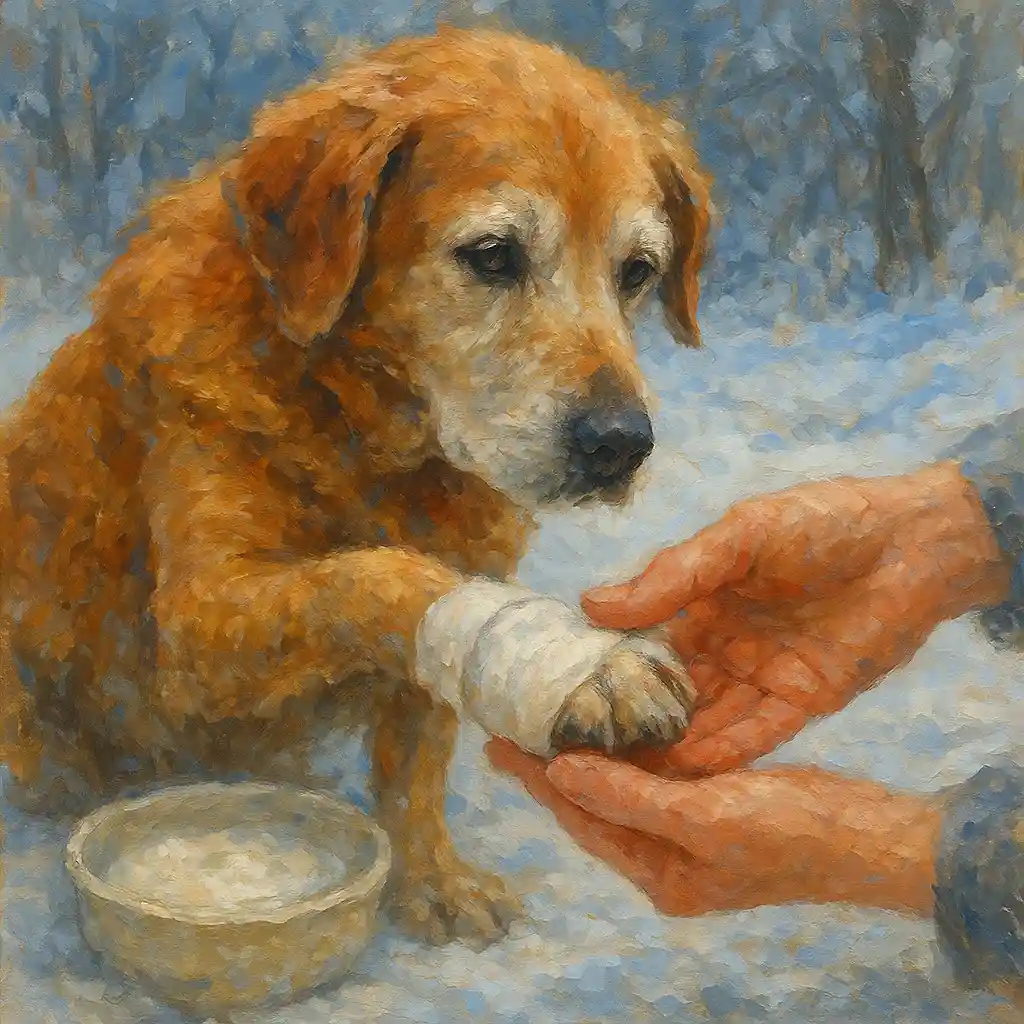
Winter can be beautiful, but it can also be rough on your senior German Shepherd’s paws. Cold pavement, sharp ice, packed snow, and sidewalk salt can turn a normal walk into a painful experience. Older dogs often have more sensitive skin, slower healing, and stiffer joints, so small paw problems can become big problems faster than they did in the past.
That’s why Winter Paw Care is more than a nice extra—it’s part of keeping your senior German Shepherd comfortable, mobile, and safe all season.
This guide is designed to be easy to follow and practical. You’ll learn how winter affects paws, how to protect against salt and ice, when booties help (and when they don’t), how to use paw balm correctly, and what routines work best for senior dogs.
Why Winter Paw Care matters more for senior German Shepherds
German Shepherds are active, loyal, and often determined to keep going even when they hurt. But senior dogs may have:
- Thinner or drier paw pads than before
- Slower skin repair after cracks or small cuts
- Arthritis or joint stiffness that makes slipping more dangerous
- Less patience for discomfort, leading to licking and chewing
- Lower tolerance for very cold ground
A small crack from dry weather or salt irritation can lead to pain, limping, or infection. Strong Winter Paw Care habits reduce these risks and help your dog enjoy walks without stress.
The main winter dangers for paws (and what they do)
1) Road salt and de-icing chemicals
Sidewalk salt and ice melt products can:
- Dry out paw pads quickly
- Cause redness and irritation
- Create small chemical burns (especially between toes)
- Trigger excessive licking, which makes the skin worse
Some de-icers are labeled “pet-friendly,” but even these can still irritate some dogs. For senior dogs, it is safer to assume that any de-icer can be a problem.
2) Ice and sharp snow
Ice can crack paw pads and cause tiny cuts. Snow can also pack between toes and form hard balls, which pull on the skin and fur.
3) Cold surfaces
Long exposure to cold can reduce circulation in the paws. This can lead to pain and higher risk of injury, especially in older dogs.
4) Slipping
Slippery sidewalks are not only a paw issue. They can also cause muscle strains and joint pain. Senior German Shepherds are more likely to get hurt from a fall.
The core Winter Paw Care plan (simple and effective)
A strong routine does not need to be complicated. The best Winter Paw Care plan usually includes:
- Salt protection (before, during, and after walks)
- Paw balm routine (to protect and moisturize)
- Booties or paw wax (optional, depending on your dog)
- Regular paw checks (quick, daily habit)
Let’s break these down.
1) Salt protection: reduce contact and remove residue fast
Choose safer walking routes
If possible, avoid areas with heavy salt. Try:
- Snowy trails or parks (less chemical use)
- Side streets instead of busy sidewalks
- Fresh snow paths (as long as the snow is not hiding sharp ice)
Even a small route change can make a big difference in Winter Paw Care results.
Wipe paws after every winter walk
This is one of the highest value habits you can build. It takes 30–60 seconds and prevents many problems.
How to wipe paws well (quick method):
- Use a damp cloth, pet wipe, or a soft towel with lukewarm water
- Wipe each paw pad
- Gently wipe between toes (salt often hides there)
- Dry the paws with a towel
If your dog hates wiping, keep it calm and consistent. Many dogs accept it better when it becomes predictable.
Try a rinse station at home (best for heavy salt days)
If sidewalks are heavily treated, wiping may not be enough. A rinse helps remove more residue.
Simple home paw rinse setup:
- A shallow tub or tray near the door
- Lukewarm water (not hot)
- A towel beside it
Dip each paw, swish gently, and dry well. Drying matters because wet skin can crack faster in cold weather.
Use pet-safe ice melt on your property
If you control your driveway or walkway, choose a pet-safer product. Look for ice melts that are:
- Clearly labeled as safer for pets
- Less harsh than standard rock salt
- Still used in moderation
Even with pet-safer options, it’s smart to wipe paws. Every dog’s skin reacts differently, and seniors can be more sensitive.
2) Paw balm routine: your dog’s “winter moisturizer and shield”
A good paw balm helps in two ways:
- It adds moisture to reduce cracking
- It creates a light barrier against salt and cold surfaces
This is a key part of Winter Paw Care, especially for senior German Shepherds with dry pads.
What to look for in a paw balm (simple checklist)
Choose a balm that is:
- Made for dogs (pet-safe)
- Designed for paws (not human lotion)
- Free from strong fragrances and harsh additives
- Based on protective and moisturizing ingredients (often waxes and butters)
Many good balms use ingredients like beeswax or plant wax, shea butter, coconut oil, or similar soothing bases. You don’t need a fancy product—just a safe one that works.
When to apply paw balm
Most owners get the best results using balm:
- Before walks (light layer for protection)
- After walks (to soothe and re-hydrate)
- At bedtime (especially if paws look dry)
How to apply paw balm (step-by-step)
Keep it calm and quick:
- Clean first: wipe or rinse paws if needed
- Dry: balm works best on dry skin
- Use a small amount: a thin layer is enough
- Massage gently: focus on the pad surface and edges
- Between toes: use only a tiny amount and avoid heavy buildup
- Let it absorb: distract your dog for 1–2 minutes so they don’t lick it all off right away
Tip: If your dog licks after balm, try applying it right before a meal or a calm activity. Licking a little is normal, but constant licking means the product may not suit your dog or the paws may already be irritated.
3) Booties: strong protection, but not right for every senior
Dog booties can be excellent for Winter Paw Care, especially when salt is heavy or sidewalks are icy. But they also have real downsides. The goal is comfort and safety, not a daily battle.
Booties: the main benefits
Booties can:
- Block salt and chemicals completely
- Prevent ice balls between toes
- Reduce cuts from sharp ice
- Add warmth on very cold ground
- Improve grip (some designs)
For some senior German Shepherds, booties are the single best winter tool.
Booties: common problems (especially in seniors)
Booties may:
- Feel strange and cause stiff, awkward walking at first
- Rub the skin if the fit is wrong
- Fall off in deep snow
- Get wet inside and trap moisture
- Be hard to put on if your dog has joint pain
If booties cause stress or rubbing, they can create new problems instead of solving them.
How to choose the right booties
Fit and design matter more than style.
Look for:
- Correct sizing (measure paw width while your dog is standing)
- Secure closure (straps that keep them on without cutting circulation)
- Non-slip soles (good traction is important for seniors)
- Water resistance (helpful in slushy snow)
- Comfort around dewclaws (to prevent rubbing)
Avoid anything that is too tight, too loose, or stiff in a way that changes your dog’s step.
A simple booties training plan for senior dogs
Go slow and keep sessions short:
Day 1–2:
- Let your dog sniff the booties
- Touch booties to paws briefly
- Reward calm behavior
Day 3–4:
- Put on one bootie for 10–20 seconds indoors
- Remove it, reward, repeat
Day 5–7:
- Try two booties, then four
- Short indoor walks (just a few steps at first)
After one week:
- Short outdoor test walk on an easy surface
- Check paws after for rubbing or redness
For seniors, comfort is the priority. Some dogs will accept booties quickly, others never will.
4) Alternatives to booties: paw wax and practical DIY options
If booties are not working, you still have strong options for Winter Paw Care.
Paw wax (a popular alternative)
Paw wax works like a thicker barrier than balm. It can:
- Reduce salt contact
- Help prevent snow from sticking
- Offer light protection from cold ground
It won’t block chemicals as fully as booties, but it is often easier to use.
How to use paw wax:
- Apply a thin coat before walks
- Wipe and re-apply after if needed
- Combine with paw wiping for best results
Simple DIY support options (safe and realistic)
DIY is not about replacing real care—it’s about making routines easier.
Helpful ideas:
- Keep a towel and wipes at the door
- Use a shallow rinse tray after salty walks
- Trim excess fur between paw pads (with care, or ask a groomer) to reduce ice buildup
For senior dogs, reducing snow clumps can improve comfort and prevent slipping.
Winter Paw Care routine (daily + weekly)
Consistency beats intensity. You don’t need to do everything every day, but you do need a stable routine.
Daily Winter Paw Care (5–7 minutes total)
Before the walk:
- Quick paw check (10 seconds per paw)
- Apply paw balm or wax (thin layer)
- Put on booties if your dog uses them
After the walk:
- Wipe or rinse paws (especially between toes)
- Dry paws fully
- Apply balm if pads look dry or irritated
At home (later in the day):
- Watch for licking, limping, or favoring a paw
- Keep nails trimmed to improve traction
Weekly Winter Paw Care (10–20 minutes)
Once a week, do a slightly deeper check:
- Look closely at each pad for cracks, redness, or bleeding
- Check between toes for irritation or trapped debris
- Check nail length and trim if needed
- If your dog has long fur on feet, tidy it to reduce ice balls (or book a groomer)
- Clean booties (if used) and inspect for rough edges that could rub
This weekly check is a small habit that prevents many winter paw emergencies.
Signs of paw trouble you should not ignore
Winter paw problems often start small. Catching them early is a major part of Winter Paw Care, especially for senior German Shepherds.
Watch for:
- Limping or walking more slowly than normal
- Lifting a paw repeatedly during walks
- Excessive licking or chewing of paws
- Redness between toes
- Cracks in the pads
- Bleeding, swelling, or warmth in one area
- A strong smell (can suggest infection)
- Sudden refusal to walk on certain surfaces
When veterinary care is needed
If you see:
- Deep cracks, bleeding, or open sores
- Swelling that does not improve
- Pus, strong odor, or signs of infection
- Persistent limping
- Severe pain when you touch the paw
…it’s time to contact your veterinarian. Senior dogs can worsen quickly, and it’s safer to treat early.
(This article supports home care but does not replace veterinary advice.)
Extra winter safety tips (for comfort, joints, and stability)
Winter Paw Care works best when the whole walk is safe.
Shorter, smarter walks
Senior German Shepherds may do better with:
- Two or three shorter walks instead of one long walk
- Avoiding the coldest times of day
- Slower pace on slippery ground
Improve traction indoors too
Many seniors slip on smooth floors after coming in with wet paws.
Simple steps:
- Dry paws well at the door
- Use rugs or runners in slippery areas
- Keep nails and paw fur tidy
Keep a basic winter paw kit by the door
A small kit makes routines easier and more consistent:
- Soft towel
- Pet wipes or a clean cloth
- Paw balm or wax
- Small bowl or tray for rinsing
- Booties (if used)
- Treats (to reward calm cooperation)
When the tools are ready, Winter Paw Care becomes a normal habit instead of a chore.
Real-life results: what good Winter Paw Care can change
Owners often notice improvements within 1–2 weeks of consistent care, such as:
- Less paw licking after walks
- Fewer cracked pads
- More confident walking on winter ground
- Less hesitation when stepping onto sidewalks
- Faster recovery from minor irritation
For many senior German Shepherds, the biggest change is simple: they look more relaxed on walks because their paws are not stinging from salt or cold.
Common mistakes to avoid
Even well-meaning owners sometimes make winter paw issues worse. Try to avoid:
- Skipping paw drying (wet paws crack faster)
- Using human lotions (may contain unsafe ingredients)
- Leaving booties on too long indoors (heat and moisture buildup)
- Tight booties that rub or reduce circulation
- Ignoring early licking or limping
- Cutting paw fur too aggressively (can irritate skin)
A gentle, steady approach is best for senior dogs.
Conclusion: Keep Winter Paw Care simple, steady, and kind
Winter is not something your senior German Shepherd has to “push through.” With the right Winter Paw Care, you can reduce pain, prevent injury, and keep walks enjoyable.
The most effective plan is usually:
- Wipe or rinse paws after every walk
- Use paw balm regularly
- Add booties or paw wax when needed
- Check paws often and act early
These steps are not complicated, but they have a big impact—especially for older German Shepherds who deserve extra comfort and protection.
With a consistent routine, winter walks can stay what they should be: safe movement, fresh air, and shared time together.