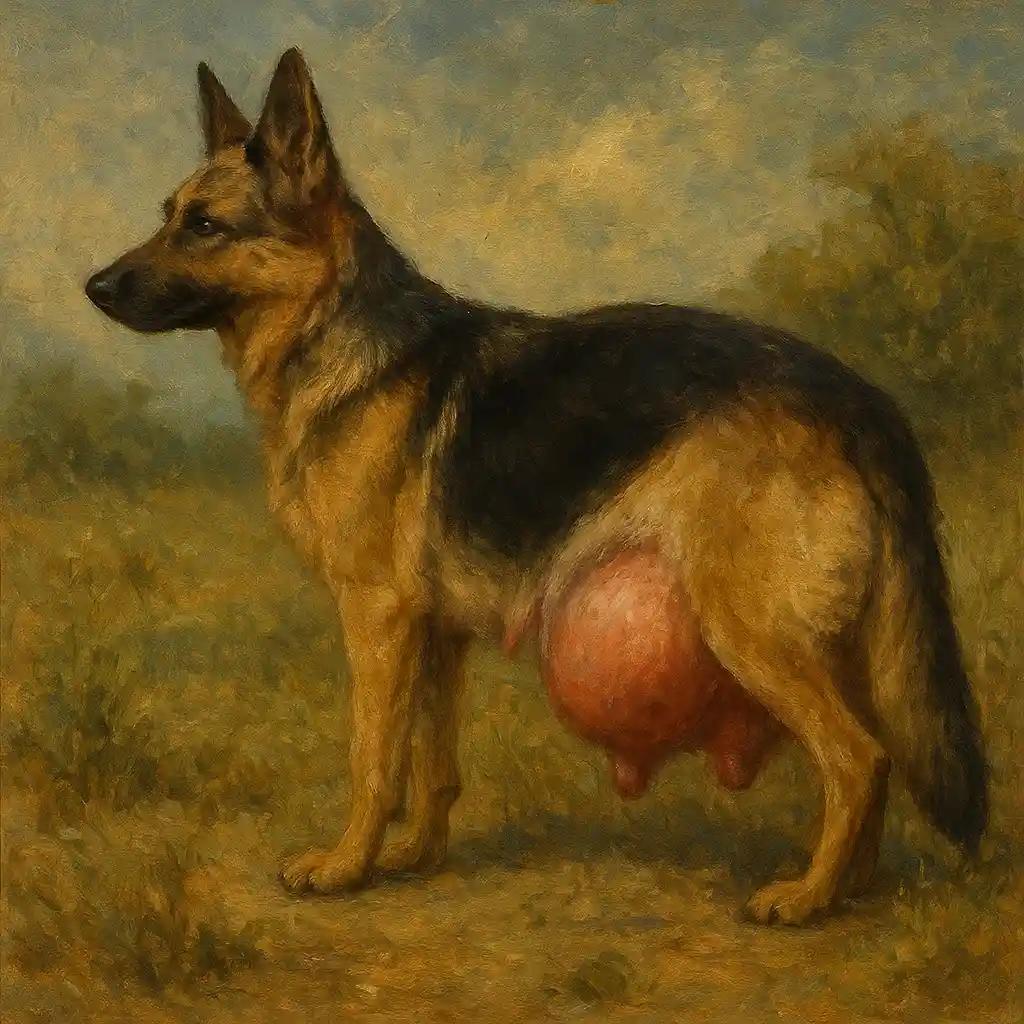
Caring for a dog through a heat cycle can feel like a lot, especially when routines are already important for comfort and energy. The good news is that a female German Shepherd’s heat cycle is a normal body process, and with a simple plan you can manage it in a clean, safe, and low-stress way.
This guide is written for clarity and ease. It explains what happens during heat, how to recognize each stage, how to protect your home, how to prevent unwanted male attention, and when to call the vet. It also covers spaying, common myths, and supportive care options. The goal is to help you feel prepared and steady from day one to the end of the cycle.
1) What “in heat” means for Female German Shepherds in Heat
When people say a dog is “in heat,” they mean she is in estrus, the part of her reproductive cycle when she can become pregnant. The full cycle has several stages, and the whole process usually repeats about every 6–8 months in many German Shepherds (some are slightly shorter or longer).
German Shepherds are a large breed. Many have their first heat between 6 and 12 months, but some start later. Adult females usually keep having cycles into older age unless they are spayed. Senior females can still come into heat, although cycles may sometimes become irregular.
Heat is not an illness. However, it does require extra care, because hormones can change behavior, discharge can create mess, and male dogs can become highly motivated to reach her.
2) The 4 stages of the heat cycle (simple overview)
Understanding the stages helps you predict what is coming next and plan your daily routine.
Stage 1: Proestrus (start of heat signs)
- Typical length: about 7–10 days (often around 9 days)
- Common signs:
- Vulva swelling
- Bloody or red discharge
- More sniffing and urination (she leaves scent messages)
- Male dogs show strong interest, but she usually does not accept mating yet
- Restlessness or clinginess
This stage is often when owners first notice something is different.
Stage 2: Estrus (fertile window)
- Typical length: about 5–10 days (sometimes longer)
- Common signs:
- Discharge often becomes lighter (pinkish or straw-colored), though some dogs still have blood
- Vulva remains swollen
- She may “flag” her tail to the side and may accept a male
- Strong attraction from male dogs
- Mood changes: affectionate, distracted, nervous, or unusually alert
This is the highest-risk stage for accidental pregnancy.
Stage 3: Diestrus (after fertile period)
- Typical length: about 60–90 days
- Common signs:
- Swelling and discharge reduce and stop
- Behavior begins to return to normal
- If pregnant, pregnancy continues
- If not pregnant, hormones still shift and some dogs show signs of a false pregnancy (nesting, mothering toys, mammary changes)
Stage 4: Anestrus (resting phase)
- Typical length: about 4–5 months
- Common signs:
- No heat behavior
- Body rests before the next cycle
Practical takeaway: For most owners, the “active management” time is usually 2–4 weeks, starting from the first discharge until signs fully stop.
3) Clear signs your German Shepherd is in heat
Female German Shepherds in Heat often show a mix of physical and behavioral changes. Not every dog shows every sign, and some are subtle.
Physical signs
- Swollen vulva (often the easiest sign to see)
- Bloody discharge (spotting on bedding or floors)
- More frequent urination
- Tail held differently (often slightly to the side in estrus)
- Licking the rear area more than usual
Behavioral signs
- Restlessness or pacing
- More affection and shadowing you around the home
- More sensitivity (startles easier, seems “on edge”)
- Irritability with other dogs, or guarding behavior
- Reduced focus during walks and training
- Strong interest from male dogs, even from far away
Appetite and energy changes
- Some dogs eat less for a few days.
- Some become tired and calm.
- Others become energized and distracted.
These changes are usually temporary. The goal is comfort, routine, and safety.
4) A simple “heat cycle kit” for a cleaner, easier month
Having supplies ready reduces stress and prevents last-minute problems.
Useful items:
- Dog heat diapers or washable dog panties (proper size for a German Shepherd)
- Unscented sanitary pads (to place inside washable diapers)
- Enzyme cleaner for pet stains (helps remove odor that attracts males)
- Extra washable blankets or bed covers
- Baby wipes or a soft cloth with warm water (unscented)
- A leash and a secure collar or harness (no loose fit)
- A notebook or calendar to track dates and symptoms
Helpful tip: Start tracking the day you first see discharge. Mark it as “Day 1.” This makes future cycles easier to predict.
5) Hygiene: keeping your dog clean and your home calm
Hygiene is not only about appearance. Clean care lowers odor, supports comfort, and reduces the chance of skin irritation.
Using diapers the right way
Dog diapers can be very helpful for Female German Shepherds in Heat, especially indoors.
Best practices:
- Change the pad or diaper regularly (every few hours, or sooner if wet/soiled)
- Keep the area dry to prevent skin irritation
- Choose breathable, washable options when possible
- Give diaper-free breaks in an easy-to-clean space, so the skin can breathe
Important: Diapers help with mess, but they do not prevent mating if a male dog reaches her. Supervision and separation still matter.
Gentle daily cleaning
- Wipe the vulva area gently with warm water or unscented wipes.
- Avoid harsh soaps or scented products near the genitals.
- If her coat gets stained, use a mild dog shampoo and rinse well.
Bedding and floors
- Wash bedding often during proestrus and estrus.
- Use enzyme cleaner on any spots to remove odor fully.
- Keep her resting area comfortable and easy to clean.
A clean environment also helps reduce the “signal” to male dogs that may pass near your home.
6) Preventing male dog attention: the most important safety steps
When Female German Shepherds in Heat enter estrus, male dogs may try hard to reach them. Some males can jump fences, squeeze through gaps, or break weak gates.
Home safety (indoors and yard)
- Keep doors closed and check latches.
- Use a secure gate if visitors come and go.
- Inspect fences for gaps, loose boards, or low spots.
- Do not leave her alone outside, even in a fenced yard.
- Consider privacy covers for fencing if neighborhood dogs can see into the yard.
Walk safety
Walks can continue, but they need structure.
Safer walk rules:
- Keep her on leash at all times.
- Avoid dog parks and busy dog areas.
- Choose quiet routes and quieter times of day.
- Turn around early if you see loose dogs.
- Keep your grip steady and use a secure harness if she pulls.
Social contact
- Pause daycare, group training, grooming salons, and dog playdates during the active heat weeks.
- If you live with an intact male dog, separate them fully with physical barriers and supervision. Accidental breeding can happen quickly.
These steps reduce risk and help you avoid stressful encounters.
7) Daily routine for senior owners: calm structure that works
A steady routine lowers stress for both you and your dog. Heat hormones can make a German Shepherd feel unsettled, so predictable days help.
A simple daily plan
- Morning: short leash walk, breakfast, quiet rest
- Midday: gentle play or scent games indoors, diaper change, quick clean
- Afternoon: short walk in a quiet area, water break, calm time
- Evening: dinner, potty break, relax time, final hygiene check
Low-impact enrichment ideas
German Shepherds need mental activity even when physical activity is reduced.
Good indoor options:
- Food puzzles
- Snuffle mats
- Hide-and-seek with treats
- Short training sessions (sit, down, touch, place)
- Chew items approved by your vet
Keeping her brain busy often reduces restlessness and whining.
8) Health monitoring: what is normal and what is not
Most heat cycles pass without problems, but senior dogs deserve closer attention.
Normal signs (usually)
- Mild mood changes
- Swollen vulva
- Bloody discharge that slowly lightens
- Increased urination
- More licking
- Mild appetite change
Signs that need a vet call soon
- Discharge that becomes thick, yellow/green, pus-like, or has a strong foul smell
- Heavy bleeding that seems excessive or lasts unusually long
- Fever, weakness, vomiting, or collapse
- Drinking much more than normal
- Severe pain, crying, or extreme agitation
- No improvement after the heat period should be ending
Emergency warning: pyometra risk
Unspayed female dogs can develop pyometra, a serious uterine infection, most often in the weeks after heat. It can be life-threatening.
Common warning signs:
- Lethargy and weakness
- Vomiting
- Increased thirst and urination
- Loss of appetite
- Swollen belly
- Vaginal discharge (sometimes there is no discharge in “closed” pyometra)
If these appear, urgent veterinary care is needed.
9) Common myths about Female German Shepherds in Heat (and the truth)
Myth 1: “Older females don’t go into heat.”
Truth: Many senior females still cycle unless spayed. Some become irregular, but heat can continue.
Myth 2: “A diaper prevents pregnancy.”
Truth: A diaper helps with mess, not mating prevention. Physical separation and supervision are essential.
Myth 3: “A female in heat must be bred at least once.”
Truth: There is no health requirement to breed. Breeding should only happen with serious planning, health testing, and veterinary support.
Myth 4: “Heat always causes aggression.”
Truth: Some dogs become irritable, but many become more affectionate or anxious instead. Behavior changes vary.
Myth 5: “Spaying always changes personality.”
Truth: Spaying can reduce hormone-driven behaviors, but it does not erase training or temperament. Many dogs stay the same in personality while becoming calmer around heat-related stress.
10) Spaying: long-term prevention and health benefits
Spaying is the most reliable way to prevent heat cycles and accidental pregnancy. It also reduces certain health risks.
Key benefits
- No heat cycles (no discharge, no fertile period)
- Prevents unwanted litters
- Greatly reduces the risk of pyometra
- Lowers the risk of mammary tumors, especially if done before repeated cycles (timing matters)
Timing considerations
For German Shepherds, timing can be important. Some vets recommend waiting until physical maturity for large breeds, while also weighing health risks. For senior dogs, the vet will consider:
- heart and lung health
- weight and mobility
- bloodwork results
- risk of uterine disease
- anesthesia safety
A vet can explain the safest plan for your dog’s age and condition.
11) If spaying is not done: supportive alternatives (management, not “cures”)
Some owners look for “natural” ways to stop heat. It is important to be careful here. Many products have weak evidence, and some can be harmful.
Safer supportive options
- Structured routine and calm enrichment
- Hygiene care and skin protection
- Strong supervision and secure fencing
- Training refreshers (leash skills, focus cues)
- Vet-approved calming aids if anxiety is high
Caution with supplements and hormones
- Avoid giving hormones or medications without veterinary direction.
- “Heat stop” injections or hormone treatments can have serious risks and are not casual solutions.
- Always ask a vet before using calming supplements, especially for senior dogs with other medical conditions.
The safest approach is usually strong management during the cycle, plus a long-term plan with your veterinarian.
12) Handling behavior changes with kind, simple training
Hormones can reduce focus. That does not mean your dog is being “bad.” Short and gentle training works best.
Helpful training goals during heat
- “Let’s go” to move away calmly
- “Watch me” for quick focus on walks
- “Place” to settle on a mat
- “Leave it” for distractions
- Loose-leash walking refreshers
Training style that works best
- Keep sessions short (2–5 minutes)
- Use quiet praise and small treats
- Avoid punishment or harsh corrections
- End on success, even if progress is small
This protects your bond and helps your dog feel safe.
13) Real-life practical challenges (and solutions that make life easier)
Senior owners often deal with a few common problems during heat. Each one has a simple fix.
Problem: spotting on floors and furniture
Solution: washable covers, diapers indoors, and a designated rest area that is easy to clean.
Problem: male dogs appearing near the yard
Solution: supervised yard time only, check fence lines, use enzyme cleaner for outdoor urine spots near entrances, and keep gates locked.
Problem: restless nights
Solution: a calm evening routine, a final potty break, gentle indoor enrichment earlier in the day, and a comfortable sleeping area.
Problem: extra clinginess or anxiety
Solution: calm presence, predictable routine, and a quiet safe space. Some dogs relax with soft background noise.
Problem: pulling on leash due to distractions
Solution: shorter walks, quiet routes, secure harness, and focus cues with treats.
Small changes add up quickly during the 2–4 active weeks.
14) A simple timeline you can follow (example plan)
Every dog differs, but this timeline helps you stay organized.
Week 1 (often proestrus begins)
- First spotting appears
- Start diapers indoors if needed
- Begin strict supervision outdoors
- Avoid dog parks and social areas
- Track dates and signs
Week 2 (often estrus begins)
- Highest pregnancy risk
- Keep walks short and controlled
- No off-leash time
- Strong separation from intact males
- Continue cleaning and bedding changes
Week 3 (transition toward diestrus)
- Discharge usually reduces
- Mood begins to settle
- Continue caution, since fertility may still be possible for part of this time
Week 4 (often signs end)
- Swelling and discharge stop
- Routine returns to normal
- Keep monitoring for post-heat illness signs, especially in seniors
15) Extra care tips for senior dog owners
Senior owners often do best with plans that reduce heavy lifting, reduce risk, and protect energy.
- Use washable bedding that is easy to carry and wash.
- Keep cleaning supplies in one container near the dog’s main resting area.
- Choose one or two quiet walking routes and repeat them.
- Consider asking a trusted friend or family member to help with walks during peak days.
- If mobility is limited, indoor enrichment becomes even more valuable than long walks.
- Write down vet contact information and after-hours emergency clinic details before you need them.
Preparedness creates peace of mind.
Conclusion: steady care makes heat cycles manageable
Female German Shepherds in Heat can be challenging, but the process becomes much easier with understanding, hygiene tools, and clear safety rules. The most important goals are simple: keep your dog comfortable, keep your home clean, prevent contact with male dogs, and watch for health problems—especially in senior females.
With a calm routine, practical supplies like diapers and enzyme cleaners, and strong supervision outdoors, most dogs move through heat without major issues. For long-term prevention, spaying is the most effective option and can protect against serious uterine illness. Whatever choice you make, consistent, compassionate care supports your German Shepherd’s well-being and strengthens the bond you share.