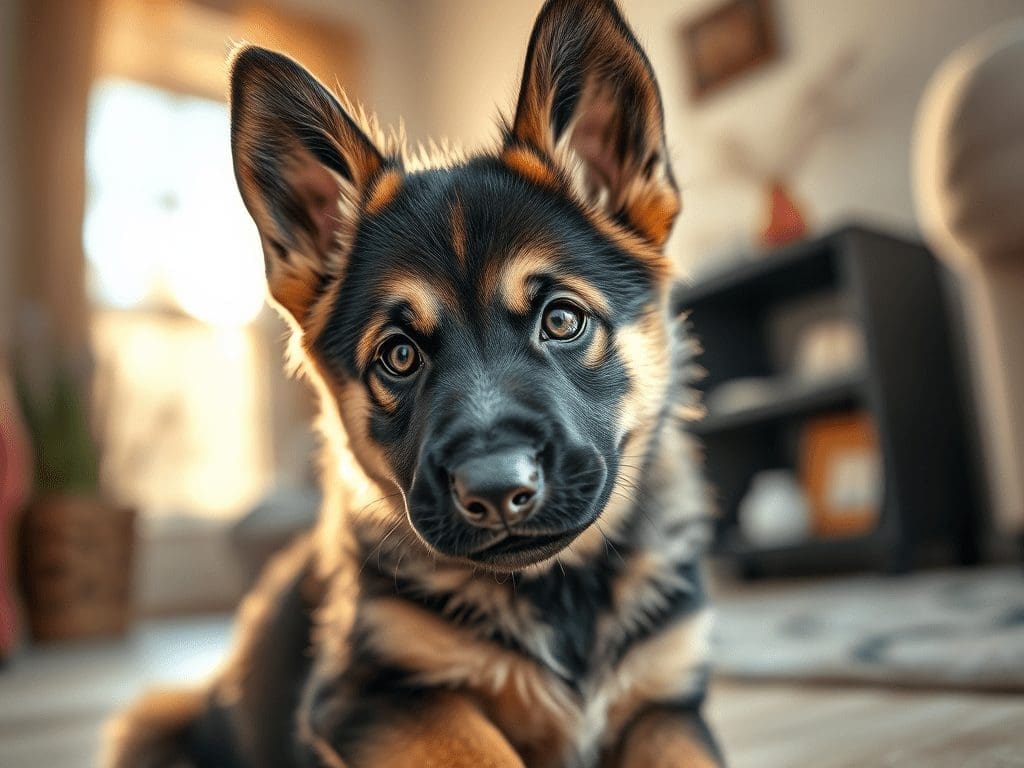
Fear in German Shepherds can surprise even experienced owners. One week your dog looks brave and curious, and the next week they freeze on walks, bark at strangers, or refuse to enter a familiar place. This change can feel worrying, but it is often a normal part of growing up, learning, and adapting to the world. It’s essential to understand the signs of fear in German Shepherds to help them feel safe and secure.
German Shepherds are smart, sensitive, and alert. These traits make them amazing companions, but they can also make them more likely to react strongly to stress. The good news is that fear is not a life sentence. With calm handling, good timing, and gentle training, many dogs become steady and confident again.
Understanding fear in German Shepherds is crucial for providing the right support and training to help them overcome their anxieties.
Why Fear Happens in German Shepherds
Recognizing fear in German Shepherds requires vigilance and a keen understanding of their body language and behavior.
It is imperative to address fear in German Shepherds early on to prevent it from escalating into more severe behavioral issues.
Fear is a natural survival emotion. It helps an animal stay safe. In dogs, fear can appear when something feels unknown, too fast, too loud, too close, or painful. A German Shepherd may react to protect themselves, to create distance, or to look for safety.
Fear in German Shepherds often comes from a mix of factors:
- Genetics and temperament: Some dogs are naturally more cautious.
- Early socialization: Lack of gentle, positive exposure to people and places can make the world feel scary later.
- Past events: A single bad moment can create a strong memory, especially during sensitive age windows.
- Health and pain: Pain can make a dog defensive or reactive.
- Owner handling: Forcing a dog toward a trigger can increase fear instead of fixing it.
Fear is not stubbornness. Most of the time, it is a dog communicating discomfort the only way they know.
Identifying the root causes of fear in German Shepherds is essential for implementing effective training strategies.
Fear Periods in German Shepherd Puppies and Adolescents
Many German Shepherds go through “fear periods.” These are normal developmental stages when the brain is extra sensitive. During these times, a puppy or teen dog can suddenly feel unsure about things that did not bother them before.
Fear periods are not exactly the same in every dog, but these windows are common:
Fear in German Shepherds can stem from a variety of sources, including genetic predispositions and lack of socialization.
1) Early puppy fear period (around 8–11 weeks)
This often happens soon after the puppy comes home. New sounds, new rooms, new people, and new routines can feel intense. Even a confident puppy can become cautious.
What it can look like
- Startling at small noises
- Freezing or hiding
- Hesitating to approach new objects
- Clinging to the owner
2) Adolescent fear period (often 6–14 months)
This stage can feel bigger and more frustrating. Your dog is stronger, faster, and more independent. Hormones, growth, and a changing brain can make fear reactions louder and more dramatic.
What it can look like
- Barking at strangers or dogs
- Refusing certain routes on walks
- Guarding behavior in new places
- Sudden fear of common items like bins, umbrellas, or cars
Some German Shepherds also have smaller “mini-fear” phases later, especially during big life changes. The key point stays the same: the brain is learning, and your calm support matters.
How to Recognize Fear in German Shepherds
Fear is not only shaking or hiding. Many German Shepherds show fear with “tough” behavior, such as barking or lunging. Knowing the signs helps you react early, before fear turns into a habit.
Common body language signs
- Tail low or tucked
- Ears pinned back or moving quickly
- Wide eyes, “whale eye” (white of the eye visible)
- Tight mouth, closed lips, or lip licking
- Yawning when not tired
- Head turning away, avoiding eye contact
- Crouching, freezing, leaning away
- Raised hackles (hair along the back standing up)
Common behavior signs
- Hiding behind you or furniture
- Refusing to move, especially outdoors
- Pulling hard to escape a situation
- Excessive barking at people, dogs, or noises
- Growling when someone approaches
- Snapping when cornered or forced
- Pacing, panting when not hot
- Sudden toileting accidents in a stressed dog
Fear vs. protection drive
Training for fear in German Shepherds should focus on building confidence and trust, gradually exposing them to their fears in a controlled manner.
German Shepherds are known as protective dogs. Sometimes people label fear barking as “guarding.” A simple way to think about it:
Positive reinforcement is a powerful tool when addressing fear in German Shepherds, rewarding calm behavior and encouraging progress.
- A confident dog can observe, stay under control, and respond to your cues.
- A fearful dog looks panicked, reacts too fast, and struggles to calm down.
Fear is often the real cause behind “reactive” behavior.
Common Triggers That Increase Fear in German Shepherds
Triggers are things that create an emotional reaction. During fear periods, even small triggers can feel huge.
Here are common trigger categories for fear in German Shepherds:
Loud or sudden sounds
- Thunder, fireworks
- Construction sounds, trucks, motorcycles
- Dropping objects, slamming doors
- Vacuum cleaners, blenders
People and social pressure
- Strangers leaning over the dog
- Direct staring, fast hands reaching to pet
- Children running, squealing, grabbing
- Visitors entering the home quickly
Other animals
- Dogs that run straight up or bark
- Off-leash dogs approaching too fast
- Cats or wildlife appearing suddenly
Places and surfaces
- Vet clinics, groomers, busy streets
- Slippery floors, stairs, elevators
- Dark hallways, narrow paths
Objects and movement
- Umbrellas, hats, costumes
- Bicycles, scooters, skateboards
- Flags, blowing plastic bags
Change in routine or environment
- Moving house
- New family members
- Different work schedule
- Less sleep, less exercise
- Illness or recovery from injury
You do not need to remove every trigger forever. During a fear period, reducing heavy exposure gives the brain time to settle. After that, training works better.
What Not to Do During Fear Periods
When fear shows up, many owners try to fix it fast. Some common reactions can make fear stronger.
Avoid these mistakes
- Do not force your dog to “face it” by dragging them closer.
- Do not punish barking or growling. These are warning signals. Punishment can remove the warning and leave the bite.
- Do not flood the dog with too much exposure, such as taking them to crowded events to “get used to it.”
- Do not corner the dog. A trapped dog often chooses fight because flight is not possible.
- Do not allow strangers to pet your dog to “socialize” them if your dog is uncomfortable.
A better goal is calm, controlled exposure with choice and distance.
The Most Helpful Mindset: Safety First, Training Second
Fear training works best when the dog feels safe enough to learn. A dog in panic cannot learn new emotional skills.
A strong plan usually follows this order:
- Reduce stress
- Build trust and routine
- Teach calm skills
- Reintroduce triggers slowly
- Keep progress stable with good habits
This approach prevents setbacks and protects your bond.
Building a Fear-Reducing Daily Routine
German Shepherds often relax when life is predictable. A stable routine lowers the background stress level.
Simple routine upgrades that help
- Feed at regular times
- Walk at calmer hours while training fear
- Offer a quiet rest space daily
- Keep training sessions short and positive
- Add sniffing time on walks, not only marching
- Protect sleep, especially for adolescent dogs
Sleep is often overlooked. A tired dog becomes reactive faster.
Create a Safe Space at Home
A safe space is a place where your dog can fully relax and not be bothered. It should never be used for punishment.
What a good safe space includes
- A crate with the door open, or a calm corner with a bed
- A blanket that smells like home
- A chew or lick item for relaxing, such as a stuffed food toy
- Low noise and low foot traffic
- Clear rules for family members, including children, to leave the dog alone there
This safe space becomes a recovery zone after stressful moments.
Positive Reinforcement: The Core Tool for Confidence
Positive reinforcement means rewarding the behavior you want, so it happens more often. For fear, the goal is not only “obedience.” The goal is a new emotional feeling.
Rewards can be:
- Small tasty treats
- A favorite toy
- Praise in a calm voice
- Sniffing time
- Movement away from the trigger as a reward
A reward should match the situation. Around scary triggers, food often works best because it changes emotions directly.
Desensitization and Counterconditioning: The Most Effective Method
For fear in German Shepherds, the most reliable training approach combines:
- Desensitization: exposure at a low level, so the dog stays calm.
- Counterconditioning: pairing the trigger with something good, so feelings change over time.
This method is gentle, clear, and supported by modern behavior science.
Step-by-step: how to start
- Choose one trigger to work on first. Keep the plan simple.
- Find the safe distance where your dog notices the trigger but stays able to eat treats and think.
- Mark and reward calm behavior. Calm can be looking at the trigger and then back to you, sniffing the ground, or simply standing without tension.
- End early. Stop before your dog gets overwhelmed. Short wins beat long sessions.
- Repeat often. Several small sessions per week work better than one long session.
How to know the distance is correct
Your dog can:
- Take treats gently
- Blink and move normally
- Respond to their name
- Sniff and explore
If your dog refuses food, stares hard, freezes, or explodes, you are too close or the trigger is too intense.
The golden rule
Intensity increases in small steps. Distance is your best friend. You can always move closer later. You cannot easily undo a scary surprise.
Practical Training Examples for Common German Shepherd Fears
Below are clear examples you can copy and adjust.
1) Fear of strangers on walks
Goal: Your dog learns that strangers predict good things and do not bring pressure.
- Start far from people, such as across the street.
- When your dog sees a person, give a treat.
- Keep treating while the person is in view.
- When the person is gone, treats stop.
- Over time, your dog learns: person appears, good food happens.
Important detail: strangers do not reach toward the dog during training. No petting. No leaning over. Space creates success.
2) Fear of loud noises
Goal: Sounds become normal background, not danger.
- Use sound recordings at very low volume.
- Pair the sound with treats, play, or a chew.
- Keep sessions short.
- Increase volume slowly across days, not minutes.
- If your dog startles or stops eating, reduce volume again.
For real-life storms or fireworks, focus on management first:
- Close curtains
- Use white noise
- Offer a chew
- Stay calm and normal
3) Fear of other dogs
Goal: Seeing dogs becomes safe and predictable.
- Work at a distance where your dog stays calm.
- Reward when your dog notices another dog and remains under threshold.
- Practice turning away calmly. Teach a simple “let’s go” cue and reward for following.
- Choose calm locations with space, not busy dog parks.
Dog parks often overwhelm adolescent German Shepherds. Controlled exposure is usually better.
4) Fear of surfaces, stairs, or slippery floors
Goal: Confidence through choice and traction.
- Add non-slip mats or runners where possible.
- Lure with treats one small step at a time.
- Reward for looking at the surface, stepping near it, then touching it.
- Never pull the dog. Allow pause and choice.
Progress with surfaces can be slow, but it is often very stable once learned.
Helpful Skills That Make Fear Training Easier
Teaching simple life skills gives your dog a feeling of control. Control reduces fear.
Useful skills
- Hand target: touch nose to your hand, then reward. This guides movement without pulling.
- Look at me: short eye contact, then reward. Use it gently, not as a demand.
- Find it: toss treats on the ground. Sniffing lowers stress.
- Mat settle: relax on a blanket or bed. Reward calm breathing and stillness.
- U-turn cue: turn away from triggers smoothly and happily.
These skills are not just obedience. They are emotional tools.
Managing the Environment During Training
Training works faster when daily life supports it.
Smart management tips
- Walk in quieter places while your dog is in a fear phase
- Avoid narrow paths where triggers surprise you
- Use a leash length that gives some freedom but stays safe
- Block window views if your dog barks at people outside
- Limit intense greetings at home until your dog is calmer
Management is not failure. It is part of a good plan.
Exercise and Mental Stimulation: The Calm Power Combo
German Shepherds need activity, but the type of activity matters during fear periods. Too much high-arousal play can raise stress. Too little activity can create frustration.
Balanced physical exercise ideas
- Steady sniff walks in calm areas
- Gentle hiking on a long line
- Controlled fetch with breaks
- Basic agility foundations at low height, only if the dog enjoys it
Confidence-building mental activities
- Food puzzles and stuffed toys
- Scent games, such as hiding treats in a room
- Short training sessions with easy wins
- Chewing and licking activities, which are calming
A good target is a dog that feels pleasantly tired, not “wired and wild.”
Socialization During Fear Periods: Quality Over Quantity
Socialization is not forcing your dog to meet everyone. For fear in German Shepherds, the best socialization is calm exposure without pressure.
Better socialization choices
- Sit at a distance and watch the world while eating treats
- Walk near playgrounds or shops but far enough to stay calm
- Invite one calm visitor at a time and use structured routines
- Let the dog choose to approach, not the other way around
Every positive, low-pressure experience is a vote for confidence.
When Fear Becomes a Bigger Problem
Sometimes fear is not just a phase. Support is still possible, and professional guidance can speed up progress and improve safety.
Signs you should get professional help
- Biting, snapping, or repeated near-bites
- Fear that gets worse week by week
- Panic that does not improve with distance
- Guarding behavior linked to fear
- Strong reactions that you cannot manage safely
- Fear plus signs of pain, limping, sensitivity to touch, or sudden behavior change
Start with a vet check if fear appears suddenly, especially in an adult dog. Pain, ear issues, and thyroid problems can affect behavior.
For training help, look for:
- A force-free trainer experienced with reactivity
- A certified behavior consultant
- A veterinary behaviorist for severe cases
Avoid trainers who promise quick fixes using intimidation, shock collars, or “dominance” methods. These tools often increase fear and risk.
A Simple Weekly Plan You Can Follow
Below is a calm, realistic structure that supports steady change.
Week structure
- Daily: short calm walk, sniff time, safe rest, one easy training game
- 3–5 times per week: trigger training session, 5–10 minutes
- 1–2 times per week: new confidence activity, such as a new surface or a quiet new place
- Always: protect sleep and avoid overwhelming surprises when possible
Track progress in small ways:
- Distance your dog can handle
- Recovery time after seeing a trigger
- Ability to eat treats and respond to cues
Small improvements add up.
Safety Notes for Training Fear in German Shepherds
German Shepherds are strong dogs. Fear can create sudden lunges. Safety protects everyone and reduces stress.
Basic safety practices
- Use a well-fitted harness for better control and comfort
- Avoid retractable leashes during fear training
- Keep a stable distance from triggers
- Do not allow strangers to reach for your dog
- Advocate for your dog with calm body positioning and clear boundaries
- If needed, condition a basket muzzle positively with professional guidance
Safety is not dramatic. It is responsible and kind.
Final Thoughts: Building Confidence Takes Time, Not Force
Fear in German Shepherds is common, especially during puppy and adolescent fear periods. It can show up as hiding, shaking, barking, or refusal to move. The most helpful response is calm leadership, smart management, and gentle training that changes feelings over time.
Progress usually looks like this:
- Fewer big reactions
- Faster recovery after surprises
- More curiosity and sniffing
- Better focus on you during walks
- A calmer body and softer face in normal life
With patience, consistency, and positive methods, many German Shepherds become stable, confident adults. The work you do during fear periods builds trust for life.
Overcoming fear in German Shepherds can take time, but with patience and consistency, owners can help their dogs feel more secure.
Fear in German Shepherds is a common issue that requires understanding and proactive management to ensure a happy, healthy life.