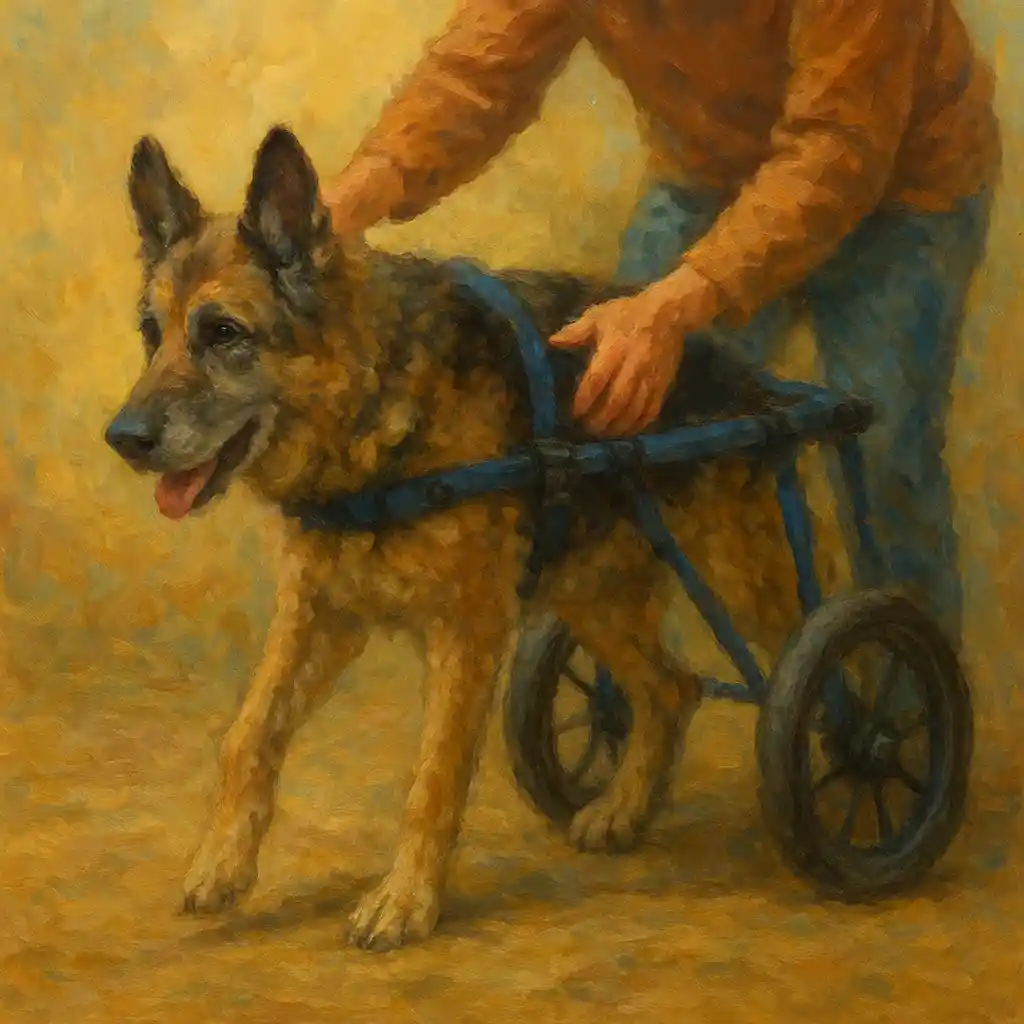
A German Shepherd often lives life with purpose. They guard the home, follow their people, and stay close through every stage. When they become seniors, the body changes. Joints can feel stiff. Muscles can lose strength. Simple things like getting up from the floor, climbing stairs, or jumping into a car can start to look difficult.
Supporting Aging German Shepherd’s Mobility is not about forcing big activity. It is about smart, gentle help that reduces pain, protects joints, and keeps confidence high. With the right plan, many senior German Shepherds stay active, stable, and happy for years.
Ensuring your senior dog maintains their Aging German Shepherd’s Mobility is vital for their well-being and happiness.
1) Why mobility changes in senior German Shepherds
German Shepherds are large, athletic dogs. Their bodies carry a lot of weight and power. Over time, wear and tear can show up in the hips, knees, elbows, spine, and paws.
Common reasons for mobility decline in older German Shepherds include:
- Arthritis and joint inflammation
- Hip dysplasia and elbow dysplasia that become harder with age
- Degenerative myelopathy in some dogs, affecting coordination and hind legs
- Muscle loss from less movement
- Weight gain, which adds extra pressure on joints
- Past injuries, including old ligament or back issues
Mobility support works best when it starts early. Small changes, done consistently, often bring the biggest results.
2) Early signs that Aging German Shepherd’s Mobility needs support
Many owners notice changes slowly, week by week. These signs often mean it is time to add mobility support:
- Taking longer to stand up after resting
- Stiffness in the morning or after naps
- Slower walking pace, shorter walks, more stopping
- Limping or favoring one leg
- Difficulty using stairs
- Hesitation to jump into the car or onto furniture
- Slipping on smooth floors
- Changes in posture, like a lower head or rounded back
- Less interest in play, chasing, or running
- Licking joints or paws more than usual
Some dogs hide pain. They stay brave and quiet. Watching movement in daily routines gives the best clues.
3) Start with the basics: veterinarian support and safe pain control
A mobility plan becomes stronger after a veterinary check. A good exam can confirm what is happening and rule out other issues, including injury, nerve problems, or internal illness.
Small adjustments in daily care can greatly assist your Aging German Shepherd’s Mobility.
Encouraging movement is key to improving your Aging German Shepherd’s Mobility.
A vet may suggest:
- X-rays to evaluate hips, knees, elbows, or spine
- Bloodwork to check organs before long-term supplements or medicines
- Prescription pain relief if arthritis pain is strong
- A referral to rehab, physiotherapy, or hydrotherapy
Pain control is not a failure. It often helps a dog move more, which protects muscles and supports joints. Many senior dogs do best with a mix of safe medication, supplements, and lifestyle changes.
4) Supplements that commonly support Aging German Shepherd’s Mobility
Supplements are not instant. Many need steady use for several weeks. Quality and correct dose matter. A vet can help select safe products, especially if your dog already takes medication.
A) Glucosamine and chondroitin
These are two of the most common joint supplements for senior dogs.
How they help
- Support cartilage health
- Support joint lubrication
- May reduce stiffness over time
- Often used for arthritis and joint wear
What to expect
- Results often appear after 4 to 8 weeks of daily use
- Best effects often come with long-term use
Tips
Being proactive about your Aging German Shepherd’s Mobility can prevent serious health issues down the line.
- Choose dog-specific products with clear dosing by weight
- Split daily dose into morning and evening for sensitive stomachs
B) Omega-3 fatty acids (EPA and DHA)
Omega-3s are known for anti-inflammatory support.
How they help
- Reduce inflammation linked to arthritis
- Support skin and coat
- Support heart and brain health in seniors
Common sources
- Fish oil from salmon, sardine, anchovy
- Veterinary omega-3 capsules or liquids
Safety notes
- Too much can cause loose stool
- Use the dose recommended for your dog’s size
- Store properly to avoid rancid oil
C) MSM (methylsulfonylmethane)
MSM is used for joint comfort and flexibility support.
How it may help
- Supports joint comfort
- Often included in joint blends with glucosamine and chondroitin
Tips
- Start low and increase slowly if stool becomes soft
- Use consistent daily dosing
D) Turmeric and curcumin
Turmeric is popular for natural inflammation support. Dogs absorb curcumin better when combined with fat and sometimes black pepper extract, though pepper extract can irritate some stomachs. Dog-safe formulas are the best option.
How it may help
- Supports inflammation control
- Provides antioxidant support
Simple ways to use
- Use a vet-approved turmeric supplement designed for dogs
- Add small amounts only if tolerated
Safety notes
- Avoid large doses without guidance
- Use extra caution if a dog has gallbladder issues or takes blood-thinning medication
E) Other helpful options to discuss with a vet
Depending on the dog, these may also help:
- Green-lipped mussel for joint support
- Collagen types I and II
- Hyaluronic acid in some joint products
- Antioxidants like vitamin E in balanced amounts
The strongest supplement routine is the one your dog tolerates well and takes consistently.
5) Weight management: the most powerful joint tool
For many senior German Shepherds, weight is the difference between comfort and daily struggle. Even a small extra load increases pressure on hips and knees.
Helpful steps:
- Feed measured meals rather than free-feeding
- Use a senior or joint-support diet if it matches your dog’s needs
- Choose low-calorie treats and use smaller pieces
- Replace some treats with gentle praise or a small part of the daily kibble
A leaner body reduces joint stress every time your dog stands up, walks, and climbs.
6) Home upgrades that protect Aging German Shepherd’s Mobility
The home can either support movement or create daily strain. Small changes improve safety fast.
A) Floor traction
Smooth floors cause slipping. Slipping increases fear, stress, and risk of injury.
Practical traction upgrades:
- Add rugs or runners in main paths
- Use non-slip pads under rugs
- Keep nails trimmed for better grip
- Use dog socks with grips if tolerated
B) Orthopedic bedding
Hard floors can increase joint pain. A supportive bed helps recovery.
Look for:
- Thick foam orthopedic bed
- Easy entry height for seniors
- Washable cover
- Warm, draft-free location
C) Raised food and water bowls
Some senior German Shepherds eat more comfortably with a raised feeder. It can reduce strain on neck and shoulders. The best height depends on the dog’s posture and comfort.
D) Warmth and routine
Older joints often feel worse in cold weather. Warm bedding and stable indoor temperatures can make mornings easier. A consistent daily routine reduces stress and keeps movement steady.
7) Ramps: a simple tool with big results
Jumping up and down is hard on aging hips, elbows, and spine. A ramp removes that impact. It supports confidence and independence, especially for getting into a car or onto a favorite couch.
A) Where ramps help most
- Car entry and exit
- Porch or outdoor steps
- Bed and couch access
- Stairs in and out of the yard
Even if a senior German Shepherd can still jump, a ramp prevents repeated stress that can make arthritis worse.
B) Choosing the right ramp
Key features for a senior German Shepherd:
- Correct weight rating for large dogs
- Non-slip surface for paws
- Stable base that does not wobble
- Gentle incline that feels safe
- Side rails for extra security if available
- Easy folding for car ramps if needed
A ramp that slips, shakes, or feels steep can reduce trust. Stability matters more than style.
C) Training a senior German Shepherd to use a ramp
Training works best in short sessions with calm rewards.
A simple step-by-step plan:
- Place the ramp on flat ground first, no height
- Let your dog sniff it and step on it freely
- Reward every small step forward
- Walk beside your dog, not pulling from the front
- Move to a low height, like a curb
- Slowly increase height over days, not minutes
Gentle praise and patience build confidence. Forcing creates fear and can cause slips.
D) Ramp safety checklist
- Ramp placed on stable, even ground
- Non-slip surface clean and dry
- One person guiding, especially at first
- No rushing and no running on the ramp
- Use a harness for control if needed
8) Exercise that builds strength without overload
Movement is medicine when it stays safe. The goal is to protect joints while maintaining muscle. Muscle supports joints like a natural brace.
A balanced senior plan usually includes:
- Short, regular walks
- Gentle strengthening
- Mobility and range-of-motion work
- Rest and recovery
A) Walking plan for seniors
Walking is excellent, but long walks can cause flare-ups.
Helpful rules:
- Choose flat ground and stable surfaces
- Keep a steady, comfortable pace
- Aim for consistency, not distance
- Stop before heavy panting or lagging
- Avoid slippery paths and steep hills
Many seniors do better with two or three short walks than one long walk.
B) Strengthening exercises at home
These are simple and low-impact. Always start slowly.
Good options:
- Sit-to-stand repetitions on a non-slip surface
- Slow leash walking in a straight line
- Gentle weight shifts while standing
- Controlled stepping over a low pole or broom handle on the ground
A few minutes per day can maintain strength and balance.
Adopting strategies to improve your Aging German Shepherd’s Mobility can significantly impact their quality of life.
C) Stretching and mobility work
Gentle stretching can support comfort, but it should never cause pain. Slow and soft movements are best. A rehab professional can show correct technique and safe positions.
9) Swimming: one of the best low-impact exercises
Swimming can be excellent for senior German Shepherds because water supports body weight and reduces joint pressure. It builds muscle, improves cardio health, and can lift mood.
This is one of the most effective tools for Aging German Shepherd’s Mobility when done safely.
A) Key benefits of swimming for senior German Shepherds
- Low-impact movement for hips and knees
- Whole-body muscle work
- Better joint range of motion
- Gentle cardio exercise
- Often improves confidence and energy
B) Safe ways to introduce swimming
Senior dogs can feel unsure in water, even if they swam when younger. Confidence may change with age.
A safe introduction looks like this:
- Use calm, shallow water at first
- Allow slow entry, no sudden pushing
- Keep sessions short
- Give breaks often
C) Use a life jacket for safety
A life jacket is strongly recommended for senior German Shepherds, even strong swimmers. It supports floating, reduces panic, and protects tired muscles.
Choose a jacket with:
- Proper fit for deep chest
- Strong handle on top
- Secure straps that do not rub
D) Swimming safety rules
- Supervise closely at all times
- Avoid strong currents and rough waves
- Avoid cold water that tightens muscles
- Rinse coat after chlorine or salt water
- Dry ears to reduce infection risk
- Stop if coughing, heavy stress, or clear fatigue appears
E) Good alternatives if swimming is not possible
Not every dog likes water. Not every location is safe for swimming. Similar low-impact options include:
- Underwater treadmill therapy at a rehab center
- Slow walking in shallow water at the shoreline
- Controlled leash walks on soft grass
10) Daily care details that make movement easier
Small care habits can improve comfort more than many people expect.
A) Nail and paw care
Long nails change foot position and can increase joint strain.
Helpful steps:
- Trim nails regularly
- Keep paw pads clean and healthy
- Clip fur between pads if slipping increases
B) Harness support
A well-fitted harness protects the neck and gives better control. For dogs with hind-end weakness, a rear support sling can help during stairs or slippery areas.
C) Car entry support
Even with a ramp, older dogs benefit from stability.
Good habits:
- Park on level ground
- Use a ramp with strong grip
- Guide slowly with a harness
- Avoid sudden jumps out of the car
11) Building a holistic plan for Aging German Shepherd’s Mobility
A strong plan combines multiple supports. No single tool does everything. The best results usually come from steady, simple habits.
A clear mobility support plan often includes:
- Veterinary check and pain control if needed
- Weight management and joint-friendly nutrition
- Daily joint supplements chosen for the dog
- Safe home setup with traction and orthopedic bedding
- Ramps for car and furniture to avoid jumping
- Low-impact exercise, including walking and swimming
- Weekly monitoring and small adjustments
This approach supports both comfort and independence.
12) Monitoring progress and making smart adjustments
Mobility changes over time. Some weeks are better than others. Tracking helps you notice patterns and prevent flare-ups.
Simple ways to monitor:
- Note walking distance and speed
- Observe stiffness after rest
- Watch for slipping frequency
- Track appetite and sleep comfort
- Check mood and interest in activities
If stiffness increases after a new exercise, reduce intensity and add rest. If your dog improves, keep the same routine for several weeks before increasing activity.
Consistency builds strength. Sudden changes often cause setbacks.
13) When mobility changes need faster help
Some signs mean a quick veterinary check is important:
- Sudden severe limping
- Crying out in pain
- Dragging paws or knuckling
- Loss of bladder or bowel control
- Refusing to stand or walk
- Swollen joint that feels hot
- Fast decline over days
Fast action protects comfort and can prevent long-term damage.
14) Realistic expectations and long-term success
Senior mobility support is not about returning to puppy energy. It is about comfort, safety, and daily joy. Many older German Shepherds still enjoy walks, toys, training, and family time. They simply need more support and smarter movement.
Progress often looks like:
- Easier standing and lying down
- More stable walking
- Less slipping and hesitation
- Better mood and engagement
- Improved sleep comfort
Even small changes can be meaningful. A ramp can prevent dozens of painful jumps each week. A good supplement routine can reduce daily stiffness. Swimming can rebuild muscle without joint strain.
Conclusion: Comfort, confidence, and a better senior life
Supporting Aging German Shepherd’s Mobility is one of the kindest gifts you can give an older dog. It protects joints, reduces pain, and helps your German Shepherd stay involved in family life. The best results come from a combined approach: joint supplements, safe home upgrades, ramps, gentle exercise, and low-impact swimming when possible.
Focus on simple steps done consistently. Keep surfaces safe. Protect joints from jumping. Build muscle with calm movement. Use supplements wisely. Add warmth, rest, and routine. This kind of daily care helps senior German Shepherds move with more comfort and live their later years with dignity and happiness.
Regular swimming can greatly enhance your Aging German Shepherd’s Mobility without putting strain on their joints.
Incorporating gentle exercises tailored to your Aging German Shepherd’s Mobility can make a difference.