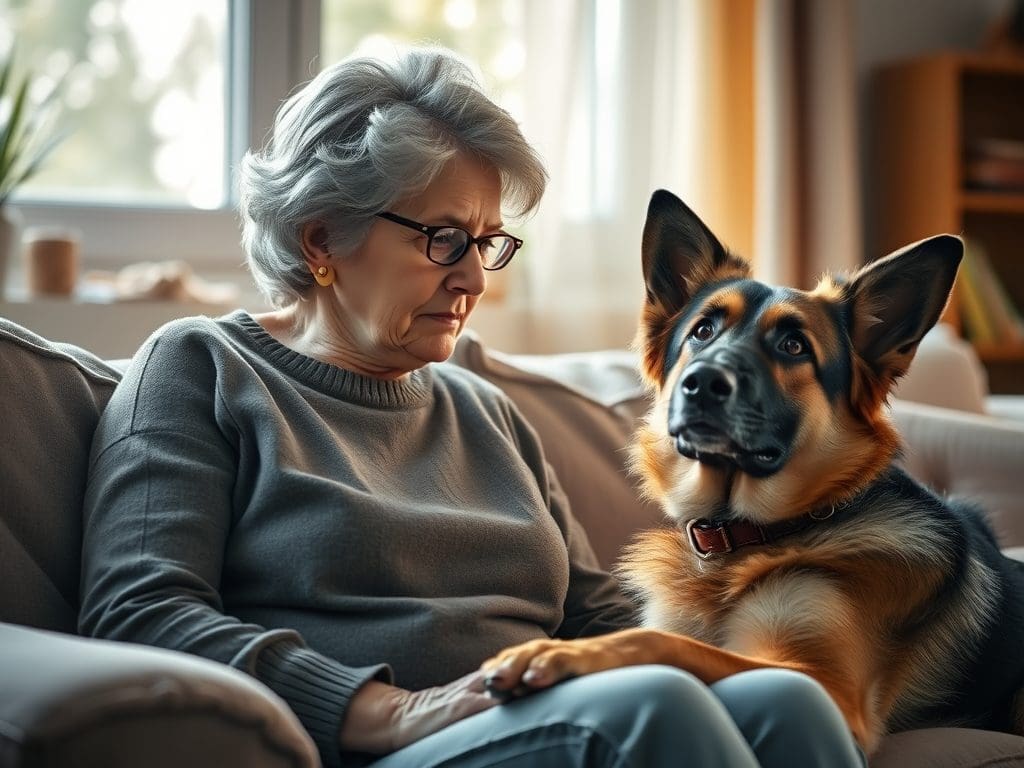
Making medical choices for a beloved dog can feel heavy, especially when opinions online pull in different directions. Dewclaw removal is one of those topics. Some people call it “necessary,” others call it “never needed,” and many owners simply feel unsure.
This guide is designed to be calm, clear, and useful. It explains what dewclaws are, why some German Shepherds keep them, why some have them removed, and how to plan safe care before and after the procedure. The goal is not to push one choice, but to help you understand the full picture so you can choose what best supports your dog’s health and lifestyle.
A simple story many owners recognize
Mary is a senior dog owner with a German Shepherd named Rocky. Rocky is active, alert, and loves long walks. One day, Rocky’s dewclaw catches on something while running. It bleeds, Rocky limps, and Mary worries. Later, a friend says, “You should remove them.” Another friend says, “Never do that. Dewclaws matter.”
Mary does not want drama. Mary wants clarity, safety, and the best life for Rocky.
If this situation sounds familiar, the rest of this guide will help.
What dewclaws are (and why dogs have them)
A dewclaw is an extra toe set higher up on the leg, on the inner side. On most dogs, dewclaws appear on the front legs, and some dogs also have them on the rear legs. In many dogs, rear dewclaws are loosely attached or not attached to bone at all, but this varies by dog and breed line.
Dewclaws are often compared to a “thumb.” They do not touch the ground in normal standing, but they can still have function.
What dewclaws can do
In many dogs, front dewclaws can:
- Help with grip when running, turning, or climbing
- Support stability during fast movement or sudden direction changes
- Help hold items (bones, toys) in place, especially when lying down
- Add traction on rough ground, ice, or uneven surfaces
So dewclaws are not always “useless.” They may be used more than owners realize, especially in athletic dogs.
Dewclaws in German Shepherds: what is common
German Shepherds usually have:
- Front dewclaws (common)
- Rear dewclaws (less common, depends on genetics and breeding)
Owners consider Dewclaw Removal for German Shepherds most often for one of these reasons: Dewclaw Removal for German Shepherds is often considered for these reasons:
- The dewclaw is loosely attached
- The dewclaw nail grows oddly and snags easily
- The dog is highly active and has already had a tear or injury
- The owner wants to prevent future injury, especially in working or sport dogs
German Shepherds are strong, fast, and often very energetic. That combination can increase the chance of dewclaw injuries in certain lifestyles.
The real benefits of dewclaw removal (when it truly helps)
Dewclaw removal is not automatically “good” or “bad.” The value depends on the dog and the situation. Here are the most common real-world benefits.
1) Lower risk of painful tears and snags
Dewclaws can catch on:
- Brush, branches, fences
- Carpet, blankets, crates
- Sports equipment (jumps, tunnels)
- Rough ground while running
A snag can cause:
- A torn nail
- A torn toe
- Bleeding and infection risk
- Limping and long healing time
For dogs that already had repeat injuries, removal may prevent a cycle of pain.
2) Fewer emergency vet visits for active dogs
Working German Shepherds and sport dogs sometimes get injuries during activity, and dewclaws are a known weak point. Removing a problem dewclaw in a planned surgery can reduce unexpected injuries later.
3) Easier nail care (in some cases)
Some dewclaw nails grow in a tight curve. If not trimmed often, they can:
- Overgrow
- Press into skin
- Split and break
- Cause chronic irritation
Removal can end a constant nail management problem, but only if dewclaw nail care has become difficult or unsafe.
4) Breed-standard appearance (a minor reason)
Some owners mention aesthetics or tradition. This is not a health benefit, but it is one reason some people consider it. It is best treated as optional, not medical.
The drawbacks and risks (important to understand clearly)
Every surgery has risk. Dewclaw removal is usually straightforward, but it is still a medical procedure with real downsides.
1) Pain and recovery time
Even with good pain control, your dog will have:
- A wound that needs protection
- Activity restriction
- A period of soreness
Dogs can also try to lick the site, which slows healing.
2) Surgical risks
Possible complications include:
- Infection
- Bleeding
- Swelling
- Delayed healing
- Reaction to anesthesia (rare, but serious)
Risk depends on the dog’s health, age, and the skill and planning of the veterinary team.
3) Loss of a body part that may have function
Front dewclaws can help some dogs with grip and stability, especially during fast turns. Removing a normal, well-attached front dewclaw can remove a useful structure.
4) Ethical concerns
Some owners feel strongly that removing a healthy body part is not the right choice unless there is a strong reason. Others feel strongly about preventing likely injury. Both views come from caring about the dog.
A good decision respects:
- The dog’s welfare
- The dog’s lifestyle
- The medical facts
- The owner’s values
Working German Shepherds vs pet German Shepherds
Lifestyle changes everything. The same dewclaw can be “no problem” for one dog and a repeated injury for another.
Dewclaw removal is more often considered for:
Working and sport German Shepherds, including:
- Police and protection dogs
- Search and rescue dogs
- Agility, dock diving, fast sport training
- Herding work
- Hiking and off-trail adventure dogs
These dogs:
- Run faster
- Turn harder
- Hit obstacles
- Spend more time in brush, rocks, and rough terrain
Dewclaw removal is less often needed for:
Pet German Shepherds who mainly do:
- Leashed walks
- Yard play
- Light hiking on clear trails
- Family activities at moderate intensity
For many pet dogs, dewclaws never cause problems as long as the nails are trimmed.
Timing: the most important factor for safety and comfort
When people discuss Dewclaw Removal for German Shepherds, timing is often where the biggest differences appear.
Early-age removal (very young puppies)
In some places and situations, dewclaws are removed at just a few days old. At that age:
- The procedure is quick
- Tissue is softer
- Recovery is often fast
However, ethical views vary, and not every veterinarian recommends routine removal. Also, early removal is usually a breeder decision, not an owner decision.
Removal in older puppies or adult dogs
In older dogs, dewclaw removal is a true surgery:
- The claw is more developed
- The attachment may be stronger
- Stitches are often needed
- Activity restriction is more serious
- Anesthesia is required
That does not mean it is unsafe. It simply means the choice should be more carefully matched to the dog’s needs.
Timing that can reduce stress
Many owners choose to combine dewclaw removal with another planned procedure (when appropriate), such as spay/neuter or another surgery already needing anesthesia. This can:
- Reduce the number of anesthesia events
- Combine recovery time into one period
A veterinarian should guide this decision based on health, age, and surgical plan.
Choosing the right veterinarian (this matters a lot)
Dewclaw removal is common, but quality still varies. A good clinic reduces pain, lowers infection risk, and supports clean healing.
What to look for
A strong choice often includes:
- Clear explanation of the plan and recovery needs
- Modern pain management (before and after surgery)
- Clean surgical standards and careful monitoring
- Willingness to discuss alternatives and lifestyle options
- Good follow-up care and access if concerns appear
Green flags in communication
A good veterinarian team typically:
- Explains expected healing time in simple terms
- Gives written aftercare instructions
- Sets a clear plan for bandage changes (if used)
- Provides guidance for activity limits
- Plans appropriate pain relief and, when needed, antibiotics
What the surgery process usually looks like (simple overview)
While techniques vary, adult or older puppy dewclaw removal often includes:
- Pre-surgery exam
- The dog’s general health is checked
- Vet may recommend bloodwork, especially for older dogs
- Anesthesia
- The dog is kept asleep and pain-controlled
- Removal
- The dewclaw and related tissue are removed
- If the dewclaw is attached to bone, careful surgical technique is required
- Closure
- Stitches are placed
- A bandage may be used, depending on the case
- Recovery and discharge
- You receive medication instructions and aftercare steps
Surgery time is usually short, but recovery care is the most important part for success.
Aftercare: the difference between smooth healing and problems
Aftercare is where owners protect the results. This is also where many issues start if the dog licks, runs too soon, or gets the wound dirty.
The first 24–72 hours
Common needs include:
- A calm space at home
- Short leash breaks only
- Preventing licking (often with an e-collar)
- Giving medication exactly as prescribed
- Watching the bandage (if present) to keep it dry and clean
Some mild swelling and tenderness can be normal early on. The key is steady improvement, not worsening.
The next 1–2 weeks
Most dogs need:
- Reduced activity (no jumping, running, rough play)
- A clean, dry environment
- Regular checks of the incision site
- Follow-up visits if scheduled for bandage changes or suture removal
Helpful home tips for success
- Use a leash even in the yard for bathroom breaks
- Keep floors non-slippery to prevent falls
- Use a crate or small room to limit zoomies
- Keep other pets from licking or bumping the wound
- Stay consistent with rest, even if the dog “seems fine”
Dogs often feel better before the wound is fully strong. That is why activity control is so important.
Monitoring healing: signs of normal progress vs trouble
Strong healing usually looks like:
- Less swelling over time
- Less redness day by day
- Dry incision (or minimal normal scabbing)
- No strong odor
- Dog walking normally again as days pass
Signs that need veterinary attention include:
- Increasing redness, swelling, or heat around the site
- Pus, strong smell, or unusual discharge
- Bleeding that does not stop
- The incision opening up
- The dog acting unwell (low energy, no appetite)
- Repeated licking that you cannot control
- Sudden limping that gets worse instead of better
Quick action prevents small problems from becoming big ones.
Ethical considerations: making a choice you can feel good about
Dewclaw removal sits in a gray zone for many owners. Some view it as prevention, others view it as unnecessary alteration. The most ethical choice is usually the one that best supports the dog’s real life.
Ethical decision-making often includes:
- Avoiding surgery when there is no clear benefit
- Preventing repeated pain and injury when risk is high
- Choosing the least invasive option that still protects welfare
- Ensuring excellent pain control and aftercare if surgery is chosen
This is why “one rule for all dogs” does not work well here.
Alternatives to dewclaw removal (effective for many dogs)
For many German Shepherds, dewclaws are manageable without surgery. These options reduce injury risk while keeping natural anatomy.
1) Regular dewclaw nail trimming
This is the most important step. Dewclaw nails often do not wear down naturally because they do not touch the ground much.
A good trim plan:
- Keeps the nail short enough that it does not hook
- Prevents cracking and snagging
- Reduces the chance of nail curling into skin
For dogs with dark nails, trimming should be careful and gradual to avoid cutting the quick.
2) Conditioning and safe activity planning
Injury risk increases when a dog is:
- Over-tired
- Slipping on poor surfaces
- Running through thick brush at high speed
- Doing high-impact sport without gradual conditioning
Better conditioning and smart terrain choices often reduce dewclaw injuries.
3) Protective gear for extreme terrain
Some owners use dog boots for rocky trails or ice. Boots do not protect the dewclaw perfectly in every situation, but they can reduce scratches and nail tears in harsh conditions.
4) Prompt care for small injuries
A small crack can become a bigger tear if ignored. Early care may include:
- Cleaning
- Bandaging (if advised)
- Temporary activity reduction
- Vet guidance for pain control and infection prevention
Real-life outcomes: what owners often report
Owners who choose Dewclaw Removal for German Shepherds often report positive results when the dog had repeated injuries before. Common “success stories” include:
- No more snagging during hikes
- Better comfort during sport training
- Less stress around nail breaks
- Fewer emergency visits
Owners who keep dewclaws often report success when:
- Nails are trimmed consistently
- The dewclaws are well-attached and healthy
- The dog’s lifestyle is moderate
- The dog has no history of dewclaw injury
Both paths can be responsible and loving. The best results usually come from matching the choice to the dog, then following through with excellent care.
A practical decision framework (simple and calm)
A balanced approach usually considers:
Higher reasons to remove
- Repeated dewclaw injuries
- Very loose or poorly attached dewclaw (especially rear)
- High-impact working or sport lifestyle with real risk
- Chronic nail problems that do not improve with good trimming
Lower reasons to remove
- No history of injury
- Good nail care is easy
- Dog is mostly a home companion with moderate exercise
- Dewclaws appear well-attached and healthy
This framework supports clear thinking without pressure.
Key takeaways (easy recap)
- Dewclaws can have real function, especially on the front legs.
- Dewclaws can also be injured, especially in highly active German Shepherds.
- Dewclaw Removal for German Shepherds can reduce repeated injury risk, but it is still surgery with pain and possible complications.
- Timing matters. Early removal is different from adult removal.
- Aftercare is not optional. It strongly affects healing quality.
- Many dogs do well with alternatives like regular nail trimming and smart activity management.
- The best decision fits the dog’s lifestyle, health, and history, guided by a trusted veterinarian.
Final thoughts: calm choices lead to strong outcomes
The best dog care decisions are usually not extreme. They are thoughtful, practical, and matched to the real dog in front of you. Dewclaw removal can be a helpful preventive step for some German Shepherds, especially working and sport dogs or dogs with repeated injuries. For many others, dewclaws can stay safely with consistent nail care and simple prevention habits.
A German Shepherd thrives with an owner who plans ahead, stays steady, and chooses care that supports comfort and confidence. With the right information and good veterinary guidance, dewclaw decisions can be made without fear, guilt, or confusion—only with care.