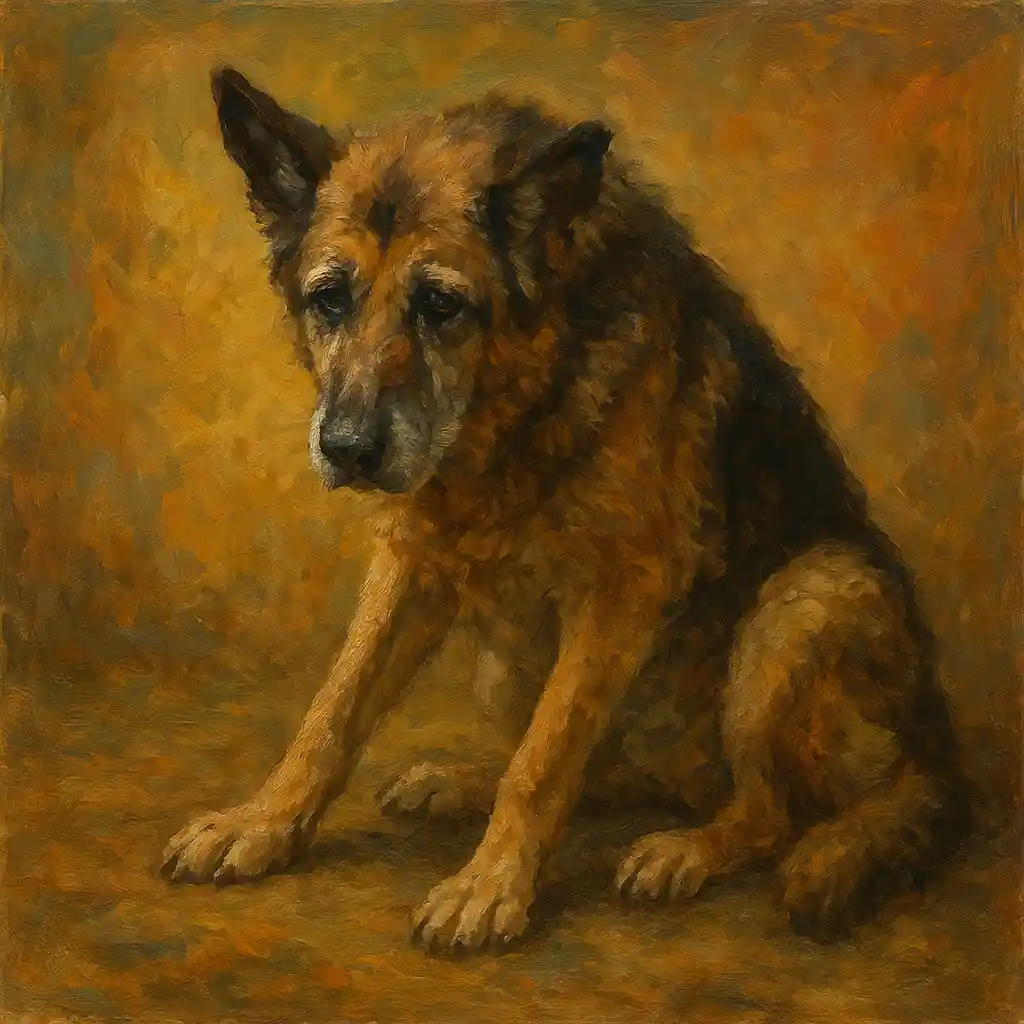
Practical signs to notice, home changes that help, and daily care for comfort and mobility
Senior German Shepherds are strong, loyal dogs. They often stay brave and quiet even when something hurts. With age, many German Shepherds develop joint problems, and arthritis is one of the most common. Arthritis means the joints are inflamed and painful. Over time, the cartilage in the joint wears down, movement becomes harder, and simple activities can feel uncomfortable.
Arthritis in Senior German Shepherds can reduce quality of life, but good care at home can make a big difference. Small changes, done consistently, can support comfort, movement, and mood. This guide explains clear signs to watch for and gives practical steps for daily life. It also includes safety tips, routines, and supportive ideas that help both dog and owner.
1. Understanding arthritis in senior German Shepherds
Arthritis is not just “getting old.” It is a medical condition where joints become painful and stiff. The most common form in older dogs is osteoarthritis, also called degenerative joint disease. It usually develops slowly. Some days are better, some days are worse, and symptoms often increase over months and years.
Why German Shepherds are at higher risk
German Shepherds have several risk factors that make joint problems more likely, especially in old age.
- Genetics and body structure: German Shepherds are large dogs with strong muscles and heavy joints.
- Hip and elbow dysplasia: Many German Shepherds have dysplasia, where the joint does not fit perfectly. This creates extra wear and tear.
- Past injuries: Old sprains, ligament injuries, and surgery can lead to arthritis later.
- Weight gain with age: Even a small weight increase can add stress to hips, knees, elbows, and spine.
- Reduced activity: Less movement can weaken muscles that protect joints, which increases stiffness.
Arthritis in Senior German Shepherds is common, but it is not hopeless. A good care plan can support movement and comfort for years.
2. Early signs of arthritis in senior German Shepherds
Dogs do not always cry when they feel pain. Many show arthritis through changes in movement and behavior. Early recognition matters because early support is usually easier and more effective.
Movement and posture signs
- Stiffness after resting, especially in the morning
- Slower walking pace
- Limping or uneven steps
- Trouble standing up from lying down
- Hesitation before stairs, jumping, or getting into a car
- Shorter steps in the back legs
- Back arching or a tense posture
- Slipping on smooth floors more often
- Sitting down during walks, then getting up slowly
Behavior and mood signs
- Less interest in play or running
- Avoiding long walks
- Irritability when touched in certain areas
- Sleeping more than before
- Restlessness at night, changing sleeping positions often
- More licking or chewing on one joint area
- Pulling away when a collar is put on, if neck pain exists
- Reduced interest in social contact at certain times of day
Subtle signs owners often miss
- Taking longer to choose a place to lie down
- Using furniture support to stand
- Standing with weight shifted off one leg
- Slower tail wag and less “full body” movement
- Less stretching after naps
When these signs appear, a veterinary check is important for diagnosis. Many other issues can look like arthritis, including nerve problems, muscle injuries, and certain internal illnesses. A proper exam helps build the right plan.
3. Veterinary diagnosis and why it matters
A veterinarian can confirm whether arthritis is present and which joints are affected. Diagnosis usually includes a physical exam and sometimes X-rays. The vet may also check weight, muscle condition, gait, and joint range of motion.
A correct diagnosis supports safer treatment decisions. It also helps avoid giving the wrong medication or missing another problem. Arthritis in Senior German Shepherds often needs long-term management, so a clear baseline is useful.
Common parts of a vet-led arthritis plan
- Pain relief options, including prescription medication if needed
- Advice on safe exercise and activity level
- Weight management targets
- Joint supplements and diet guidance
- Physical therapy or rehabilitation options
- Follow-up schedule to adjust the plan
4. Home adjustments that improve comfort and safety
Home changes can reduce pain triggers and lower the risk of slips, falls, and overuse. Most adjustments are simple and affordable. Done together, they create a supportive daily environment.
4.1 Supportive bedding that protects joints
A good bed is one of the best investments for arthritis care.
What helps most
- Orthopedic foam or memory foam
- A bed big enough to stretch out fully
- Low sides or easy step-in entry
- Non-slip bottom so the bed does not slide
- Washable cover for hygiene
Placement tips
- Keep the bed away from cold drafts and damp areas
- Choose a quiet place where the dog can rest without disturbance
- Add a second bed in the area where the family spends time, so the dog does not need to walk far to stay near people
Warmth often supports comfort. Many senior dogs rest better in a slightly warmer spot, especially in winter.
4.2 Ramps and steps for daily independence
Jumping up and down can be painful. Repeated jumping can also worsen joint damage.
Useful ramp locations
- Sofa or favorite chair
- Human bed if the dog sleeps there
- Car entry point
- Small porch steps
Safety details
- Use non-slip surfaces such as carpeted ramps
- Choose gentle slope angles
- Stabilize the ramp so it does not move
- Practice slowly with treats and calm praise
4.3 Floor traction to prevent slips
Slipping is a major risk for older dogs. One slip can cause muscle strain or worsen joint pain.
Simple traction solutions
- Runner rugs in hallways
- Non-slip mats near food and water bowls
- Foam play mats in key walking zones
- Paw grip socks for some dogs, if tolerated
Keep nails trimmed. Long nails reduce grip and change posture. For many senior dogs, nail care improves stability quickly.
4.4 Food and water height adjustments
Bending down can strain neck, shoulders, and elbows.
Helpful options
- Raised bowls at chest level for comfortable eating
- Bowl stands that do not wobble
- Non-slip mat underneath to stop sliding
4.5 Easy access layout
Small layout changes reduce unnecessary stress.
- Keep essentials in one level of the home when possible
- Use baby gates to block steep stairs
- Place beds, water, and resting spots in easy walking distance
- Reduce clutter to create clear walking paths
5. Weight management to reduce joint stress
Weight has a direct impact on pain and mobility. Even a small weight loss can reduce pressure on joints. For large breeds like German Shepherds, this can be one of the most powerful tools.
Practical weight support steps
- Use measured meals instead of free feeding
- Choose a vet-recommended senior or joint-support diet if appropriate
- Reduce high-calorie treats
- Replace some treats with lower-calorie options such as small pieces of lean meat, vegetables that are safe for dogs, or prescription diet treats if needed
- Track weight regularly, ideally monthly
Healthy weight management also supports heart health, stamina, and overall energy. It often improves mood because movement becomes easier.
6. Joint-friendly exercise for arthritis support
Movement is important for arthritis, but the wrong type of movement can increase pain. The goal is steady, low-impact activity that maintains muscle and joint flexibility.
Good exercise choices for senior German Shepherds
- Short, frequent walks instead of one long walk
- Walking on soft ground such as grass or packed dirt
- Controlled leash walking instead of fast running
- Gentle hill walking if tolerated, because it can build muscle slowly
- Swimming or underwater treadmill therapy, which reduces joint load
Helpful exercise rules
- Warm up slowly for several minutes at the start
- Keep a steady pace, avoid sudden sprints
- End before the dog becomes very tired
- Give rest days when stiffness increases
- Keep exercise consistent across the week
Signs the exercise level is too high
- More limping later the same day
- Trouble getting up after the walk
- Slower movement the next morning
- Increased licking at joints
- Refusal to continue walking
Muscle supports joints. When muscles weaken, joints take more stress. This is why safe movement matters even when a dog is older.
7. Gentle home physical therapy ideas
A veterinary rehab professional can design a full plan, but some gentle activities are commonly used in arthritis care. These should be done carefully and stopped if discomfort increases.
Simple mobility support activities
- Slow sit-to-stand practice: builds leg strength when done carefully
- Short balance work: standing on a soft mat for a few seconds
- Controlled step-over poles: very low poles to encourage joint movement
- Gentle stretching: only if the dog stays relaxed and calm
Massage can also help some dogs by improving circulation and reducing muscle tension around painful joints. Light pressure and slow movements are safer than deep pressure.
8. Pain management options and supportive therapies
Arthritis pain management is often multi-part. It may include medication, supplements, lifestyle changes, and supportive therapies. A veterinarian should guide medical choices because some human pain medications are dangerous for dogs.
8.1 Supplements commonly used for joint support
Supplements do not work like fast pain medication. They usually take weeks to show benefit and results vary by dog.
Common options used in arthritis care
- Glucosamine and chondroitin: supports cartilage and joint function in some dogs
- Omega-3 fatty acids: may reduce inflammation and support skin, brain, and heart health
- Green-lipped mussel: sometimes used for joint support
- MSM: sometimes used as part of joint formulas
Quality matters. Choose products recommended by a veterinarian or trusted veterinary brands. Dose should match the dog’s weight and health status.
8.2 Prescription medication and vet-guided care
Many dogs with moderate or severe arthritis benefit from prescription pain control. This can include anti-inflammatory medication and other pain support tools. Regular bloodwork may be needed for long-term medication safety, especially in senior dogs.
8.3 Alternative and supportive therapies
Some dogs respond well to supportive therapies as part of a larger plan.
Options often used
- Acupuncture: may reduce pain and improve comfort in some dogs
- Cold laser therapy: may reduce inflammation and support tissue healing
- Hydrotherapy: supports movement with reduced joint load
- Professional rehabilitation: tailored exercise and mobility support
These therapies can be especially valuable for Arthritis in Senior German Shepherds because large-breed joints carry heavy loads.
9. Daily routine for monitoring arthritis symptoms
A simple routine helps owners notice patterns early. It also supports better vet visits because observations are clear and specific.
Daily check points
- Ease of getting up from bed
- Willingness to walk and normal walking pace
- Appetite and hydration
- Mood and social behavior
- Any licking or chewing at joints
- Slipping incidents, especially on smooth floors
- Sleep quality, including restlessness at night
Weekly or monthly tracking
- Body weight or body condition score
- Activity tolerance, such as walk length before slowing down
- Medication or supplement effects
- Any flare-ups, including weather-related changes
Keeping a short journal can help. A few lines per day is enough. Over time, patterns often become clear.
10. Mental stimulation for senior German Shepherds with arthritis
When movement is harder, boredom can increase. German Shepherds are smart and often need a job. Mental activity supports mood, reduces stress, and improves quality of life.
Low-impact enrichment ideas
- Food puzzles and slow feeders
- Snuffle mats for scent-based feeding
- Hide-and-find treat games around one room
- Short training sessions with simple cues
- Nose work with safe household scents and hidden treats
- Gentle chewing options approved for senior teeth, with supervision
Keep sessions short and positive. Several small enrichment moments during the day often work better than one long session.
11. Emotional support and comfort
Chronic pain can affect emotions. Some senior dogs become quieter, more sensitive, or more protective of painful areas. This is not bad behavior. It is communication.
Supportive emotional care
- Keep routines stable, since predictability reduces stress
- Use calm voice and slow movements when touching sore areas
- Provide quiet rest time away from noise
- Offer more gentle affection, on the dog’s terms
- Avoid punishment for irritability, since discomfort is often the cause
- Create family rules for children, including no climbing, hugging tightly, or sudden pulling
Comfort also comes from feeling safe. A stable routine and a safe resting spot can reduce anxiety.
12. Safety tips when making home changes
Safety details protect senior dogs and reduce setbacks.
- Secure ramps and steps so they do not slip
- Add traction to ramps with carpet or grip strips
- Avoid slippery flooring where possible
- Supervise stair use if stairs cannot be blocked
- Keep walkways clear of clutter and loose cables
- Use a supportive harness for assistance if needed, especially for car entry
- Monitor heating pads carefully if used, and use pet-safe temperature settings to prevent burns
- Avoid forcing movement during a flare-up. Rest is sometimes needed
Small injuries can cause big setbacks in older dogs, so prevention is valuable.
13. Real-life examples of thriving with arthritis support
Many senior German Shepherds live happy lives with arthritis when daily care supports their needs. The key is consistency and small, smart changes.
Example 1. Improved mobility with controlled exercise
A senior German Shepherd with morning stiffness started a plan of two short walks per day instead of one long walk. The owner added a longer warm-up, slowed the pace, and used softer ground. Over several weeks, stiffness reduced, and the dog’s mood improved because daily movement felt safer.
Example 2. Home changes that reduced pain triggers
Another senior dog slipped often on tile floors and began avoiding walking through the hallway. Runner rugs were placed in key areas, nails were trimmed more regularly, and the dog gained confidence walking again. Less slipping also meant less muscle soreness.
Example 3. Better rest through supportive bedding
A dog with hip arthritis had restless nights and changed positions often. After switching to a thick orthopedic bed and placing it away from drafts, sleep improved and morning stiffness reduced. Rest is not just comfort. It supports recovery and energy.
These examples show a simple truth. Arthritis in Senior German Shepherds can often be managed in a practical, kind way that supports dignity and independence.
14. Building a support system for owners
Caring for a senior dog with arthritis can be emotionally heavy. Support helps owners stay consistent and calm.
Helpful support options
- Veterinary team guidance and regular check-ins
- Canine rehabilitation professionals
- Trusted online communities focused on senior dog care
- Local dog owner groups or workshops
- Family support for lifting, driving to appointments, or short walks
When owners feel supported, dogs benefit too.
15. A simple daily arthritis-friendly plan to follow
Consistency works better than perfect effort once in a while. This sample structure can be adapted.
Morning
- Short potty break with slow warm-up
- Breakfast with measured portion
- Supplements or medication if prescribed
- Rest on supportive bed in warm, calm spot
Midday
- Short walk or gentle movement
- Water check
- Quick enrichment activity such as a food puzzle
- Light rest
Evening
- Second short walk, calm pace
- Dinner with measured portion
- Gentle brushing or light massage if tolerated
- Quiet family time on non-slip surfaces
- Bedtime with stable routine
This kind of rhythm reduces stress, supports joints, and helps owners notice changes early.
Conclusion
Arthritis in Senior German Shepherds is common, but it does not remove joy from life. With early recognition, vet-led care, and thoughtful home adjustments, many senior German Shepherds stay comfortable and active in ways that fit their age. Supportive bedding, safe floors, ramps, controlled exercise, weight management, and mental enrichment work together like a team. Each change may look small, but combined they can create a big improvement in daily comfort.
A senior German Shepherd still wants connection, routine, and purpose. Arthritis care is not only about joints. It is also about dignity, safety, and a calm life filled with steady love. Consistent support, gentle movement, and a home that feels easy to live in can help senior dogs thrive through their later years.