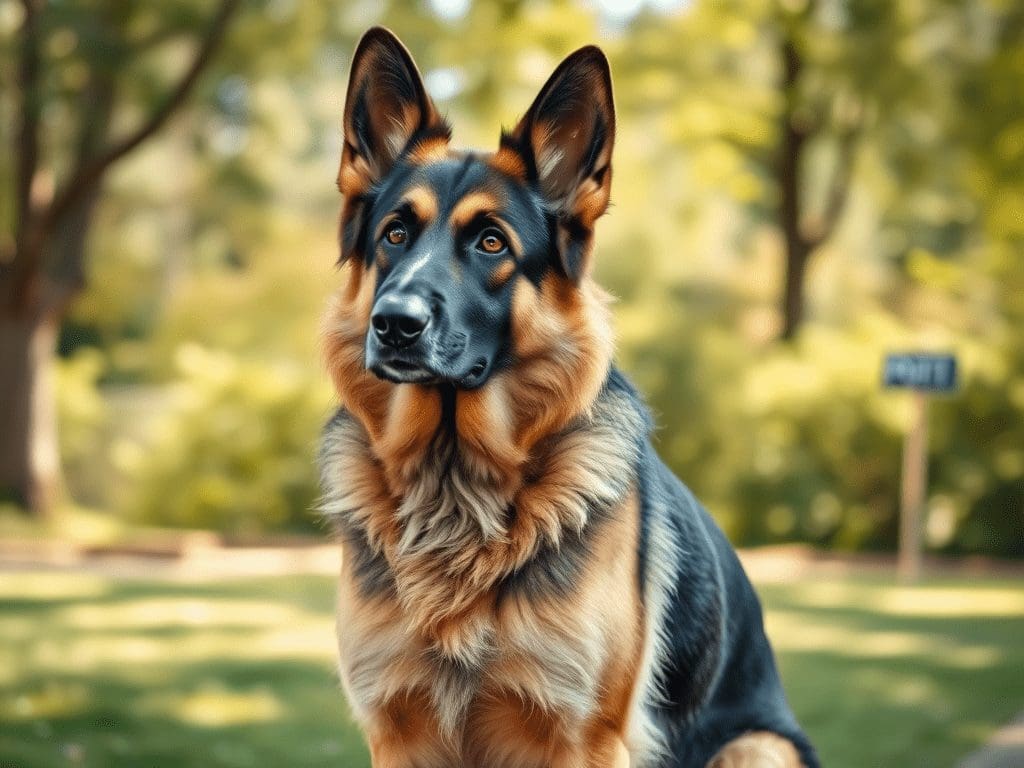
German Shepherds are smart, loyal, and sensitive to your mood. They often want to do the “right” thing, but they need you to show them what “right” looks like in your home. Some adult dogs were never trained properly. Others changed homes, lived outdoors, stayed in shelters, or experienced stress. Sometimes medical issues also play a role. No matter the reason, the training path stays the same: structure, patience, and positive reinforcement.
It gives a step-by-step plan, a sample schedule, and clear tips for preventing repeat accidents. It also explains why enzyme cleaners matter and how to use them the right way for House Training for Adult German Shepherds.
Why adult German Shepherds have accidents indoors
Before training starts, it helps to understand what may be causing the problem. Adult dogs do not have accidents “out of spite.” Indoor potty problems usually come from one or more of these reasons:
1) No strong routine (or a routine change)
Dogs learn patterns. If potty times change daily, your dog cannot predict when they will go outside. That leads to accidents.
2) Stress or a new environment
Moving to a new home, new people, new pets, and new smells can confuse an adult dog. Even a well-trained dog may slip for a short time.
3) Past learning
If a dog lived in a kennel, garage, or small space, they may have learned to toilet near where they sleep. That habit can take time to replace.
4) Not enough outdoor chances
Some dogs simply are not taken out often enough, especially after meals, naps, and playtime. Adult GSDs still need regular breaks.
5) Scent left behind from old accidents
If the smell remains, many dogs return to the same spot. Regular household cleaners often do not remove the scent fully. This is why enzyme cleaners are essential.
6) Medical issues (always keep in mind)
Mastering House Training for Adult German Shepherds involves understanding their needs and creating a predictable system. House Training for Adult German Shepherds is vital for their well-being.
Urinary tract infections, digestive issues, diabetes, arthritis pain, or age-related incontinence can all cause accidents. Training still helps, but medical support may be needed too.
To achieve success in House Training for Adult German Shepherds, maintain a focused mindset and support your dog’s learning.
Even when health is perfect, House Training for Adult German Shepherds is mostly about building a predictable daily system and rewarding the correct behavior every time.
When it comes to House Training for Adult German Shepherds, remember that calm consistency is key.
The mindset that makes training work
Adult German Shepherds learn best when training feels safe and clear. The key mindset points are simple:
- Consistency beats intensity. A calm routine every day works better than one “big training weekend.”
- Rewards teach faster than punishment. Praise and treats create strong habits.
- Accidents are information. They show that the schedule, supervision, or cleanup needs improvement.
- Patience prevents setbacks. Anger and scolding increase anxiety, which can lead to more accidents.
A German Shepherd often bonds deeply with their person. When you stay calm and steady, your dog will trust you and learn faster.
Step 1: Set up your home for success (management first)
With House Training for Adult German Shepherds, set clear expectations and remain patient. This will help them learn faster.
Training improves faster when your dog has fewer chances to make mistakes.
Use one or more of these tools:
- Crate (proper size): Big enough to stand and turn around, not so big that one side becomes a toilet.
- Baby gates or closed doors: Limit access to bedrooms, carpets, and hidden corners.
- Leash indoors (short-term): Keep your dog near you so you can notice cues quickly.
- Easy-clean floors: Spend more time in rooms with tile or vinyl during early training if possible.
This is not forever. It is a short training stage that prevents accidents from becoming a habit.
Step 2: Choose a clear potty spot outside
House Training for Adult German Shepherds becomes easier when the potty location is always the same. Pick a specific area outside (yard corner, gravel strip, or a quiet patch of grass). Then:
- Walk your dog directly to that spot
- Keep the leash boring and steady
- Wait calmly
- Praise immediately when they finish
A fixed potty spot helps your dog understand the goal fast: “This is the bathroom.”
Step 3: Build a simple, consistent schedule (the real engine of success)
A good schedule is the strongest tool you have. It removes confusion for your dog and makes your day more predictable too.
The most important potty times
Take your adult GSD out:
- First thing in the morning
- After each meal
- After naps
- After play or excitement
- Before bedtime
- Every 2–4 hours at first (then slowly extend)
Many adult German Shepherds can hold it longer, but during training, frequent trips prevent accidents and build the habit.
Sample house training schedule for adult German Shepherds
This schedule is a strong starting point. Adjust the times to match your daily life, but keep the pattern consistent.
6:30 AM – Potty trip (go straight to the potty area) 6:45 AM – Breakfast + water 7:05 AM – Potty trip (very important after eating) 9:30 AM – Potty trip + short walk 12:00 PM – Potty trip 12:15 PM – Lunch (optional; many adult dogs eat 2 meals/day) 12:35 PM – Potty trip 3:30 PM – Potty trip + playtime 6:00 PM – Dinner + water 6:20 PM – Potty trip 8:30 PM – Potty trip (calm, boring) 10:30 PM – Final potty trip before bed
If your dog has accidents overnight, move the final trip later and consider a short, quiet midnight potty break for a short period. For many adult dogs, this is temporary.
Step 4: Learn and recognize potty cues (your dog’s “early warning system”)
German Shepherds often show clear signs before they go. When you catch these cues early, accidents drop fast.
Common potty cues
- Sniffing the floor intensely
- Circling a small area
- Pacing or suddenly wandering away
- Staring at you, then walking away
- Going to the door or scratching near it
- Whining, restlessness, or sudden quiet behavior
When you see any cue, do not wait. Clip the leash and go straight outside to the potty spot.
Step 5: Teach your dog to “ask” to go out
Some adult dogs never learned a clear way to communicate. You can teach a simple signal so your dog can tell you when they need a potty break.
Easy options
- Door bell/button: Hang bells on the door handle. Ring them gently before every potty trip. Reward the dog for touching them.
- Sit by the door: Each time you go out, ask for a sit near the door for 2–3 seconds, then go outside.
- Target touch: Teach your dog to touch your hand or a target near the door, then immediately go out.
Consistency matters more than the method. Pick one and stick to it.
Step 6: Use positive reinforcement the right way
Positive reinforcement is not just “being nice.” It is a training tool. Timing is everything.
The rule
Reward immediately after your dog finishes potty outside.
What to use
- Small, tasty treats (pea-sized)
- Warm praise (“Good potty!”)
- A short play moment (some dogs love a quick tug or ball toss)
Why timing matters
If you wait until you are back inside, your dog may think the reward is for walking indoors, not for toileting outside.
For House Training for Adult German Shepherds, the fastest progress happens when rewards are clear, immediate, and consistent.
Step 7: What to do when an accident happens (calm, fast, effective)
Accidents are part of training. The goal is to respond in a way that helps learning instead of creating fear.
If you catch your dog in the act
- Interrupt calmly with a simple sound (“Ah-ah” or “Outside”)
- Take them outside immediately to the potty spot
- If they finish outside, reward warmly
If you find it after it happened
- Do not scold
- Do not rub their nose in it
- Clean it properly (important)
- Review what failed: too long between breaks, missed cues, too much freedom, or scent left behind
Punishment can make a German Shepherd hide accidents, avoid you, or feel anxious. Anxiety often causes more indoor toileting, not less.
Enzyme cleaners: the most important cleanup tool in house training
Many homes stay stuck in a cycle because the smell remains, even when humans cannot detect it. Dogs can. That scent acts like a “bathroom sign.”
Why enzyme cleaners work
Enzyme cleaners break down the proteins in urine and feces. This removes the odor at the source instead of covering it.
Why regular cleaners often fail
Bleach, ammonia-based products, and many scented sprays may disinfect or smell clean to humans, but they can leave trace odor behind. Some products even smell like urine to dogs, which can trigger repeat marking.
For House Training for Adult German Shepherds, enzyme cleaners are not optional. They are a core part of stopping repeat accidents.
How to choose the right enzyme cleaner
When shopping, look for these features:
- Clearly labeled enzymatic formula for pet urine/feces
- Safe for your surface (carpet, hardwood, tile, upholstery)
- Non-toxic after drying (follow label)
- Good reviews for odor removal, not just stain removal
- Unscented or light scent (strong perfumes can irritate some dogs)
Commonly trusted enzyme cleaner brands (varies by country)
- Nature’s Miracle
- Rocco & Roxie
- BUBBAS
- Simple Solution
Any high-quality enzymatic cleaner can work if used correctly.
Step-by-step: how to use enzyme cleaners for best results
Many people use enzyme cleaners the wrong way and lose the benefit. Follow a clear process:
House Training for Adult German Shepherds can be a rewarding journey for both you and your dog when done right.
- Blot first (do not scrub). Use paper towels or a cloth to soak up as much as possible.
- Apply generously. The product must reach the same depth as the urine, especially on carpet and padding.
- Let it sit. Follow the label time. Enzymes need time to work.
- Blot again. Remove excess moisture.
- Air dry fully. Avoid steam cleaners right away unless the product says it is safe. Heat can set stains and odors.
- Repeat if needed. Old stains may need more than one treatment.
For deep carpet accidents, treat the area wider than the visible spot. Urine spreads.
Preventing future accidents (the “3-layer plan”)
Once training starts, prevention is the next big goal. A simple system can reduce accidents to almost zero.
Layer 1: Routine
Keep a stable feeding and potty schedule. Sudden changes can cause slips.
Layer 2: Supervision
If your dog is not trained yet, they should be:
- Outside pottying
- With you (leashed or in the same room)
- Resting in a crate or safe space
Hidden freedom is where accidents happen.
Layer 3: Cleanup and odor control
Every accident must be cleaned with enzyme cleaner. Even one missed spot can slow the whole process.
Common house training challenges (and solutions)
Challenge 1: The dog pees again soon after coming inside
Likely causes: too short outside time, distractions, or anxiety. Fix: longer calm potty trips, less play until after they potty, reward strongly for full elimination.
Challenge 2: The dog only has accidents at night
Likely causes: late drinking, not enough last potty time, or medical/age issues. Fix: last potty trip later, remove water 1–2 hours before bed (unless vet says otherwise), consider a short temporary late-night break, check for health issues.
Challenge 3: The dog marks small spots around the house
Likely causes: stress, scent from past dogs, hormonal behavior, or poor supervision. Fix: enzyme cleanup, limit freedom, more outdoor potty chances, calm structure, speak with a vet about neutering/spaying if appropriate.
Challenge 4: The dog is afraid to potty outside
Likely causes: noise, traffic, other dogs, bad past experiences. Fix: choose a quieter potty area, go with the dog on leash, stay calm, reward gently, avoid forcing the dog toward scary places.
Challenge 5: Progress is slow
Likely causes: schedule not consistent, rewards not strong enough, too much freedom too soon. Fix: tighten the schedule for 7–14 days, reward every success, increase supervision, return to basics.
House Training for Adult German Shepherds often improves quickly when the routine becomes strict again for a short period.
Safety tips for seniors during house training
House training can involve frequent door trips and quick movement. Safety matters, especially for older adults.
Simple safety practices
- Use non-slip shoes indoors and outdoors
- Keep pathways clear of clutter and throw rugs
- Use a stable leash (avoid thin cords that burn hands)
- Consider a front-clip harness for better control
- Install a motion light or porch light for night potty breaks
- Keep treats in a small pouch so hands stay free
- In icy or wet weather, use a safe potty spot with good footing (gravel or cleared area)
A calm, controlled walk to the potty area is safer than rushing. Structure helps both human and dog.
Keeping training gentle and effective (what not to do)
To protect trust and speed up learning, avoid these common mistakes:
- No scolding after the fact. The dog will not connect it to the accident.
- No rubbing nose in it. This can create fear and confusion.
- No long indoor freedom too early. Freedom is earned through success.
- No switching methods every few days. Pick one plan and stay consistent.
German Shepherds respond strongly to fairness and clarity. A steady routine is kinder and more effective than harsh corrections.
Celebrating milestones (and why it matters)
Progress feels better when you notice it. House training is easier when you track small wins:
- First full day with no accidents
- Dog goes to the door before potty
- Dog uses the same potty spot outside
- Longer time between breaks without mistakes
Celebrate calmly with praise, a small treat, or a favorite game. This keeps motivation high for both of you.
Even after your dog is reliable, keep occasional rewards. Random rewards maintain strong habits.
Short real-life success examples (what success can look like)
Example 1: The “routine reset”
A senior owner adopted an adult GSD who had indoor accidents in the first week. They used a strict schedule for two weeks, limited the dog to one main room, and rewarded every outdoor success. Accidents dropped quickly because the dog finally understood the pattern.
Example 2: The “enzyme cleaner breakthrough”
Another owner cleaned accidents with standard spray and still had repeat peeing on the same rug. After switching to an enzyme cleaner and treating the rug padding properly, repeat accidents stopped. The dog no longer smelled the old “bathroom sign.”
Example 3: The “door signal habit”
One adult German Shepherd never asked to go outside. The owner taught the dog to touch a hanging bell before each potty trip. Within a short time, the dog began ringing the bell independently, which reduced accidents because communication became clear.
These results are common when the basics are done consistently.
For successful House Training for Adult German Shepherds, keep a close watch on their behavior and adjust your approach as needed.
A simple 14-day plan (for strong results)
If you want a clear timeline, this structure helps many homes:
Days 1–3: Tight supervision + frequent breaks
- Potty every 2–3 hours
- Reward every outdoor success
- Limit freedom (crate/gates/leash indoors)
Days 4–7: Strengthen the habit
- Keep the same schedule
- Watch potty cues closely
- Clean any accident with enzyme cleaner immediately
Days 8–14: Slowly increase freedom
- Extend time between breaks slightly if there are no accidents
- Give one extra room only after several clean days
- Continue rewards, even if smaller
If accidents return, reduce freedom and tighten the schedule again for a few days. This is normal and effective.
Conclusion: calm consistency creates a house-trained adult German Shepherd
House Training for Adult German Shepherds succeeds when your dog clearly understands three things: where to go, when to go, and how to earn rewards for doing it right. The path is simple, but it must be consistent.
Keep a steady schedule, learn your dog’s cues, guide them to one potty spot, and reward outdoor success immediately. When accidents happen, stay calm and treat them as a sign to improve the routine—not a reason to punish. Clean every mess with a true enzyme cleaner so the smell does not invite repeat mistakes. With patience and a clear plan, your adult German Shepherd can become reliable in the home and confident in their routine.
A clean home and a relaxed dog are both possible. The daily system does the heavy work, and your German Shepherd’s intelligence does the rest.
To summarize, House Training for Adult German Shepherds requires patience, a clear plan, and a supportive environment.
Ultimately, House Training for Adult German Shepherds is about building a positive relationship and routine.