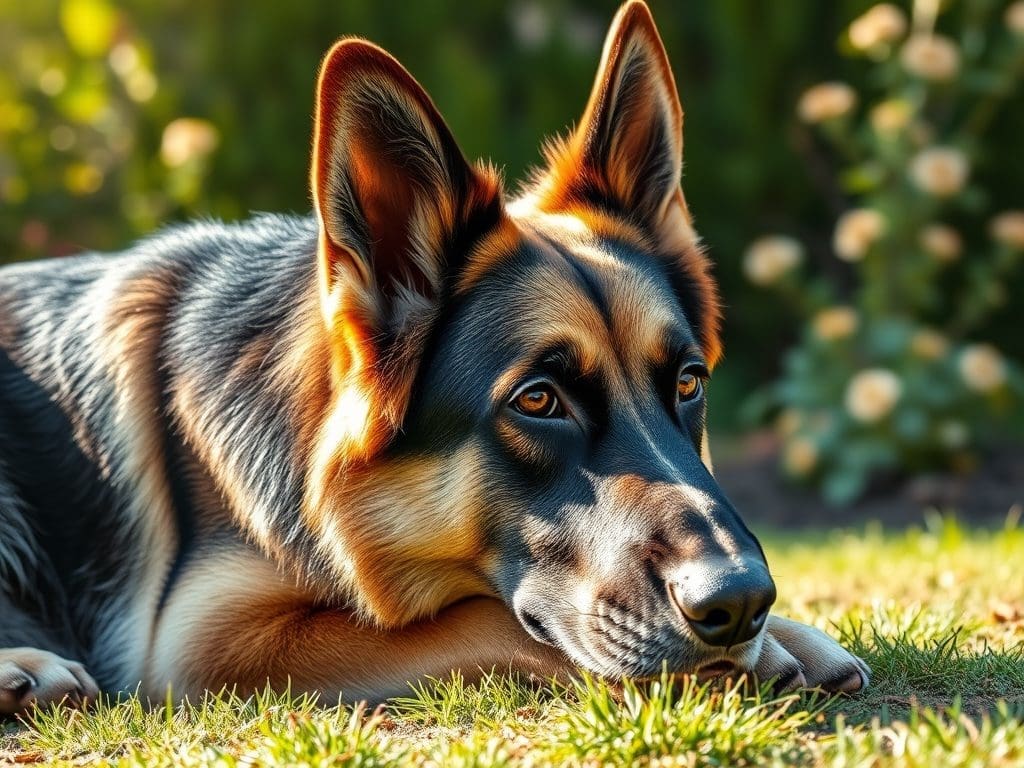
German Shepherds are famous for their strong body, smart mind, and beautiful coat. Many people love the classic black-and-tan look: a deep black “saddle” on the back, with warm tan on the legs, chest, and face. Over time, though, the coat can look different. The black may become brown, gray, or “dusty.” The tan may turn lighter, sometimes almost cream.
Understanding the Coat Color Changes in German Shepherds is crucial for any owner. As they age, their coats may shift in color due to various factors including genetics and environmental influences. Monitoring these changes helps in maintaining their overall health.
These Coat Color Changes in German Shepherds are often normal, especially in adult and senior dogs. However, it is essential to understand that Coat Color Changes in German Shepherds can sometimes indicate other underlying issues. This guide aims to help you discern the typical changes and when to seek support, ensuring that your dog’s coat remains healthy throughout their life.
This is practical, and focused on real-life care—without drama, and without guessing.
1) Why Coat Color Changes Happen
Awareness of Coat Color Changes in German Shepherds is vital as it can reflect the dog’s health status. By closely observing these changes, owners can provide better care tailored to their dog’s needs.
A German Shepherd’s coat color comes from pigments made in the skin and hair follicles. The most important pigment for black areas is eumelanin. The pigment for red/tan areas is pheomelanin. How much pigment is produced—and how it is placed on the hair—depends mainly on genetics, but also on the dog’s body and environment.
Familiarity with Coat Color Changes in German Shepherds will aid owners in recognizing potential health concerns. Regularly checking the dog’s coat can lead to early detection of issues that may need veterinary attention.
Over a dog’s life, pigment production can shift. Hair also changes with time because the coat grows in cycles. A new coat can look slightly different from the last one, especially after shedding seasons.
So, Coat Color Changes in German Shepherds can happen for several reasons:
- Normal aging
- Genetics and coat type
- Sun exposure
- Seasonal shedding and coat cycles
- Diet and nutrient balance
- Skin health
- Hormones and internal health
- Stress, illness, or medication
Some of these causes are harmless. Some need support. A few need a veterinarian.
2) Common Coat Patterns in German Shepherds (Quick Overview)
German Shepherds have several coat patterns. Understanding the pattern helps you notice what “change” really means.
Common patterns include:
In conclusion, understanding Coat Color Changes in German Shepherds is essential for ensuring a long and healthy life for your dog. By being proactive about these changes, you can help maintain their well-being.
- Black and tan (saddle back): Black “saddle” on the back, tan legs and face.
- Black and red: Similar to black/tan but with deeper red tones.
- Bi-color: More black overall, tan mostly on feet and small areas.
- Sable: Each hair has bands of color; the coat can look “shaded.”
- Solid black: Mostly black everywhere.
- White / cream: Light coat; pigment changes are less obvious.
A black-and-tan saddle coat is the one where fading is easiest to see, because the contrast is strong when the dog is young.
3) Normal Black/Tan Fading: What It Looks Like
Many German Shepherds show normal color change as they grow from puppy to adult, and again from adult to senior.
Typical normal changes
- The black saddle becomes softer, sometimes looking dark brown in sunlight.
- The tan areas become lighter or more “washed out.”
- Gray hairs appear on the muzzle, eyebrows, and around the eyes.
- The coat looks less glossy than before, even with good care.
This type of fading is often slow and even. It can happen over months or years.
Common places where fading shows first
- Face and muzzle (the “gray muzzle” look)
- Behind the ears
- Along the back and saddle
- Chest and shoulders
- Upper legs
If your dog is otherwise healthy—good energy, normal appetite, no itching, no strong odor, no bald spots—this kind of change is usually part of normal life.
4) Coat Color Changes from Puppy to Adult: Also Normal
Some owners feel surprised because their puppy’s color changes quickly in the first year. This is very common.
Examples of normal puppy-to-adult changes:
- A puppy with a very dark coat may develop clearer tan points as the adult coat comes in.
- A puppy’s black saddle can become bigger, smaller, or change shape.
- Sable puppies can become darker or lighter after the first major shed.
This is not a sign of poor health. It is the coat “settling” into its adult form.
5) Sunlight and “Rusting”: When Black Turns Reddish-Brown
A very common reason for black fading is sun exposure. UV light can break down pigment and make black fur look brown or reddish. People often call this “rusting” or “sun bleaching.”
This is more likely when:
- The dog spends many hours outside in strong sun
- The coat is already dry or thin
- The dog swims often (water + sun + drying can increase fading)
Sun fading is usually cosmetic. It does not harm the dog by itself. Still, strong sun can also affect skin, especially in thin-coated areas.
Simple support:
- Provide shade during peak sun hours
- Avoid leaving the dog in direct sun for long periods
- Use grooming and diet to keep the coat healthy and strong
6) Seasonal Shedding and Coat Cycles: Why the Coat Can Look Different
German Shepherds shed heavily. Many owners see “coat explosions” once or twice a year, plus steady shedding in between. During shedding:
- Old hair falls out
- New hair grows in
- The new coat may have a slightly different tone
Sometimes the new coat looks dull for a short time. Sometimes it looks brighter. This is normal.
Also, in winter the coat can look thicker and darker. In summer it can look shorter, lighter, and more “flat.” This is part of natural coat function.
7) When Coat Color Change Is a Warning Sign
Most Coat Color Changes in German Shepherds are harmless. But color change can become a warning sign when it comes with other changes.
Signs that deserve attention
- Hair loss or bald patches
- Very dry coat with heavy dandruff
- Red skin, bumps, scabs, or open sores
- Strong “yeasty” or bad smell
- Constant scratching, licking, rubbing face on furniture
- Dark skin thickening (skin looks “elephant-like”)
- Coat becomes thin on tail (“rat tail”) or on both sides of the body
- Sudden change in color within a short time (weeks)
- Low energy, weight gain, or strong thirst together with coat change
These signs do not mean one specific disease. They mean the skin and coat may be reacting to a bigger problem. A veterinarian can help you find the real cause.
8) Health Issues Linked to Coat and Color Changes
Below are common health problems that can affect coat color, coat quality, and shedding in German Shepherds. This section is not meant for self-diagnosis. It is meant to help you understand what vets often check.
A) Hypothyroidism (low thyroid function)
This is common in many breeds, including German Shepherds.
Possible signs:
- Dull coat, heavy shedding
- Thin fur, especially on sides and tail
- Weight gain without more food
- Low energy, more sleeping
- Skin infections that come back
Coat color can look faded because the hair quality is weak and the coat cycle slows down.
B) Cushing’s disease (high cortisol)
This is more common in older dogs.
Possible signs:
- Thin coat, hair loss
- Pot-bellied look
- Increased drinking and urination
- Panting
- Skin becomes thin and fragile
Color change is not the main sign, but the coat often looks “worn” and unhealthy.
C) Allergies (environment or food)
Allergies often cause itching and skin irritation. The coat can change because the dog scratches and damages the hair.
Possible signs:
- Itching (paws, ears, belly)
- Red skin, hot spots
- Ear infections
- Licking paws until they are stained
Color changes can include darker staining (from saliva) and uneven fading.
D) Parasites and fungal infections
Fleas, mites, ringworm, and other infections can affect coat.
Possible signs:
- Patchy hair loss
- Scaly areas
- Red rings or crusts
- Intense itching (especially with mites)
E) Nutrient imbalance or poor absorption
A coat needs protein, healthy fats, vitamins, and minerals. If nutrition is low quality, or the body does not absorb it well, the coat may fade, dry out, and break.
Possible signs:
- Dull coat and shedding
- Slow hair regrowth
- Poor muscle tone or weight issues
- Frequent stomach problems
9) A Simple Way to Judge: “Color Change Alone” vs “Color Change + Symptoms”
A helpful mindset is this:
- Color change alone, slow and even, with normal skin and behavior → often normal aging or sun fading.
- Color change plus symptoms (itching, smell, hair loss, red skin, low energy, weight change) → more likely a health or nutrition issue.
This is a practical filter that helps owners avoid panic, while still staying alert.
10) Supporting Coat Health: Daily and Weekly Basics
Even when coat fading is normal, good care makes a big difference. A healthy coat often looks darker, fuller, and cleaner. Most importantly, it protects the skin.
Brushing (most important step)
German Shepherds do best with consistent brushing. It removes dead hair, spreads natural oils, and helps you notice skin problems early.
A simple routine:
- 2–4 times per week brushing for most dogs
- Daily brushing during heavy shedding seasons
Good tools:
- Slicker brush (gentle, good for surface hair)
- Undercoat rake (helps with thick undercoat)
- Deshedding tool (use carefully; do not overdo it)
- Wide-tooth comb (for checking mats behind ears and on legs)
Avoid harsh brushing that scratches the skin. For seniors, gentler is better.
Bathing (less is often more)
Too many baths can dry the coat and skin, making fading look worse.
General tips:
- Use a mild dog shampoo (not human shampoo)
- Avoid strong perfume products
- Rinse very well (leftover shampoo can cause itching)
- Dry the coat fully, especially in cold weather
Many German Shepherds do well with bathing every 4–8 weeks, but it depends on lifestyle.
11) Diet for a Strong Coat (and Better Color)
A coat is built from nutrients. If the body lacks key building blocks, the coat is often the first place you see it.
Key nutrition points
- Protein: Needed to build hair. Choose a quality food where real animal protein is high on the ingredient list.
- Omega-3 fatty acids: Support skin moisture and reduce inflammation.
- Omega-6 fatty acids: Also important, but the balance matters.
- Zinc, copper, vitamin E, vitamin A, B vitamins (including biotin): Support skin and coat function.
Many owners notice the coat improves after 6–12 weeks of better nutrition. Hair growth takes time.
Helpful supplements (often used for coat support)
Always follow dosage instructions and speak with a vet if your dog has health conditions or takes medication.
Common options:
- Fish oil (omega-3s)
- Salmon oil
- Vitamin E (often paired with fish oil)
- Skin-and-coat chews with fatty acids and biotin
Supplements do not “paint” the coat back to its puppy color. But they can improve shine, strength, and softness, which can make color look richer.
12) Weight, Exercise, and Mental Stimulation: Indirect but Real Benefits
Coat health is connected to whole-body health. Movement improves circulation and supports healthy skin.
For adult and senior German Shepherds:
- Daily walks (steady, joint-friendly pace)
- Light play sessions (shorter for seniors)
- Nose work games (sniffing is great mental exercise)
- Training refreshers (simple commands keep the brain active)
Stress can also affect skin. A dog that is bored, anxious, or under-stimulated may lick and chew more, which damages the coat.
A calmer dog often has a calmer skin barrier.
13) Special Care for Senior German Shepherds
Senior dogs can still have beautiful coats, but they need a bit more support.
Common senior coat changes:
- Slower hair regrowth after shedding
- Dry skin and dandruff
- More gray hairs
- Thinner coat in some areas
Senior-friendly care:
- Softer brushes and shorter grooming sessions
- More joint-friendly exercise (avoid long, hard runs if the dog has stiffness)
- Warm, comfortable sleeping places (skin health is better with good rest)
- Regular vet checks, even when the dog “seems fine”
If a senior dog starts to smell different, itch more, or develop repeated skin infections, it is worth checking thyroid and general bloodwork.
14) Real-Life Examples (What Normal Can Look Like)
These examples show how Coat Color Changes in German Shepherds often appear in everyday life.
Example 1: Slow saddle fading
A 7–10-year-old black-and-tan German Shepherd’s black saddle becomes more brown in sunlight. The dog is active, eats well, and has no itching. Skin looks normal. This is typical aging plus sun fading.
Example 2: Lighter tan after a major shed
After spring shedding, the tan on the legs looks lighter and the coat feels softer. By late summer, the coat looks a bit darker again. This is normal coat cycling.
Example 3: Coat change with signs of illness
A 9-year-old German Shepherd develops thinning fur on both sides, a dull coat, weight gain, and low energy. This combination suggests a health check is wise. Thyroid testing is common in this situation.
These examples are not diagnoses. They show patterns owners often see.
15) A Practical “Coat Check” Routine at Home
A simple routine helps you notice problems early.
Once a week (5 minutes):
- Look at the coat in good light
- Check behind ears, armpits, belly, and base of tail
- Notice any new flakes, redness, bumps, or odor
- Watch for new licking or scratching habits
- Feel the coat: oily, dry, brittle, normal?
Once a month:
- Take a quick photo from the side and above (use the same spot and light if possible)
- This makes slow changes easier to see
This routine is easy, and it supports early care without stress.
16) When Veterinary Help Adds Real Value
A vet visit is especially helpful when:
- Coat changes come with hair loss, itching, smell, or skin pain
- The dog’s energy, thirst, appetite, or weight changes along with coat issues
- Skin infections return again and again
- Home care and diet improvements do not help after 6–8 weeks
A veterinarian may recommend:
- Skin scrape or fungal test
- Allergy plan
- Flea control review
- Blood tests (thyroid, general health screen)
- Diet trial (for suspected food allergy)
This is not “overreacting.” It is smart prevention, especially for older dogs.
17) Embracing the Look: Aging Can Be Beautiful
A fading coat does not reduce a German Shepherd’s value or beauty. Many owners find that a silver muzzle and softer saddle color make the dog look wise and gentle. Coat changes often show a life well lived—walks, adventures, family time, and years of loyalty.
The key is balance:
- Accept normal changes with peace
- Stay alert for changes that come with discomfort or illness
- Support the coat with grooming, nutrition, and overall health care
When you do these basics well, you give your German Shepherd the best chance to feel comfortable and look great at any age.
Final Takeaway
Coat Color Changes in German Shepherds are usually normal, especially slow black/tan fading with age or sun exposure. Most of the time, this is simply part of the breed’s life journey. Still, coat color changes become more important when they appear together with itching, hair loss, skin irritation, strong odor, or changes in energy and weight.
A healthy plan is simple and effective:
- Brush regularly
- Feed a balanced, high-quality diet
- Consider safe coat-support supplements
- Protect from harsh sun and skin dryness
- Keep exercise and mental activity steady
- Use your veterinarian when symptoms appear or changes are sudden
With steady care, your German Shepherd can age with comfort, confidence, and a coat that still looks proud—no matter what shade it becomes.